


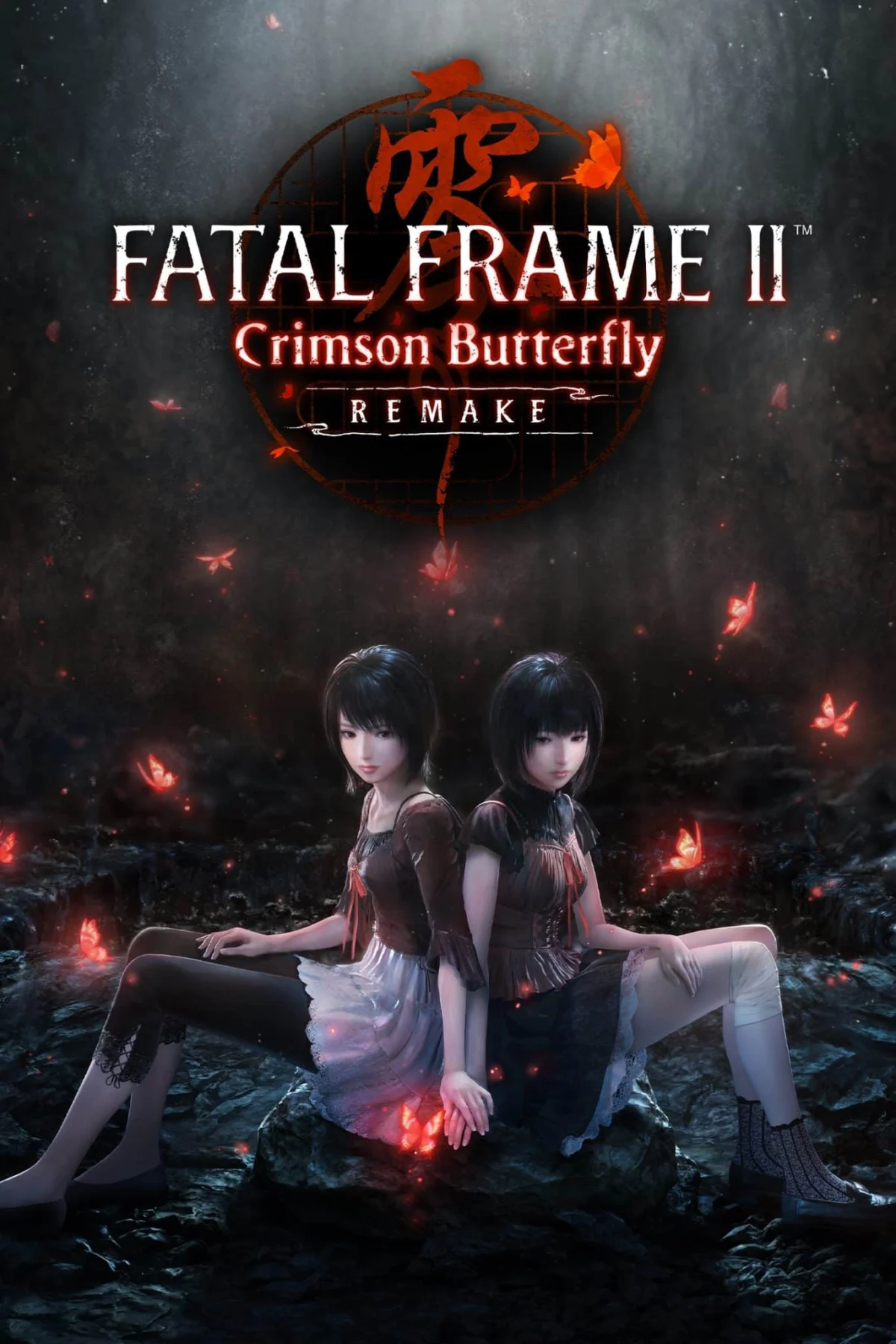
Evolution of the Fatal Frame Franchise and Historical Context
The Fatal Frame series, known in Japan as Zero and in Europe as Project Zero, carved a unique niche in the early 2000s by eschewing the traditional "combat-with-firearms" approach popularized by Resident Evil and Silent Hill. Instead, the series introduced the Camera Obscura, a mystical device that allows players to confront paranormal entities through photography. Fatal Frame II: Crimson Butterfly is widely considered the emotional core of the franchise, focusing on the harrowing journey of twin sisters Mio and Mayu Amakura.
The decision to remake Crimson Butterfly follows the successful commercial and critical reception of recent remasters, specifically Fatal Frame: Maiden of Black Water and Fatal Frame: Mask of the Lunar Eclipse. Industry data suggests that the survival horror market has experienced a significant resurgence, with remakes of classic titles seeing high attachment rates among both veteran players and newcomers. By assigning Team NINJA—a studio primarily known for high-octane action titles like Nioh and Ninja Gaiden—to the project, Koei Tecmo has signaled a commitment to high-fidelity production values and modernized character movement, even as the game retains the slower, more deliberate pacing characteristic of J-horror.
Narrative Structure and the Legend of Minakami Village
The narrative of FATAL FRAME II Crimson Butterfly REMAKE centers on Mio Amakura and her twin sister Mayu, who find themselves trapped in the "Lost Village" of Minakami. The village was erased from maps following a failed occult ritual known as the "Crimson Sacrifice." The remake maintains the core plot beats of the original, utilizing the twin dynamic to explore themes of guilt, sacrifice, and the inescapable nature of fate.
In this updated version, the environmental storytelling has been expanded. While much of the lore remains accessible through found documents—memos, diaries, and books scattered throughout the dilapidated residences—the remake places a greater emphasis on "specter encounters." These are non-aggressive ghost sightings that provide visual snapshots of the village’s final days. The level design in the remake is described as "tight" and "deliberate," with each zone within Minakami Village meticulously reconstructed to reflect the Edo-era architecture and the oppressive atmosphere of a community frozen in time. The use of heavy film grain and a muted color palette serves to reinforce the "dreamlike horror" aesthetic that defined the 2003 original.
Modernized Gameplay Mechanics and the Camera Obscura
The most significant departure from the original title is the overhaul of the camera system. The isometric-style perspectives of the PlayStation 2 era have been replaced with a dynamic camera that follows Mio’s movements. This shift changes the fundamental nature of exploration and combat, making the player’s field of vision more restricted and increasing the tension during ghost encounters.
The Camera Obscura remains the primary tool for both puzzle-solving and combat. The remake introduces several refined mechanics to the device:
- Focal Points and Timing: Players must align the camera’s viewfinder with ghosts to build up "spirit power." The damage dealt is contingent on the proximity of the ghost and the timing of the shutter release.
- Shutter Chance and Fatal Frame: A red flashing indicator signifies a "Shutter Chance," occurring when a ghost is mid-attack. Successfully capturing a photo at this moment triggers "Fatal Frame" time, allowing for a rapid succession of high-damage shots without consuming additional film.
- Upgrade System: Players collect "Prayer Beads" and "Spirit Orbs" to enhance the camera’s basic functions, such as range, loading speed, and sensitivity. Special lenses and filters, such as the Radiance filter, can be equipped to provide tactical advantages or increase damage output.
- Escort Dynamics: A significant portion of the game involves escorting Mayu. The remake addresses historical "escort mission" frustrations by allowing Mio to hold Mayu’s hand, ensuring the AI remains close during high-stress sequences. However, technical reports indicate that the AI can occasionally struggle with environmental pathfinding during stealth segments involving "instakill" spirits.
Technical Performance and PC Port Analysis
The launch of FATAL FRAME II Crimson Butterfly REMAKE on PC platforms has provided a detailed look at Koei Tecmo’s current technical trajectory. The game supports a variety of modern features, though some implementation choices have drawn scrutiny from technical analysts.
Upscaling and Resolution:
The PC version utilizes AMD’s FidelityFX Super Resolution 2 (FSR2) as its primary upscaling solution. Notably, the game lacks a native "preset" system for upscaling, requiring players to manually adjust resolution percentages. While FSR2 provides a necessary performance boost for mid-range hardware, the absence of more modern iterations like FSR3 or DLSS 3.5 at launch has been noted as a missed opportunity for maximizing image clarity on high-end NVIDIA and AMD GPUs.
Visual Fidelity and LOD Issues:
The remake features high-resolution textures and complex lighting models that significantly enhance the horror atmosphere. However, reports have surfaced regarding "Level of Detail" (LOD) pop-in. At "Standard" settings, objects such as furniture and environmental clutter have been observed to disappear or materialize within a few meters of the protagonist. This suggests an aggressive optimization strategy intended to maintain stable frame rates on consoles and lower-end PC configurations.
Cross-Platform Compatibility:
The title has been tested on various operating systems, including Windows 11 and Linux-based distributions (such as Fedora). While the game generally performs well via compatibility layers like Proton, some users have reported stability issues during specific scripted events involving complex particle effects. These issues are typically addressed through post-launch driver updates and Proton experimental builds, making the game viable for handheld PC devices like the Steam Deck.
Industry Implications and Critical Reception
The release of FATAL FRAME II Crimson Butterfly REMAKE is a significant event for the horror genre in 2026. It represents a broader industry trend where publishers are looking to their back catalogs to provide high-quality "AA" and "AAA" experiences that mitigate the risks associated with entirely new IP. By modernizing a title with a pre-existing cult following, Koei Tecmo secures a stable revenue stream while testing the waters for a potential high-budget sequel in the series.
Market analysts suggest that the success of this remake could determine the future of the Fatal Frame IP. If sales targets are met, it is likely that the original Fatal Frame (2001) and Fatal Frame III: The Tormented (2005) will receive similar treatment, potentially leading to a unified "remake trilogy" that brings the entire Amakura and Hinasaki storyline to modern platforms.
From a design perspective, the clash between "slow exploration" and "arcade-like combat" remains a talking point among critics. The game’s reward system—where players earn points for "good" photography to spend on upgrades and cosmetic items—creates a gameplay loop that feels distinct from the resource-scarcity models found in Western horror titles. This "arcade-horror" hybrid is a hallmark of the series and remains intact in the remake, providing a unique alternative to the stealth-focused horror games that have dominated the indie scene for the last decade.
Conclusion
FATAL FRAME II Crimson Butterfly REMAKE is a comprehensive update of a psychological horror classic. While it introduces modern camera controls and high-fidelity visuals, it remains rooted in the traditional J-horror philosophy of building dread through atmosphere and narrative rather than jump scares alone. Despite minor technical hurdles regarding AI pathfinding and PC optimization settings, the project stands as a successful modernization of the Amakura twins’ story. For Koei Tecmo and Team NINJA, the title serves as both a tribute to the franchise’s legacy and a technical foundation for the future of the series. As the survival horror genre continues to evolve, the return to Minakami Village proves that the Camera Obscura remains one of the most compelling and terrifying mechanics in gaming history.