


The recent announcement from Microsoft regarding the expansion of Xbox backwards compatibility to the PC platform has ignited a significant conversation within the global gaming community. Following the official reveal of the first four titles slated for this transition, enthusiasts and industry analysts alike are evaluating the potential for a broader library of legacy console titles to find a native home on Windows hardware. This initiative, which bridges the gap between the Xbox console ecosystem and the expansive PC gaming market, represents a strategic shift in Microsoft’s approach to software longevity and digital preservation. Central to this discourse is the Xbox Game Preservation society, a community-driven platform that has recently implemented a leaderboard system allowing users to vote on which titles they most desire to see ported or emulated for PC. The current data from these polls suggests a profound demand for classic intellectual properties that have remained tethered to original Xbox and Xbox 360 hardware for decades.
The Evolution of Xbox Backwards Compatibility
Microsoft’s commitment to backwards compatibility began in earnest during the Xbox One era, a response to consumer demand for access to previous-generation libraries. Under the leadership of Phil Spencer and the engineering guidance of the compatibility team, the program successfully brought hundreds of Xbox 360 and original Xbox titles to modern consoles, often with enhancements such as Auto HDR, FPS Boost, and increased resolution. However, while many of these titles were made available on Xbox Series X|S, the PC platform remained a distinct environment. Many "console-exclusive" titles never received native Windows ports, leaving a significant portion of gaming history inaccessible to PC-only users without the use of third-party emulation software.
The July 2026 announcement marks a pivotal moment in this chronology. By establishing a formal framework for PC backwards compatibility, Microsoft is effectively leveraging its "Play Anywhere" philosophy to its logical conclusion. The initiative aims to utilize the shared architecture between modern Xbox consoles and Windows-based PCs to streamline the delivery of legacy code. Industry analysts suggest that this move is not only a service to fans but also a strategic hedge against the aging of physical hardware, ensuring that software remains profitable and playable across multiple generations of silicon.
Community Prioritization and the Xbox Game Preservation Leaderboard
The Xbox Game Preservation project has emerged as a vital barometer for consumer sentiment. By aggregating votes from thousands of users, the platform provides a clear hierarchy of demand that Microsoft’s internal teams are likely monitoring. The current leaderboard reflects a diverse range of genres, from Western RPGs and tactical shooters to Japanese-developed epics and extreme sports titles.
A recurring theme in the voting data is the desire for titles that have never seen a release outside of the Xbox console environment. While some games, such as the original Gears of War or Fable Anniversary, eventually migrated to PC, their sequels and spin-offs often remained exclusive. This "missing link" phenomenon has created a fragmented experience for PC gamers who wish to experience full franchises.
Top 10 Candidate Analysis for PC Backwards Compatibility
Based on community voting trends and the existing console backwards compatibility list, ten specific titles stand out as the most logical and highly anticipated additions to the PC ecosystem.
1. Fable 2 (Xbox 360)
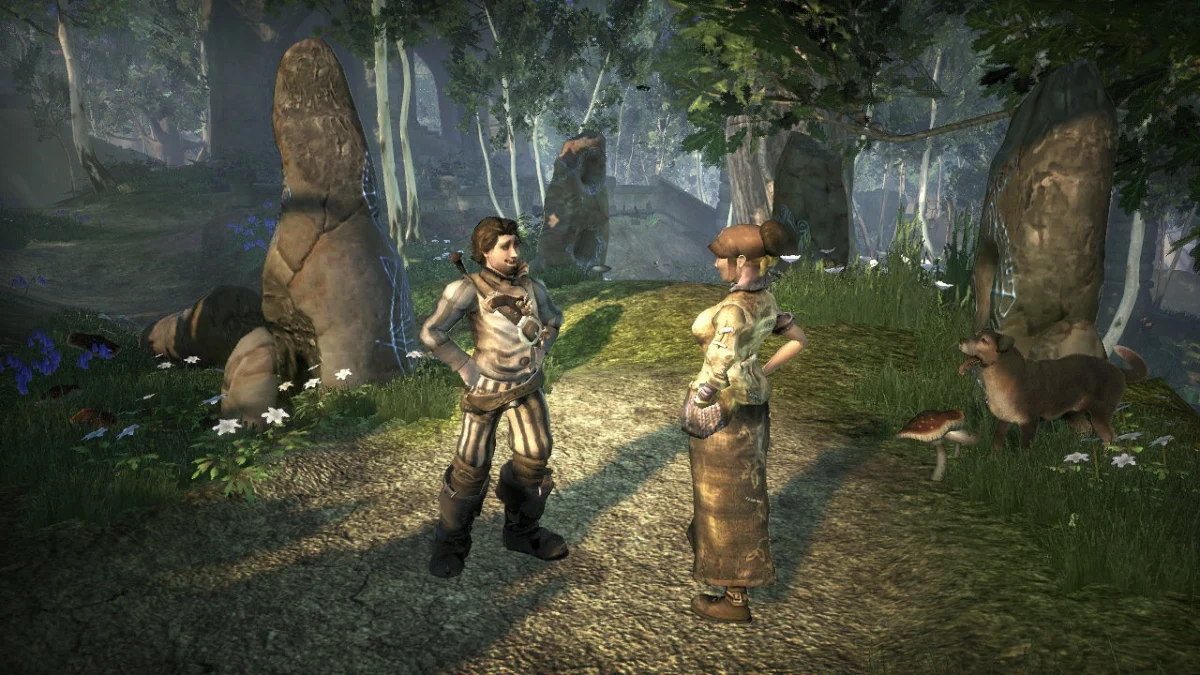
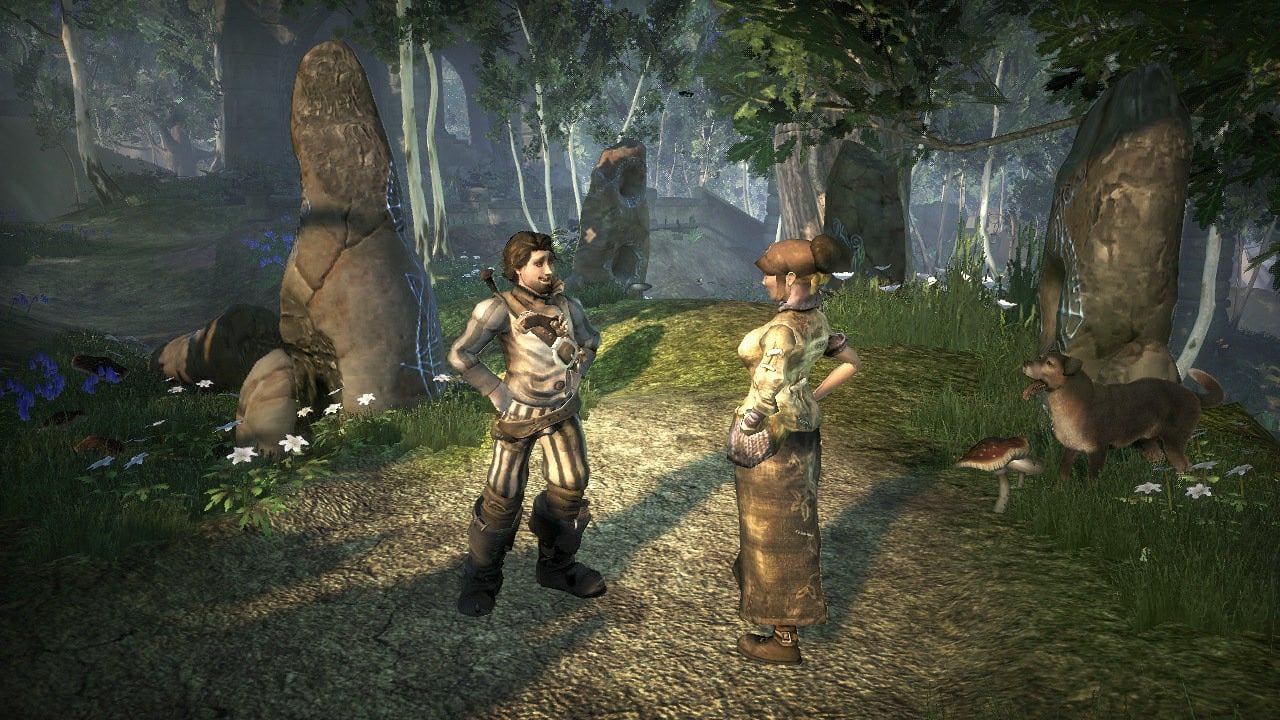
Released in 2008 by the now-defunct Lionhead Studios, Fable 2 remains the only mainline entry in the franchise to never receive a PC port. Despite its critical acclaim and commercial success—selling millions of copies and winning numerous "Game of the Year" awards—the title has been locked to the Xbox 360 and subsequent console compatibility layers. Its inclusion on PC would allow players to experience the full narrative arc of Albion, especially as Playground Games develops the upcoming franchise reboot.
2. Gears of War 2 (Xbox 360)
While the first Gears of War received a Windows Vista port and a later Ultimate Edition, and Gears 4 and 5 are available on Steam and the Microsoft Store, Gears of War 2 remains a glaring omission. As the title that introduced the iconic "Horde Mode" and expanded the scope of the Locust War, its absence on PC is a significant hurdle for franchise completionists.
3. Skate 3 (Xbox 360)
Electronic Arts’ Skate 3 experienced a massive resurgence in popularity years after its 2010 release, largely due to its physics-based gameplay becoming a staple of early streaming culture. With Skate 4 currently in development, bringing the third entry to PC would serve as an ideal promotional tool and satisfy a long-standing request from the keyboard-and-mouse community.
4. Lost Odyssey (Xbox 360)
Produced by Hironobu Sakaguchi, the creator of Final Fantasy, Lost Odyssey is often cited as one of the greatest traditional JRPGs of its era. Developed by Mistwalker and Feelplus, the game featured a sophisticated narrative involving immortal protagonists. Given the resurgence of JRPGs on PC (seen with the Persona and Yakuza series), Lost Odyssey is a prime candidate for a digital revival.
5. TimeSplitters 2 (Xbox)
The TimeSplitters franchise, developed by Free Radical Design, represents a pinnacle of early 2000s first-person shooter design. While TimeSplitters 2 was recently made playable in 4K on modern consoles, a native PC version with modern control mapping and potential multiplayer restoration would be a landmark event for FPS enthusiasts.
6. Banjo-Kazooie (Xbox 360)
The Xbox 360 remaster of Rare’s classic N64 platformer improved textures and performance while maintaining the core gameplay. As Microsoft owns the Rare IP, bringing this definitive version of Banjo-Kazooie to PC would align with the company’s efforts to make its first-party history available to all subscribers of the Xbox Game Pass for PC.
7. Burnout Revenge (Xbox 360)
Criterion Games’ Burnout Revenge is frequently heralded as one of the best arcade racers ever made. Unlike Burnout Paradise, which has been remastered for PC, Revenge focuses on aggressive "traffic checking" and high-speed combat. Its technical stability on Xbox Series X suggests that a PC transition would be feasible.
8. Ninja Gaiden Black (Xbox)
Considered by many to be the definitive version of Tomonobu Itagaki’s action masterpiece, Ninja Gaiden Black set a standard for difficulty and precision in the character action genre. While a "Master Collection" exists on PC, many purists prefer the original Xbox version’s balance and visual style, making it a high-priority preservation target.
9. Blue Dragon (Xbox 360)
Another collaboration between Hironobu Sakaguchi and legendary Dragon Ball artist Akira Toriyama, Blue Dragon was a cornerstone of Microsoft’s attempt to capture the Japanese market. Its vibrant art style and classic turn-based mechanics would find a welcome audience in the modern PC gaming landscape.

10. SSX 3 (Xbox)
EA Sports BIG’s SSX 3 moved the snowboarding series to an "open mountain" design that remains influential to this day. The game’s soundtrack and aesthetic are synonymous with the early 2000s, and its technical performance via the Xbox One/Series compatibility layer has already proven that the code scales beautifully to higher resolutions.
Technical and Strategic Implications
The move to bring these titles to PC involves more than simple file transfers. Microsoft’s compatibility team must address several technical hurdles, including the translation of PowerPC architecture (used in the Xbox 360) to the x86-64 architecture used by modern PCs. While the Xbox Series consoles use a virtual machine to handle this, PC environments are far more varied in terms of hardware configurations.
Furthermore, licensing remains a significant obstacle. Many legacy titles, particularly those in the racing and sports genres, rely on licensed music and real-world brands. Expired licenses often prevent digital re-releases, which is likely why titles like Project Gotham Racing or the original Forza Motorsport games are frequently absent from these lists. However, for first-party titles like Fable and Gears of War, these barriers are significantly lower.
Broader Impact on the Gaming Industry
Microsoft’s initiative sets a precedent for how platform holders treat their back catalogues. In an era where digital storefronts are frequently shuttered—such as the recent closure of the Xbox 360 Marketplace—the ability to migrate purchases and software to a more permanent platform like the PC is a major win for consumer rights.
The industry is currently facing a "preservation crisis," with a 2023 study by the Video Game History Foundation finding that 87% of classic video games released in the United States are "critically endangered." By providing an official, high-performance path for legacy software to reach the PC, Microsoft is positioning itself as a leader in digital heritage management. This move also strengthens the value proposition of Xbox Game Pass, as a robust library of "new" legacy titles provides a constant stream of content for subscribers without the overhead of full-scale remakes.
As the Xbox Game Preservation leaderboard continues to evolve, it serves as a roadmap for Microsoft’s future releases. While the first four games have set the stage, the eventual inclusion of heavy hitters like Fable 2 and Gears of War 2 will determine the long-term success of this ambitious project. The intersection of community feedback, technical innovation, and corporate strategy suggests that the next few years will be transformative for the way we access and play the history of the Xbox platform.