


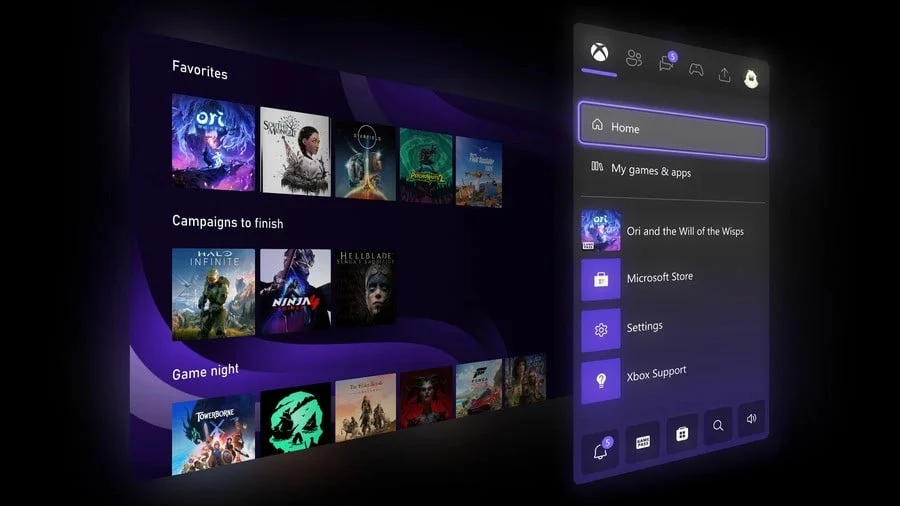
Microsoft’s gaming division has entered a pivotal phase of hardware refinement and user interface evolution following the appointment of Asha Sharma as the new Head of Xbox. While Sharma’s tenure is in its early stages, the company has initiated a series of significant updates for the Xbox Series X and Series S consoles, marking a departure from a period of relatively static dashboard development. These updates, which focus on enhancing the Quick Resume functionality and overhauling the long-standing Xbox Achievement system, represent a strategic effort to address long-standing community feedback and modernize the console’s software environment. This renewed focus on the console experience is being supported by a newly established "dedicated feedback team," tasked with bridging the gap between user expectations and engineering priorities.
The Strategic Shift Under New Leadership
The appointment of Asha Sharma as Head of Xbox comes at a time when the brand is navigating a complex landscape defined by the integration of Activision Blizzard and the expansion of the Game Pass subscription service across multiple platforms. Despite the emphasis on cloud gaming and PC integration, the recent wave of console-specific updates suggests that Microsoft remains committed to maintaining its hardware ecosystem as a premium entry point for its services. Industry analysts note that while the Xbox Series X|S hardware is powerful, the software interface has often been criticized for its lack of frequent innovation compared to the rapid iterations seen during the Xbox 360 era.
The current strategy appears to be a direct response to these critiques. By prioritizing "meaningful" features over minor stability patches, the Xbox engineering team is signaling a commitment to the "console-first" demographic. This transition began with the deployment of a significant dashboard update to the Xbox Insider program in March 2026, which served as a testing ground for more robust system-level changes.
Chronology of System Enhancements and Dashboard Updates
The roadmap for these updates has unfolded over the first half of 2026, beginning with a focus on technical performance and moving toward social and reward-based features. In March 2026, Microsoft released an update specifically targeting the Quick Resume feature—a cornerstone of the Series X|S architecture. Quick Resume allows players to switch between multiple games instantaneously by caching the game’s state directly onto the console’s NVMe SSD. The March update introduced a more intuitive management interface, allowing users to "pin" specific games to the Quick Resume queue, ensuring they are never bumped out of memory by newly launched titles.
Following the technical refinements of March, the focus shifted in April 2026 to the Xbox Achievement system. Introduced in 2005 with the launch of the Xbox 360, Achievements have remained largely unchanged for nearly two decades, leading to calls for a "refresh" that aligns with modern gaming habits. The April update, currently in the hands of Alpha and Beta Insiders, introduces multiple improvements designed to make achievement tracking more transparent and rewarding. These include "dynamic progress bars" for long-term goals and a redesigned interface that highlights rare achievements with more visual flair.
Detailed Analysis of the Xbox Achievement Overhaul
The Xbox Achievement system has long been a point of contention among the "achievement hunting" community. While Sony’s PlayStation ecosystem offers "Platinum Trophies" for completing a game’s list, and Steam provides various badges and showcase options, the Xbox system has relied on a cumulative "Gamerscore." The 2026 overhaul addresses several specific pain points:
- Progression Visibility: New tools allow developers to integrate more granular tracking, showing players exactly how many collectibles remain or how many miles have been driven toward a specific goal directly in the guide overlay.
- Reward Integration: There are indications that the new system will tie more closely into the Microsoft Rewards program, potentially offering digital currency or cosmetic items for reaching certain milestones, though this remains in the experimental phase.
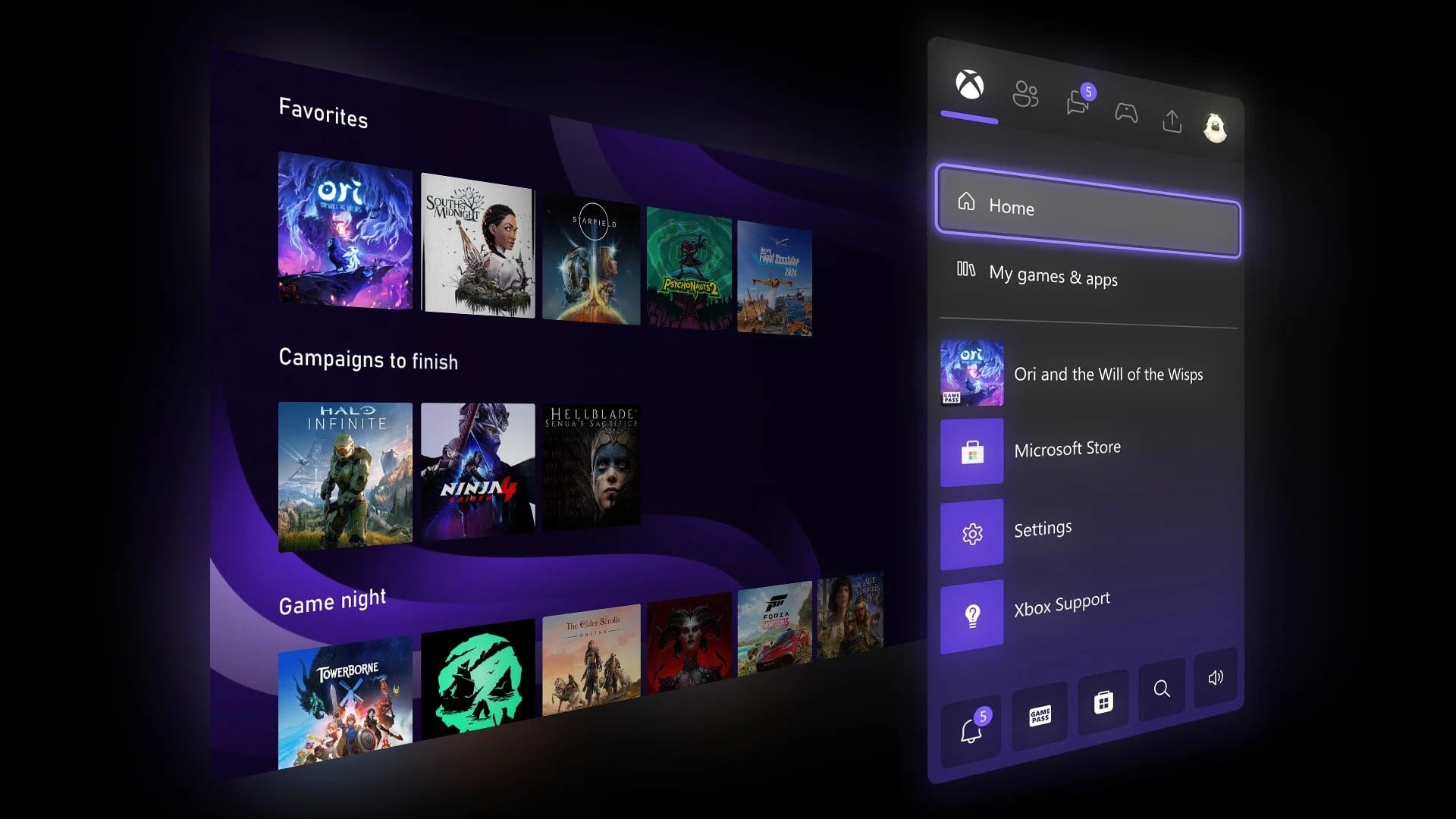
- UI Modernization: The achievements tab in the Xbox Guide has been streamlined to reduce latency and provide quicker access to "next achievements," which suggests which goals are closest to being completed based on current gameplay data.
These changes are not merely aesthetic; they are designed to increase player engagement and retention within the Xbox ecosystem. By making the pursuit of achievements more interactive, Microsoft aims to lengthen the lifecycle of individual titles on the platform.
Establishing the Dedicated Feedback Pipeline
A central pillar of the Asha Sharma era is the institutionalization of fan feedback. Microsoft has officially confirmed the formation of a "dedicated feedback team" within the Xbox organization. This group is specifically tasked with monitoring social media platforms, official forums, and the Xbox Insider Hub to identify the most requested features and bugs that impact the daily user experience.
The creation of this team represents a shift toward a more transparent development cycle. In April 2026, Xbox engineers took the unusual step of soliciting ideas directly from the public on social media, asking users to rank their most desired features. The data gathered from these interactions is reportedly being used to build the roadmap for the remainder of the 2026 and 2027 fiscal years. This approach mimics the "live service" model used in game development, applying it to the console’s operating system to ensure the hardware remains competitive against evolving consumer expectations.
Supporting Data and User Demographics
Market data suggests that user experience (UX) is a primary driver of brand loyalty in the console space. According to recent consumer surveys, approximately 65% of console owners cite "ease of navigation" and "system features" as being as important as hardware specifications. Furthermore, the Xbox Series S, which targets a more casual demographic, benefits significantly from UI improvements that simplify the discovery of new content within Game Pass.
The Xbox Insider program, which serves as the primary data source for these updates, has seen a 20% increase in active participants since the announcement of the Achievement overhaul. This surge in participation provides Microsoft with a massive telemetry set, allowing them to identify hardware-specific bugs across different regions and configurations before a general public rollout.

Broader Industry Implications and Future Outlook
The revitalization of the Xbox dashboard occurs against the backdrop of a broader industry trend where consoles are becoming more like integrated service hubs. As Microsoft continues to push its "Xbox Everywhere" initiative, the console itself must serve as the flagship experience—the "gold standard" for how Xbox games should be played and managed.
Industry experts suggest that these updates may be laying the groundwork for a larger UI redesign. Since the launch of the Series X|S in 2020, the dashboard has remained visually similar to the late-era Xbox One interface. While this provided a seamless transition for users, it led to a perception that the new generation lacked a distinct identity. The incremental updates to Quick Resume and Achievements are seen by many as the first steps toward a "Next-Gen" interface that fully utilizes the processing power and memory bandwidth of current hardware.
Furthermore, the focus on community-driven development helps to mitigate the "feature gap" that sometimes exists between Xbox and its competitors. For example, the addition of folders and improved library management—features that took years to arrive on current-gen consoles—were direct results of the feedback loops that Microsoft is now formalizing.
Conclusion
The current trajectory of Xbox system software reflects a strategic pivot toward user-centric innovation. Under the leadership of Asha Sharma, the team has moved beyond mere maintenance, embracing a philosophy of active improvement and transparency. The updates to Quick Resume and the Achievement system are significant not only for their immediate utility but for what they represent: a commitment to the console as a living platform.
By empowering a dedicated feedback team and engaging directly with the player base, Microsoft is attempting to foster a sense of co-authorship in the Xbox experience. As these features move from the Insider rings to the general public, the impact on player retention and platform satisfaction will be closely monitored. For the millions of Series X|S users, the message from Team Xbox is clear: the console experience is no longer static, and the most significant changes may still be on the horizon. With the infrastructure now in place to process and implement fan suggestions, the future of the Xbox dashboard will likely be shaped as much by the players as by the engineers in Redmond.