


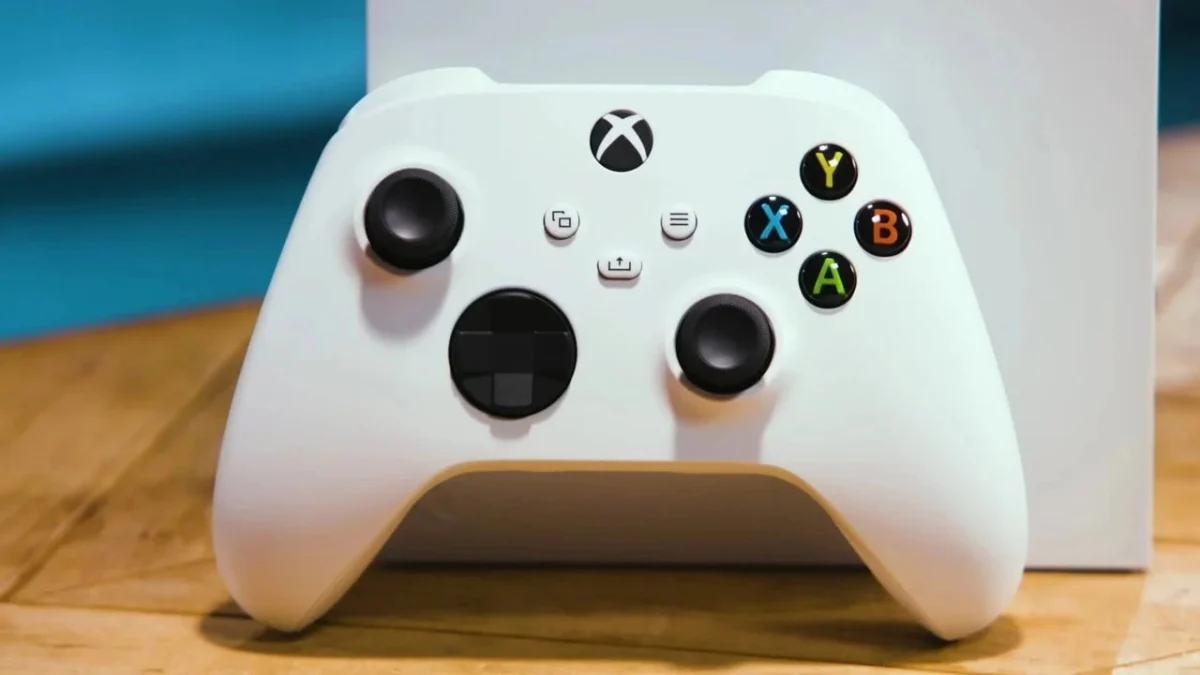
Industry veteran Peter Moore, renowned for his influential leadership roles at Sega, Xbox, and Electronic Arts, has offered a compelling perspective on the future viability of dedicated gaming consoles, suggesting that escalating manufacturing costs and the rapid evolution of technology could pose an unprecedented challenge to their traditional market position. In a recent interview with Kotaku, Moore articulated his concerns, emphasizing that the current economic pressures, particularly the global component crisis and the burgeoning demand for chips driven by artificial intelligence, are pushing console prices to a point where consumer affordability may become a significant barrier, forcing a reevaluation of the long-standing console business model.
The Shifting Sands of Console Economics
Moore’s insights stem from a deep understanding of the console ecosystem, where profitability has historically been less about the upfront sale of hardware and more about the subsequent revenue generated from software, subscriptions, and digital add-ons. This model, often referred to as the "razor and blades" strategy, allows manufacturers to sell consoles at a loss or break-even, recouping and exceeding costs through high-margin content sales. However, this delicate balance is now under severe strain. The cost of producing the sophisticated components required for modern gaming consoles – including powerful CPUs, GPUs, and advanced memory modules – has surged dramatically. This increase is not merely inflationary; it is exacerbated by a persistent global semiconductor shortage that has impacted industries worldwide since 2020, compounded by an intense, growing demand for these very components in the rapidly expanding artificial intelligence sector.
"I think that’s probably what the hardware manufacturers are noodling right now is, the cost of making this stuff is now getting ridiculous," Moore stated. "We can’t compete. We can’t even get supply for what we need because the chip manufacturers are fueling artificial intelligence demand. And they’re looking at [consumers] and probably say, ‘We can’t make enough profit on you.’" This sentiment highlights a critical inflection point where the cost of production might soon outstrip the price consumers are willing or able to pay for a dedicated gaming machine, potentially eroding the core profitability of the hardware segment.
A History of Predicted Demise and Persistent Evolution
The idea that dedicated gaming consoles are on the brink of obsolescence is not new. For decades, industry observers and futurists have speculated about the eventual "death" of consoles, predicting their replacement by alternative technologies such as PC gaming, mobile platforms, or, more recently, cloud streaming. Moore himself acknowledges this recurring debate, noting, "Every generation, the last two or three generations, we’ve all said, ‘Is this the last console generation? Do we need a dedicated piece of hardware between us, the television and our controller?’ And the answer so far has always been, yes, we do."
Indeed, each new console generation, from the PlayStation 3’s high launch price of $599 in 2006 to the Xbox One’s initial struggles with a higher price point compared to its competitor, has faced scrutiny regarding its necessity and value proposition. Yet, consoles have consistently found ways to justify their existence, offering curated gaming experiences, exclusive titles, and simplified user interfaces that appeal to a broad demographic. The current generation, featuring the PlayStation 5 and Xbox Series X/S, has seen unprecedented demand despite initial supply constraints, demonstrating the enduring appeal of dedicated gaming hardware. However, the current confluence of economic and technological factors presents a challenge arguably more profound than those of previous cycles.
The Vision of a "Chip in the TV": The Rise of Cloud Gaming
Moore’s long-held vision for the future of gaming posits a shift towards integrated solutions, where dedicated consoles become superfluous. "I’ve always said since I got in the industry in my Sega days, eventually you’ll just have a chip in the TV that will allow you to Netflix-style look at all the games that are available right now and how many people are playing and you’ll jump in," he explained. This concept directly points to the burgeoning field of cloud gaming, where games are processed on remote servers and streamed directly to a user’s device, whether it’s a smart TV, a mobile phone, or a low-spec PC.
Services like Xbox Cloud Gaming, NVIDIA GeForce Now, and PlayStation Plus Premium are already demonstrating the technical feasibility of this model. While challenges such as latency, internet bandwidth requirements, and visual fidelity still exist, advancements in networking infrastructure (like 5G and fiber optics) and compression technologies are rapidly mitigating these issues. The appeal of such a model is clear: reduced upfront hardware costs for consumers, instant access to vast game libraries, and the elimination of physical media or large game downloads. For manufacturers, it shifts the revenue model further towards subscriptions and service fees, potentially offering a more stable and predictable income stream. The integration of gaming chips directly into smart televisions would represent a natural evolution, making gaming as accessible and ubiquitous as streaming movies or music.
PC Gaming as the Ultimate Console Alternative
Beyond cloud streaming, Moore also highlighted the growing prominence of PC gaming as a robust alternative to traditional consoles, particularly if console prices continue their upward trajectory. "If I don’t like to use a keyboard and a mouse, then I can get a controller that will work and off I go. And the PC becomes your console," he posited. This scenario is already a reality for millions of gamers. The PC gaming market, which consistently outperforms the console market in terms of overall revenue, offers unparalleled flexibility, a vast library of games (often at competitive prices), and backward compatibility that spans decades.
The barrier to entry for PC gaming has historically been the high initial cost of building or buying a powerful rig. However, the landscape is changing. The proliferation of gaming laptops, more accessible pre-built systems, and the increasing efficiency of mid-range components make PC gaming more attainable. Furthermore, the lines between PC and console gaming are blurring, with many exclusive titles eventually making their way to PC, cross-play becoming standard, and controllers seamlessly integrating with PC setups. Should consoles become prohibitively expensive, a segment of the gaming population, particularly those who value graphical fidelity and performance, may indeed migrate more fully to the PC ecosystem, using their existing computers as their primary gaming "console" connected to a large screen.
The Component Crisis: A Deeper Dive
The ongoing component crisis, specifically the semiconductor shortage, is a critical factor underpinning Moore’s concerns. This crisis, initially triggered by manufacturing disruptions and a surge in demand for consumer electronics during the COVID-19 pandemic, has proven more resilient and widespread than anticipated. Semiconductor foundries, operating at maximum capacity, struggle to meet the needs of diverse industries, from automotive to consumer electronics and, crucially, high-performance computing.

The artificial intelligence boom has further intensified this competition for advanced chips. AI models require immense processing power, driving demand for specialized GPUs and high-bandwidth memory, often manufactured using the same cutting-edge processes vital for next-generation consoles. This competition not only drives up component prices but also creates supply bottlenecks, making it challenging for console manufacturers to produce enough units to meet demand, leading to higher retail prices and extended availability issues. Xbox’s Chief Sales Officer, Asha Sharma, has already indicated that the component crisis is expected to worsen for consoles into 2027, painting a bleak picture for short-to-medium term pricing stability. This prolonged uncertainty forces manufacturers to innovate not just in gaming experiences but in supply chain resilience and cost-effective design.
Implications for Manufacturers and the Broader Ecosystem
For console manufacturers like Sony, Microsoft, and Nintendo, Moore’s assessment presents a stark challenge. They face the difficult task of balancing technological advancement, consumer affordability, and sustainable profitability. Strategies might include:
- Tiered Hardware Offerings: Expanding beyond a single high-end console to include more affordable, digital-only, or less powerful versions to capture a wider market.
- Enhanced Service Integration: Doubling down on subscription services (like Xbox Game Pass or PlayStation Plus) that offer immense value for a monthly fee, reducing reliance on individual game sales.
- Cloud-First Strategies: Investing heavily in cloud gaming infrastructure and content, potentially transitioning towards a hybrid model where a console acts as a local cache or gateway to a cloud service rather than a standalone processing unit.
- Innovative Manufacturing: Exploring new materials, modular designs, or alternative chip suppliers to reduce production costs and diversify supply chains.
The implications extend to game developers, who must consider platform reach and monetization strategies. A shift towards PC or cloud gaming could mean broader accessibility for their titles but also increased competition and the need to adapt to different technical requirements and distribution models. Retailers, too, would see their business models evolve, potentially shifting from selling physical console units and game discs to digital codes, subscription cards, and accessories.
The "Real Test" and Future Trajectories
Ultimately, Moore concludes that "this is a real test for the validity of a video game console." He believes that "either technology will solve the problem or the gamer will solve the problem by saying, ‘I can’t afford 800 bucks for a console.’" This statement encapsulates the dilemma facing the industry. Technology, through continued advancements in streaming, processing efficiency, and manufacturing innovation, could indeed mitigate the rising cost challenge. Alternatively, consumer behavior, driven by economic realities and the availability of compelling alternatives, could force a seismic shift in how games are accessed and played.
While the complete disappearance of dedicated consoles in the immediate future seems unlikely given their strong brand loyalty and established user base, their form and function are undoubtedly poised for significant evolution. The traditional console model, defined by a fixed piece of hardware updated every few years, may well give way to more fluid, adaptable systems. This could involve consoles becoming more like thin clients for cloud services, or increasingly powerful streaming boxes that offload heavy processing to remote servers. The boundary between a console, a high-end streaming device, and a gaming PC may become increasingly blurred.
The next few years are indeed critical. As the industry navigates persistent component shortages, inflationary pressures, and the accelerating pace of technological change, the strategies adopted by major players will determine the trajectory of gaming for the next decade. While the allure of a dedicated gaming machine remains strong, the economic realities are undeniable, pushing the industry towards an era of unprecedented adaptation and innovation. Gamers, as Moore suggests, will always find a way to play, and it is the responsibility of the industry to ensure that those ways remain accessible, affordable, and exciting.