


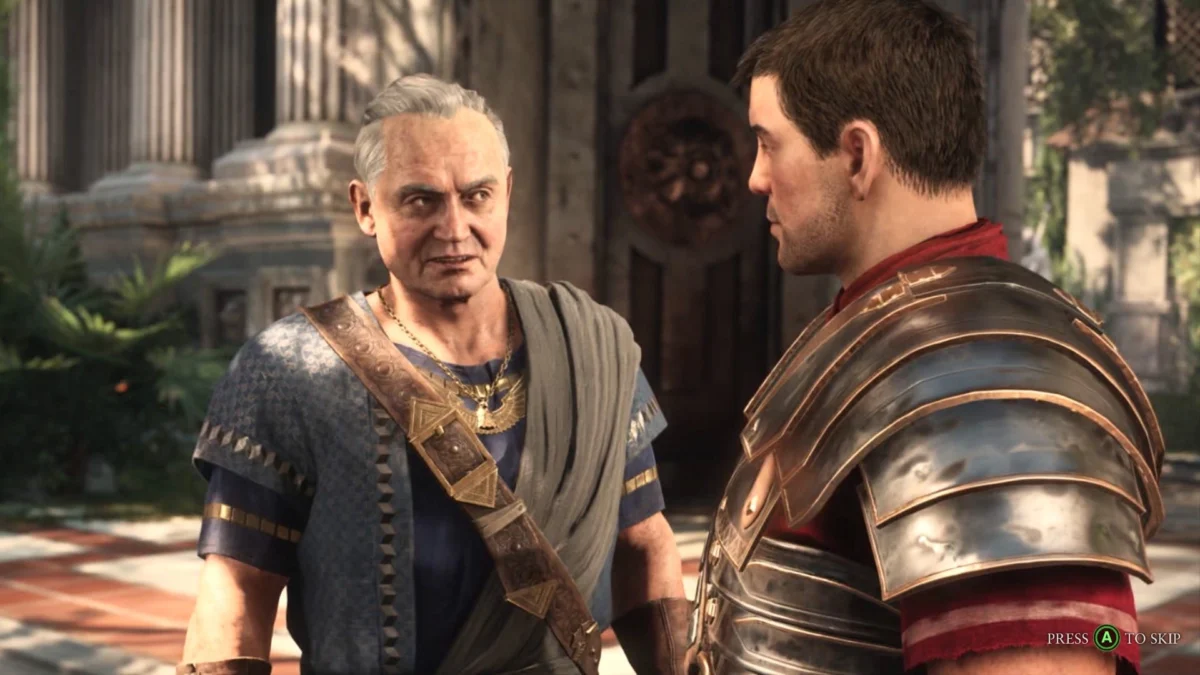
The landscape of the eighth generation of video game consoles was defined by a handful of titles that pushed the boundaries of graphical fidelity, yet few remain as polarizing or as visually resilient as Crytek’s Ryse: Son of Rome. Originally released in November 2013 as a flagship launch title for the Xbox One, the game served as a technical showcase for the power of the then-new hardware and the capabilities of the CryEngine. However, despite its enduring status as a cult classic and its continued relevance in discussions regarding high-end game aesthetics, the franchise has remained dormant for over a decade. Recent investigative reporting and retrospective accounts from key development personnel have finally shed light on the complex web of intellectual property disputes, commercial underperformance, and ambitious creative pivots that prevented Ryse from becoming a multi-generational series.
The primary obstacle to a sequel, according to recent industry reports and statements from former project managers, was a fundamental disagreement between the developer, Crytek, and the publisher, Microsoft, regarding the ownership of the intellectual property (IP). While Microsoft was keen to turn Ryse into a cornerstone of its first-party portfolio—effectively positioning it as the platform’s answer to Sony’s God of War or Ubisoft’s Assassin’s Creed—the company maintained a strict policy regarding the ownership of franchises it funded. Crytek, an independent studio with a history of maintaining control over its technological and creative assets, refused to cede the rights to the Ryse name and universe. This stalemate created a strategic vacuum where neither party was willing to invest the significant capital required for a high-budget sequel without total control over the brand’s future.
The Evolution of a Vision: From Kingdoms to Son of Rome
The development history of Ryse: Son of Rome was fraught with significant shifts in scope and platform. The project was first introduced to the public at E3 2010 under the working title Codename: Kingdoms. At that stage, it was envisioned as a first-person combat game developed exclusively for the Xbox 360, with a heavy emphasis on the Kinect motion-sensing peripheral. The original concept aimed to immerse players in the visceral reality of ancient warfare by requiring physical gestures to block, parry, and strike.
However, as development progressed, the limitations of the Kinect hardware and the impending transition to a new console generation prompted a radical redesign. By 2011, the project had been retooled into Ryse: Son of Rome, shifting from a first-person perspective to a third-person "hack-and-slash" adventure. The move to the Xbox One allowed Crytek to utilize an advanced version of CryEngine, incorporating sophisticated motion capture technology and high-polygon character models that, even by 2024 standards, rival modern AAA releases. Despite these technical achievements, the transition period was grueling for the staff. Yannick Boucher, a project manager on the original game, recently recounted the intense pressure of the launch window, noting that he worked 30 consecutive days leading up to the release to ensure the title met its deadline as an Xbox One launch exclusive.
The Critical and Commercial Divide
Upon its release in 2013, Ryse: Son of Rome faced a divided reception. On one hand, critics praised the game’s unparalleled visual presentation, the emotional depth of its protagonist Marius Titus, and the cinematic quality of its narrative. On the other hand, the gameplay was criticized for being overly linear and reliant on Quick Time Events (QTEs). On the review aggregator Metacritic, the game holds a weighted average score of 60 out of 100—a figure that many industry analysts consider a "commercial dead zone" for high-budget sequels.
While the game sold decently for a launch title on a new platform, it did not reach the "blockbuster" status Microsoft required to justify a massive follow-up under a third-party ownership model. Crytek’s internal data suggested that while players were enamored with the setting and the "feel" of the combat, the "corridor-based" level design was a recurring point of contention. This feedback became the foundation for what would have been Ryse 2, a project that aimed to rectify the original’s shortcomings by introducing more expansive environments and diverse gameplay mechanics.
The Proposed Pivot: Vikings, Feudal Japan, and Open-Ended Design
Had the sequel moved forward, it would have likely departed from the Roman setting that defined the first game. According to Yannick Boucher and other internal sources, the development team floated several ambitious ideas for the franchise’s evolution. One prominent concept involved shifting the historical focus to a Viking-themed epic, a move that would have predated the industry’s eventual obsession with Norse mythology seen in titles like God of War (2018) and Assassin’s Creed Valhalla. Another proposal suggested a setting in feudal Japan, utilizing the CryEngine to render the intricate architecture and landscapes of the Samurai era.
Beyond the change in setting, the gameplay philosophy for Ryse 2 was set to undergo a massive transformation. The vision was to move away from the "straight corridor" design of the first game in favor of a "wide-linear" or semi-open-world structure. This approach, which mirrors the design philosophy later adopted by the modern God of War series, would have allowed for more exploration, environmental storytelling, and player agency.
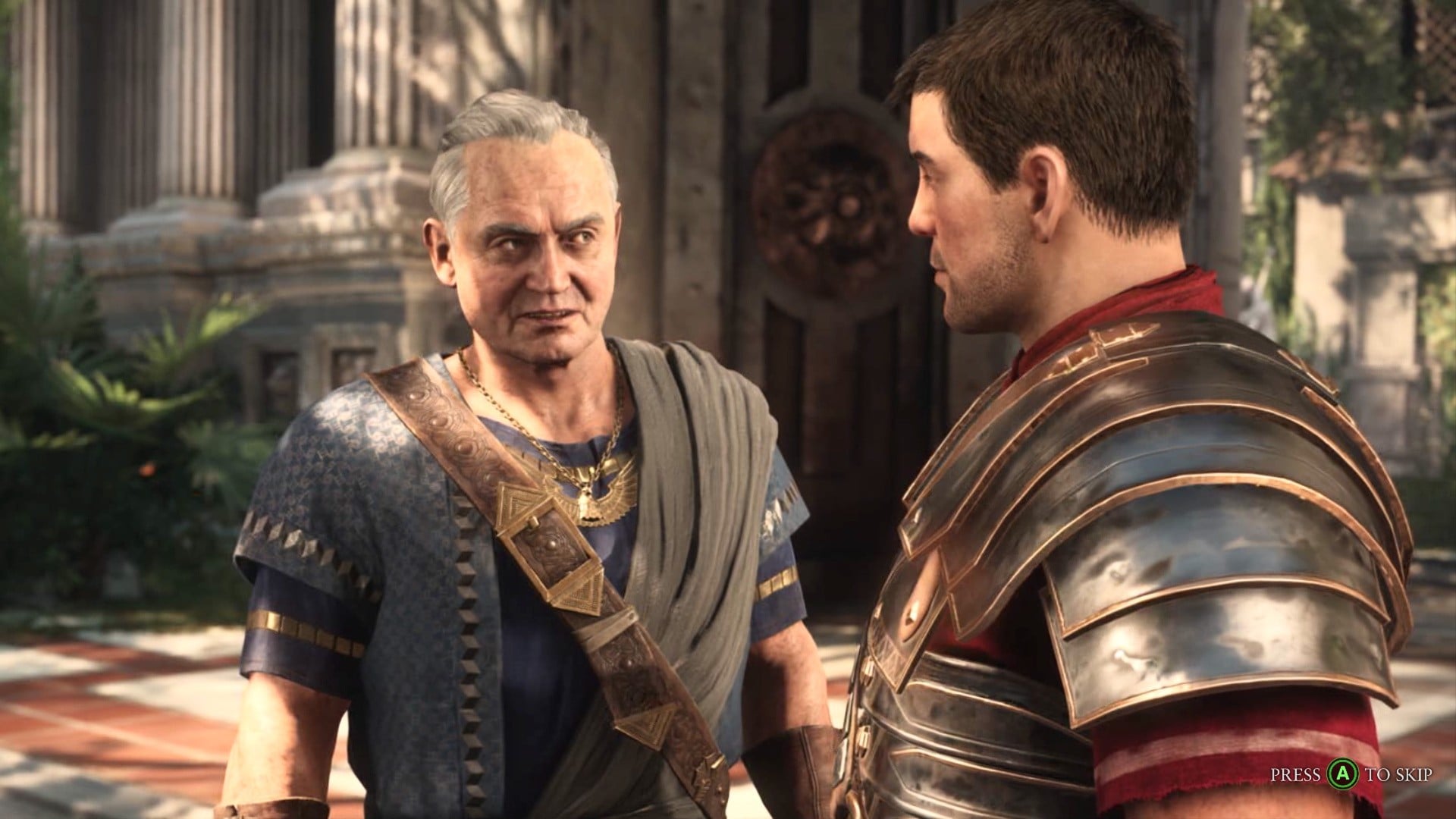
Planned technical additions for the sequel included:
- Vehicle Navigation: Integrating naval combat or chariot mechanics to break up the infantry-based action.
- Dynamic Combat Systems: Moving away from scripted QTEs toward a more fluid, physics-based combat system.
- Competitive Multiplayer: While the original featured a cooperative "Gladiator" mode, the sequel intended to introduce a full Player-vs-Player (PvP) suite.
- Expanded Customization: Deepening the RPG elements to allow players to tailor their warrior’s equipment and fighting style.
The Intellectual Property Stalemates and Crytek’s Financial Landscape
The collapse of Ryse 2 cannot be viewed in isolation from Crytek’s broader financial situation in the mid-2010s. Around 2014, the studio faced significant liquidity issues, leading to the sale of the Homefront IP to Deep Silver and the closure or rebranding of several satellite offices. During this period of instability, the value of the Ryse IP became a critical bargaining chip.
Microsoft, looking to bolster its "Xbox Game Studios" lineup, reportedly offered to fund a high-budget sequel on the condition that they acquired the full rights to the franchise. For Crytek, selling the IP would have provided an immediate cash infusion but would have stripped them of one of their most recognizable creative properties. Conversely, Microsoft was hesitant to spend hundreds of millions of dollars marketing and developing a sequel that they did not own, especially after the first game’s mixed critical reception.
Phil Spencer, the CEO of Microsoft Gaming, alluded to this complexity in 2018 when he remarked that there is "never an easy answer" as to why certain sequels fail to materialize. While Spencer expressed personal fondness for the game, the corporate reality was that the risk-to-reward ratio remained unfavorable without IP ownership.
Chronology of the Ryse Franchise
The following timeline outlines the key milestones and turning points in the history of the Ryse franchise:
- June 2010: Codename: Kingdoms is announced at E3 as a Kinect-exclusive for Xbox 360.
- June 2011: The project is rebranded as Ryse and confirmed as a third-person action game.
- November 2013: Ryse: Son of Rome launches alongside the Xbox One to high visual praise but middling reviews.
- October 2014: A PC port of the game is released, showcasing the engine’s scalability on high-end hardware.
- 2014-2015: Reports emerge of a cancelled sequel due to the IP ownership dispute between Crytek and Microsoft.
- 2018: Phil Spencer publicly acknowledges the game’s legacy but provides no concrete plans for a revival.
- 2024: Retrospective reports reveal the "Viking" and "Feudal Japan" concepts that were planned for the sequel.
The Lasting Impact and Modern Legacy
Despite the absence of a sequel, the legacy of Ryse: Son of Rome continues to influence the industry. It remains a benchmark for real-time character rendering and facial animation. The game’s "Gladiator" mode, which featured a shifting, modular arena, was a precursor to the dynamic environments now common in live-service titles.
For the gaming community, Ryse has transitioned from a "disappointing launch title" to a "hidden gem" of the Xbox ecosystem. It frequently appears in "best-looking games" lists, often outperforming titles released years later. The recent revelations regarding the planned sequel have sparked renewed interest in the franchise, with fans calling for a reboot or a "next-gen" update.
In the current climate of industry consolidation, where Microsoft has acquired major publishers like Bethesda and Activision Blizzard, some analysts suggest that the path for a Ryse revival may be clearer than it was a decade ago. However, until the fundamental hurdle of IP ownership is resolved, the story of Marius Titus remains a singular, albeit visually stunning, chapter in gaming history. The "Viking game" that almost was serves as a reminder of the delicate balance between creative ambition and corporate strategy in the world of AAA game development.