

The inaugural Marvel Rivals Creator World Championship, a highly anticipated esports tournament boasting a substantial $300,000 prize pool, concluded last weekend with a significant controversy erupting within the ranks of Team Canada. The tournament, held from June 26th to June 29th, brought together twelve elite teams from across the globe to compete in the burgeoning hero-based shooter. While Team AMER United emerged victorious, claiming the top prize of $75,000, the spotlight quickly shifted to Team Canada’s disappointing 9th-12th place finish, a result that netted them $12,000 and ignited a public dispute among its members, primarily focusing on streamer Warn.
The fallout from Team Canada’s performance has drawn considerable attention, not only for the competitive outcome but also for the interpersonal drama that unfolded in the tournament’s aftermath. This incident is the latest in a series of high-profile creator events for Marvel Rivals that have been marred by off-stage conflicts, underscoring the complexities of managing professional esports teams composed of established online personalities.
Tournament Overview and Team Canada’s Performance
The Marvel Rivals Creator World Championship was designed to showcase the game’s competitive potential and provide a platform for popular streamers and content creators to engage with the burgeoning esports scene. The tournament featured a double-elimination bracket, culminating in a grand final that determined the distribution of the significant prize pool. Twelve teams, each comprised of prominent figures from the streaming and gaming community, battled through intense matches, highlighting both individual skill and team synergy.
Team Canada entered the competition with a roster that included well-known personalities such as Félix Lengyel, widely recognized as xQc, along with aramori, Dokibird, Fanfan, Surefour, and Warn. Despite the collective talent and individual popularity of its members, Team Canada struggled to find its footing throughout the tournament. They were ultimately eliminated in the lower bracket, securing a shared 9th-12th position. This placement, while financially rewarding to some extent, fell far short of the expectations for a team featuring such prominent figures.
The competitive landscape of Marvel Rivals is characterized by its dynamic hero-switching mechanics, requiring players to adapt their strategies on the fly and communicate effectively to counter opposing team compositions. The ability to master multiple heroes and understand team-based synergies is paramount for success at the highest levels of play. Team Canada’s inability to translate their individual skills into consistent team performance became a central point of contention following their elimination.
The Spark of Controversy: Warn’s Statements and Teammates’ Rebuttals
The core of the controversy emerged from statements made by streamer Warn shortly after Team Canada’s elimination. A clip circulating on social media appeared to capture Warn attributing the team’s losses to the performance of his teammates FanFan, Dokibird, and aramori, while simultaneously crediting their past victories solely to himself and xQc. This selective attribution of success and failure immediately drew criticism from both the wider Marvel Rivals community and his own teammates.
Warn later attempted to contextualize his remarks, asserting that the clip was taken out of context and that his comments were not based on gender. However, this explanation did little to quell the growing dissent. The narrative of blame quickly began to focus on Warn’s perceived lack of accountability and his public deflection of responsibility.
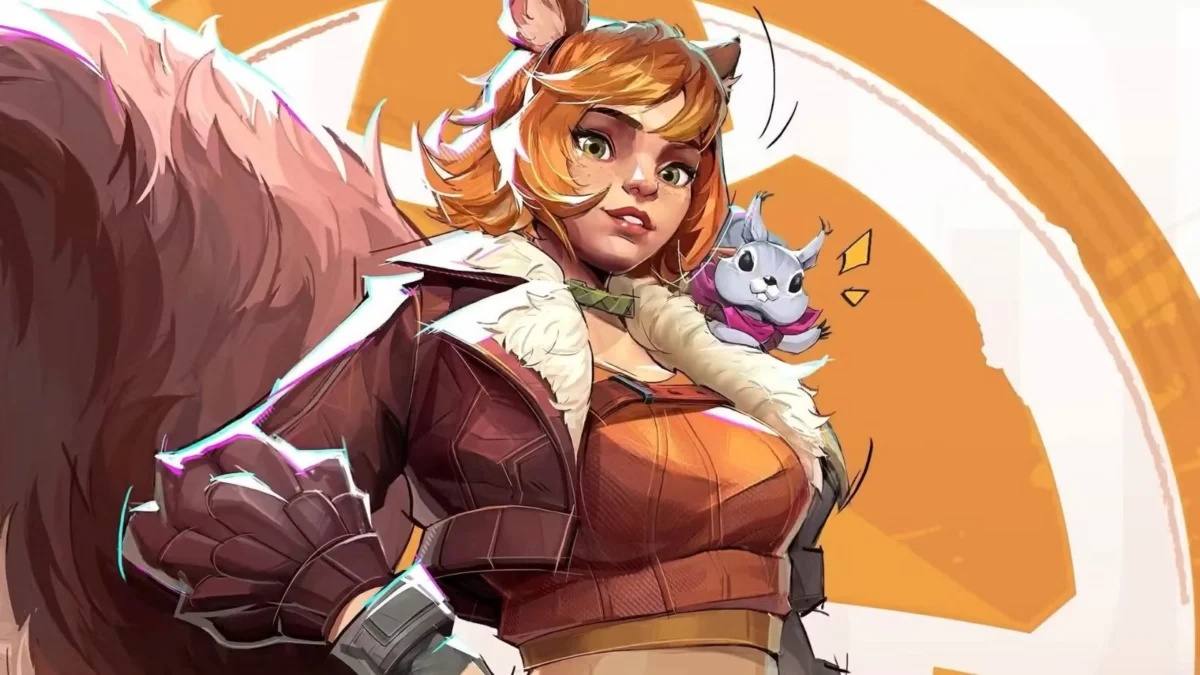
The team’s captain, aramori, was particularly vocal in refuting Warn’s account. In a series of posts on X (formerly Twitter), she expressed her frustration with Warn’s post-tournament statements, stating her unwillingness to allow him to portray himself as a victim. Aramori directly addressed the issue of hero selection, a critical element in Marvel Rivals. She pointedly mentioned Warn’s consistent preference for playing Squirrel Girl, suggesting it became a detriment to the team’s strategy.
"My bad next time I’ll tell you it’s not your fault for picking Squirrel Girl over and over," aramori stated on X, directly challenging Warn’s assertions and highlighting a potential strategic misstep that may have contributed to their losses. This specific criticism indicated a breakdown in team cohesion and strategic alignment, where individual hero choices were perceived as detrimental by other team members.
The "Zazzastack" Precedent and Community Reaction
Aramori’s critique of Warn’s behavior also drew a parallel to a previous incident within the Marvel Rivals creator community, often referred to as the "Zazzastack incident." Earlier in the year, a player named Kingsman265 was involved in a similar controversy during a $40,000 creator tournament. In that instance, Kingsman265 allegedly refused to switch off the hero Black Widow, a decision that was widely criticized for hindering his team’s momentum and ultimately contributing to their defeat.
By invoking the Zazzastack incident, aramori was drawing attention to the perceived disparity in how Warn’s actions were being received by the community compared to Kingsman265’s. She implied that Warn was receiving comparatively lenient treatment for a similar, if not more significant, offense, given the much larger prize pool of the Creator World Championship.
"I GOT ZAZZA’D IN A TOURNAMENT 10X THE PRIZE POOL AS BASIM," aramori exclaimed on X, directly referencing the Zazzastack incident and emphasizing the magnitude of the current tournament. She further elaborated, "BRO OMG KINGSMAN WAS SO MUCH MEANER AND GOT A BAJILLION FOLLOWERS." This comparison served to highlight her belief that the community’s reaction to Kingsman265’s inflexibility was far more severe than the current response to Warn’s alleged strategic shortcomings. The implication was that a more robust public outcry was warranted, given the stakes and the similarity of the alleged offenses.
The community’s reaction to the Zazzastack incident was indeed swift and largely condemnatory, leading to significant backlash against Kingsman265. Aramori’s statement suggested that the public was not applying the same level of scrutiny to Warn’s actions, despite the larger financial stakes involved in the Creator World Championship. This comparison effectively framed the current situation as a test of the community’s consistency in addressing player behavior and strategic integrity in creator-driven esports events.
Statistical Analysis and Counterarguments
Warn, in his defense, pushed back against the notion that a single player’s hero choice was the sole reason for Team Canada’s downfall. He argued that the loss was a collective failure, emphasizing that multiple factors contributed to their poor performance. To support his point, he alluded to team statistics that painted a broader picture of underperformance across various roles.
While specific official statistics for every player’s performance in every match are not readily available, data points shared by Warn and corroborated by other sources suggest a mixed performance across the team. Reports indicated that xQc, a prominent tank player, had a 2-6 win-loss record on tank heroes. Aramori herself had a 3-5 record playing Jeff, while FanFan registered a 1-4 record and Dokibird a 2-4 record. These figures suggest that while individual hero choices might have been a point of contention, other players also experienced significant struggles in their respective roles.
Warn’s counterargument was that singling out one player, or one specific hero choice, was an oversimplification of a complex team dynamic. He suggested that a lack of overall coordination, strategic misplays by multiple members, and perhaps even external pressures contributed to their eventual elimination. This perspective positions the situation not as a singular act of defiance by one player, but as a systemic issue affecting the entire team’s performance.
The debate over hero swapping and strategic inflexibility in Marvel Rivals is a recurring theme in creator-focused tournaments. The game’s design inherently encourages adaptability, and players who rigidly adhere to a single hero or strategy can become liabilities if the meta or the opposition’s composition shifts. The Zazzastack incident and the current Team Canada drama highlight the tension between individual player preferences and the collective needs of a competitive team.
Broader Implications for Marvel Rivals Esports and Creator Events
The controversies surrounding Marvel Rivals creator events, including the Team Canada incident, have several broader implications for the game’s burgeoning esports scene and the broader landscape of creator-driven competitions.
Firstly, these events underscore the challenge of balancing entertainment value with competitive integrity. Creator events are often designed to leverage the existing popularity of streamers, attracting a wider audience. However, this can sometimes lead to situations where individual personalities or perceived entertainment value take precedence over rigorous competitive play. The tension between these two elements can result in friction, as seen with Warn’s comments and aramori’s response.
Secondly, these incidents highlight the need for clearer guidelines and expectations within creator tournament structures. While flexibility is often desired, a lack of defined rules regarding team roles, strategic cooperation, and player conduct can lead to disputes. The Zazzastack incident and the current controversy suggest that the community is developing its own informal standards of behavior, but formal structures might be necessary to prevent future conflicts.
Thirdly, the public nature of these disputes can significantly impact the reputation of both the individuals involved and the game itself. While some level of online debate is expected, prolonged and acrimonious exchanges can deter potential players and viewers from engaging with Marvel Rivals’ competitive ecosystem. The goal for developers and organizers will be to foster a healthy competitive environment that encourages both skilled play and positive community interaction.
The past performance of creator tournaments, including the $40,000 event where Kingsman265 faced backlash, suggests that the community is becoming more discerning in its evaluation of player conduct. While Kingsman265 ultimately found financial success on Twitch following his removal from the tournament, the initial controversy set a precedent for how such situations might be judged. The current situation with Team Canada will likely be analyzed through a similar lens, with the community weighing the impact of individual actions on team performance and the integrity of the competition.
As Marvel Rivals continues to evolve, the management of its creator-based esports events will be crucial. Striking a balance between capitalizing on the charisma of popular streamers and ensuring a level playing field for genuine competition will be key to its long-term success. The drama surrounding Team Canada’s exit from the Creator World Championship serves as a valuable, albeit contentious, case study in navigating these complexities. The outcome of such events, both on and off the virtual battlefield, will shape the perception and trajectory of Marvel Rivals as a competitive title.