


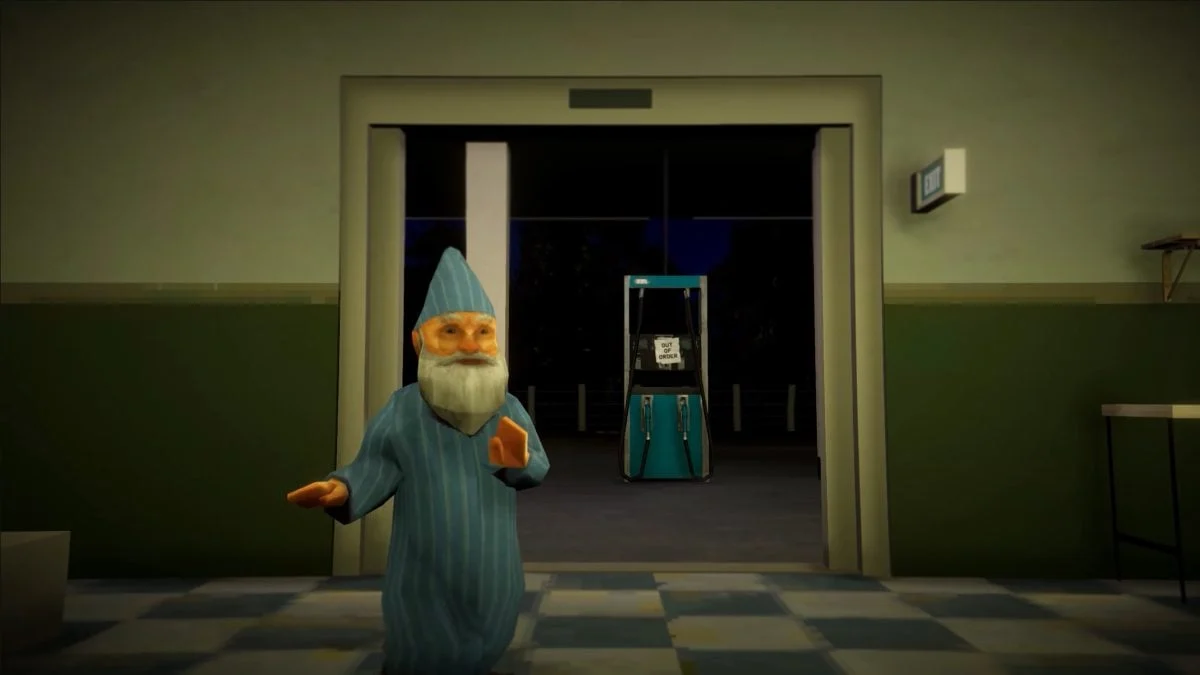
In the surreal landscape of Shift at Midnight, players are thrust into a desperate fight for survival, battling doppelgangers and grotesque entities while meticulously maintaining a store’s pristine condition. This demanding night shift, however, is not merely about the immediate threat of the unknown, but a race against time and escalating financial strain to secure life-saving medical treatment for a beloved pet. While the presence of doppelgangers, otherworldly monsters, and a bizarre arsenal comprising bear traps, wooden planks, and grenades paints a vivid picture of the game’s fantastical elements, the most jarring and perhaps most relatable challenge lies in the game’s seemingly insurmountable medical bills. This detailed guide delves into the intricacies of achieving every possible ending within Shift at Midnight, a simulation that, for many, eerily echoes the relentless demands of a career in retail.
The game’s narrative unfolds over a series of 13 intense shifts, each presenting unique challenges and demanding a careful balance between immediate survival and long-term financial planning. The ultimate outcome of the player’s journey is determined by a critical decision made in the endgame, intricately linked to the player’s accumulated wealth throughout their nocturnal employment. This personal fund is distinct from the store’s revenue, which can be strategically allocated towards essential upgrades and the acquisition of tools and weaponry necessary for confronting the game’s myriad threats.
Earning Your Way to Survival: The Daily Grind
Each completed shift in Shift at Midnight rewards the player with a modest daily wage of $10. This base income is augmented by a performance-based bonus: a 10 percent cut of the store’s revenue, contingent upon exceeding the day’s sales quota. This dual income stream forms the backbone of the player’s financial strategy, as it directly contributes to the escalating costs associated with their pet’s medical care. A significant warning regarding the pet’s impending need for surgery is delivered after the tenth shift, underscoring the urgency of accumulating sufficient funds.
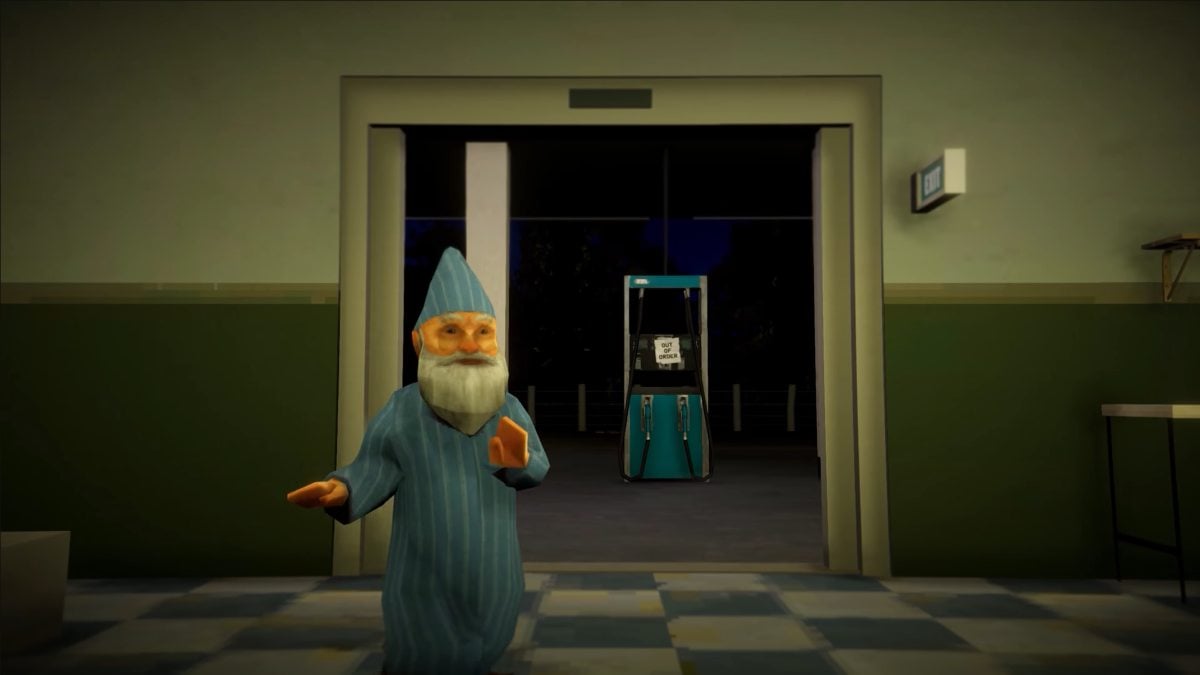
The accumulation of wealth serves a dual purpose. Firstly, consistent payment for ongoing medical treatments ensures the pet’s continued presence and assistance during subsequent shifts. This is particularly invaluable for solo players, offering crucial support in managing the store and fending off threats. However, a strategic caution is advised: an overreliance on using personal funds for the pet’s day-to-day care can inadvertently deplete the necessary reserves for the critical surgery on night 13. This delicate balancing act is central to navigating the game’s complex narrative and achieving favorable outcomes.
Unraveling the Endings: A Multifaceted Conclusion
Shift at Midnight offers a compelling branching narrative, with three distinct endings determined by a player’s financial success and their interaction with a key non-player character, Sheriff Clyde, during the game’s climactic stages. The core objective for achieving the most desirable outcomes is to amass $250 by the thirteenth night, a sum designated for the pet’s life-saving surgery.
The "Grave Decision" Ending
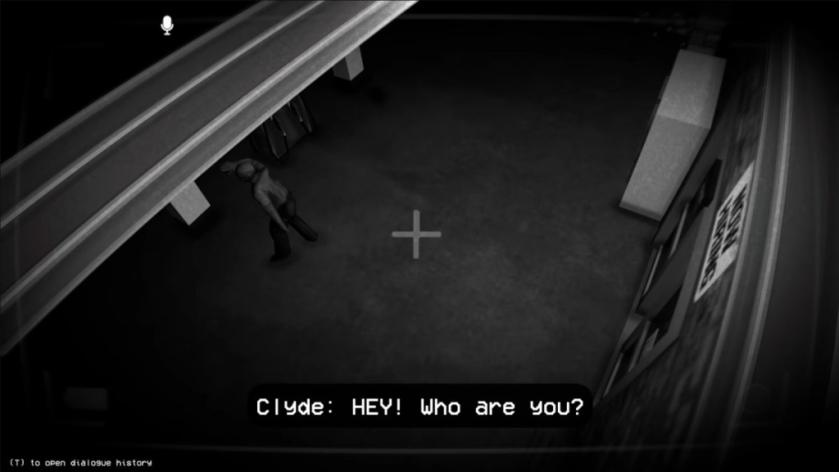
The "Grave Decision" ending is initiated on the twelfth night, following the completion of the shift. Players are presented with a pivotal choice: to contact Sheriff Clyde. This option becomes particularly relevant if the player foresees an inability to meet the $250 financial target for the pet’s surgery. Opting to call Sheriff Clyde, in this scenario, brings him to the store. Tragically, his intervention comes at the ultimate cost, as he succumbs to the dangers lurking within the store. However, his sacrifice ensures that the pet receives the necessary surgery and survives, albeit under somber circumstances. This ending highlights the theme of sacrifice and the harsh realities of the game’s perilous environment, where even law enforcement is not immune to its dangers. The financial burden of the surgery is effectively transferred, but the player is left to grapple with the moral implications of Clyde’s demise.
The "Empty Home" Ending
The "Empty Home" ending represents a more tragic outcome, stemming from a failure to meet the financial requirements for the pet’s surgery and a conscious decision to avoid involving Sheriff Clyde. To achieve this ending, the player must refrain from contacting Clyde on the twelfth night and concurrently fail to accumulate the $250 needed for the surgery. In this scenario, Sheriff Clyde remains safe, as he is not drawn into the perilous environment of the store. However, the pet, deprived of the critical medical intervention, does not survive. This ending serves as a stark reminder of the game’s unforgiving nature and the consequences of financial hardship and difficult choices. The player is left with a sense of profound loss, the store’s survival overshadowed by the absence of their loyal companion.
The "True Ending"
The "True Ending" is the most sought-after conclusion, achieved through a combination of financial success and responsible decision-making. To unlock this outcome, players must prioritize amassing the required $250 by night 13 to cover the pet’s surgery. Crucially, to ensure Sheriff Clyde’s survival, players must refrain from calling him on the twelfth night. This allows Clyde to remain safely outside the immediate danger zone.
Following the path to the "True Ending" necessitates a strong focus on operational excellence within the store. This involves not only surviving the nightly onslaught of entities but also excelling in the fundamental duties of a store manager. Keeping the store impeccably clean, diligently restocking shelves, and enhancing the store’s aesthetic through thoughtful decoration are paramount. Furthermore, players are encouraged to actively pursue and complete requests from the Store Manager. These often involve tasks such as apprehending shoplifters or clearing out the overgrown forest area behind the store, which can yield significant bonuses.
The financial target of $250 must be met by the end of the thirteenth shift, ensuring the pet’s surgery can proceed. A critical gameplay element to be mindful of is the penalty for unnecessary violence. Shooting innocent humans, or even those perceived as threats without proper justification, results in a deduction from the player’s shift pay. This mechanic underscores the importance of strategic engagement and resource management, emphasizing that not all problems can be solved with brute force. Each shift presents an opportunity to optimize earnings through efficient task completion and prudent resource allocation.
Achieving the "True Ending" results in the survival of both Sheriff Clyde and the player’s pet, offering the most fulfilling conclusion to the game. A vital detail for players aiming for this ending is to avoid accidentally harming Sheriff Clyde during his potential visit, should they have made a decision to call him in a prior playthrough or a different save file. Such an accidental fatality would preclude the possibility of engaging with him in subsequent attempts to achieve the "True Ending." This intricate dependency highlights the game’s design, where past actions and player choices can have lasting repercussions on future gameplay and narrative possibilities.
Broader Implications and Player Reactions
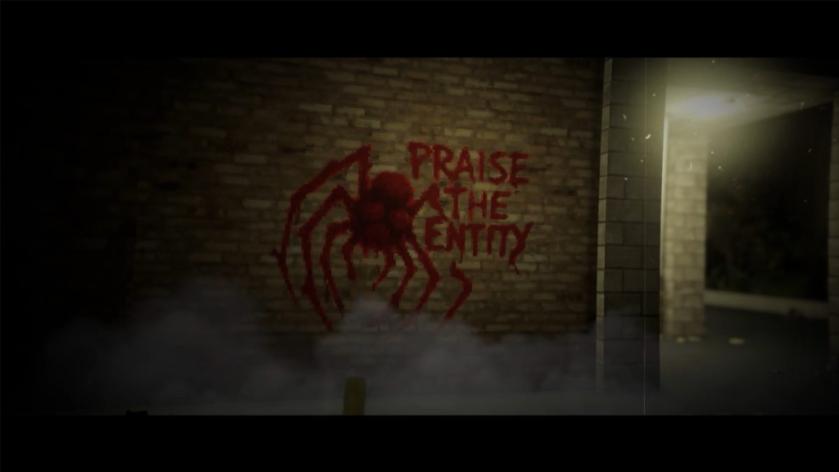
The narrative framework of Shift at Midnight, with its blend of existential horror and relatable financial pressures, has resonated with a segment of the gaming community. Comparisons to other retail-themed survival horror titles, such as HELLMART, are frequently drawn, suggesting a growing genre that explores the anxieties of mundane employment through a supernatural lens. The game’s developers, Bun Muen, have seemingly tapped into a vein of player experience, translating the often-overlooked stresses of service industry work into a high-stakes, engaging gameplay loop.
The game’s mechanics, particularly the dual focus on survival against supernatural threats and the relentless pursuit of income, have sparked discussions among players about the nature of sacrifice and the definition of success. The pet’s well-being serves as a powerful emotional anchor, driving players to extraordinary lengths. This narrative device has been lauded for its effectiveness in creating player investment and fostering a sense of urgency.
Analysis of the game’s design suggests a deliberate attempt to mirror the cyclical nature of financial struggles. The daily wage, the need for upgrades, and the looming large expense of the surgery create a constant pressure that many players find both challenging and rewarding. The inclusion of multiple endings, each with its own set of consequences, encourages replayability and a deeper exploration of the game’s underlying themes. The "True Ending," in particular, emphasizes a balanced approach – prioritizing financial stability without resorting to extreme violence or compromising the safety of others. This nuanced conclusion offers a sense of earned reward, validating the player’s strategic acumen and ethical considerations.
The game’s success can be attributed to its ability to blend disparate genres into a cohesive and compelling experience. The survival horror elements provide the thrill and suspense, while the simulation aspects ground the gameplay in a sense of familiar struggle. The narrative, driven by the player’s personal quest to save their pet, adds an emotional layer that elevates Shift at Midnight beyond a mere genre exercise. As players continue to navigate the treacherous aisles and confront the entities that lurk in the shadows, the ultimate goal remains clear: to secure a future for their companion, one grueling shift at a time.