


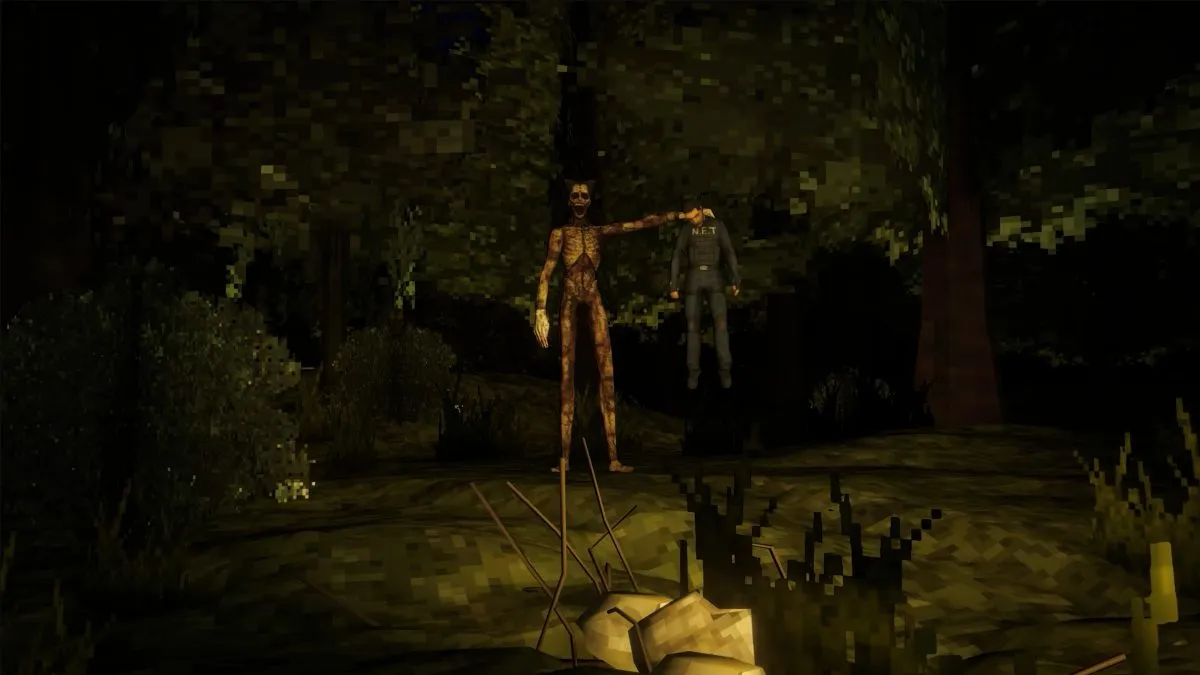
The unsettling reality of doppelgangers lurking within the confines of Shift at Midnight presents a paramount challenge for players, demanding a keen eye for detail and swift, decisive action. This guide delves into the critical aspects of identifying these insidious impostors and understanding the terrifying entities that emerge from failed encounters, offering a comprehensive overview for survival in this perilous digital world. The stakes are exceptionally high, as the failure to identify and neutralize doppelgangers directly contributes to the escalating threat posed by supernatural entities that infiltrate the player’s workplace.
The Unseen Threat: Identifying Doppelgangers
The core mechanic of Shift at Midnight revolves around the player’s role as an employee tasked with screening individuals attempting to enter a facility. Among these individuals, doppelgangers pose the most immediate and deceptive danger. Identifying them is not merely a matter of visual inspection; it requires a meticulous examination of provided documentation and a keen sense of observation for subtle, and sometimes not-so-subtle, inconsistencies.
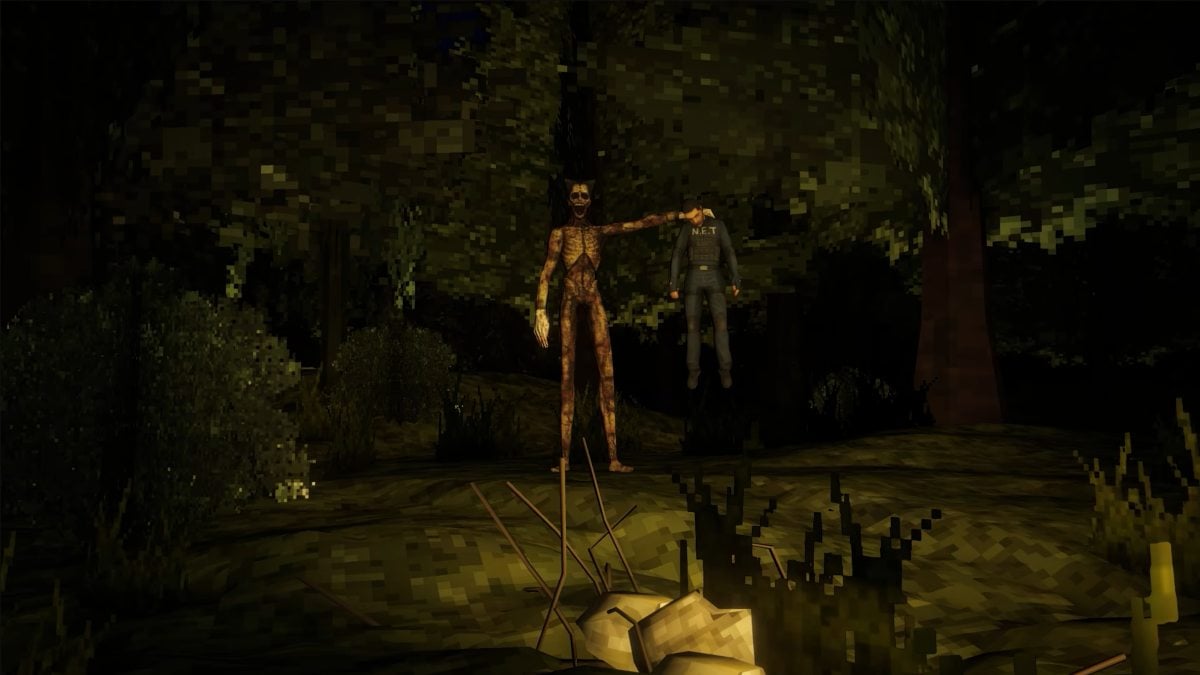
Initial alerts often manifest in overt ways, described by players as “telltale signs.” These can range from the bizarrely conspicuous, such as a person exhibiting animalistic behavior or appearing without appropriate attire, to more directly alarming indicators. The most critical of these are discrepancies between the individual’s appearance and the identification presented. A doppelganger might possess a distinctly different skin tone than what is documented on their ID, a clear red flag for suspicion. Even more chilling is the definitive confirmation that the individual presented is, in fact, deceased, as indicated by official records.
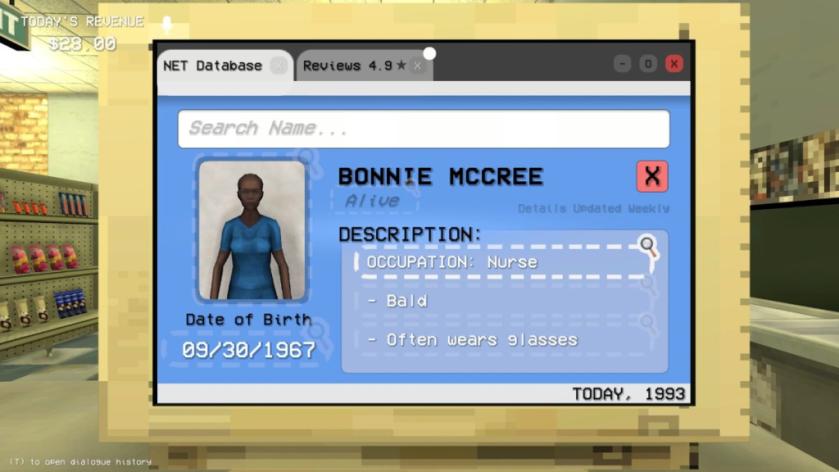
To combat these threats, players are equipped with a system for verifying customer identities. This involves scrutinizing key personal details such as date of birth (DOB), occupation, and physical descriptors. Crucially, the legitimacy of identification documents must be assessed. This includes checking for the presence of essential security features like barcodes, which are absent on forged or fraudulent documents. Players are also encouraged to utilize the available computer systems to run passports or driving licenses through verification protocols. This is particularly relevant in scenarios where individuals may resist surrendering their identification, a common tactic employed by those seeking to bypass scrutiny.
Beyond these overt clues, Shift at Midnight incorporates more nuanced indicators, echoing the gameplay mechanics of titles like That’s Not My Neighbor. These subtle differences can include minor alterations in physical appearance, such as a scar being present on the opposite side of the face compared to the individual’s identification. Inconsistencies in customer statements also serve as a vital diagnostic tool. By engaging with individuals and questioning their personal details, players can uncover contradictions. A doppelganger might inadvertently make incorrect claims about their occupation or physical attributes that directly conflict with the information provided on their identification.
The consequences of failing to identify a doppelganger are severe and far-reaching. The game’s lore suggests that any doppelganger allowed to pass will inevitably return, not as a mere impostor, but as a fully realized entity. Furthermore, their presence strengthens other monstrous entities that may visit the facility after the player’s shift concludes. This dynamic underscores the importance of vigilance; each shift presents a new roster of potential threats, with the identities and statuses of doppelgangers fluctuating unpredictably due to the game’s randomly generated nature. Survivors of previous shifts, whether human or doppelganger, can reappear the following day, their true nature potentially having undergone a significant and dangerous transformation.
The Escalation of Horror: Understanding the Entities
As the night progresses, the spectral threats escalate beyond the realm of mere imitation. Entities, a more potent and dangerous class of adversaries, can manifest at any point during a shift, or even during the perilous post-shift period. The game features a diverse array of these supernatural beings, each with unique characteristics and requiring specific counter-strategies for survival.
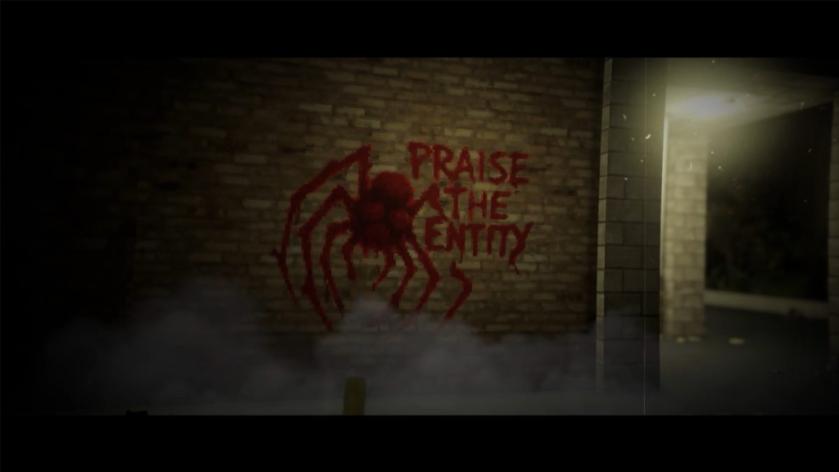
The primary antagonist, known simply as "The Entity," is a formidable spider-like creature. This entity typically spawns during periods of intense threat, such as a hunt or a Blood Moon. Its presence is further amplified if doppelgangers are allowed to escape the facility, leading to the potential appearance of its variants. Beyond The Entity, players must remain aware of five other distinct monster types:
- Shrieking Doll: A diminutive entity that navigates the environment by crawling along the floor. Its small size and erratic movements make it a challenging target. Recommended countermeasures include the use of traps and close-quarters melee weapons.
- Demented: This entity is characterized by its elongated limbs and terrifying speed, particularly when not directly observed. Its behavior is analogous to that of the Coil Head in Lethal Company or SCP-173 in SCP: Containment Breach. The key to surviving an encounter with the Demented is to maintain direct eye contact; looking away allows it to close the distance with alarming celerity. This mechanic can be exploited to lure it into prepared traps.
- Marionette: A cloaked figure that possesses the ability to float. The primary method of dealing with the Marionette involves locating and activating a music box found on the shop floor. This must be done before the music box completes its third cycle. Failure to do so will result in the Marionette’s hostile manifestation.
- The Dentist: This entity bears a striking resemblance to the corpse that sometimes appears in the break room. Its hunting grounds include the surrounding forest and the bus area at the end of a shift. Direct confrontation is ill-advised. Survival hinges on evasion: players are advised to run, avoid using open microphones which can reveal their location, and not to look back until the entity ceases its pursuit.
- Camouflage: As its name suggests, this entity possesses the ability to blend seamlessly with its surroundings, specifically the walls within the stockroom. While it can deliver a startling jumpscare upon discovery, it does not inflict physical damage. The recommended method for its disposal involves shooting or striking the entity.
The Shadow of the Blood Moon

The advent of a Blood Moon signifies a critical escalation in the game’s danger level. During a Blood Moon, the spawning of entities is guaranteed, particularly after the player’s shift concludes. Venturing outside the facility during such periods is almost certain to trigger one of these terrifying encounters. Each entity adheres to specific behavioral patterns, and understanding these rules is paramount for survival. The game provides on-screen instructions that are vital for navigating these events. Players are strongly advised to meticulously read any notes left on the counter and to review in-game emails for new entity entries prior to commencing a shift. This proactive approach can provide crucial intelligence regarding the specific threats that may be encountered.
Confronting the Transformed: Doppelgangers as Entities
The most harrowing aspect of Shift at Midnight is the direct consequence of failing to neutralize doppelgangers. If an impostor is not apprehended during a shift, they will invariably return once the player begins to secure the premises at the end of their work. In this transformed state, they become a formidable monster variant.
Upon the realization that a doppelganger has become an entity, players are granted a brief window of approximately 60 seconds to prepare. This crucial preparation phase involves arming oneself, reinforcing the facility’s entrances, and strategically placing traps. It is recommended to deploy traps at all three primary entrances and to reinforce them by nailing wooden planks with the designated action key (‘E’). Once this preparation window closes, the entities will begin to spawn. The initial strategy during this onslaught is to seek refuge and hide until the Weapons Arsenal is unlocked, providing the necessary firepower to defend oneself.
Hiding spots are limited, primarily consisting of ventilation shafts located within the stockroom and the main shop area. However, these sanctuaries are not permanent. A grotesque mass, described as resembling innards, will descend through the ventilation shafts, inflicting damage and forcing the player back into the open.
The player’s awareness of the entity’s presence is managed through a "patience bar" displayed at the top of the screen. This bar functions as a health indicator for The Entity and simultaneously serves as a timer, indicating how long it will actively search for the player. An "eye" icon on the screen will fill as the player enters The Entity’s line of sight. If this eye turns red, it signifies that the entity is actively pursuing the player. This pursuit can be evaded by quickly seeking cover and breaking line of sight, which resets the meter. Auditory cues are equally critical; excessive noise, whether from the player’s microphone or in-game character movements, will alert The Entity to their location.
The Weapons Arsenal typically becomes accessible once the player has progressed halfway through the patience bar. While firearms are capable of dealing damage, their effectiveness against these entities is often described as minimal. For enhanced offensive capabilities, players can utilize the EMERGENCY WEAPONS ARSENAL, provided they have pre-purchased these upgrades via the in-game computer. This is particularly vital when multiple entities spawn simultaneously, a common occurrence if doppelgangers were allowed to escape during the player’s shift.
It is important to note that even when the patience bar depletes, whether through successful evasion or direct engagement, The Entity does not typically die. Instead, it will retreat, vowing to return on another night. The severity of subsequent encounters is directly proportional to the player’s performance. Entities are known to return with increased strength and resilience if the player has failed to adequately deal with doppelgangers during their shifts, creating a perpetual cycle of escalating horror and survival challenges. The strategic depth of Shift at Midnight lies not only in immediate threat mitigation but also in long-term planning to prevent the strengthening of these otherworldly dangers.