


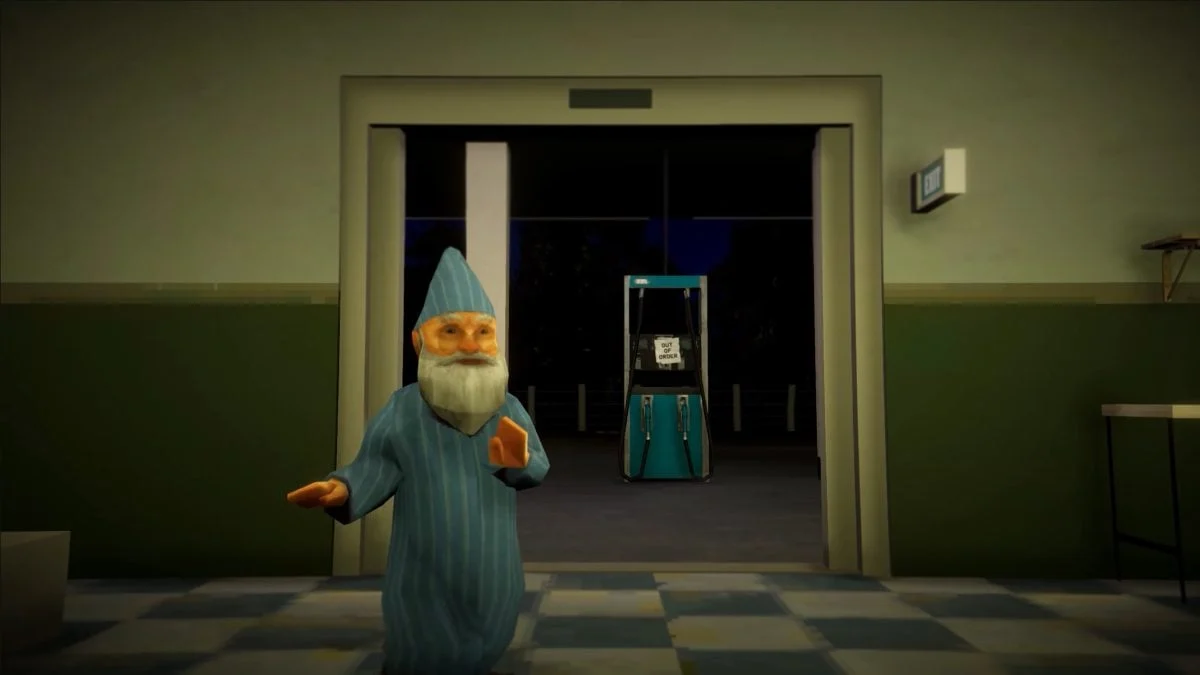
The dimly lit aisles of a 24-hour supermarket become a battleground in the indie horror simulator Shift at Midnight. Players are thrust into the role of an employee facing a nightly gauntlet of doppelgangers, grotesque entities, and the relentless pressure of maintaining a pristine store. Yet, amidst the supernatural chaos and the surprisingly realistic retail grind, the most daunting challenge—and the key to unlocking the game’s various endings—lies in the exorbitant medical bills for a beloved pet. This guide delves into the mechanics and narrative choices that determine the fate of both the player’s companion and Sheriff Clyde, offering a comprehensive look at achieving the most desirable outcomes within the game’s 13-shift structure.
The Unrealistic Reality of Retail and Medical Emergencies
Shift at Midnight presents a stark, albeit exaggerated, portrayal of the retail industry. Players are tasked with a myriad of duties, from stocking shelves and cleaning spills to confronting otherworldly threats. The daily wage of $10, coupled with a 10% commission on store revenue exceeding a set quota, forms the player’s primary income stream. This modest earning potential stands in stark contrast to the escalating veterinary costs for a pet suffering from a serious, undisclosed ailment. The game’s narrative explicitly warns players after the tenth shift that their pet requires surgery, setting in motion a ticking clock and a financial hurdle that defines the endgame.
The game’s developers, Bun Muen, have crafted a scenario where the mundane realities of pet ownership—specifically, the often astronomical costs associated with veterinary care—become the central antagonist. This narrative choice resonates with players who have experienced similar financial strains, amplifying the game’s sense of urgency and emotional investment. The juxtaposition of fighting monstrous entities with the pragmatic need to earn money for medical treatment creates a unique, and at times darkly humorous, gameplay loop.
A Chronology of Choices: Unlocking the Endings
The game’s 13-shift structure provides a clear timeline for players to manage their finances and make critical decisions. The ultimate endings are dictated by a singular, pivotal choice made on the twelfth night, combined with the player’s accumulated wealth.
Night 1-10: The Foundation of Survival and Savings
During the initial ten shifts, players must balance the immediate threats within the store with the long-term goal of accumulating funds for the pet’s surgery. Efficiently managing tasks, such as cleaning, restocking, and dealing with customer issues, directly impacts store revenue and, consequently, the player’s earnings. Upgrades and tools, including bear traps, wooden planks, and grenades, can be purchased to aid in combat and store maintenance. However, strategic spending is crucial; every dollar saved is a dollar closer to ensuring the pet’s survival.
Night 12: The Crossroads
Upon completing the twelfth shift, players are presented with a critical decision: to contact Sheriff Clyde. This choice branches the narrative significantly, leading to distinct outcomes. The decision hinges on the player’s financial standing. If the player has not accumulated the necessary $250 for the pet’s surgery, calling Clyde becomes a desperate measure.
The Three Paths to Resolution
Shift at Midnight offers three distinct endings, each reflecting the player’s choices and financial success.
Grave Decision
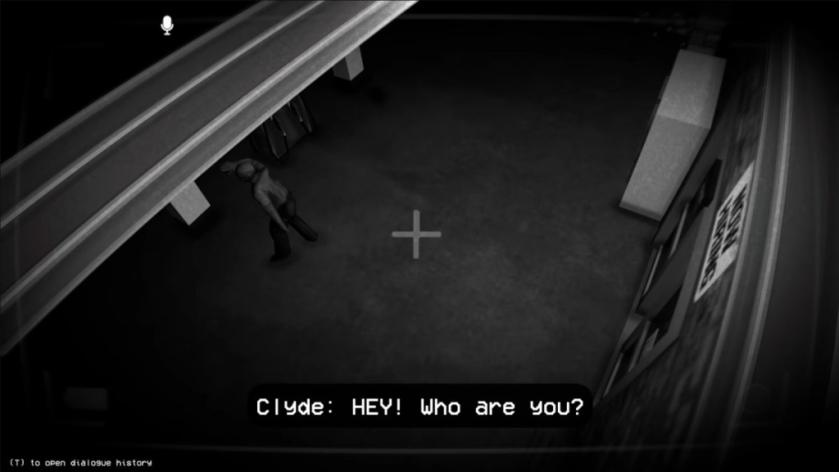
This ending is triggered if the player chooses to call Sheriff Clyde on the twelfth night, acknowledging their inability to afford the pet’s surgery. In this scenario, Clyde intervenes, risking his own life to ensure the pet receives the necessary medical attention. The narrative depicts Clyde’s sacrifice, with the surgery being covered as a consequence of his intervention. While the pet survives, the player is left with the somber realization of the Sheriff’s fate. This outcome highlights a grim utilitarian choice: one life (Clyde’s) is exchanged for another (the pet’s), with the underlying financial crisis being resolved through a tragic act of heroism. The game’s depiction of this choice serves as a narrative device to explore themes of sacrifice and the harsh realities that can arise when financial constraints intersect with life-or-death situations.
Empty Home
The "Empty Home" ending is achieved by not calling Sheriff Clyde on the twelfth night and failing to amass the $250 required for the pet’s surgery. In this path, Clyde remains safe, as he is not called to the store and therefore does not face any danger. However, without the necessary funds, the pet does not receive the surgery and its fate is left to the harsh consequences of the player’s financial shortfall. This ending represents a failure to meet the primary objective, resulting in the loss of the pet. It underscores the direct correlation between financial preparedness and the preservation of the player’s cherished companion. The narrative consequence is a solitary existence, emphasizing the player’s inability to overcome the game’s central financial challenge.
True Ending
To achieve the "True Ending," players must refrain from calling Sheriff Clyde on the twelfth night, thereby ensuring his safety. This path requires the player to have successfully accumulated the $250 by the thirteenth night to cover the pet’s surgery. Achieving this financial milestone necessitates a high level of efficiency and strategic gameplay throughout the 13 shifts.
The gameplay loop leading to the True Ending involves more than just financial accumulation. Players are encouraged to actively engage with all aspects of the store’s operations. This includes maintaining a spotless environment, diligently restocking shelves, and strategically decorating the shop floor to enhance customer satisfaction. Furthermore, completing the Store Manager’s requests, which may involve tasks like apprehending shoplifters or clearing out neglected areas of the store, provides valuable bonuses that contribute to the player’s income.
A crucial element of maximizing earnings, as highlighted in the game’s mechanics, is avoiding actions that incur penalties. Specifically, shooting or harming human customers results in a deduction from the player’s pay at the end of each shift. Therefore, a careful and measured approach to customer interactions, even in the face of doppelganger threats, is paramount. The game implicitly suggests a sophisticated understanding of risk management and resource allocation is required to succeed.
By successfully navigating these challenges, players ensure the survival of both Clyde and their pet, unlocking the most positive outcome in Shift at Midnight. This ending signifies a mastery of the game’s mechanics and a successful balancing of personal responsibility, combat survival, and the often-unseen financial burdens that can accompany life’s most cherished relationships.
Supporting Data and Gameplay Mechanics
The financial system in Shift at Midnight is designed to create a tangible sense of struggle. The $10 daily wage, while a baseline, is insufficient on its own to cover the $250 surgery cost within the 13-day timeframe. This necessitates players exceeding daily quotas to earn the crucial 10% revenue share. For instance, if a store’s daily quota is $100, a player who helps generate $150 in revenue would earn an additional $5 on top of their base wage, totaling $15 for that shift. Over 13 shifts, even with consistent quota exceeding, achieving $250 requires significant effort and efficient gameplay.
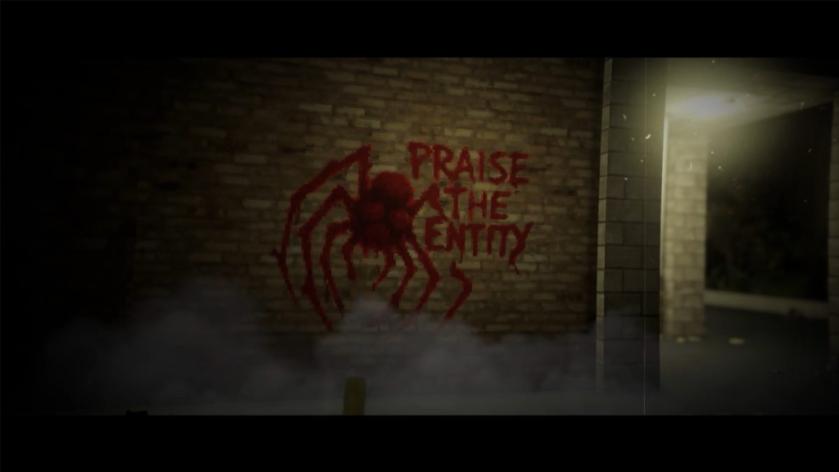
The game’s mechanics also suggest a direct correlation between store performance and player earnings. A well-maintained store with satisfied customers is likely to generate higher revenue. This encourages players to engage with the simulation aspects of the game, rather than solely focusing on combat. The introduction of "fake humans" and "grotesque monsters" adds a layer of survival horror, but the core progression relies on the mundane tasks of retail management. This unique blend of genres creates a compelling narrative tension.
Analysis of Implications and Broader Impact
Shift at Midnight uses its gameplay mechanics to comment on societal issues, particularly the financial strain of healthcare and pet care. The astronomical cost of veterinary surgery, often cited in real-world scenarios, is presented as an insurmountable obstacle for the player, forcing difficult ethical and emotional decisions. The game’s narrative, by placing these financial burdens within a supernatural horror context, amplifies the player’s sense of dread and urgency.
The comparison made by the reviewer to "four years in retail" suggests a deliberate effort by the developers to imbue the game with a sense of authenticity regarding the drudgery and financial precarity often associated with such employment. The inclusion of the "Store Manager’s requests" and the penalty system for harming customers further reinforces the idea that the game is not just about fighting monsters, but about navigating the complex, often unforgiving, systems of modern employment and responsibility.
The "True Ending" represents not just a victory over supernatural threats, but a triumph over systemic financial challenges. It signifies a player who has mastered not only the combat but also the economic simulation, demonstrating that resourcefulness, diligence, and strategic planning can overcome even the most daunting obstacles, both in-game and potentially in real life. The survival of both Clyde and the pet in this ending serves as a powerful metaphor for achieving a balanced and positive outcome through dedicated effort and responsible decision-making. The game’s success in weaving these themes into a compelling horror experience highlights the potential for interactive media to explore complex societal issues in engaging and thought-provoking ways.