


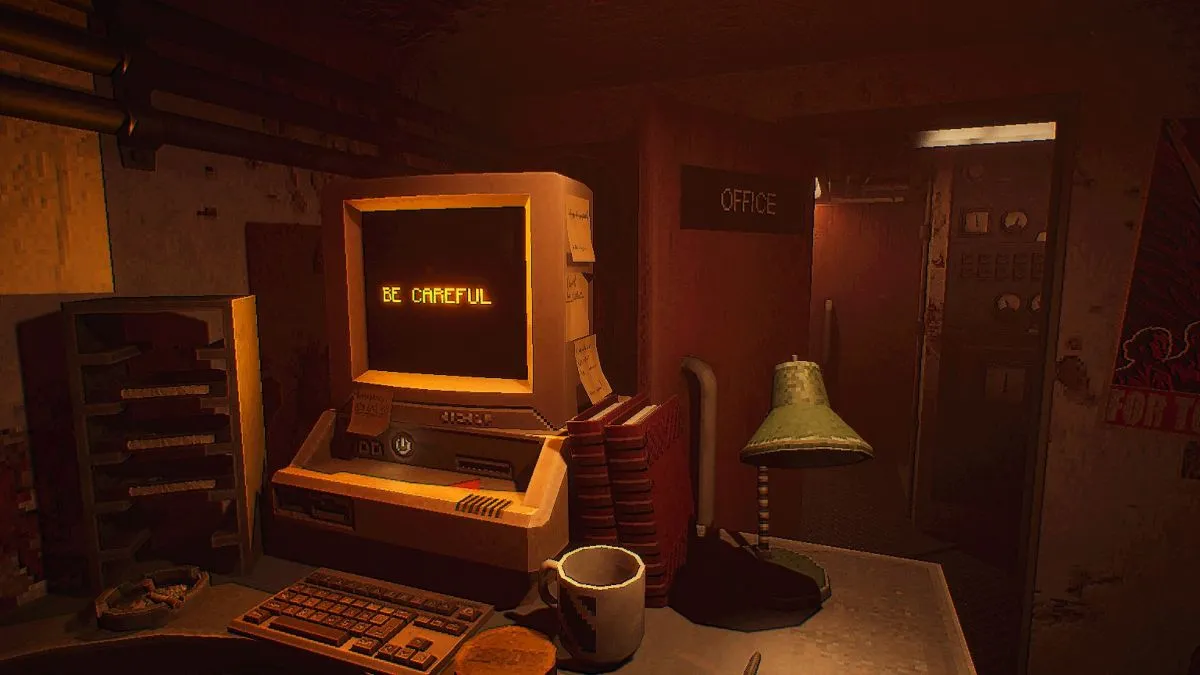
The chilling depths of the psychological horror game MOLE are not merely populated by spectral apparitions and unnerving soundscapes, but also by a meticulously crafted series of puzzles designed to test the player’s intellect and immerse them further into the unraveling psyche of the protagonist. Eschewing the typical hand-holding prevalent in many modern games, MOLE boldly throws players into a disorienting abyss, compelling them to "keep digging" through a series of interconnected challenges that mirror the protagonist’s descent into madness. Inspired by the environmental storytelling and player-driven exploration of titles like System Shock, MOLE promises a unique and demanding experience where no two puzzles are alike, and the ultimate reward for perseverance is the revelation of the game’s enigmatic "masterpiece ending." This comprehensive guide aims to illuminate the path through these intricate enigmas, offering solutions and steps to help players navigate the game’s most perplexing obstacles.
Unraveling the Mysteries: A Puzzle-by-Puzzle Breakdown
MOLE‘s narrative is inextricably linked to its puzzle design, with each solved challenge serving as a stepping stone in understanding the protagonist’s fractured mental state and the unsettling circumstances that surround them. The game’s developers have emphasized a design philosophy that prioritizes player agency and emergent discovery, meaning that hints are often embedded within the environment itself, requiring keen observation and deductive reasoning.
The Fusebox Conundrum: Restoring Power and Progress
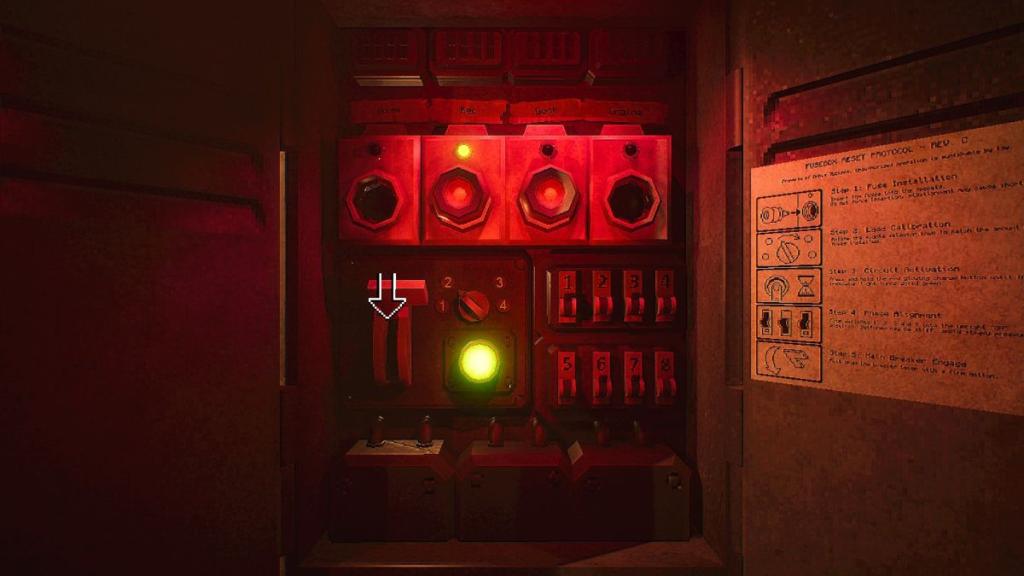
One of the foundational puzzles players will encounter involves the critical task of restoring power to various sectors of the MOLE facility. This is achieved through the intricate manipulation of a fusebox, a mechanism that demands careful attention each time a new area needs to be illuminated. The process of powering different sectors necessitates the strategic relocation of fuses, a task that becomes progressively more complex as the game unfolds. While the specific number of fuses may vary depending on the player’s current objective, the underlying principle remains consistent: understanding the flow of electricity and its impact on the environment is paramount.
Players are advised to meticulously observe the fusebox’s configuration and the corresponding power indicators for each sector. The initial stages often involve simple connections, but as new sectors are unlocked, the fusebox may present more intricate arrangements, requiring players to not only connect fuses but also to understand which circuits are essential for progression. A common strategy involves identifying the most immediate power requirement and then systematically working through the remaining connections, ensuring that critical systems are always operational. The visual cues provided by the game, such as flickering lights or activated machinery, serve as vital feedback mechanisms, guiding players toward the correct configuration.
The Echoes of the Past: Decoding the Phone Puzzle
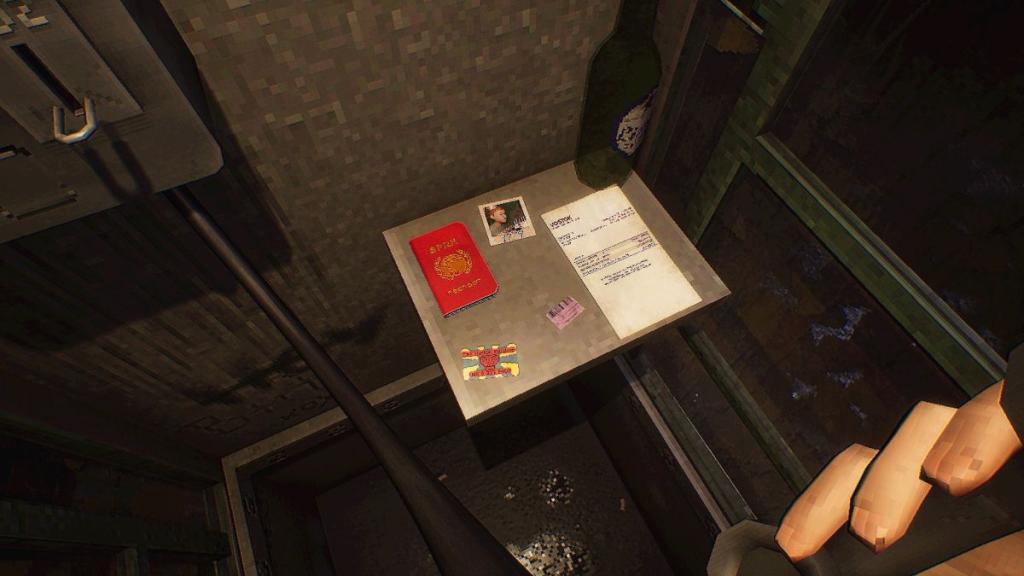
The phone puzzle represents a significant narrative juncture within MOLE, intricately weaving personal history and clandestine operations into a solvable enigma. All the necessary clues to decipher this challenge are contained within a disarmingly ordinary phone booth. The objective is to piece together information to deliver to an entity or operation known as VOSTOK, presented in chronological order. This puzzle emphasizes the importance of environmental interaction and document analysis.
Players must examine various items found within the phone booth, including a photograph from "Petro’s sixth birthday," a "VOSTOK invoice," and a "hospital parking ticket." The chronological arrangement of these items is key. By carefully observing the dates, times, and any accompanying text on these artifacts, players can deduce the sequence of events leading up to a critical moment. The challenge lies in synthesizing these disparate pieces of information into a coherent timeline that satisfies the requirements of the VOSTOK delivery. This often involves cross-referencing dates and identifying patterns that might not be immediately obvious. The developers have designed this puzzle to encourage players to think about the protagonist’s past and the potential implications of these historical fragments on the present narrative.
Mechanical Mayhem: The Engine Room’s Intricate Repairs
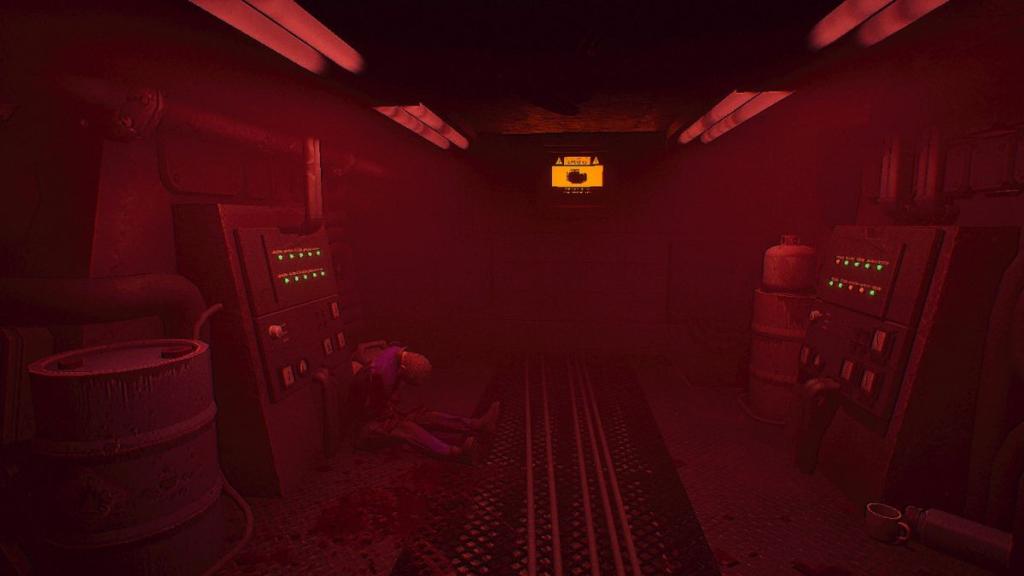
The Engine room presents a multi-faceted puzzle centered around repairing vital machinery, a task complicated by the unfortunate demise of engineer Bohdan Pluzhnik, whose body serves as a grim centerpiece. The repairs are divided into three distinct components: ventilation, pumps, and coolant systems. Each requires specific tools and a methodical approach.
Ventilation: A Breath of Fresh Air
The first step in addressing the ventilation system involves retrieving a fan from the rear of the Engine room, located amongst Pluzhnik’s scattered equipment and propane tanks. This salvaged fan must then be transported to the Engine room itself. The precise location for replacement is the back-right corner, where a broken fan unit awaits. Players will need a screwdriver to detach the damaged component and install the replacement. This seemingly straightforward task underscores the game’s commitment to grounded, albeit perilous, problem-solving. The presence of propane tanks also introduces an element of environmental hazard, urging caution.
Pumps: Re-establishing Flow
To access the area beneath the machinery requiring pump repairs, players must utilize a crawlspace situated in the close-right corner of the Engine room. Within this confined space, a loose fuse will be found on the floor. However, this is insufficient. An additional fuse must be acquired from the Fusebox located in the Rec sector. Upon obtaining the necessary fuse, players must return to the crawlspace and install it in the appropriate slot to restore power to the pumps, bringing the system to 100V. The game strategically encourages players to retain the remaining two fuses from the Fusebox for later use in the Deck and Engine sectors, demonstrating a forward-thinking puzzle design.
Coolant: Stemming the Steam
The final component of the Engine room puzzle involves addressing a faulty coolant system. The required tool for this task is a Wrench, which can be found on Pluzhnik’s workbench in the main Engine sector, positioned opposite the torpedo locker. Once the Wrench is in hand, players must navigate back to the Engine room. To the right of the room, past the crawlspace entrance, and by crouching beneath the pipework, players can access a small, steam-filled area. Here, a loose pipe is spewing steam, indicating the point of failure. The Wrench is then used to tighten the problematic bolt nut, effectively sealing the leak and restoring the coolant system.
The Hospital’s Secrets: Unlocking Petro’s Memories
The hospital puzzle is a pivotal moment in MOLE, blending elements of observation, deduction, and interaction with the spectral realm. The initial step involves interacting with a monitor behind the receptionist’s desk, which displays a patient strapped to a hospital bed. While this patient is invisible in the physical world, their presence becomes tangible when players interact with the corresponding hospital bed in the lobby. The ultimate goal is to reach a specific door, the identity of which is initially unknown.
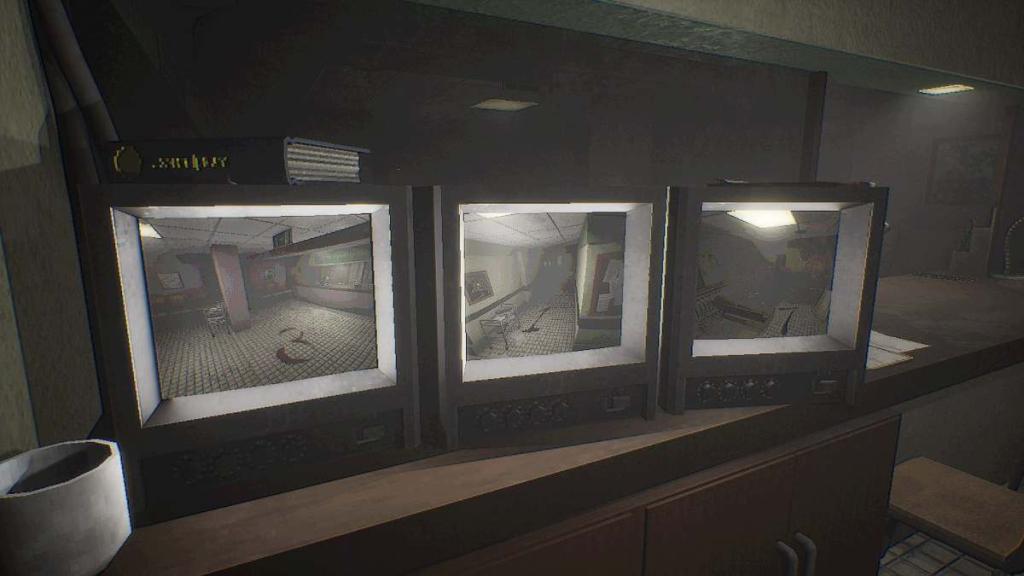
The puzzle requires players to visit rooms indicated on the monitors. The first digit, "3," is revealed upon interacting with the hospital bed in the lobby. Subsequently, players must locate the lounge in the back-right corner of the hospital wing, using the map in reception for guidance. Interacting with the television in the lounge will trigger an auditory cue, suggesting the presence of an invisible entity. The next critical step is to locate room "311" and enter it. Upon returning to the receptionist desk, players will receive the room number "3 1 7." The puzzle culminates when this complete code is displayed across all three monitors. Once the key is obtained, players must proceed to Petro’s hospital room. Here, the objective is to transfer his memory to a VOSTOK cassette by deactivating life support. This is achieved by flipping switches in a specific sequence: 2-4-3-5-1, followed by powering down the console. This puzzle highlights the game’s ability to blend paranormal phenomena with logical problem-solving.
The Torpedo’s Trajectory: Launching a Decisive Strike
The torpedo puzzle, while potentially frustrating, is crucial for advancing the narrative and unlocking new pathways. The immediate objective within this room is to find a key that unlocks a locker filled with torpedoes, located in the engineer’s room, opposite the Engine sector. The puzzle then transitions to the torpedo pod itself. Players must first spin a wheel to elevate a metal prod that secures the torpedo pod. Following this, the arrow keys beneath are used to disengage the lock mechanism, allowing the pod to be lifted and slid open for torpedo insertion. The reverse of these steps is then required to lower and seal the explosive.
With the torpedo loaded, the detonator becomes active. Success hinges on accurately tracking the torpedo’s path via the depth meter to its designated target. Players must then interact with the detonator to initiate the launch. A second interaction is required to detonate the torpedo precisely when its mark aligns with the target on the depth meter. This puzzle demands precision, patience, and an understanding of spatial reasoning, reflecting the tactical nature of naval warfare.
The Gun Case Revelation: A Coded Necessity
The gun case puzzle is presented as a straightforward decryption challenge, relying on diligent environmental observation. The key to unlocking the gun case lies in a note left on the case itself, instructing players to search the dormitories. Specifically, the four-digit code is revealed by locating red sticky notes within the quarters of the Administrator, Navigator, Geologist, and Engineer. These notes, when found, will reveal the numbers that form the combination. The definitive code required to open the gun case is 8 3 5 7. This puzzle emphasizes the importance of thorough exploration and attention to detail within the game’s environments.
The Mosaic of Truth: Assembling a Divine Narrative
The final puzzle in MOLE, the mosaic puzzle, serves as a challenging and potentially buggy culmination of the player’s journey. The core mechanic involves replacing one religious mosaic with another, with no option to drop items. The objective is to arrange the mosaics depicting the White Rabbit’s story in the correct sequence, guided by scripture found within each slot. The order from left to right, representing the progression of the White Rabbit’s narrative as described in the Throne excerpts found in the Cockpit, is as follows:
- The First Appearance: This mosaic depicts the initial manifestation of the White Rabbit, symbolizing its arrival into the narrative.
- The Trial and Temptation: This piece illustrates the White Rabbit facing challenges or presenting choices, reflecting a period of testing.
- The Revelation of Purpose: This mosaic signifies the White Rabbit understanding or revealing its true mission or destiny.
- The Sacrifice and Transformation: This final piece represents the culmination of the White Rabbit’s journey, potentially involving an act of selflessness or a profound change.
The narrative surrounding the White Rabbit, as alluded to in the game’s lore, suggests a metaphorical representation of divine intervention or spiritual awakening. Humanity’s perception of the White Rabbit, as an angelic figure, is further elaborated through the Throne excerpts. These fragmented passages, revealed incrementally as players progress through the Cockpit, offer glimpses into a complex mythology that underpins the game’s thematic core. The successful arrangement of these mosaics is not merely a puzzle completion but a final act of deciphering the symbolic language of the game’s overarching story.

Implications and Player Experience
The puzzle design in MOLE is a testament to the game’s ambition to deliver a deeply engaging and intellectually stimulating horror experience. By embedding narrative progression within complex challenges, the developers have created a gameplay loop that rewards player curiosity and critical thinking. The lack of explicit guidance, while potentially daunting for some, fosters a sense of accomplishment and immersion that is rarely found in contemporary gaming. The interconnectedness of the puzzles, where solutions from one area often inform challenges in another, creates a cohesive and rewarding experience.
The emphasis on environmental storytelling and player-driven discovery ensures that the act of solving puzzles is not just a mechanical requirement but an integral part of understanding the protagonist’s deteriorating mental state and the mysteries of the MOLE facility. As players delve deeper into these enigmas, they are not only progressing through the game but also piecing together the fragmented reality of the protagonist’s world, making each solved puzzle a victory not just of logic, but of psychological endurance. The "masterpiece ending" promises to be a fitting culmination of this arduous yet ultimately rewarding journey.