


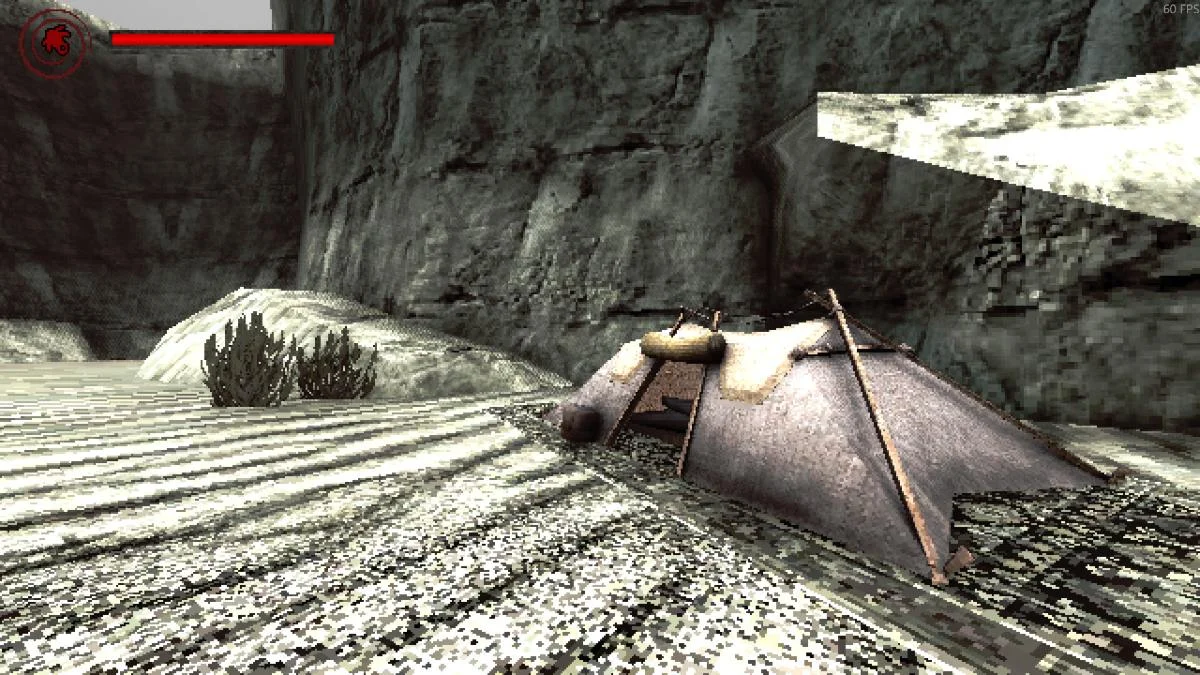
The act of spelunking, or cave exploration, is inherently fraught with peril. Tight spaces, limited oxygen, and the ever-present threat of unstable terrain demand meticulous planning and unwavering focus. In the world of the indie title Idols of Ash, these physical dangers are amplified by a suffocating psychological dread, where every misstep and mistimed grappling hook swing can lead to a catastrophic fall, mirroring the metaphorical descent of the protagonist. This cryptic narrative plunges players into the heart of decaying ruins, where the air is thick with an unsettling stillness and a palpable sense of being watched. "Descend into the ruins, breathe in the ashes. Careful where you tread—a shadow follows. You’re not alone down here," the game’s developers, Leafy Games, cryptically allude, hinting at a journey that transcends mere physical exploration. This interpretation is based on the available information and gameplay mechanics presented for Idols of Ash, a title available on platforms such as Steam.
Unveiling the Lore: A Journey Through Psychological Torment
At its core, Idols of Ash presents a seemingly straightforward premise: a relentless chase through the labyrinthine depths of mysterious ruins, with a pursuing entity always at one’s heels. However, the title itself suggests a deeper, more symbolic purpose. The protagonist is ostensibly searching for "idols" within the ruins, a quest for solace amidst a terrifying plunge. This descent, however, is not solely physical; it is a profound mental and emotional excavation, a descent into madness itself. As players rappel through the remnants of a forgotten civilization, encountering grotesque creatures and the petrified cocoons of past explorers, Idols of Ash can be interpreted as a powerful allegory for an internal struggle. It may represent a journey of self-discovery, a confrontation with depression, or even the agonizing progression through the five stages of grief.
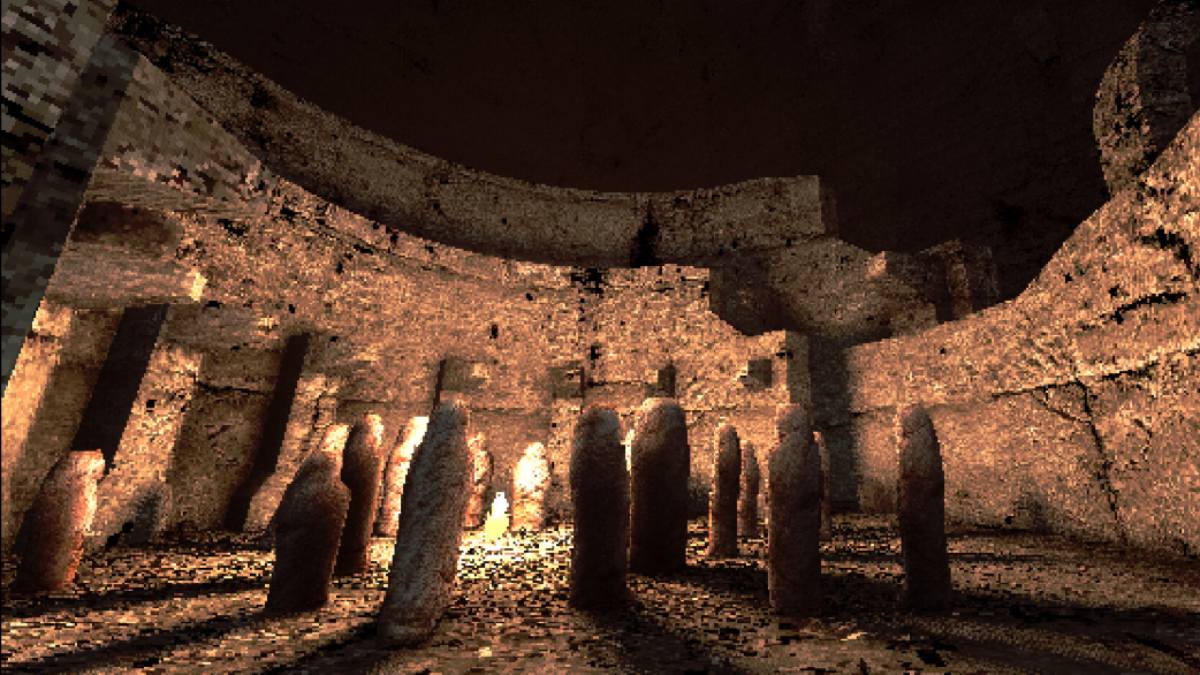
The narrative, as pieced together from thematic elements, suggests a protagonist driven by profound grief. Drawn by tales of a mystical place offering peace, she embarks on a perilous journey, aware of the ruins’ deceptive nature—its illusions designed to ensnare the mind in false realities. Her objective appears to be the search for a lost loved one, perhaps seeking closure or a final reunion. The ruins become a distorted reflection of the life she left behind, a manifestation of her desperate search for meaning, understanding, and a way to mend a fractured reality. Her singular focus is on seeing "her" again, a spectral figure twisted and corrupted in her memory by overwhelming guilt. With each step deeper into the ruins, she moves closer to confronting this distorted memory, to forgiving herself for a loss she feels responsible for. This journey, however, is not one of simple acceptance and closure; it is a poignant reminder that one cannot apologize to a ghost.
The Enigmatic Centipede: A Manifestation of Loss
A central and unsettling element of Idols of Ash is the appearance of a creature identified by players and analysts as a "centipede." This entity is not readily interpreted as a literal, biological organism. Instead, it is widely believed to be a symbolic manifestation, a grotesque embodiment of all life that has attempted and failed to conquer the ruins. The creature’s design bears a striking resemblance to the unsettling imagery found in Junji Ito’s "My Dear Ancestors," a testament to its psychological horror. This apparition is theorized to grow in length and malevolence with each lost soul it claims, becoming faster, more cunning, and insatiable in its hunger for new victims. Evidence within the game, such as the cocoons and ash-laden figures of past travelers, suggests that their very life essence might be absorbed by this entity, contributing to its power and even offering a twisted form of sustenance or "health regeneration" for the protagonist, found interspersed with these mummified remains.
An alternative, yet equally compelling, interpretation posits the centipede as the physical manifestation of the protagonist’s own guilt. The creature’s relentless pursuit from the moment she enters the ruins strongly suggests it is a product of the depression, grief, and loss that have shadowed her journey. Its disappearance upon reaching the depths of the ruins could signify the protagonist’s final acceptance or resolution, a finding of peace. It is also plausible that the centipede is a confluence of both these interpretations. The idols of ash, known for inducing hallucinations, coupled with the immediate appearance of the monster after inhaling the first traces of ash, creates a potent blend of external and internal threats. It is suggested that any individual entering these ruins burdened by darkness will be accompanied by such a shadow. While its form may vary, the centipede in Idols of Ash serves as a powerful catalyst, driving its victims relentlessly towards their ultimate fate.
The centipede’s appearance itself is a subject of fascination and unease. While its insectoid facial features and general silhouette from a distance suggest a centipede, a closer inspection reveals disturbingly human-like arms near its head and underbelly. Its locomotion is facilitated by spider-like legs, allowing for a speed far exceeding human capabilities. The creature emits intense, rhythmic slurping and hissing sounds, its erratic breathing growing more pronounced as it closes in, conveying a desperate hunger. Most unnerving, however, is the faint, mechanical ticking sound emanating from its legs, reminiscent of a winding clock. This auditory detail serves as a chilling reminder that the protagonist’s time is running out, adding another layer of urgency to her already desperate plight.
The Ambiguous Conclusion: A Bittersweet Solace
The ending of Idols of Ash, much like the game’s thematic underpinnings, is open to interpretation, offering a conclusion that can be perceived as either bittersweet or melancholic, depending on the player’s perspective. Through prolonged exposure to the "idols of ash," the protagonist experiences what can only be described as a form of asphyxiation. The continuous inhalation of the ash triggers potent memories, directly linked to the profound pain that led her to these desolate ruins. These vivid hallucinations serve to propel her deeper into the subterranean abyss, where the air becomes increasingly thin and the oxygen supply critically limited. This combination of fume inhalation and dwindling oxygen leads to the calcified, cocoon-like state observed in the remains of previous explorers.
The final moments of the game depict the protagonist’s mummified form, preserved by the very ashes that consumed her. In this final tableau, an apparition of the woman she desperately sought appears, gently holding her. This scene suggests that the protagonist has found a form of solace and peace, albeit one manufactured by a desperate mind hoping to conjure the impossible – the return of someone long departed. Whether this signifies a conscious surrender to her fate, an acceptance of the inherent risks of her quest, or a tragic delusion remains a subject for individual players to ponder. The narrative does not offer a definitive answer, leaving the ultimate meaning of her journey and its conclusion to the player’s own interpretation and emotional resonance with the themes of loss, guilt, and the search for peace.

The development of Idols of Ash by Leafy Games, a relatively new entrant in the indie gaming scene, appears to be focused on crafting deeply atmospheric and psychologically resonant experiences. While specific development timelines and production budgets for such indie titles are often not publicly disclosed, the game’s apparent focus on narrative depth and unique artistic direction suggests a significant investment in conceptualization and thematic exploration. The game’s visual style, characterized by dark, oppressive environments and unsettling creature design, aligns with a growing trend in independent horror and psychological thriller games that prioritize emotional impact over traditional jump scares. The game’s presence on Steam indicates a strategic decision to reach a global audience of players who actively seek out unconventional and thought-provoking gaming experiences. The reception of similar titles in recent years, such as Hellblade: Senua’s Sacrifice and Layers of Fear, demonstrates a strong market for games that delve into themes of mental health, trauma, and existential dread, suggesting that Idols of Ash is positioned to appeal to a significant demographic of discerning players. The game’s release date has yet to be officially confirmed, but its active presence on digital storefronts suggests a launch in the near future.