


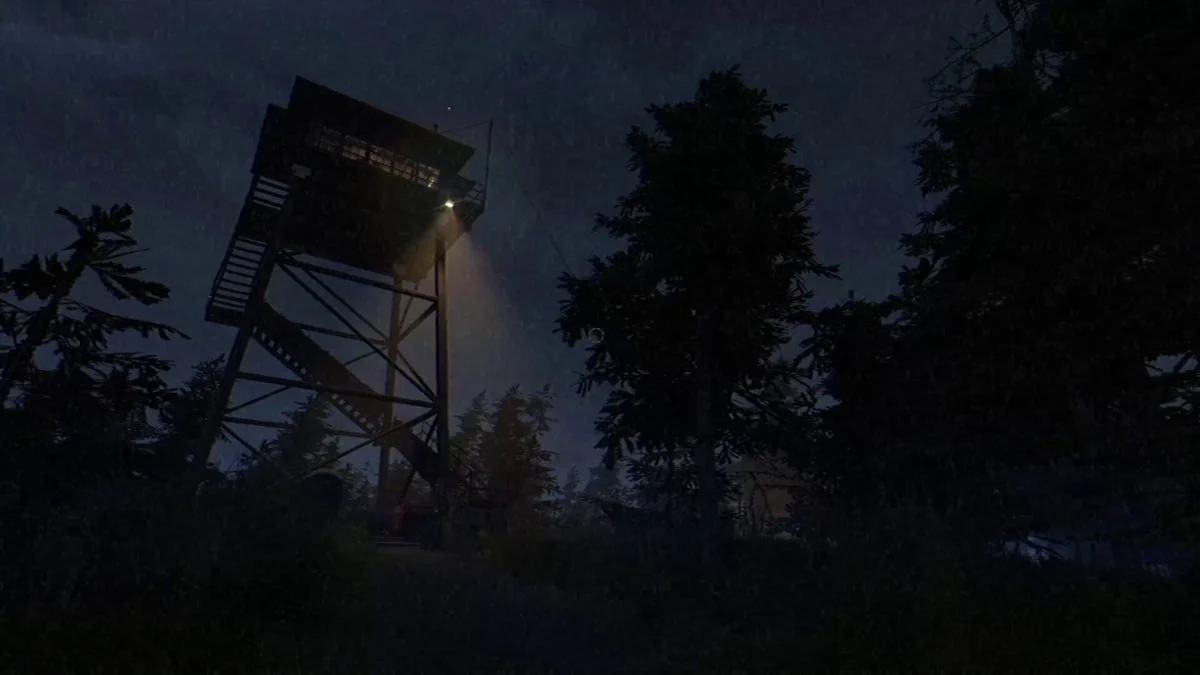
The gaming world is no stranger to the unsettling allure of horror, but few titles have managed to capture the chilling essence of real-life terror quite like Fears to Fathom. This episodic horror game, developed by rayll, has built its reputation on a compelling premise: every installment is purportedly based on genuine, terrifying experiences. While the developer acknowledges that names, dates, and specific locations are often altered for privacy and narrative flow, the persistent question for players and observers alike remains: did these harrowing events actually happen to someone? This article delves into the marketing strategies, factual basis, and broader implications of Fears to Fathom‘s unique approach to horror.
The "Based on a True Story" Marketing Ploy: A Legacy in Horror
The notion of horror being "based on a true story" is a well-worn trope, deeply ingrained in the genre’s history. For decades, movie posters and trailers have teased audiences with the chilling promise that the on-screen horrors are rooted in reality. This marketing strategy reached a fever pitch with the release of The Blair Witch Project in 1999. The film’s innovative use of found-footage, coupled with a sophisticated viral marketing campaign that blurred the lines between fiction and reality, led many viewers to believe they were witnessing genuine supernatural events. The film’s success not only cemented the found-footage genre but also revitalized the "based on a true story" tagline, proving its potent impact on audience engagement.
However, as the years progressed, the effectiveness of this disclaimer began to wane. The discerning horror aficionado learned to approach such claims with a healthy dose of skepticism. The promise of "true events" often devolved into a mere narrative device, a means to imbue fictional tales with a veneer of authenticity.
Fears to Fathom appears to have resurrected this strategy, albeit with a modern, interactive twist. The game actively encourages players to submit their own unsettling real-life encounters, a direct invitation to contribute to its growing library of horror narratives. Each episode, beginning with the debut of "Home Alone" in 2021, is presented as a retelling of a story submitted by an individual who claims to have lived through such a terrifying ordeal. This direct line to player experiences fosters a sense of community and shared vulnerability, reinforcing the game’s core premise.
While this approach is undeniably clever, it also inherently signals to the audience that the events are dramatized. The protagonist’s survival, a foregone conclusion when the story is known to be based on a past event, might seem to diminish the immediate stakes. Yet, the developers have managed to circumvent this potential pitfall, ensuring that the tension and sheer creepiness of each episode remain potent. The psychological impact of knowing that a similar scenario could unfold, even if the specific details are embellished, continues to resonate deeply with players.
Deconstructing the "True Events" Claim: Fact vs. Fiction in Fears to Fathom
The critical question remains: to what extent are the narratives within Fears to Fathom grounded in reality? While the developer, rayll, asserts that each episode draws from actual experiences, a closer examination reveals a complex interplay between truth and dramatization. It is highly probable that names, specific dates, and the precise geographical settings are altered to protect the identities of those involved and to enhance the narrative’s dramatic impact. This practice is standard in journalism and storytelling when dealing with sensitive or personal accounts.
However, the assertion that these are direct retellings of emails sent to the developer warrants further investigation. While the inspiration may indeed stem from such submissions, the transformation of a personal account into a playable horror experience inevitably involves embellishment, exaggeration, and creative license. This is not to suggest outright fabrication, but rather a process of narrative sculpting where fictional elements are woven in to amplify suspense, create compelling gameplay mechanics, and ensure a satisfying, albeit terrifying, player experience.
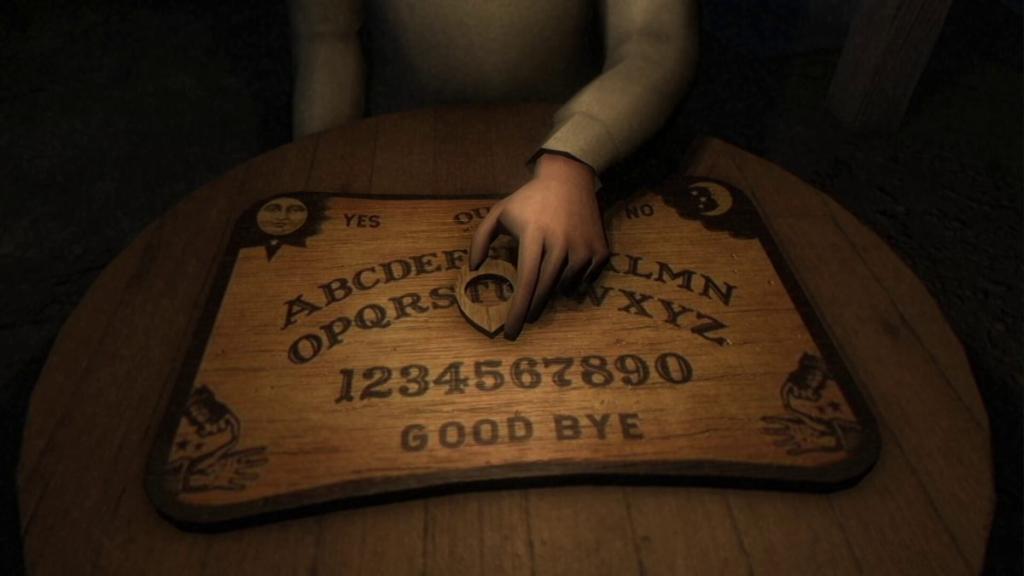
Consider the episode "Norwood Hitchhike." Set in 2010, the narrative of a perilous encounter with a stranger on the road bears striking resemblances to real-life crime patterns. Specifically, it evokes the chilling case of serial killer Larry Ralston, who preyed on women in the mid-1970s. While the specific details and timeline are undoubtedly altered, the underlying theme of vulnerability and the inherent dangers of trusting strangers on isolated roads tap into primal fears that have been tragically validated by real-world events. This suggests that rayll may draw inspiration from documented crimes or historical patterns of behavior, weaving them into a personalized, fictionalized narrative.
A thorough investigation into the specific claims made within each episode reveals a pattern: while the general themes might echo real-world horrors, direct, verifiable cases matching the exact details presented in Fears to Fathom are difficult to find. A quick search of news archives for specific crimes described in the episodes—breaking and entering, home invasion, cult sacrifices, and stalking with murderous intent—often yields no direct matches to the game’s narrative arcs. This points towards a deliberate strategy of anonymizing and fictionalizing real-world fears.
Furthermore, the similarities noted between episode three, "Carson House," and certain content on platforms like YouTube, such as Mr. Nightmare’s "3 True House Sitting Horror Stories" (allegedly based on subscriber submissions), highlight a potential cross-pollination of ideas. This suggests that the inspiration for Fears to Fathom might not solely originate from direct emails but could also draw from the broader landscape of online storytelling and reported paranormal or unsettling experiences. The line between a directly submitted "true story" and a fictional narrative inspired by such accounts becomes increasingly blurred.
Building an In-Game Universe: The Interconnectedness of Fear
A significant development in the Fears to Fathom series is the emerging interconnectedness between its episodes, particularly with the introduction of the "[Together]" series. The latest installment, which links "Ironbark Lookout" and "Scratch Creek," explicitly follows the same cult, establishing a rudimentary in-game universe. This strategic decision adds another layer of depth to the game, suggesting that the individual horror stories, while ostensibly standalone, might be part of a larger, unfolding narrative.
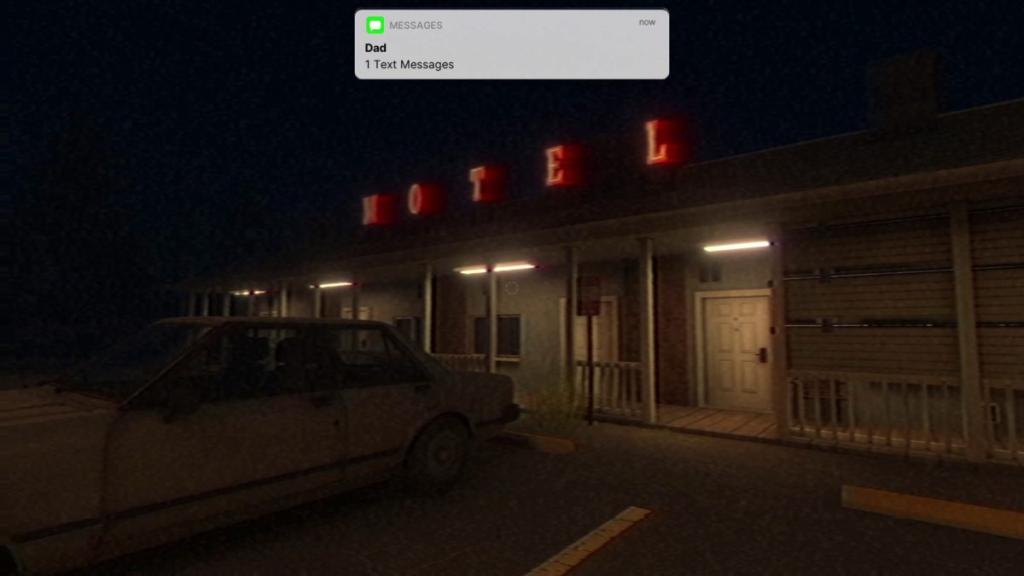
"Ironbark Lookout," set in 2002, and "Scratch Creek," with its vague timeline of "April 20XX," both revolve around a sinister cult known as "The Covenant of Old Scratch." The depiction of this cult, with its alleged racism and secretive rituals, strongly suggests a fictional construct rather than a direct portrayal of a real-world organization. While real-world cults often make headlines, the specific nomenclature and the details surrounding "The Covenant of Old Scratch" do not appear in any publicly verifiable records. This anonymization, while possibly intended to protect individuals or avoid legal entanglements, also serves to underscore the fictional nature of these specific narratives. It allows the developer to tap into the societal fascination with cults as a potent source of horror, a popular and often effective plot device in the genre, without being constrained by the precise realities of any singular real-world group.
The inspiration for these cult-themed episodes could very well stem from submissions detailing unsettling encounters or from the vast repository of fictional horror narratives found on platforms like Reddit’s r/nosleep. The r/nosleep subreddit, known for its community of writers sharing "true" stories, often features tales of the supernatural, paranormal, and deeply unsettling. However, the subreddit’s own disclaimer explicitly states that all stories posted are fictional, even when presented as personal experiences. This further complicates the "true story" claim, suggesting that Fears to Fathom might be drawing from a pool of narratives that, while presented as real by their authors, are ultimately works of fiction.
The Enduring Power of Believability: Why Fears to Fathom Works
Despite the inherent fictionalization, Fears to Fathom succeeds remarkably in evoking a sense of palpable dread and unease. The game’s strength lies not in its literal adherence to factual accuracy, but in its ability to tap into universally understood anxieties and present them in a chillingly plausible manner. The horror it depicts, while sometimes exaggerated for gameplay, is fundamentally rooted in scenarios that could realistically happen to anyone.
Take, for instance, the episode "Home Alone." The sudden, seemingly instantaneous teleportation of an intruder from within the house to the front door is a clear departure from physical reality. This is a narrative shortcut designed to maximize player shock and disorientation. However, the core fear—the violation of one’s safe space by an unknown assailant—is a profoundly real and terrifying prospect. The game leverages this primal fear, even when employing supernatural or unrealistic narrative devices to heighten the effect.
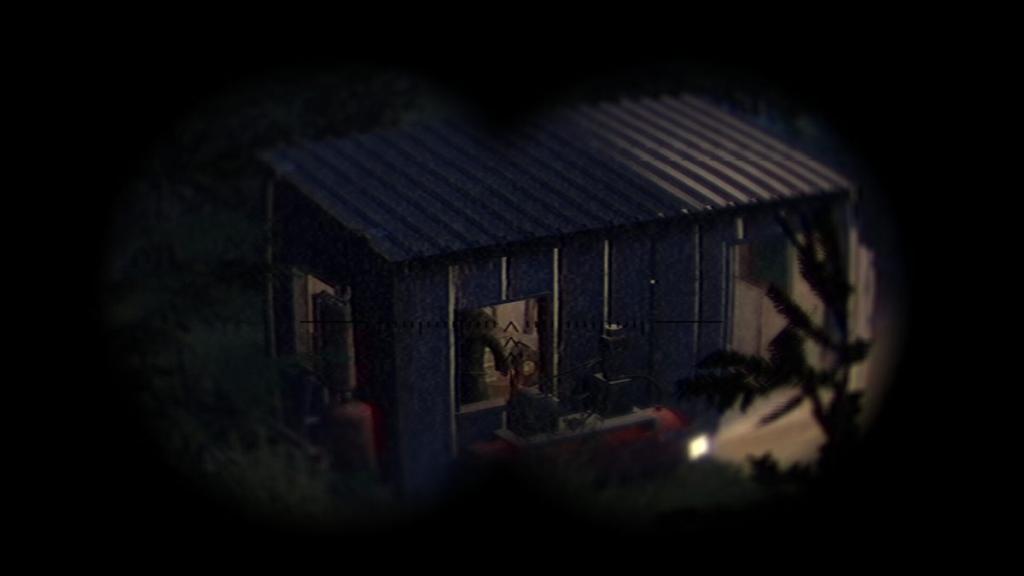
Ultimately, Fears to Fathom operates on a principle of "realistic tales" rather than strictly "true stories." The events depicted, while not necessarily verbatim accounts, are grounded in the potential for real-world horrors. Stalking, home invasions, encounters with dangerous individuals, and even, in the more extreme and less common scenarios, involvement with fringe groups or cult-like activities, are all within the realm of possibility for individuals. This grounding in potential reality is what makes the series so effective.
Whether rayll genuinely believes the submitted stories or uses them as fertile ground for crafting fictional dread remains an open question. The ambiguity, however, might be precisely what fuels the game’s unsettling nature. It allows players to engage with the narratives on a deeper, more psychological level, questioning the boundaries of reality and the darkness that can lurk just beneath the surface of everyday life. The inherent creepiness of Fears to Fathom is not diminished by the acknowledgment of its fictional elements; rather, it is amplified by the chilling reminder that the most terrifying stories are often those that could, with a slight shift in circumstance, become our own. The game serves as a stark reminder that the line between fiction and reality can be perilously thin, and that some of the most potent horrors are those that mirror our deepest, most unspoken fears.