


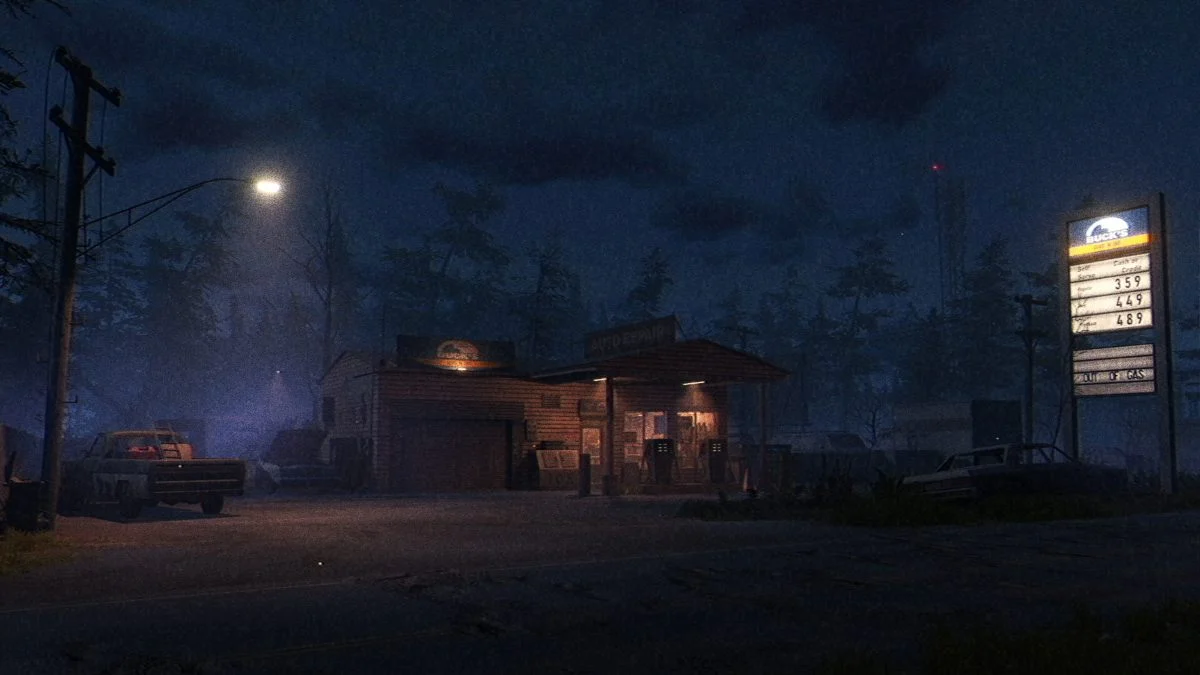
The landscape of cooperative horror gaming has long been dominated by familiar tropes, often leading to a sense of déjà vu for players seeking fresh thrills. However, the upcoming installment in Rayll’s episodic horror series, Fears to Fathom: Scratch Creek, aims to break this mold by introducing a significant new dimension: robust co-op gameplay. This evolution marks a bold step for the indie horror title, promising to reinvigorate the genre with its unique blend of narrative depth and shared terror.
Since its inception, Fears to Fathom has carved a niche for itself by drawing inspiration from real-life unsettling experiences. The series’ commitment to creating grounded, believable horror scenarios has resonated with players, especially those who appreciate a slower burn, narrative-driven approach. The transition to incorporating cooperative play, particularly with the duo-matchmaking feature in Scratch Creek, signifies a strategic pivot designed to capitalize on the game’s existing popularity on streaming platforms like YouTube and Twitch, while simultaneously incentivizing a wider audience to engage directly with the terrifying narratives.
The development timeline for Fears to Fathom began with its initial free episode in July 2021, which served as a successful introduction to its unique brand of horror. Subsequent episodes, such as Woodbury Getaway and now Scratch Creek, have demonstrated a clear progression in both scope and ambition. The decision to implement duo-matchmaking in Scratch Creek is particularly astute, building upon the character-focused dynamics explored in previous entries, such as the interplay between Sydney and Mike. This move directly addresses the desires of a significant portion of the game’s viewership – those who watch streamers navigate the horrors and wish to experience similar anxieties with their own friends.
A New Frontier in Co-op Horror
Cooperative horror, while not a new concept, has historically leaned towards action-heavy experiences like Left 4 Dead or Resident Evil 5. More recent trends, exemplified by games like Lethal Company and the many titles that have followed its lead, have popularized a form of co-op horror that often emphasizes emergent gameplay, humorous interactions amidst terrifying situations, and a reliance on players generating their own content through survival mechanics. While these approaches have found considerable success, there is a palpable yearning for more narrative-centric cooperative horror experiences that prioritize atmosphere and story over pure emergent chaos.
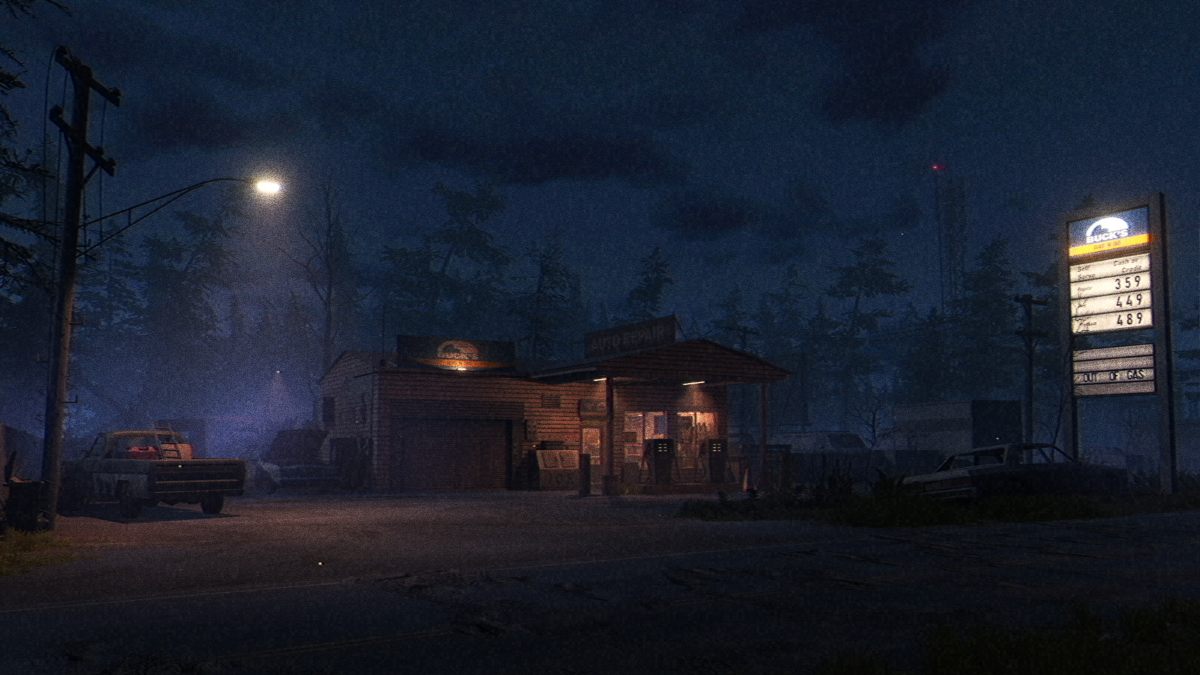
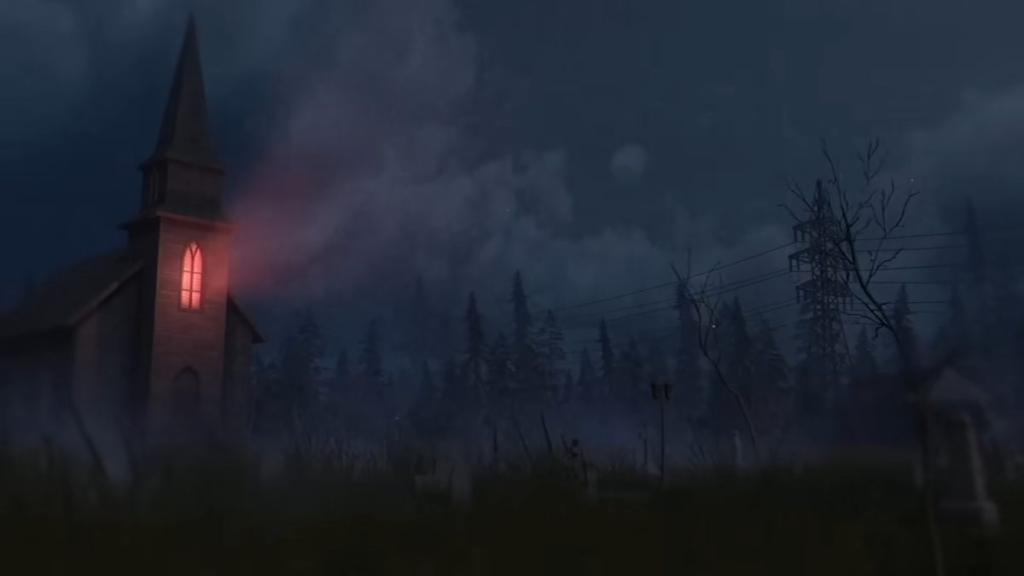
Fears to Fathom: Scratch Creek appears poised to fill this void. The series has consistently distinguished itself with a signature style, atmosphere, and identity. However, with Scratch Creek, Rayll is not just refining its established aesthetic; it is making a deliberate aesthetic shift that moves away from the established fear-mongering powerhouses of indie horror like Chilla’s Art and Puppet Combo, venturing into territory rarely explored within the indie game sphere. This shift is characterized by a deliberate use of nostalgia, evoking a palpable sense of familiarity that draws players into settings reminiscent of classic Stephen King novels.
The thematic resonance of Scratch Creek harkens back to beloved nostalgic touchstones such as Stand by Me, The Goonies, and even the unsettling rural dread of Jeepers Creepers. This deliberate evocation of familiar, yet often unnerving, narratives sets it apart in the indie horror landscape. The anticipation surrounding this installment is amplified by the potential for shared experiences, transforming the solitary terror of the original episodes into a communal ordeal.
The Genesis of Fears to Fathom and the Evolution of Indie Horror
The Fears to Fathom series, developed by Rayll, has consistently aimed to deliver horror experiences rooted in unsettling "true events." This foundational premise imbues each episode with a layer of realism, making the terrifying scenarios feel more immediate and impactful. The initial free episode, released in July 2021, garnered significant attention for its raw, unsettling narrative and its ability to tap into primal fears. This success paved the way for further episodic content, each designed to present a self-contained, yet thematically linked, horror story.
Woodbury Getaway, a preceding installment, further solidified the series’ commitment to narrative-driven horror and explored the psychological impact of isolation. It, like Scratch Creek, employed a slow-burn approach, allowing dread to accumulate through environmental storytelling and character vulnerability. The developer’s decision to build upon this foundation while introducing cooperative elements suggests a strategic understanding of how to enhance the player experience. By leveraging the inherent tension of shared vulnerability, Scratch Creek aims to amplify the emotional and psychological impact of its narrative.
The indie horror scene has seen a significant surge in popularity in recent years, with numerous developers experimenting with different subgenres and gameplay mechanics. However, many of these titles, while offering fleeting scares, often lack the narrative depth or sustained atmosphere required for truly impactful horror. The prevalent trend of "friendslop" – games where players are ostensibly left to generate their own content and entertainment through rudimentary mechanics – has led to a saturation of similar experiences. This has, arguably, diluted the impact of genuinely innovative horror titles.
Fears to Fathom: Scratch Creek’s approach, therefore, represents a conscious effort to counteract this trend. By focusing on a curated, story-driven experience that can be shared, Rayll is betting on the power of communal narrative immersion. This is a significant departure from the often-formulaic co-op horror that has become commonplace, signaling a potential shift towards more sophisticated and emotionally resonant cooperative gameplay within the indie space.
The "Scratch Creek" Experience: A Blend of Nostalgia and Dread
The narrative of Scratch Creek centers on Tessa and Marcus, two characters whose journey takes an unexpected and terrifying turn when they find themselves stranded in the eponymous location while relocating to another state. Players have the option to embark on this chilling adventure solo, choosing to embody either Tessa or Marcus. Alternatively, the introduction of duo-matchmaking allows friends, or even randomly paired players, to face the horrors together. The integration of in-game proximity chat further enhances the cooperative experience, enabling players to communicate and react to the unfolding terror in real-time, adding another layer of immersion and potential for shared panic.
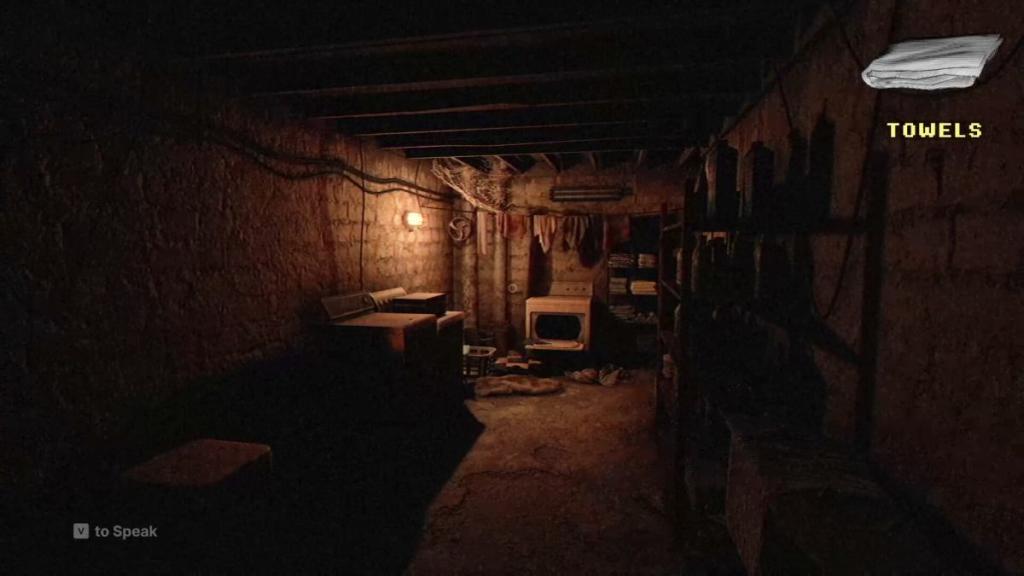
At its core, Scratch Creek, much like its predecessors, functions as a walking simulator, emphasizing exploration and environmental interaction. The gameplay loop involves driving segments, narrative progression, and meticulous exploration of the game’s environments. The product page for Scratch Creek hints at a choice-based system, suggesting that player decisions will influence the narrative’s progression. This mechanic, likely delivered in a manner similar to the previous installments like Carson House and Woodbury Getaway, promises to add replayability and a sense of player agency within the unfolding horror.
The game’s aesthetic, as previously mentioned, draws heavily on a sense of nostalgia, evoking the atmosphere of classic American small towns and the inherent unease that can lurk beneath a seemingly idyllic surface. This nostalgic framing serves a dual purpose: it makes the setting feel familiar and relatable, thereby amplifying the shock when that familiarity is shattered by supernatural or terrifying events, and it distinguishes Scratch Creek from the more overtly fantastical or science-fiction-based horror titles that often populate the co-op genre.
Comparisons have been drawn to the narrative tension of The Quarry, with an added layer of 80s slasher film sensibilities, all presented in a way that feels akin to a terrifying campfire story. This fusion of relatable characters, a grounded premise, and an escalating sense of dread is expected to create a uniquely intense experience, particularly when shared with another player. The alleged basis of the Fears to Fathom episodes in true events lends a particular weight to the narrative, fostering a sense of authentic vulnerability as ordinary individuals are forced to confront extraordinary and terrifying circumstances.
Implications for the Future of Co-op Horror
The introduction of sophisticated co-op features into a story-driven, narrative-focused horror game like Fears to Fathom: Scratch Creek has significant implications for the indie horror landscape. For years, the co-op horror genre has been characterized by a dichotomy: either action-heavy, combat-focused experiences or emergent, sandbox-style games where player-created moments of terror are paramount. Scratch Creek represents a potential bridge between these two extremes, offering a more curated and narrative-driven cooperative horror experience.
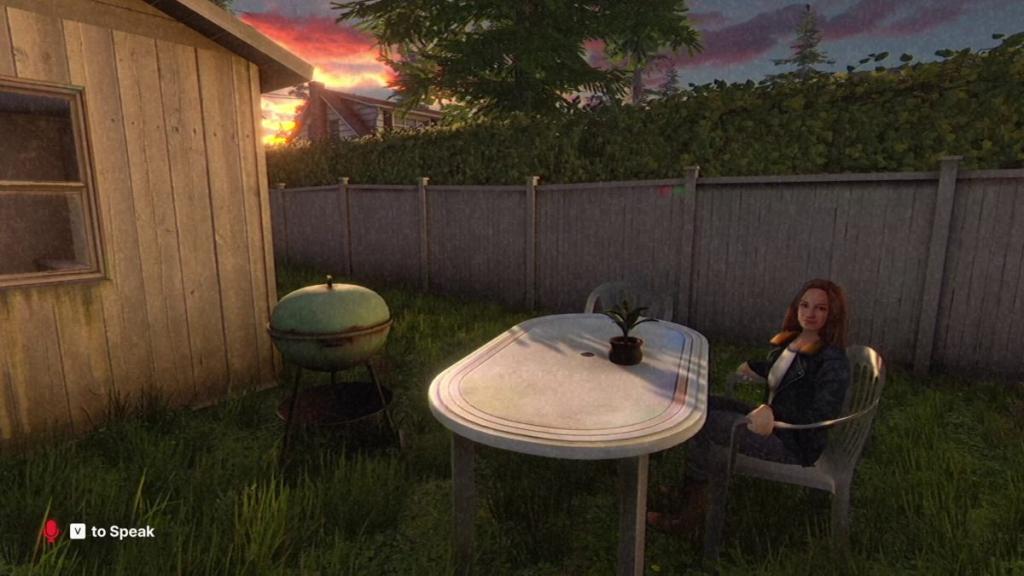
The success of Scratch Creek could inspire a wave of similar titles that prioritize storytelling and atmospheric tension within a cooperative framework. This could lead to a more diverse and mature co-op horror genre, moving beyond the confines of repetitive formulas and encouraging developers to explore new narrative possibilities for shared terror. The emphasis on proximity chat and shared decision-making within a structured narrative could foster a deeper sense of connection and shared fear between players, creating memorable gaming experiences that linger long after the credits roll.
The current market is saturated with co-op horror games that, while popular, often rely on similar mechanics and a reliance on player improvisation to maintain engagement. The author of the original article expresses a clear weariness with these "carbon copies" of existing successes, highlighting the need for originality and substance. Scratch Creek appears to be a direct response to this sentiment, offering a "complete product" rather than a mere replication of popular trends. By focusing on unsettling storytelling and genuine emotional investment, Rayll is taking a calculated risk that could pay significant dividends, not only for the Fears to Fathom series but for the broader evolution of co-op horror.
The developer’s gamble lies in deviating from the established, often formulaic, path of co-op horror. While the execution will ultimately determine its success, the potential for Scratch Creek to influence future game development in this genre is substantial. If it succeeds in delivering a compelling narrative experience enhanced by cooperative play, it could set a new standard for what players expect from shared horror adventures.
Release and Availability
Fears to Fathom – Scratch Creek is slated for release on June 10th. The game will be available on the Steam platform, allowing players worldwide to experience this new chapter in cooperative horror. The promotional materials and developer statements strongly encourage players to "grab a buddy," underscoring the game’s emphasis on shared experiences and collaborative survival. This release marks a significant moment for the Fears to Fathom series and presents an exciting new proposition for fans of atmospheric, narrative-driven horror games seeking a shared thrill.