


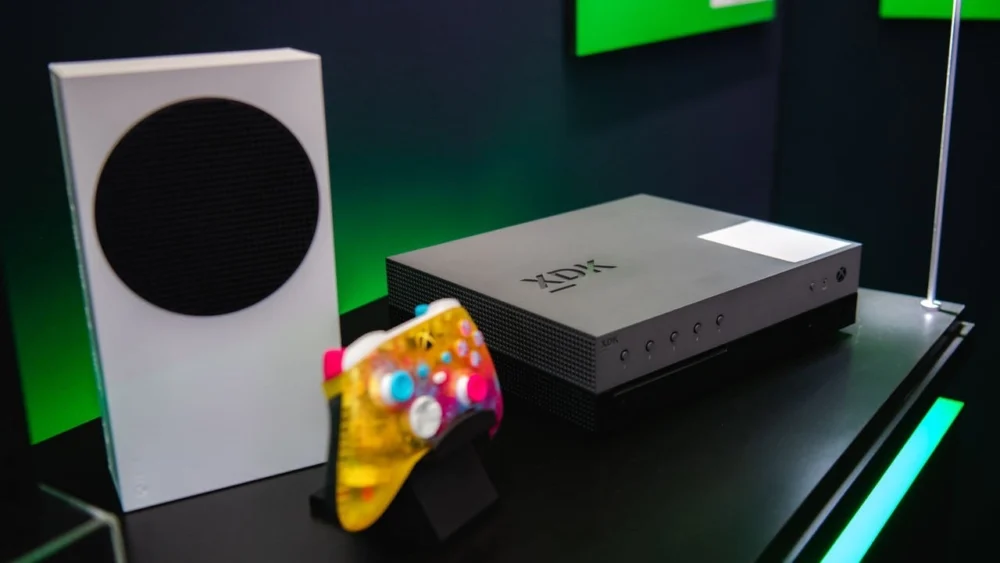
At the highly anticipated Game Developers Conference (GDC) 2026, Microsoft reiterated its profound commitment to fostering an accessible and lucrative ecosystem for game creators, with a particular focus on independent developers. Guy Richards, a prominent director within the ID@Xbox program, articulated a forward-thinking vision centered on a "build once and ship everywhere" philosophy, aiming to significantly streamline the development and publishing process for Xbox. This strategic pivot, coupled with the impending launch of the next-generation "Project Helix" console in 2027, promises to accelerate the influx of diverse titles onto the Xbox platform, enhancing discoverability for developers and broadening choice for players.
The Strategic Imperative: Bridging Platforms and Empowering Creators
Richards’ discussions, particularly during an interview with The Game Business, illuminated Microsoft’s response to the perennial question posed by developers: why prioritize Xbox when platforms like Steam offer potentially similar, or at times, more immediate success for indie titles? The core of his argument lies in an ambitious technological and strategic alignment designed to mitigate the complexities of multi-platform development. By enabling developers to "build once and ship everywhere," Microsoft is positioning Xbox not merely as a console destination but as a comprehensive gaming ecosystem that spans traditional consoles, PC, and cloud services. This overarching strategy is expected to dramatically reduce the development overhead associated with porting games across different hardware and operating environments, thereby encouraging a quicker and more consistent release cadence for new titles on Xbox.
The benefits articulated by Richards extend beyond mere technical convenience. He underscored that by simplifying the porting process and widening distribution, developers inherently increase their opportunities for sales. "If you’re a developer, putting your game out across as many different store fronts and platforms increases your opportunities for sales," Richards stated, emphasizing the direct correlation between market reach and revenue potential. This commitment is further bolstered by the long-standing Xbox Play Anywhere initiative, which allows players to purchase a digital game once and play it across Xbox consoles and Windows PCs, carrying their progress and achievements. This consumer-centric feature is a testament to Xbox’s broader "everywhere" vision, ensuring player loyalty and convenience, which in turn benefits developers by expanding their potential audience without additional licensing hurdles for players.
ID@Xbox: A Decade of Indie Empowerment and Evolution
To fully appreciate the significance of these announcements, it’s crucial to understand the historical context and evolution of ID@Xbox. Launched in August 2013, ID@Xbox was Microsoft’s direct response to the burgeoning independent game development scene and the console landscape’s increasing focus on digital distribution. At the time, PlayStation 4 was aggressively courting indie developers, often providing preferential terms and prominent storefront placement. ID@Xbox aimed to level the playing field by simplifying the process for qualified independent developers to self-publish their games on Xbox One and Windows, offering free development kits, direct access to Microsoft’s publishing tools, and a dedicated support team.
Prior to ID@Xbox, indie development on Xbox was largely channeled through the Xbox Live Arcade (XBLA) program, which, while successful in launching iconic titles like Braid and Castle Crashers, was often criticized for its gatekeeping mechanisms, slower approval processes, and revenue share models that were perceived as less favorable than those offered by PC platforms. ID@Xbox marked a significant paradigm shift, empowering smaller studios with greater autonomy and direct access to a console audience. Over the past decade, the program has grown exponentially, facilitating the release of thousands of indie titles and becoming a cornerstone of the Xbox content library, frequently feeding into popular services like Xbox Game Pass. This history underscores Microsoft’s ongoing efforts to cultivate a vibrant indie community, with the "build once, ship everywhere" initiative representing the next logical step in optimizing this relationship.
GDC 2026: A Hub for Future-Gazing and Strategic Announcements
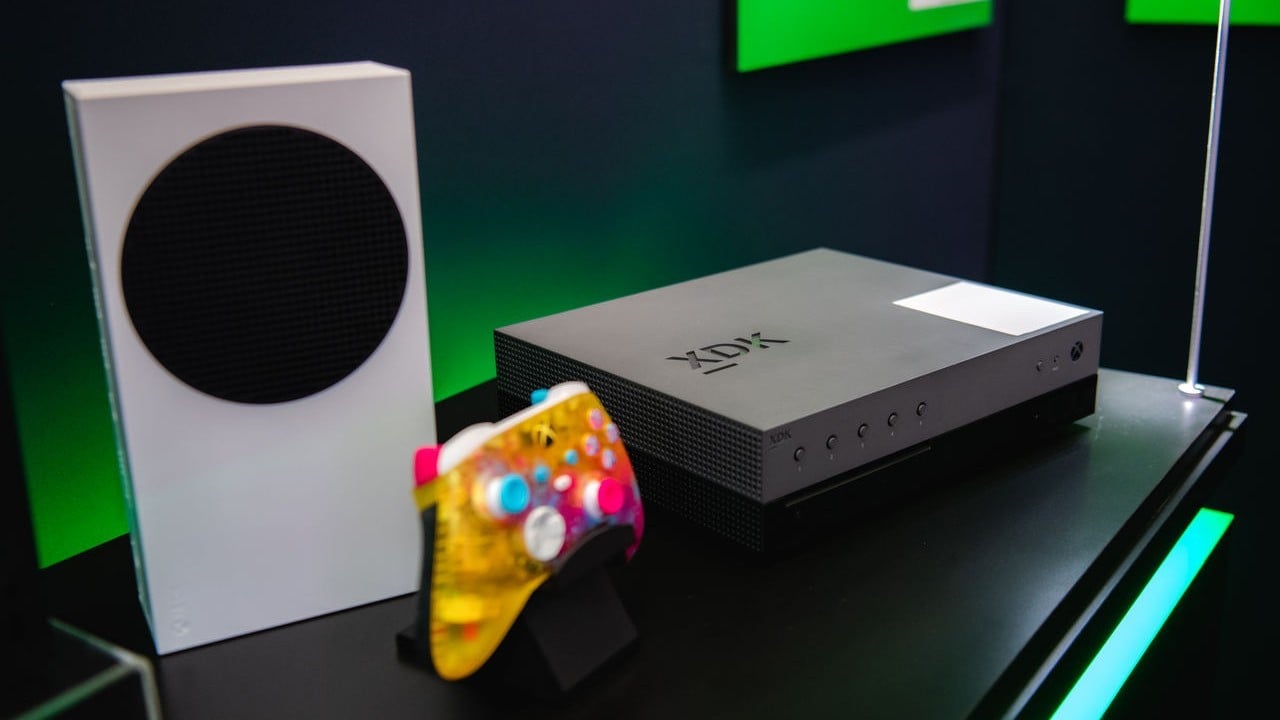
GDC 2026 served as an opportune moment for Microsoft to unveil these strategic initiatives. As one of the largest and most prestigious gatherings of professional game developers worldwide, GDC is an annual barometer for industry trends, technological advancements, and future outlooks. Developers attend to network, learn, and evaluate the tools and platforms that will shape their next projects. Against a backdrop of increasing market saturation and intense competition across digital storefronts, the emphasis on developer-friendly tools and expanded market reach resonates deeply within the community.
The current gaming landscape is characterized by its sheer volume of content. Steam alone hosts tens of thousands of games, with thousands more added annually. While this offers unparalleled choice for consumers, it presents significant discoverability challenges for developers. Standing out in a crowded marketplace requires not only a compelling game but also strategic distribution. By making it easier to publish on Xbox, Microsoft directly addresses this pain point, offering an additional, highly engaged audience segment. The Xbox user base is renowned for its loyalty and high spending habits, making it an attractive target for developers seeking sustainable revenue streams. Richards’ affirmation that "Xbox is a great home for developers. We have a really engaged, high spending audience. It’s a great place to bring and sell games," is a powerful incentive, particularly for studios operating on tighter budgets where every sale counts.
Success Stories and the $100,000 Milestone
Richards highlighted several high-profile success stories to illustrate the potential of the Xbox platform, including anticipated titles like Clair Obscur: Expedition 33, Ready Or Not, and Hollow Knight: Silksong. While these examples represent larger-scale indie or mid-tier productions, his discourse also emphasized the consistent, quieter successes achieved by smaller teams. He noted that "as many developers as ever making that amount of money on Xbox," referring to studios earning between $100,000 and $200,000 from their games.
This specific revenue bracket is critically important for independent developers. For many small studios or individual creators, generating $100,000 to $200,000 from a single title can mean the difference between sustainability and closure. It provides the capital needed to fund subsequent projects, pay team members, and invest in better tools or marketing. This level of success, even if not blockbuster, indicates a healthy and viable ecosystem for a broad spectrum of creators. The ID@Xbox team’s proactive efforts to prioritize discoverability and "pushing smaller games upwards in the rankings" further reinforces this commitment, ensuring that quality titles, regardless of their marketing budget, have a chance to find their audience. This involves curated storefront sections, editorial features, and strategic inclusion in services like Xbox Game Pass, which can provide a significant boost in visibility and player engagement.
Project Helix: The Game Changer for Cross-Platform Development
Perhaps the most exciting revelation in the context of Microsoft’s "build once, ship everywhere" strategy is the upcoming "Project Helix" Xbox console, slated for a 2027 release. This next-generation hardware is designed with deep compatibility in mind, specifically touting native support for PC games. This architectural decision is poised to be a game-changer for independent developers, particularly those who find initial success on PC platforms like Steam.
Historically, porting a game from PC to console has involved significant hurdles: adapting to different hardware architectures, optimizing for console-specific APIs (Application Programming Interfaces), navigating complex certification processes, and often requiring substantial re-engineering of code and assets. This often led to popular PC indie titles either arriving on Xbox years after their initial release or, in many cases, never making the jump at all due to prohibitive costs and resource requirements. The original article cites examples such as PEAK, Super Battle Golf, and Schedule 1 – titles that garnered significant acclaim and sales on Steam but faced delays or uncertainty regarding an Xbox port.
Project Helix, by supporting PC games natively, aims to drastically reduce these barriers. While specific technical details remain under wraps, this likely implies a unified development environment or a highly compatible underlying architecture that minimizes the need for extensive re-tooling. Developers who build for PC will theoretically find it much simpler to bring their creations to Project Helix, transforming what was once a complex porting endeavor into a more streamlined deployment process. This promises to enrich the Xbox library with a wider array of critically acclaimed and commercially successful indie titles, closing the "Steam gap" and ensuring Xbox players have access to a more comprehensive selection of games closer to their initial PC launch.

Broader Impact and Competitive Landscape
Microsoft’s renewed focus on developer empowerment and cross-platform accessibility via "build once, ship everywhere" and Project Helix carries significant implications for the broader gaming industry.
For Developers: The initiatives promise increased revenue potential through wider distribution, reduced development costs for multi-platform releases, and enhanced discoverability within the Xbox ecosystem. This could make Xbox an even more attractive platform for both nascent and established indie studios, potentially influencing where developers choose to invest their initial development efforts.
For Players: A more diverse and rapidly expanding game library is the direct benefit. The promise of fewer delays for popular PC indies and a consistent stream of new titles across console, PC, and cloud services enhances the value proposition of the Xbox ecosystem.
Competitive Positioning: This strategy sharpens Xbox’s competitive edge against rivals like PlayStation and Nintendo. While PlayStation has its own robust indie program, and Nintendo’s Switch remains a popular platform for indies, Microsoft’s aggressive push for cross-platform ease and PC game compatibility on console positions it as a leader in ecosystem integration. It directly challenges Steam by offering console access with minimal friction, potentially drawing developers who seek to maximize their reach beyond the PC-centric market. Furthermore, the enhanced Game Pass library, fed by this influx of new titles, strengthens its position as a leading subscription service in gaming.
Challenges and Future Outlook
While the vision is ambitious and promising, potential challenges remain. Market saturation, even with improved discoverability, is an ongoing concern. Microsoft will need to ensure that its curation efforts scale effectively with the anticipated increase in game submissions. Maintaining quality control while encouraging a high volume of releases will also be critical to uphold the platform’s reputation. Moreover, the successful execution of Project Helix’s PC game compatibility features will be paramount; any technical hitches or unforeseen complexities could undermine developer confidence.
However, if Microsoft delivers on its promises, the long-term outlook for Xbox as an open, developer-friendly, and player-centric ecosystem appears robust. The "build once, ship everywhere" philosophy, underpinned by the technological advancements of Project Helix, represents a strategic evolution designed to ensure Xbox remains a vibrant and essential destination for both game creators and consumers in the ever-evolving landscape of interactive entertainment. This commitment solidifies Microsoft’s dedication to an inclusive future where innovation thrives, and great games find their way to every player, regardless of their preferred platform.