


The global gaming landscape is undergoing a fundamental structural shift as personal computer gaming revenue is projected to overtake the console market within the next four years. According to a comprehensive market report released by the industry-leading data firm Newzoo, the PC sector’s steady trajectory and expanding demographic reach, particularly in Asian markets, are poised to disrupt the traditional dominance held by dedicated gaming consoles. This transition marks a significant milestone in digital entertainment history, reflecting broader changes in consumer behavior, hardware accessibility, and the evolving distribution strategies of major publishers like Microsoft and Sony.
The Shift in Market Dominance
For decades, the console market has been the primary engine of the high-end gaming industry, driven by the release of specialized hardware from manufacturers like Nintendo, Sony, and Microsoft. However, Newzoo’s latest findings indicate that the "cyclical nature" of consoles—characterized by massive surges in revenue during the launch of new generations followed by gradual plateaus—is becoming a liability in an era that demands consistent, year-over-year growth.
In contrast, the PC market operates on a more fluid hardware lifecycle. Instead of waiting for a "Generation 10" console, PC gamers engage in incremental upgrades of individual components such as Graphics Processing Units (GPUs) and Central Processing Units (CPUs). This creates a more resilient economic environment that is less susceptible to the supply chain shocks and "lame duck" periods that often plague consoles toward the end of their seven-year cycles. By 2028, the cumulative impact of this stability, combined with the rising costs of console development, is expected to tip the scales in favor of the PC.
Analysis of the 2025 Revenue Data
To understand the 2028 projection, analysts point to the performance metrics of 2025, which served as a bellwether for these upcoming changes. During that fiscal year, premium title revenue on consoles saw a robust 12% year-on-year increase. While this figure appears healthy, it highlights a growing dependency on "blockbuster" or "AAA" releases. The console market’s health is increasingly tied to a handful of massive hits—such as sequels to established franchises—rather than a diversified ecosystem of smaller titles.
Furthermore, the 2025 data revealed a slight decline in microtransaction revenue on consoles, a trend that suggests a saturation of the "live service" model on closed platforms. While subscription services like Xbox Game Pass and PlayStation Plus showed modest growth, they have yet to offset the volatility of hardware-dependent sales. On the PC side, however, the revenue streams appeared more balanced, with a mix of high-volume indie sales on platforms like Steam and consistent spending in the free-to-play sector.
Regional Influences and the Asian Market
A primary catalyst for the PC’s projected dominance is the rapid adoption of high-end PC gaming in Asia. While Japan remains a traditional stronghold for console gaming, neighboring markets in China, South Korea, and Southeast Asia have historically been PC-centric due to the prevalence of internet cafes (PC bangs) and the early unavailability of certain consoles.
As infrastructure improves and disposable income rises in these regions, the transition from mobile gaming to high-fidelity PC gaming is accelerating. Newzoo’s report suggests that the sheer volume of players in the Asia-Pacific region—many of whom prefer the versatility of a PC for both productivity and gaming—is a weight that the console market, which remains heavily reliant on North American and European consumers, cannot easily counter.
Microsoft’s Strategic Pivot: Project Helix
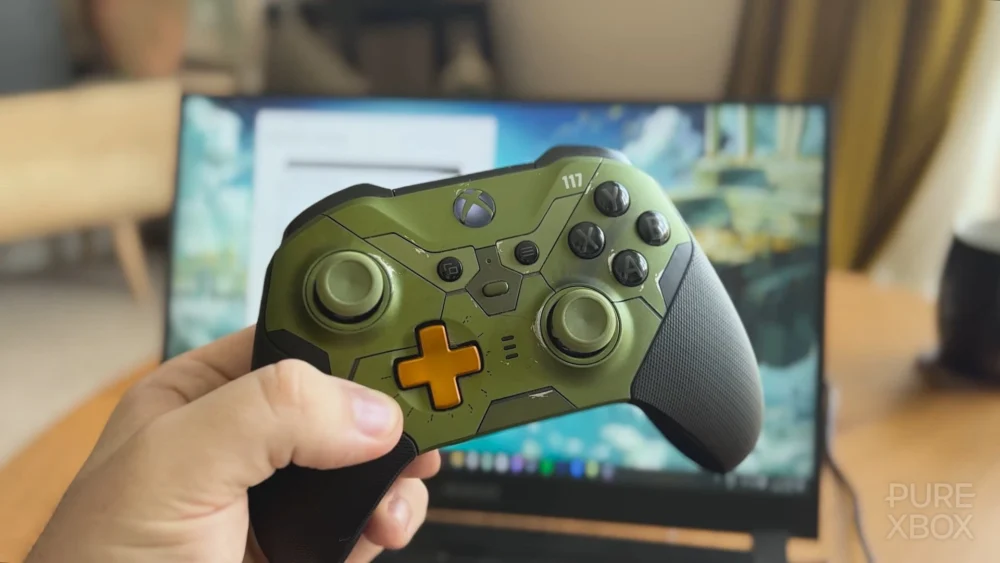
The data comes at a time when Microsoft is actively dismantling the barriers between its Xbox console ecosystem and the Windows PC environment. Central to this strategy is "Project Helix," an internal initiative aimed at bridging the gap between the two platforms. Recent reports from the Game Developers Conference (GDC) suggest that Microsoft is developing an "Xbox Mode" for Windows 11, which would effectively allow PCs to mimic the streamlined user interface of a console while retaining the open-ended nature of a computer.
Industry insiders suggest that Project Helix is a preemptive response to the very data Newzoo has published. By making the Xbox experience more "PC-like" and ensuring that Xbox hardware can run PC-based storefronts like Steam or the Epic Games Store, Microsoft is positioning itself to capture revenue regardless of which platform ultimately "wins" the market share battle. This move toward an open ecosystem is a radical departure from the "walled garden" approach that has defined the console industry since the 1980s.
The Role of Subscription Services and Raw Sales
The Newzoo report offers a nuanced look at how subscription models impact the two platforms differently. On Xbox consoles, there is mounting evidence that the availability of titles on Game Pass leads to a measurable decrease in individual game sales. While the service provides a steady stream of recurring revenue for Microsoft, it creates a "cannibalization" effect for third-party publishers who rely on the traditional $70-per-unit sales model.
On PC, the trend is markedly different. Data shows that PC gamers are more likely to purchase a game even if it is available on a subscription service. This is attributed to the "ownership culture" prevalent on platforms like Steam, where digital libraries are viewed as long-term investments. Consequently, PC versions of multi-platform titles often report more "impressive raw sales numbers" than their Xbox counterparts. This discrepancy makes the PC market more attractive to developers who are wary of the "all-you-can-eat" subscription model’s impact on their bottom line.
Chronology of the PC vs. Console Rivalry
The road to 2028 has been paved by several key industry shifts over the last decade:
- 2013-2015: The launch of the PS4 and Xbox One initially suggested that consoles would remain the dominant force, but the simultaneous rise of digital distribution on Steam began to empower independent developers on PC.
- 2018-2020: The "Cross-Play Revolution," led by titles like Fortnite, broke down the silos between platforms, making the choice of hardware less about which friends you could play with and more about performance preference.
- 2020-2022: Global supply chain issues made consoles nearly impossible to find, leading many frustrated consumers to invest in gaming laptops and desktop PCs.
- 2023-2024: Sony Interactive Entertainment began a concerted effort to bring its "Only on PlayStation" exclusives to PC, acknowledging that the PC market was too large to ignore.
- 2025-2026: Microsoft’s Project Helix and the rumored integration of Windows features into Xbox hardware signal the beginning of the "Platform Agnostic" era.
Implications for Hardware Manufacturers
The projection of PC dominance poses a strategic challenge for Sony and Nintendo. Sony has already begun to hedge its bets by releasing its first-party titles on PC, albeit usually a year or more after their console debut. If PC revenue truly surpasses console revenue by 2028, Sony may be forced to shorten this window to "day-and-date" releases to capture maximum value.

Nintendo remains the outlier, as its business model relies heavily on the synergy between its unique hardware and its world-renowned intellectual property. However, even Nintendo has faced pressure to expand its digital footprint. While it is unlikely that Nintendo will pivot to PC in the near term, the growth of the PC market may limit the "ceiling" for how many units future Nintendo hardware can sell in an increasingly PC-dominated world.
The Future of Game Development
For game developers, the shift toward PC-centric revenue means a change in optimization priorities. Traditionally, games were developed for consoles first and "ported" to PC later, often resulting in technical issues at launch. As the PC becomes the primary revenue generator, we are likely to see a "PC-first" development mentality. This will require studios to account for a wider range of hardware configurations from the outset, potentially leading to more scalable game engines and a greater emphasis on customizable graphical settings.
Furthermore, the "resilience" of the PC market mentioned by Newzoo suggests that the industry may move away from the high-risk "AAA" model. On PC, "AA" games and indie titles can find massive success through viral growth and community engagement (as seen with titles like Palworld or Helldivers 2). This diversification could lead to a more stable industry that is less prone to the massive layoffs and studio closures that often follow the failure of a single $200 million console exclusive.
Conclusion: A Borderless Gaming Future
The Newzoo report serves as a definitive signal that the traditional boundaries of gaming are evaporating. The year 2028 is set to be a turning point where the flexibility, openness, and global reach of the PC finally outweigh the curated, simplified experience of the console.
As Microsoft moves forward with Project Helix and other manufacturers adjust their strategies, the ultimate winner will be the consumer. The convergence of these platforms suggests a future where the hardware under the desk or beneath the TV matters less than the software running on it. While the console will likely never disappear, its role is changing from the centerpiece of the gaming industry to one of many ways to access a unified, PC-driven ecosystem.