


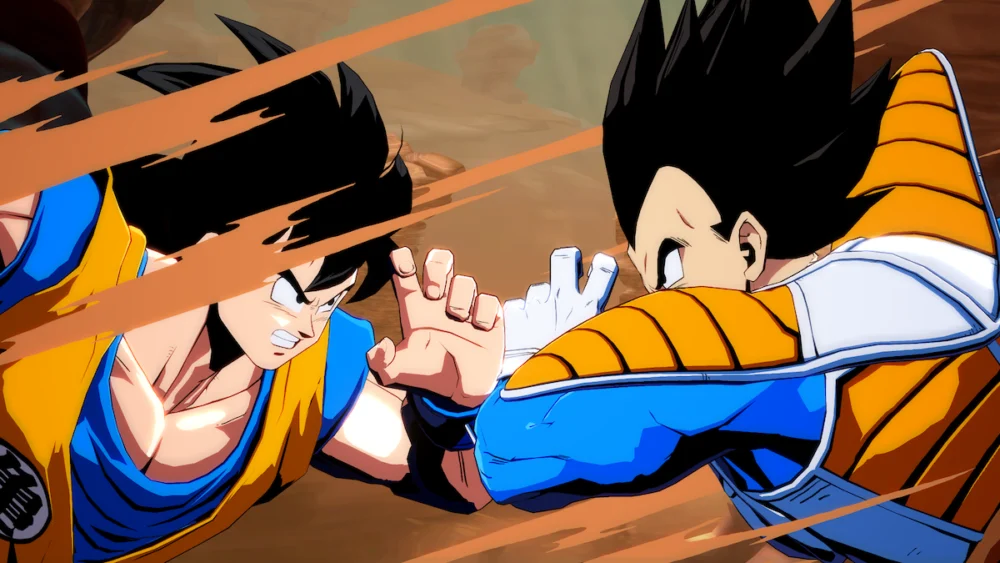
Gamers are currently leveraging an apparent oversight within the Xbox ecosystem to obtain permanent digital licenses for Dragon Ball FighterZ, the critically acclaimed fighting game developed by Arc System Works and published by Bandai Namco Entertainment. The exploit, which has gained significant traction across social media and gaming forums, enables active Xbox Game Pass subscribers to add both the Xbox One and Xbox Series X|S versions of the game to their permanent owned libraries, bypassing the typical purchase requirement, all while the title is featured in a temporary "Free Play Days" promotion. This development has sparked considerable discussion within the gaming community regarding its ethical implications, the potential for revocation of access, and the broader ramifications for digital distribution models.
The Unintended Acquisition Mechanism
The core of the loophole lies in the interaction between Xbox’s "Free Play Days" program and the console generation upgrade path for Dragon Ball FighterZ. Normally, "Free Play Days" offer subscribers a limited-time opportunity to play a full game without charge, with access expiring after a specific period. However, in this particular instance, a unique sequence of actions allows users to convert this temporary access into permanent ownership.
The process is remarkably straightforward for those with an active Xbox Game Pass subscription. First, users must locate and download the Xbox One version of Dragon Ball FighterZ from the Xbox Store during the designated "Free Play Days" promotional window, which for this title runs from Thursday, February 29, to Sunday, March 3, 2024, at 11:59 pm PST. Once the Xbox One version is installed and launched, players are presented with an in-game menu option to "upgrade" to the optimized Xbox Series X|S version. Typically, such an upgrade prompt would either require a separate purchase for games that do not offer a free Smart Delivery upgrade, or simply apply the optimization if already owned. In this anomalous scenario, selecting the "upgrade" option appears to erroneously trigger a permanent license grant for both the Xbox One and Xbox Series X|S versions of Dragon Ball FighterZ, adding them to the player’s digital game library as if they had been purchased outright. This effectively bypasses the temporary nature of the "Free Play Days" promotion, allowing players to retain the game indefinitely, even after their Game Pass subscription lapses or the promotional period concludes.
A History of Critical Acclaim: Dragon Ball FighterZ’s Impact
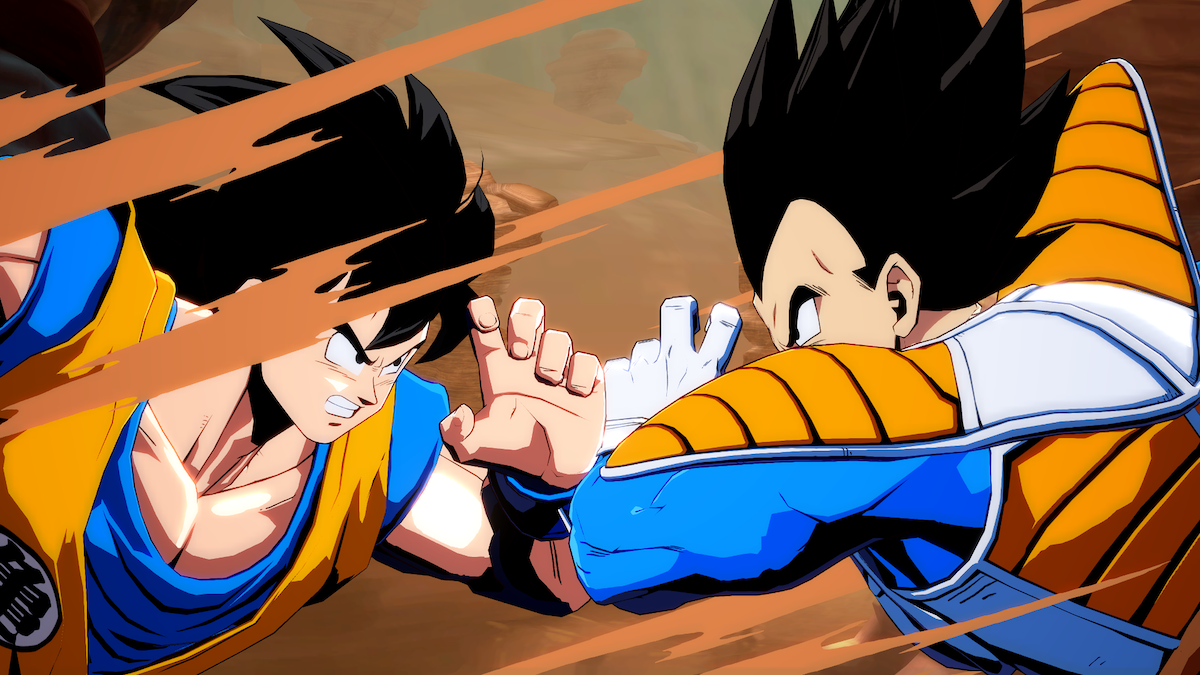
Dragon Ball FighterZ, released in January 2018, quickly established itself as a benchmark for modern fighting games, particularly those based on popular anime licenses. Developed by Arc System Works, renowned for their intricate 2D fighting mechanics in series like Guilty Gear and BlazBlue, DBFZ brought their signature visual fidelity and deep combat systems to the globally beloved Dragon Ball universe. The game was lauded by critics for its stunning cel-shaded graphics, which meticulously replicate the anime’s aesthetic, making it appear as if players are controlling an episode of Dragon Ball in real-time. Its accessible yet deep 3v3 tag-team combat system, featuring a diverse roster of iconic characters, garnered widespread praise, attracting both seasoned fighting game enthusiasts and newcomers to the genre.
Commercially, Dragon Ball FighterZ was an unequivocal success. Within its first week, it sold over two million copies worldwide, a significant achievement for a fighting game. By early 2019, Bandai Namco announced it had shipped over 4 million units, and by late 2020, this figure surpassed 6 million, solidifying its position as one of the best-selling fighting games of the generation. Its success introduced countless players to the competitive fighting game community (FGC), becoming a staple at major tournaments like Evo (Evolution Championship Series), and fostering a vibrant online competitive scene that continues to thrive years after its initial release. The game’s enduring popularity led to multiple seasons of downloadable content (DLC) characters and, eventually, a next-generation upgrade for Xbox Series X|S and PlayStation 5, further enhancing its visual performance and reducing load times. This latest upgrade, released in February 2024, added rollback netcode, a highly anticipated feature crucial for improving online multiplayer stability and responsiveness, further revitalizing its competitive appeal.
Xbox Game Pass and the Free Play Days Framework
Microsoft’s Xbox Game Pass, launched in June 2017, has fundamentally reshaped the landscape of video game subscription services. Often dubbed the "Netflix for games," it offers subscribers access to a rotating catalog of hundreds of titles, including first-party Xbox exclusives on day one of their release, for a monthly fee. The service boasts tens of millions of subscribers globally, providing immense value and a diverse library across console, PC, and cloud platforms.
"Free Play Days" is a supplementary perk often bundled with Xbox Game Pass Ultimate and Xbox Live Gold subscriptions. It’s designed to give subscribers a taste of select full games for a limited period, typically a few days over a weekend. The primary purpose of these promotions is to entice players to experience a game they might not otherwise try, with the hope that they will enjoy it enough to purchase the full title at a discounted rate, thereby converting temporary interest into permanent ownership and revenue for publishers and Microsoft. The functionality is explicitly temporary; once the "Free Play Days" window closes, access to the game ceases unless it is purchased. The current Dragon Ball FighterZ situation represents a significant deviation from this established model, turning a limited-time trial into an unintended permanent acquisition method.
Discovery and Community Response
The discovery of this unexpected loophole is attributed to @Wario64, a prominent Twitter account known for meticulously tracking and sharing video game deals, sales, and promotional offers. On Friday, March 1, 2024, @Wario64 posted details of the workaround, quickly gaining traction among their vast following of bargain-hunting gamers.
Initial reactions to @Wario64’s post were a mixture of excitement, skepticism, and cautious optimism. While many users enthusiastically reported success in acquiring the game permanently, others claimed the exploit did not work for them, leading to a brief period of confusion. This inconsistency could be attributed to various factors, such as regional differences in Xbox Store configurations, timing of attempting the exploit, or specific account settings. However, as more users confirmed its functionality, the method solidified as a verifiable, albeit seemingly unintentional, pathway to permanent ownership. The gaming community’s response highlighted the prevalent desire for value and free content, alongside an underlying awareness of the fragility of digital storefronts and the potential for such systems to be inadvertently exploited. Discussions also touched upon the ethical dilemma: is it exploiting a bug or merely taking advantage of a system’s unintended generosity?
The Silence from Redmond and Yokohama
As of the time of this report, neither Microsoft, the platform holder, nor Arc System Works, the game’s developer, nor Bandai Namco Entertainment, its publisher, has issued any official statement acknowledging the Dragon Ball FighterZ exploit. This silence, while not uncommon in the immediate aftermath of such discoveries, raises questions. It is plausible that both entities are genuinely unaware of the specific technical flaw that allows the permanent license grant. However, given the widespread dissemination of the workaround through popular gaming news channels and social media, it is increasingly unlikely that the issue remains completely unnoticed by their respective technical and customer service teams.
Should an internal investigation be underway, the lack of public comment would align with typical corporate protocol to thoroughly understand the bug, assess its impact, and formulate a comprehensive response before communicating with the public. Inferred statements, if they were to be made, might resemble previous instances where similar loopholes have occurred: Microsoft could issue a statement emphasizing that "Free Play Days" are intended for temporary access and that they are "investigating reports of unusual behavior" related to the promotion. Arc System Works or Bandai Namco might release a statement indicating they are "working closely with their platform partners to resolve any technical discrepancies" affecting the game’s distribution. The longer the silence persists, especially as the "Free Play Days" window approaches its close, the more speculation will mount regarding the ultimate fate of the permanently acquired licenses.
Potential Ramifications and Industry Precedent
The Dragon Ball FighterZ loophole carries several significant implications for players, platform holders, and publishers.
For Players: Those who successfully acquired the game are currently enjoying permanent access. However, a cloud of uncertainty hangs over these acquisitions. Microsoft has the technical capability to revoke licenses obtained through what they deem an exploit or error. Historically, platform holders have exercised this right, particularly when a significant number of licenses were granted unintentionally. Players face the dilemma of whether to invest time and potentially additional money (e.g., for DLC) into a game whose ownership status might be subject to retroactive revocation.
For Microsoft: This incident represents a potential flaw in their digital rights management (DRM) and promotional systems. While the direct financial impact might be limited (as the game is older and likely sold many copies already), the broader implications for the integrity of their Game Pass and "Free Play Days" programs are more significant. If such loopholes become common, it could erode trust in the stated terms of their promotions and potentially impact future sales of titles featured in "Free Play Days." Microsoft will need to patch the underlying system to prevent similar occurrences.
For Arc System Works and Bandai Namco: The primary concern for the publisher and developer would be the potential for lost revenue from future sales, particularly for the recently released next-gen version and any associated DLC. While the exploit might boost player numbers and online activity in the short term, it could cannibalize potential sales from individuals who would have otherwise purchased the game. It also highlights the complexities of managing game distribution across multiple platforms and generational upgrades.
Industry Precedent: This event could influence how platform holders design and implement future "Free Play Days" and upgrade promotions. It might lead to more stringent checks and balances in their digital storefronts and license granting systems. Such incidents serve as a reminder of the delicate balance between offering attractive promotions and safeguarding intellectual property and revenue streams in the digital age. From a legal and ethical standpoint, while players are exploiting a system error rather than engaging in direct piracy, the permanent acquisition without payment typically falls outside the intended terms of service, making the eventual fate of these licenses a point of keen interest.
The Clock is Ticking: What Lies Ahead
The immediate future of the Dragon Ball FighterZ exploit is tied directly to the conclusion of its "Free Play Days" promotion. Access is scheduled to end on Sunday, March 3, 2024, at 11:59 pm PST. Once this deadline passes, the window for leveraging the loophole will close.
The critical question that remains unanswered is whether Microsoft will take action to revoke the licenses of players who acquired the game through this method. There are precedents for both outcomes: sometimes, platform holders allow erroneously granted licenses to stand, perhaps considering it a minor loss or a complex technical challenge to reverse. Other times, they have acted swiftly to reclaim improperly distributed content. The decision will likely hinge on the scale of the exploit, the technical feasibility of revocation, and the public relations implications of such an action. Should licenses be revoked, an official statement explaining the reasoning would be expected. Conversely, if no action is taken, it might be interpreted as an acknowledgment of a system error that they are willing to absorb, or perhaps an inability to efficiently reverse the process.
Until an official response emerges, or the "Free Play Days" period concludes and subsequent access is tested, the status of these "free" copies of Dragon Ball FighterZ remains in a state of limbo. This incident serves as a fascinating case study in the ever-evolving landscape of digital game distribution, where unforeseen technical glitches can lead to unexpected windfalls for players and complex challenges for industry giants.