


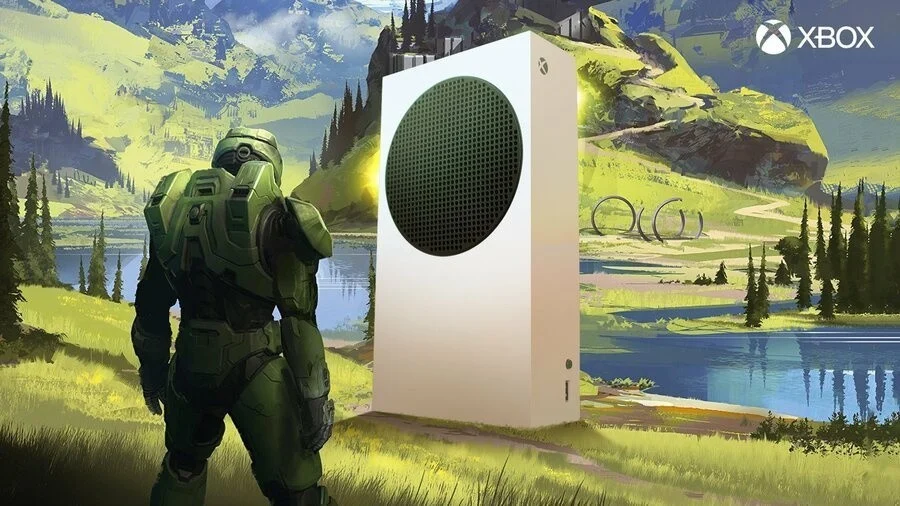
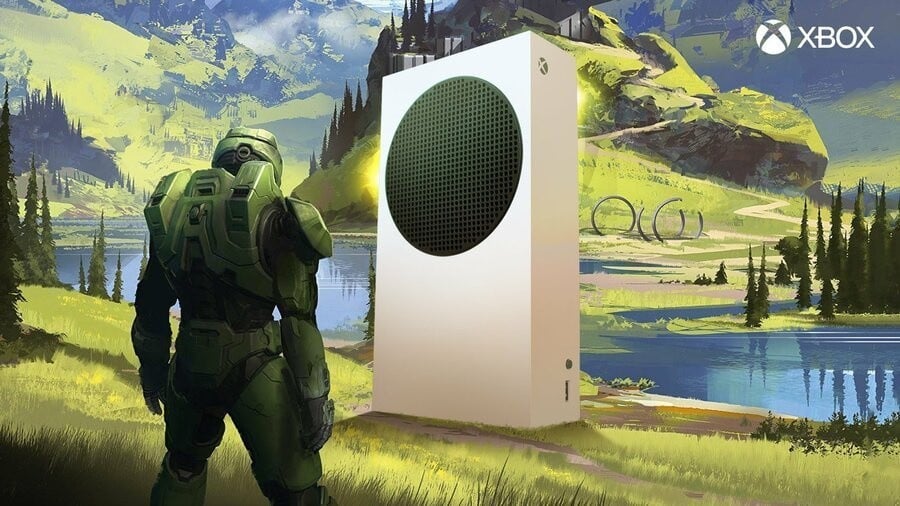
Microsoft Gaming has officially unveiled its roadmap for the next generation of hardware under the codename Project Helix, a device designed to bridge the historical divide between traditional console gaming and the expansive flexibility of the Personal Computer. Following a week of intense industry speculation, Microsoft Gaming CEO Asha Sharma confirmed that the upcoming hardware will not only serve as the successor to the Xbox Series X but will also feature native compatibility with PC software and digital storefronts. This strategic pivot marks one of the most significant shifts in the history of the Xbox brand, signaling a departure from the "walled garden" approach that has defined the console industry for over four decades. As the company positions Project Helix to "lead in performance," the announcement has sparked a wider debate regarding the device’s market placement, pricing structure, and its potential to redefine the consumer gaming experience.
The Technical Vision: Performance Leadership and Hybrid Architecture
The core of Project Helix lies in its ambition to provide a premium hardware experience that eliminates the compromises often found in mid-range gaming PCs and current-generation consoles. According to internal reports and statements from Asha Sharma, the device is being engineered to offer a performance tier that exceeds the capabilities of any current consumer console on the market. This includes a focus on advanced ray tracing, AI-driven upscaling technologies, and a unified architecture that allows the system to run both the Xbox OS and a modified version of Windows seamlessly.
The decision to integrate PC game support is not merely a software layer but a fundamental hardware consideration. Analysts suggest that Project Helix will likely utilize a high-performance custom SoC (System on a Chip) developed in partnership with AMD, potentially leveraging RDNA 4 or RDNA 5 graphics architecture alongside Zen 6 processing units. By incorporating dedicated hardware for AI processing—often referred to as an NPU (Neural Processing Unit)—Microsoft aims to deliver a system capable of sophisticated machine learning tasks, such as real-time frame generation and enhanced texture resolution, which have become staples of the high-end PC gaming market.
A Chronology of the Xbox Evolution: The Path to Helix
The journey toward Project Helix can be traced back through several key milestones in Microsoft’s "Gaming for Everyone" initiative. The transition began in earnest during the previous decade and has accelerated rapidly over the last few years:
- 2017–2020: The introduction of Xbox Game Pass and the "Play Anywhere" initiative began blurring the lines between Xbox and Windows 10, allowing users to buy a game once and play it on both platforms.
- 2020: The launch of the Xbox Series X and Series S established a two-tier hardware strategy, focusing on both high-end power and affordable entry points.
- 2024: The industry-wide shock of the PlayStation 5 Pro’s $699 price point signaled a shift toward a "premium" console tier, proving that there was a market—albeit a smaller one—for high-priced, enthusiast-grade hardware.
- 2025: Valve Corporation’s announcement of a new Steam Machine, designed to bring the SteamOS experience to the living room, placed direct pressure on Microsoft to offer a more open ecosystem.
- March 2026: Microsoft officially announces Project Helix, confirming that the next Xbox will natively support PC storefronts like Steam and the Epic Games Store, effectively ending the era of console exclusivity for the platform’s hardware.
The Economic Reality: Pricing and Market Positioning
One of the most pressing questions surrounding Project Helix is its anticipated retail price. The gaming industry is currently navigating a complex economic landscape characterized by rising semiconductor costs, global trade tariffs, and increased research and development expenses. The precedent set by the PlayStation 5 Pro in 2024 suggested that the $499 "sweet spot" for consoles may no longer be sustainable for cutting-edge hardware.
Market data indicates that high-end components, particularly GDDR7 memory and advanced 3nm or 2nm processing nodes, carry significant premiums. If Project Helix is to truly "lead in performance," industry experts estimate a launch price ranging from $799 to $999. Such a price point would move the Xbox brand into a "prosumer" or niche category, similar to high-end handhelds like the ROG Ally X or boutique gaming PCs. However, Microsoft may be banking on the "total cost of ownership" argument. By allowing users to access cheaper games through various PC storefronts and potentially removing the requirement for a paid subscription for online play—a standard on PC—the long-term savings for the consumer could offset the high initial hardware investment.
The "Open" Ecosystem: Breaking Down the Walled Garden
The most disruptive element of Project Helix is its "open" nature. For the first time, a major console manufacturer is inviting competing storefronts onto its proprietary hardware. This move is seen as a direct response to the growing popularity of handheld gaming PCs and the increasing demand for consumer agency. By supporting Windows-based applications, Project Helix could function as a high-end productivity machine in addition to a gaming console, further justifying a higher price tag.
This openness also carries significant implications for the Xbox Network (formerly Xbox Live). Historically, console manufacturers have subsidized hardware costs through software sales and subscription fees like Xbox Game Pass Core. On PC, however, multiplayer gaming is traditionally free. If Project Helix runs PC versions of games through Steam or the Epic Games Store, Microsoft will find it difficult to justify a paywall for online play. While not yet officially confirmed, industry insiders suggest that Microsoft may phase out the "pay-to-play-online" model for the Helix generation to maintain parity with the PC experience, a move that would be hailed as a major victory for consumer rights.
Competitive Landscape and Industry Reactions
The announcement of Project Helix has sent ripples through the competitive landscape. Sony Interactive Entertainment, which has traditionally adhered to a more conservative console model, now faces a competitor that offers a vastly different value proposition. While Sony relies on high-quality first-party exclusives to drive hardware sales, Microsoft is pivoting toward a platform-agnostic approach where the hardware is a gateway to a massive, multi-storefront library.

Valve Corporation, the steward of the Steam platform, occupies a unique position in this new ecosystem. While Valve’s upcoming Steam Machine will compete for living room space, the inclusion of the Steam store on Project Helix effectively makes Microsoft a high-end hardware partner for Valve. Third-party publishers such as Electronic Arts, Ubisoft, and Activision Blizzard are also expected to benefit, as the removal of technical barriers between PC and console versions of their games will likely reduce development costs and streamline the deployment of updates and DLC.
Asha Sharma’s leadership has been instrumental in this transition. Since taking the helm of Microsoft Gaming, Sharma has emphasized the need for Xbox to adapt to a world where "the platform is the player, not the device." Her marketing strategy for Project Helix appears focused on transparency and versatility, moving away from the "console war" rhetoric of previous decades and toward a vision of a unified gaming environment.
Broader Implications for the Future of Gaming
The success or failure of Project Helix will likely determine the trajectory of the entire gaming industry for the next decade. If the market embraces a high-priced, open-platform console, it could signal the end of the traditional "generational" model in favor of a more iterative, PC-like hardware cycle. Conversely, if the price proves too high for the average consumer, Project Helix may remain a prestigious but low-volume product, leaving the mass market to more affordable, specialized devices or cloud-based solutions.
Furthermore, Project Helix represents a significant test for Microsoft’s software-first strategy. By opening the hardware to other stores, Microsoft is voluntarily giving up its 30% cut on every digital transaction made through those platforms. This suggests a supreme confidence in the Xbox Game Pass subscription model and the strength of their first-party portfolio to attract users regardless of which storefront they use.
As the industry moves toward the holiday 2026 or 2027 release window, all eyes will be on how Microsoft communicates the value of this hybrid approach. The promise of "the most powerful Xbox ever" combined with "the most open Xbox ever" is a compelling narrative, but in a market increasingly sensitive to hardware costs, the final sticker price remains the most critical factor. Project Helix is not just a new console; it is a bold experiment in whether the convenience of a console can survive the transparency and freedom of the PC market. The coming months will reveal whether this convergence will create a new gold standard for gaming or if the two worlds are destined to remain apart.