


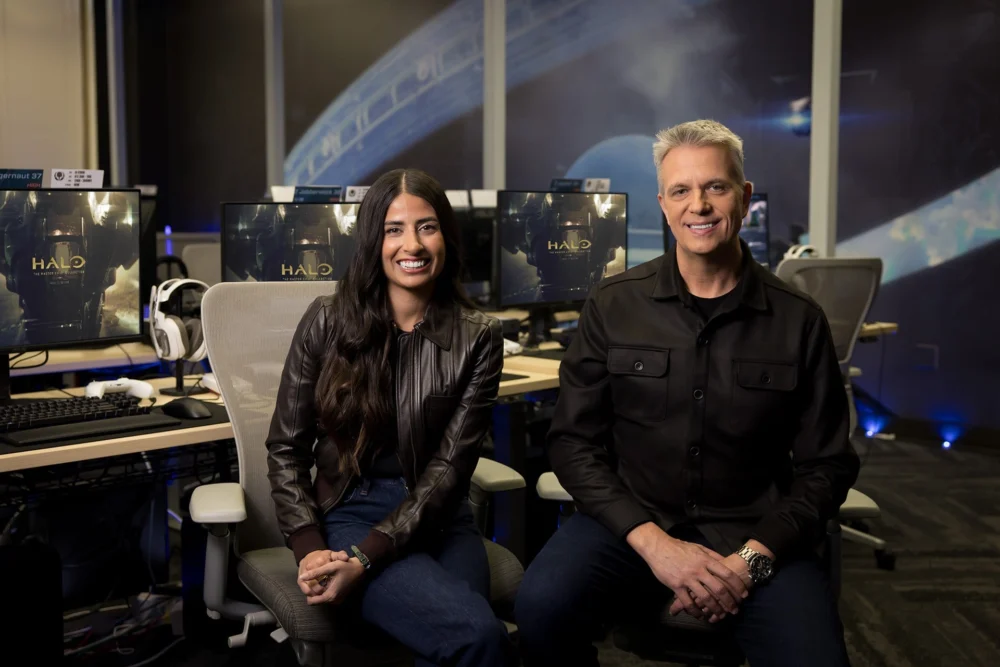
The Microsoft gaming division has entered a pivotal era of transition following the retirement of Phil Spencer and the subsequent appointment of Asha Sharma as the new lead executive for the Xbox brand. This leadership change, announced in February 2026, marks the end of a twelve-year tenure for Spencer, who is widely credited with revitalizing the platform after a tumultuous launch of the Xbox One. As Sharma takes the helm, the gaming industry is closely monitoring how her background in artificial intelligence and product operations will influence the future of the Xbox ecosystem, particularly regarding hardware exclusivity and multi-platform distribution.
The Transition of Power and the Spencer Legacy
Phil Spencer’s departure represents a significant cultural shift for Microsoft Gaming. Assuming the role of Head of Xbox in 2014, Spencer inherited a brand struggling with consumer identity and lagging hardware sales. Under his leadership, Microsoft shifted its focus from strictly hardware-based metrics to a service-oriented model, spearheaded by the launch of Xbox Game Pass in 2017. Spencer’s tenure was also defined by aggressive vertical integration, most notably the $7.5 billion acquisition of ZeniMax Media (parent company of Bethesda Softworks) and the historic $68.7 billion acquisition of Activision Blizzard King, which concluded in late 2023.
Despite these successes, the latter years of Spencer’s leadership were marked by internal and external pressures. While the Game Pass subscription model grew to over 34 million subscribers by early 2024, hardware sales for the Xbox Series X and Series S continued to trail behind competitors Sony and Nintendo. This discrepancy led to a strategic pivot in early 2024, where Microsoft began releasing former first-party exclusives, such as Sea of Thieves and Hi-Fi RUSH, on rival platforms. Asha Sharma now inherits a division that is no longer defined by the traditional "console war" but by its presence as a cross-platform content powerhouse.
Asha Sharma: A New Profile for a Changing Industry
The appointment of Asha Sharma signals Microsoft’s intent to lean into operational efficiency and emerging technologies. Unlike her predecessor, who was often viewed as a "gamer-first" executive with deep roots in the development community, Sharma’s background is rooted in product management and technology scaling. Prior to her elevation within Microsoft, she served as a high-ranking executive at Instacart and held significant roles at Meta (formerly Facebook). Within Microsoft, she has been a key figure in the integration of AI across the company’s product suite.
Critics have noted Sharma’s lack of a traditional gaming background, a point she addressed in recent interviews by emphasizing her commitment to data-driven decision-making and platform stability. Sharma has publicly stated that she does not intend to "fake" a gaming persona, instead focusing on her strengths as a builder of platforms and ecosystems. This approach has resonated with industry analysts who believe that as gaming moves toward cloud-based delivery and AI-assisted development, a leader with technical and operational expertise may be better suited for the role than a creative-focused executive.
Strategic Reevaluation: "The Plan is the Plan Until It’s Not"
In her first major addresses to the staff and the public, Sharma has introduced a philosophy of continuous reevaluation. Her statement, "the plan’s the plan until it’s not the plan," suggests a willingness to pivot away from long-standing industry dogmas if the data supports a different direction. This has sparked intense speculation regarding the future of Xbox hardware and the return of strict console exclusivity.
Under Sharma, Microsoft is expected to conduct a comprehensive audit of its "Project Latitude"—the internal initiative responsible for porting Xbox titles to other platforms. The primary question facing her administration is whether the short-term revenue gains from selling games on PlayStation 5 and Nintendo consoles outweigh the long-term risk of devaluing the Xbox hardware brand. Recent data suggests that while software sales have increased due to multi-platform availability, the incentive for consumers to purchase Xbox hardware has weakened, leading to a complex balancing act for the new leadership.
Chronology of Key Events Leading to the New Era
To understand the current state of Xbox, it is essential to look at the timeline of the last decade:
- March 2014: Phil Spencer is named Head of Xbox, replacing Don Mattrick.
- June 2017: Xbox Game Pass launches, fundamentally changing Microsoft’s revenue model.
- September 2020: Microsoft announces the acquisition of ZeniMax Media for $7.5 billion.
- January 2022: Microsoft announces its intent to acquire Activision Blizzard for nearly $69 billion.
- October 2023: The Activision Blizzard acquisition officially closes after rigorous regulatory scrutiny in the US, UK, and EU.
- February 2024: Microsoft confirms four first-party titles will go multi-platform, signaling a shift in strategy.
- February 2026: Phil Spencer announces retirement; Asha Sharma is appointed as the new CEO of Xbox.
The Role of AI and Future Hardware
One of the most significant implications of Sharma’s appointment is the expected acceleration of Artificial Intelligence integration within the Xbox ecosystem. Given her previous roles, analysts predict that Sharma will oversee the implementation of AI in three primary areas:
- Development Efficiency: Utilizing generative AI to assist first-party studios in asset creation, bug testing, and narrative branching, aiming to reduce the ballooning costs and timelines of AAA game development.
- Player Engagement: Implementing sophisticated AI algorithms within the Xbox dashboard to provide personalized game recommendations and dynamic community features.
- Cloud Gaming (Xbox Cloud Gaming): Using AI to optimize data center performance and reduce latency for streaming, which remains a cornerstone of Microsoft’s goal to reach billions of players worldwide.
Furthermore, Microsoft has invited developers to "build for what’s next" at the 2026 Game Developers Conference (GDC). This invitation, coupled with Sharma’s leadership, suggests that the next generation of Xbox hardware is already in the advanced planning stages. Reports indicate that the next console may be designed as a "hybrid" device, blending local high-performance computing with seamless cloud integration, a move that would align with Sharma’s background in scalable technology.
Community Sentiment and Market Reaction
Public sentiment regarding the leadership change remains divided. In a recent poll of over 4,000 Xbox enthusiasts, the community displayed a mixture of cautious optimism and skepticism. While many appreciate Spencer’s contribution to the brand’s survival, there is a palpable sense of "fatigue" regarding the inconsistent release schedule of first-party titles and the perceived lack of a clear hardware identity.

Industry analysts at firms such as Niko Partners and DFC Intelligence have noted that Sharma’s success will likely be measured by her ability to deliver high-quality content from the newly acquired Activision Blizzard studios. The integration of franchises like Call of Duty, World of Warcraft, and Overwatch into the Game Pass ecosystem is a massive undertaking that requires the operational precision Sharma is known for.
Broader Implications for the Gaming Industry
The transition at Xbox occurs during a time of broader consolidation and volatility within the gaming industry. As development costs rise, many publishers are moving away from exclusivity in favor of reaching the widest possible audience. Sharma’s "data-first" approach may accelerate this trend, potentially leading to a future where "Xbox" is viewed more as a software and service layer that exists across all screens rather than a specific box under a television.
However, this strategy carries risks. If Microsoft moves too far away from hardware exclusivity, it may lose its dedicated enthusiast base, which serves as the foundation for the Game Pass ecosystem. Sharma must find a way to maintain the "prestige" of the Xbox brand while simultaneously expanding its reach to mobile and rival platforms.
As the first year of the Sharma era begins, the focus remains on the upcoming slate of releases and the hardware roadmap for 2027 and beyond. The gaming world is watching to see if a leader from outside the traditional gaming sphere can navigate the unique creative and technical challenges of the industry. For now, the "future of Xbox" is a work in progress, defined by a shift from the charismatic, community-led style of Phil Spencer to a more calculated, platform-centric approach under Asha Sharma.