


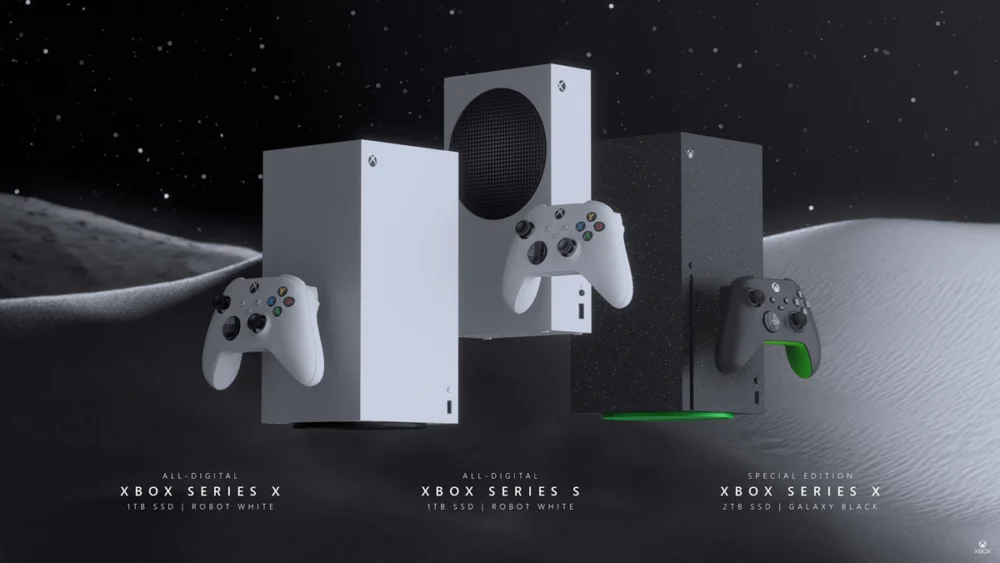
Microsoft is implementing significant price increases across its entire Xbox console lineup in the United States, a move that has ignited considerable debate within the gaming community. The most striking adjustment sees the premium 2TB Galaxy Black Special Edition of the Xbox Series X reaching a staggering $799.99. This price point is particularly contentious, as it places the cost of this console in direct competition with, and in some cases exceeding, the price of a custom-built personal computer utilizing components that are now several years old. This decision follows a broader trend observed in the gaming market, where console manufacturers are increasingly opting for price adjustments that run counter to typical consumer expectations of decreasing hardware costs over time.
Shifting Price Landscape for Xbox Consoles
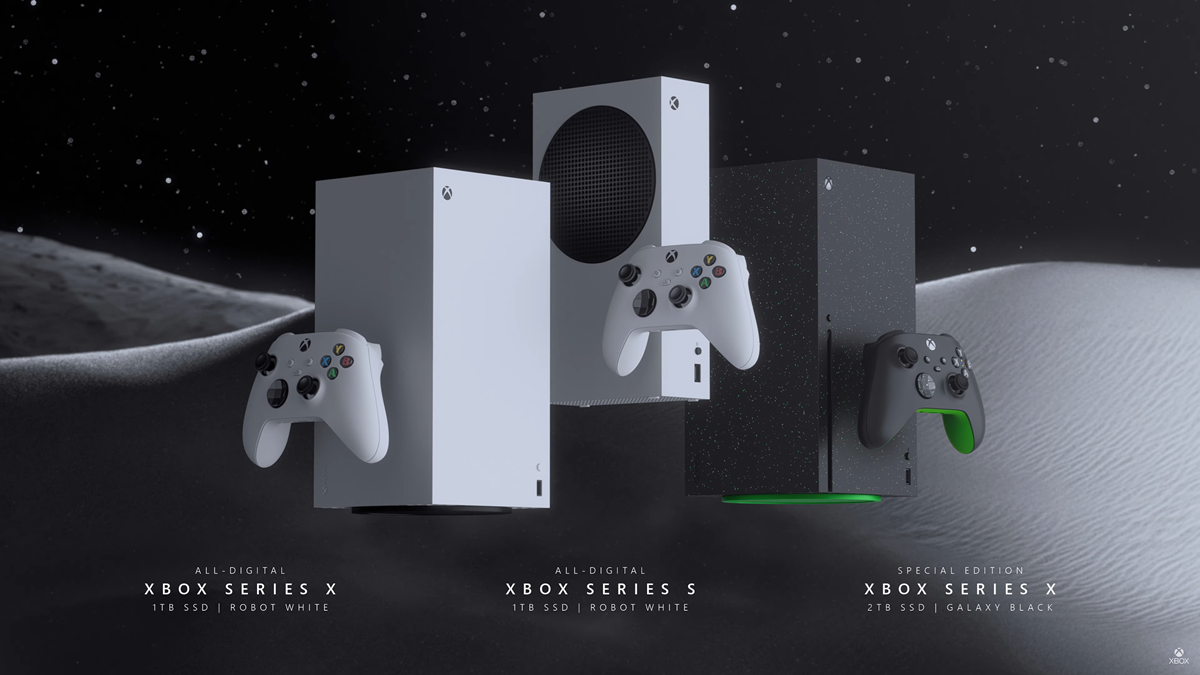
The revised pricing structure, officially announced on the Xbox support page and effective from October 3rd, introduces higher figures for all Xbox models available in the US. The Xbox Series S, previously a more budget-friendly option, will now retail for $399.99 for its 512GB variant and $449.99 for the 1TB model. The Xbox Series X sees a similar escalation, with the Digital Edition priced at $599.99 and the Physical (disc-drive) version at $649.99. The flagship 2TB Galaxy Black Special Edition, with its enhanced storage and distinct aesthetic, commands the highest price at $799.99. This substantial increase for hardware that has been on the market for approximately five years challenges the conventional understanding of technology depreciation, where older models typically become more affordable.
This pricing strategy deviates from the expected trajectory for consumer electronics, particularly consoles. Historically, as newer technologies emerge and manufacturing processes mature, the cost of producing and selling older hardware tends to decrease. However, both Microsoft and Sony appear to be bucking this trend. Reports suggest that Sony, for instance, has been reducing the storage capacity of its PlayStation consoles in European markets while maintaining or even increasing prices. This suggests a broader industry shift where consumers may be receiving either static or diminished hardware specifications for equivalent or greater financial outlay.
Underlying Economic Factors and Market Context
Microsoft has attributed these price adjustments to "changes in the macroeconomic environment." This broad statement offers a degree of ambiguity but likely encompasses a confluence of global economic pressures. Potential contributing factors include persistent global supply chain disruptions, which continue to affect the cost of manufacturing and transporting electronic components. Additionally, shifts in trade policies and tariffs, such as those that may have been imposed or considered by administrations like the Trump Administration in recent years, could also play a role in increasing the landed cost of imported goods.
It is noteworthy that these price hikes are currently exclusive to the United States market. Consumers in other regions have, for the time being, been spared these increased costs. This localization of price adjustments suggests that specific market conditions, currency exchange rates, and regional economic factors are being taken into account by Microsoft in its pricing strategy.
The Cost of Console Gaming Versus PC Alternatives
The elevated prices of the latest Xbox consoles, particularly the $799.99 Series X variant, raise significant questions about value proposition when compared to building a personal computer. For a comparable sum, consumers can assemble a capable PC using components that, while not necessarily cutting-edge, are readily available and offer considerable performance. The second-hand market for PC components, including graphics cards, CPUs, and RAM, has seen a significant deflation in prices for hardware released in the early to mid-2020s. This makes it feasible to construct a PC that rivals or even surpasses the graphical and processing capabilities of current-generation consoles for a similar or lesser investment.
Furthermore, the increasing trend of major game releases, including Xbox exclusives, launching simultaneously on PC diminishes the exclusivity advantage of console ownership. For individuals who already possess or are considering building a PC, investing in a console at these inflated prices may become a less attractive proposition. A well-configured PC can offer superior gaming experiences through higher frame rates, enhanced visual fidelity, and broader customization options, all while providing access to the same extensive library of games available on Xbox, often through services like Xbox Game Pass for PC.
Consumer Analysis and Future Implications
The decision by Microsoft to increase Xbox prices in the US, especially for its premium models, represents a significant shift in console market strategy. This move could have several implications for the gaming industry and consumer behavior:
- Shifting Consumer Preferences: As console prices approach PC build costs, consumers may increasingly weigh the advantages of a flexible, upgradeable PC against the more fixed architecture of a console. This could lead to a resurgence of interest in PC gaming, particularly among those who value customization and long-term value.
- Impact on Sales Volume: While price increases are often implemented to maintain profit margins, they can also suppress demand, especially in price-sensitive markets. The extent to which these new prices affect Xbox sales volume will be a key indicator of their market acceptance.
- Competitive Landscape: The pricing strategies of console manufacturers are closely watched by competitors. If Xbox’s price hikes lead to a discernible shift in market share, Sony and potentially Nintendo may adjust their own pricing or product strategies in response.
- The Value of Ecosystems: Microsoft’s argument for Game Pass, a subscription service offering access to a vast library of games, remains a strong draw. However, the ability to access Game Pass on PC means that the perceived value of the Xbox console itself is increasingly tied to factors beyond game access. The question remains whether the convenience and specific features of the console hardware justify the higher price point, especially when a capable PC can also leverage the service.
Historical Context of Console Pricing
Console pricing has historically followed a predictable pattern. Manufacturers often sell consoles at or near their manufacturing cost, or even at a loss, during the initial launch phase. The expectation is to recoup these costs through the sale of games, accessories, and subscription services over the console’s lifespan. However, as the console generation matures, manufacturing efficiencies and economies of scale typically lead to price reductions. This has not been the case in recent years, with both Sony and Microsoft maintaining or increasing prices for their current-generation hardware, even as the technology itself ages.
The current generation of consoles, the Xbox Series X/S and PlayStation 5, launched in late 2020. The initial pricing was set at $499.99 for the Xbox Series X and PlayStation 5 (disc version), with the Xbox Series S at $299.99 and the digital-only PS5 at $399.99. These prices were already considered by some to be at the higher end for console launches. The subsequent price increases, particularly the significant jump for the premium Series X model, signal a departure from this established pricing model.
Analysis of "Macroeconomic Environment" Factors
The term "macroeconomic environment" is broad and can encompass a multitude of economic indicators. In the context of consumer electronics, key factors that influence pricing include:
- Inflation: Global inflation rates have been a significant concern in recent years, impacting the cost of raw materials, manufacturing, labor, and logistics. Increased inflation directly translates to higher production costs, which manufacturers may pass on to consumers.
- Supply Chain Bottlenecks: The COVID-19 pandemic exposed vulnerabilities in global supply chains, leading to shortages of critical components like semiconductors. While some of these issues have eased, the ongoing geopolitical landscape and increased demand continue to exert pressure on supply chains, contributing to higher component costs.
- Currency Exchange Rates: For multinational corporations like Microsoft, fluctuations in currency exchange rates can significantly impact profitability when operating in different markets. A weaker US dollar relative to other currencies could necessitate price adjustments to maintain profit margins.
- Tariffs and Trade Policies: Government policies related to international trade, such as tariffs on imported goods, can directly increase the cost of bringing products into a country. Changes in trade agreements or the imposition of new tariffs can therefore influence final retail prices.
The fact that only the US market is affected by these price hikes suggests that Microsoft has assessed the specific economic conditions and competitive landscape within the United States to be the primary drivers for this decision.
The Argument for PC Over Console in the Current Market
With the cost of the Xbox Series X now rivaling that of a capable PC, the advantages of building a custom gaming rig become increasingly apparent:
- Customization and Upgradeability: PCs offer unparalleled flexibility. Users can select components that best suit their budget and performance needs, and they can upgrade individual parts over time to keep pace with technological advancements, extending the lifespan of their investment.
- Performance Potential: A PC built for a similar price point to an $800 Xbox Series X can often achieve higher frame rates, utilize higher resolutions, and enable more advanced graphical settings than a console.
- Versatility: A PC is not just a gaming machine; it’s a multipurpose device for productivity, content creation, browsing, and more. This added utility can justify the investment for many consumers.
- Game Access: As mentioned, Xbox Game Studios titles are now consistently released on PC day-and-date with console launches. Coupled with the PC version of Xbox Game Pass, this eliminates any significant advantage consoles hold in terms of game availability for those who choose the PC route.
- Cost-Effectiveness Over Time: While the initial outlay for a PC might be comparable to a high-end console, the ability to upgrade components means that a PC can remain a relevant gaming platform for a longer period without requiring a complete system replacement.
Conclusion: A Shifting Value Proposition
Microsoft’s decision to increase Xbox prices in the US, especially at such a steep rate for its premium model, marks a pivotal moment in console market dynamics. The traditional model of consoles becoming cheaper over time appears to be under significant pressure from evolving macroeconomic conditions and shifting industry strategies. As the cost of gaming hardware continues to rise, and the lines between console and PC gaming blur with cross-platform releases and subscription services, consumers are faced with increasingly complex decisions about where to invest their entertainment budgets. The $799.99 price tag for an Xbox Series X variant forces a direct comparison with the DIY approach of PC building, where for a similar investment, a more customizable and potentially more powerful gaming experience can be achieved. The coming months will reveal how effectively Microsoft can maintain its market position against these new pricing realities and the growing appeal of PC gaming alternatives.