


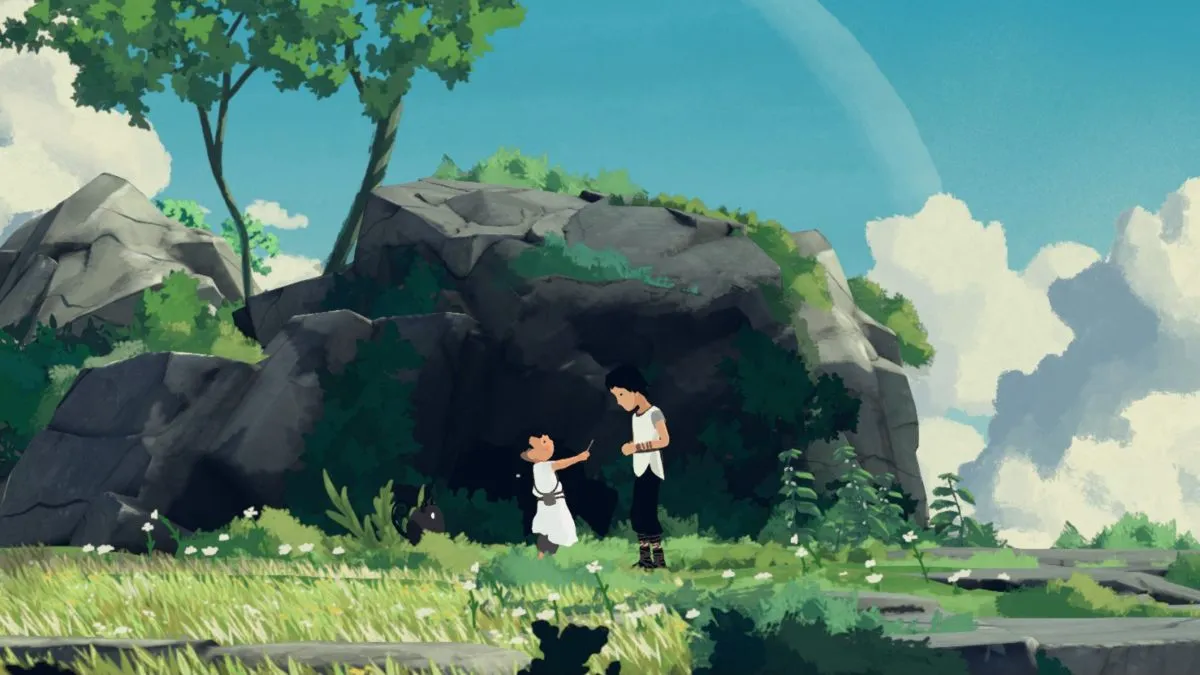
The journey of Lana and her loyal companion Mui continues in Planet of Lana 2, a sequel that plunges players deeper into a world teetering on the brink of ecological collapse. This installment transcends the initial narrative of hope and resilience against an encroaching technological threat, evolving into a poignant exploration of humanity’s destructive tendencies towards the natural world. The game presents a stark portrayal of unchecked greed and the insatiable desire to dominate and decimate surrounding environments, leaving behind a trail of devastation. The very forces once feared by civilization are now wielded by humanity, raising profound questions about the cost of community, belonging, and the fundamental right to a home.
While the initial offering of Planet of Lana captivated players with its unique visual storytelling and emotive gameplay, the sequel builds upon this foundation with a narrative that feels like a natural, albeit darker, progression. The original game skillfully conveyed its message through evocative imagery and the expressive actions of its characters, bypassing the need for conventional dialogue. This approach, while artistically bold, could present a barrier for newcomers. Planet of Lana 2 addresses this by incorporating a welcoming recap of the first game’s events, ensuring that players can seamlessly step into the expanded world without feeling lost. This narrative bridge is crucial, as the game’s core communication relies on a fabricated language, making universal accessibility a key design principle.
The Evolution of a Threat: From Technological Encroachment to Ecological Ruin
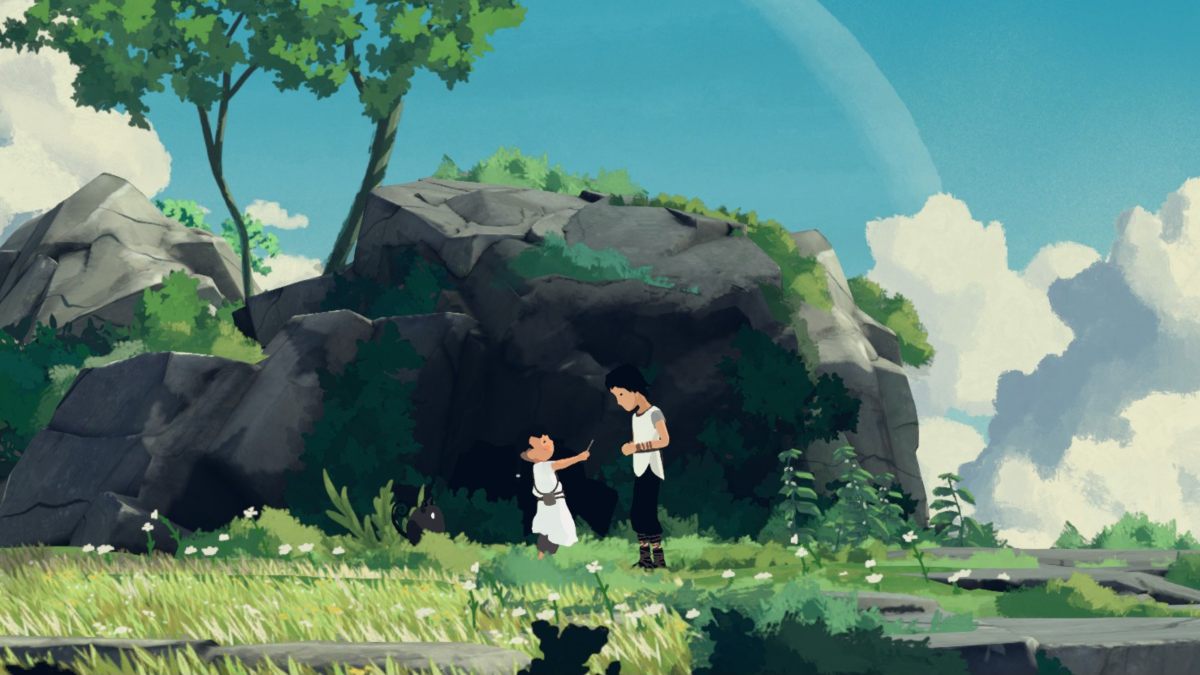
The narrative arc of Planet of Lana 2 represents a significant thematic shift. The first game centered on Lana’s quest to rescue her sister from a technologically advanced oppressive regime. This sequel, however, pivots to a more primal conflict: the devastating impact of human actions on the delicate balance of nature. The game’s developers have crafted a story that serves as a potent allegory for contemporary environmental crises, drawing parallels between the fictional world of Novo and the real-world challenges of deforestation, resource depletion, and the consequences of unchecked industrialization.
The visual storytelling remains a cornerstone of the Planet of Lana experience. Through repeated gestures, facial expressions, and the masterful use of an evocative soundtrack, players are guided to understand the unfolding events. This emotional resonance, akin to that found in acclaimed animated films and cinematic masterpieces, allows players to forge a deep connection with the characters and their plight, even when their dialogue is incomprehensible. The narrative, while open to interpretation, clearly articulates a story of environmental destruction, driven by the ambition of individuals and resulting in widespread suffering for others. This message resonates deeply in an era where technological advancement and ecological preservation are often at odds.
Echoes of Environmentalism: A Legacy of Cautionary Tales
The themes explored in Planet of Lana 2 are far from new, echoing cautionary tales that have resonated through various forms of media for decades. The narrative’s focus on humanity’s destructive tendencies and the consequences of greed aligns with the core messages of seminal works such as Hayao Miyazaki’s Nausicaä of the Valley of the Wind, the animated classic FernGully: The Last Rainforest, James Cameron’s epic Avatar, and even more recent speculative fiction like Mickey 17. These narratives, across different mediums, consistently highlight the importance of conservation and the profound impact of human actions on the natural world.
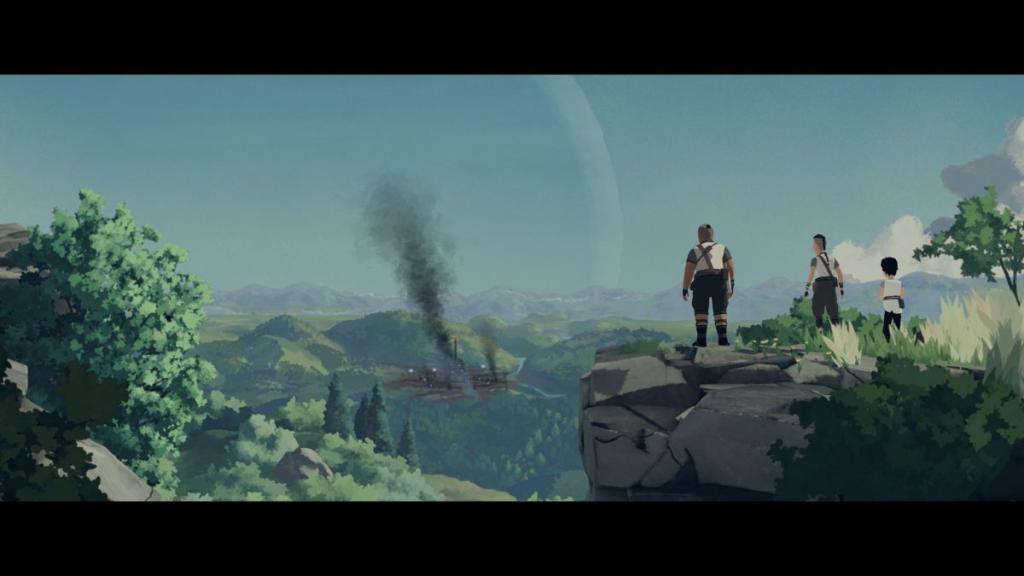
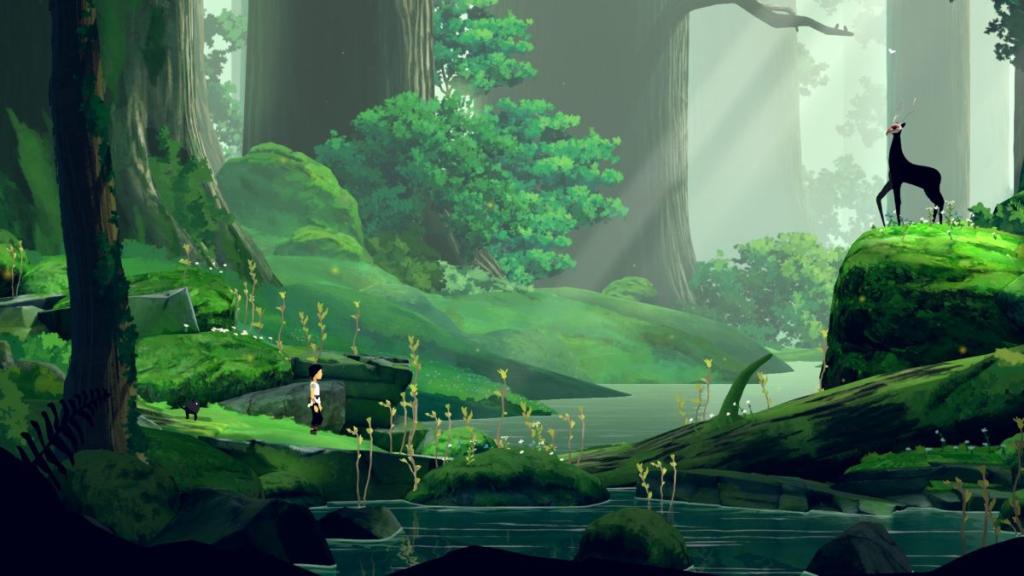
The game’s visual references, including a striking depiction of a deer spirit, further strengthen these thematic connections, evoking a sense of reverence for nature that mirrors the spiritual undertones found in Princess Mononoke. This deliberate choice by the developers serves to anchor the game’s message within a broader cultural dialogue about environmental stewardship and the ethical responsibilities humans have towards the planet. The stark contrast between the beauty of Novo’s natural landscapes and the encroaching destruction serves as a powerful visual metaphor for the ongoing struggle to protect the environment.
Gameplay Mechanics: Evolution and Refinement
Planet of Lana 2 refines and expands upon the puzzle-platforming mechanics introduced in its predecessor. Lana’s character development is evident in her enhanced agility, with new abilities like climbing and wall-jumping seamlessly integrated into the gameplay. These upgrades not only reflect her personal growth but also introduce more dynamic puzzle-solving opportunities. Mui, the alien companion, also plays a more pivotal role, with her unique abilities being central to overcoming environmental obstacles and unraveling complex puzzles. This synergy between Lana and Mui forms the core of the gameplay, demanding strategic thinking and collaborative execution.
The puzzle design in Planet of Lana 2 is characterized by its stimulating complexity and satisfying resolutions. Unlike many modern games that offer explicit guidance, Planet of Lana 2 embraces a more classic approach, allowing players the freedom to experiment and discover solutions at their own pace. This absence of hand-holding fosters a sense of accomplishment when a particularly challenging puzzle is finally conquered, reminiscent of the eureka moments experienced in beloved platformer classics such as the Spyro series, Crash Bandicoot, and Rayman. The introduction of new terrains and mechanics throughout the game ensures a continuous learning curve, preventing monotony and keeping players engaged.
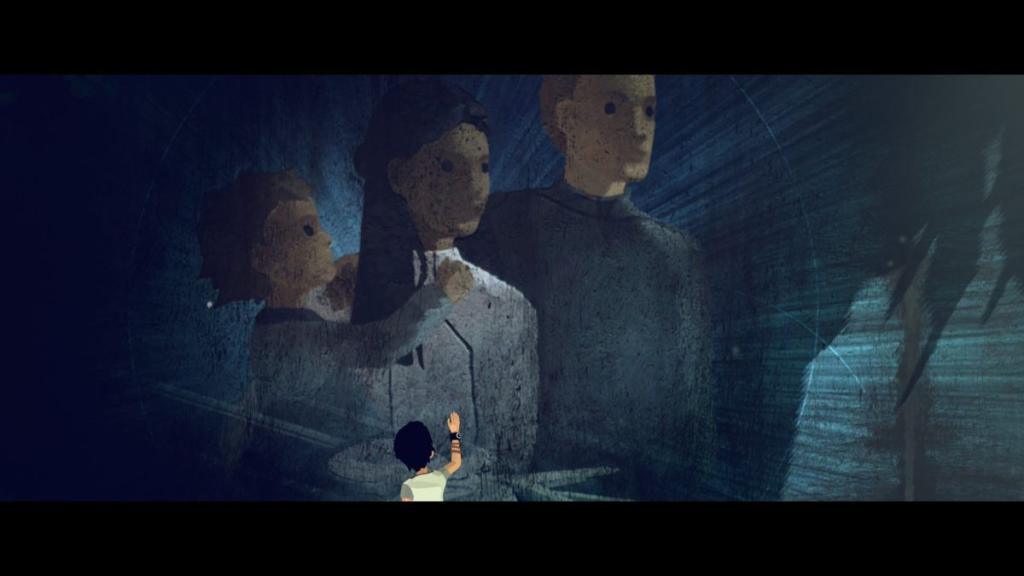
However, the game is not without its challenges. At times, the gameplay can lean towards trial and error, particularly when the controls feel imprecise. Instances where Lana fails to execute a jump with the expected accuracy can lead to frustrating repetitions, drawing comparisons to the precise platforming required in titles like Tomb Raider Anniversary. Certain sections, while designed to be engaging, can feel extended due to clunky movement mechanics, particularly when the player is forced into vaulting or climbing sequences that could have been streamlined. This occasional lack of fluidity can disrupt the otherwise immersive experience.
The level design, while generally commendable, occasionally suffers from an overemphasis on realism that can render puzzles more intricate than necessary. These moments, though infrequent, can lead to significant setbacks as players grapple with what appears to be an insurmountable challenge, only to discover a simpler solution. Whether this is a testament to the game’s design or a reflection of player perception remains a point of discussion, but it highlights a subtle imbalance in the pacing and difficulty curve.
Pacing and Narrative Structure: A Deliberate Cadence
The narrative structure of Planet of Lana 2 is built around a series of fetch quests that, while a common trope, are executed with enough engagement to remain compelling. The developers manage to imbue even these seemingly straightforward objectives with a sense of purpose and consequence, largely due to the evolving mechanics of Mui and the dynamic interplay between stealth, action, and puzzle-solving. The game masterfully balances moments of quiet contemplation, allowing the breathtaking scenery to speak for itself, with periods of intense action and emotional resonance.
The pacing of Planet of Lana 2 is a deliberate act of balancing. The game progresses through distinct phases, beginning with slower moments dedicated to establishing backstory and allowing players to acclimate to the world. This is followed by escalating sequences of action and emotional intensity, culminating in a narrative arc that mirrors the game’s themes of destruction, hope, and the inherent uncertainty of the future. This rollercoaster of pacing effectively captures the essence of the game’s message, steering clear of the more tranquil tones of a simple nature-themed road trip. While the game’s overall pacing is commendable, occasional slow loading screens can disrupt the flow, momentarily pulling players out of the immersive experience.
A Cliffhanger Ending and the Future of Novo
Without venturing into spoiler territory, the conclusion of Planet of Lana 2 strongly suggests the possibility of a future installment. While the abrupt cliffhanger might be a source of excitement for some, it could also be perceived as a manipulative narrative device by others, leaving fans in anticipation of a sequel that is not guaranteed. This stands in contrast to the original Planet of Lana, which offered a complete narrative while still leaving the door open for future possibilities. The sequel’s ending, while impactful, places a greater onus on the player’s expectation for continued content.
Despite minor critiques regarding control precision and occasional pacing issues, Planet of Lana 2 delivers a deeply engaging puzzle-platformer experience that appeals to both the intellect and the emotions. It represents a significant evolution from its predecessor, offering a more profound narrative and refined gameplay. For enthusiasts of the puzzle-platformer genre, Planet of Lana 2 is an undeniable recommendation, a testament to the power of interactive storytelling and its ability to tackle complex themes with artistry and impact. The game’s success lies in its ability to weave a compelling narrative with challenging yet rewarding gameplay, all while delivering a powerful message about humanity’s relationship with the natural world.