



In an era marked by persistent global inflation and rising living expenses, particularly concerning essential goods like food, the discretionary spending on entertainment has come under increasing scrutiny. For the vast global community of video game enthusiasts, the rising price tags of new releases, often reaching $70 USD or more, coupled with microtransactions and DLC, present a significant financial challenge. This article delves into a range of often-overlooked and highly effective strategies that gamers can employ to significantly reduce their expenditures without sacrificing their passion for interactive entertainment. By exploring traditional, digital, and community-driven avenues, players can continue to enjoy a rich gaming experience while exercising fiscal prudence.
Leveraging Public Libraries: A Community Resource for Gamers
One of the most surprising yet potent resources for cost-conscious gamers is the local public library. Far from being mere repositories of books, many modern libraries have expanded their collections to include video games for various platforms, making them available for free rental to cardholders. This initiative reflects a broader trend in libraries to serve as comprehensive community hubs, offering access to diverse media and technology. For instance, the Edmonton Public Library (EPL) in Canada is cited as a prime example, providing extensive video game lending services. While new releases might experience a typical delay of approximately one month before becoming available due to acquisition and cataloging processes, this minor wait is a small trade-off for free access to popular titles and extensive back catalogs. This system allows players to catch up on acclaimed franchises like Resident Evil and Fire Emblem without any upfront cost, effectively turning a library card into a passport to a vast gaming library. The availability of games through libraries not only democratizes access to entertainment but also encourages responsible consumption by promoting borrowing over buying, aligning with sustainable community practices. This model also allows players to try games before committing to a purchase, reducing the risk of buyer’s remorse.
Harnessing the Power of Deal Aggregators and Online Communities
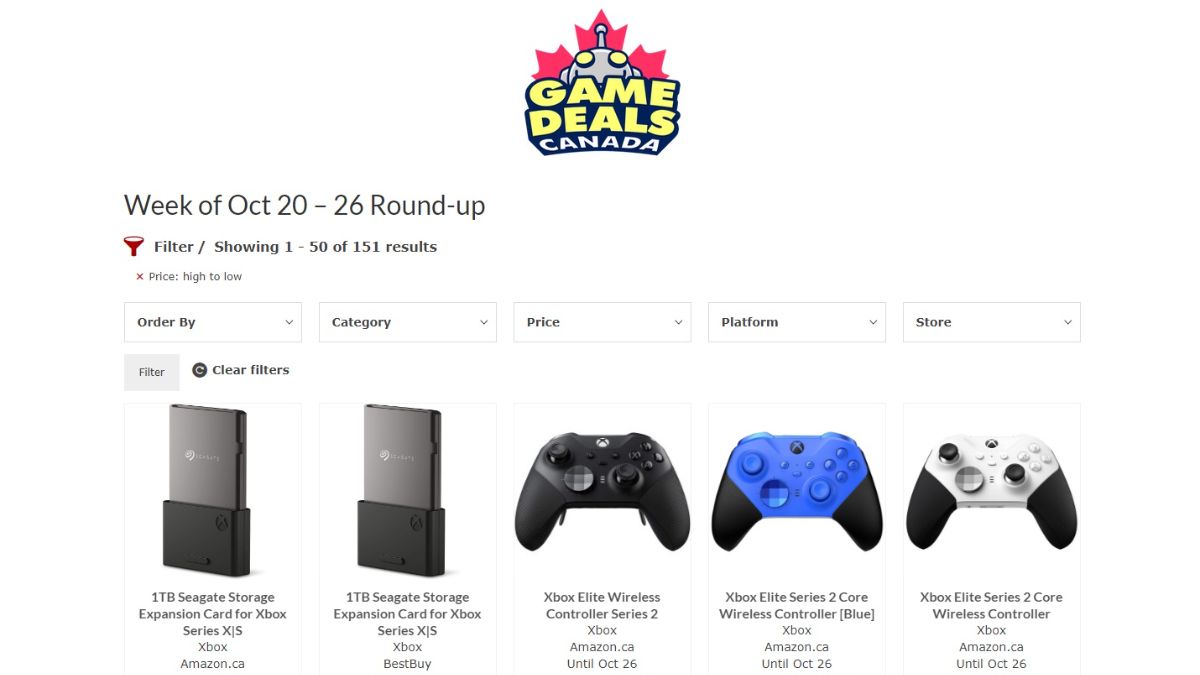
For those seeking the absolute best prices on video games, dedicated deal-searching websites and vibrant online communities are indispensable tools. Platforms such as Cheap Ass Gamer and Game Deals Canada meticulously compile and present a wide array of gaming discounts from various retailers. These sites are particularly invaluable during major sales events like Black Friday, Cyber Monday, and seasonal promotions, where discounts can be substantial. Beyond curated websites, social media platforms, especially Reddit, host highly active communities focused on uncovering and sharing deals. Subreddits like r/GameDeals and r/NintendoSwitchDeals serve as real-time hubs where users post immediate updates on sales, price drops, and promotional offers across digital storefronts and physical retailers. The collective vigilance of these communities often means that fleeting "flash sales" or limited-time offers are quickly identified and disseminated, allowing savvy shoppers to capitalize on opportunities they might otherwise miss. This collaborative approach ensures that gamers are always informed about the most competitive prices, fostering a culture of smart shopping and maximizing value for their entertainment budget.
Exploring the Second-Hand Market: Facebook Marketplace and Beyond
The peer-to-peer second-hand market has emerged as a fertile ground for securing video games at significantly reduced prices. Facebook Marketplace, in particular, stands out as a highly effective platform where individuals can buy and sell used games directly. The advantage here often lies in bypassing traditional retail markups; individuals are frequently willing to sell their pre-owned games for less than what established used-game retailers like GameStop might offer. The agility required to snag these deals is crucial, as desirable titles often sell quickly. Illustrative examples include finding recent releases such as Final Fantasy XVI and Armored Core VI Fires of Rubicon for approximately $60 Canadian (roughly $45 US) just months after their initial launch, representing a substantial saving compared to new retail prices. While the convenience of a direct transaction is appealing, buyers should exercise caution, verify the condition of the game, and ideally arrange to meet in safe, public locations. This method not only offers financial benefits but also promotes a circular economy for games, extending the life cycle of physical media.
Unlocking Value with Game Bundles: A Boon for PC Gamers
Game bundles represent an exceptional value proposition, particularly for PC gamers. Retailers like Humble Bundle and Fanatical have perfected the art of packaging multiple games together, often at a fraction of their combined individual prices. Humble Bundle is renowned for its charitable aspect, allowing buyers to allocate a portion of their purchase to various charities, adding a philanthropic dimension to gaming. For example, the "Laugh Till You Die: Multiplayer Mayhem" charity bundle in October 2023 offered popular titles like PlateUp! and Ultimate Chicken Horse alongside five other games for approximately $10 USD. Considering PlateUp! alone typically retails for $19.99 USD, the savings are considerable.

Fanatical offers a similar model but often provides more customization, such as "Build Your Own" bundles. The "Play On The Go Premium Edition Build Your Own Bundle" in October allowed purchasers to select games like Wolfenstein 2: The New Colossus, Doom, The Walking Dead: The Telltale Series The Final Season, and The Ascent. Opting for three games might cost around $10, while selecting seven could be approximately $20. These bundles are a fantastic way to discover new games, expand one’s library with critically acclaimed titles, and support developers, all while benefiting from significant discounts. The economic model behind bundles allows publishers to monetize older titles or reach new audiences, creating a win-win scenario for both consumers and the industry.
The Timeless Strategy: Borrowing from Friends
Sometimes, the simplest solutions are the most effective. Asking a friend to lend a game is a zero-cost option that remains highly viable, especially for physical media. If a friend has already completed a game or is currently engaged with another title, a polite request to borrow their copy can provide free access to desired experiences. For instance, if a friend owns Call of Duty: Modern Warfare 3 but is engrossed in Diablo 4, inquiring about borrowing the COD title is a perfectly reasonable and often successful approach. This method fosters social connections and shared experiences within gaming communities. The key is to establish clear expectations regarding the return of the game, ensuring that the friendship remains prioritized over the borrowed item. This age-old practice of sharing resources is a testament to the enduring value of personal networks in mitigating entertainment costs.
Discovering Gems in Thrift Stores and Pawn Shops
Thrift stores and pawn shops offer a unique treasure hunt experience for gamers. While often associated with older items, pawn shops frequently carry modern titles, especially physical copies that individuals sell for quick cash. The author noted finding the typically expensive Mario Tennis Aces for $35 CAD (approximately $25 USD) at a pawn shop, a significant discount from its retail price. Thrift stores, on the other hand, are often goldmines for retro gaming enthusiasts. Rare and valuable older titles, such as the PlayStation 2 port of Harry Potter and the Sorcerer’s Stone, can occasionally be unearthed at incredibly low prices. Success in these venues often requires patience, persistence, and a keen eye, but the potential rewards of finding a coveted classic or a recent hit at a bargain price make the effort worthwhile. These outlets contribute to the longevity of physical games and offer an alternative market for collectors and budget-conscious players.
Staying Informed: Retail Flyers and Online Deals Pages
Despite the digital age, traditional retail flyers and dedicated online deals sections remain crucial resources for identifying gaming discounts. Weekly flyers, particularly prevalent in regions like Canada, often feature surprising sales on video games. While physical flyers may be less common in some markets, most major retailers have robust online deal pages. For example, Walmart’s online video game deals section can reveal substantial savings; a random check might show Yoshi’s Crafted World at $10 off and The Legend of Zelda: Link’s Awakening at $20 off. Diligently checking these resources, both physical and digital, ensures that consumers are aware of ongoing promotions and can plan their purchases strategically around sale cycles. Retailers use these promotions to drive traffic and clear inventory, offering opportune moments for gamers to acquire desired titles at reduced costs.
Subscription Services: The New Paradigm of Gaming Access
Subscription services have fundamentally transformed how many gamers access and consume content, offering vast libraries of games for a monthly fee. Xbox Game Pass and PlayStation Plus Extra stand out as the leading contenders in this space, both providing immense value for under $20 a month.
-
Xbox Game Pass: Arguably leading the charge, Xbox Game Pass offers day-one access to major first-party titles and select third-party releases, exemplified by games like Starfield and Lies of P launching directly onto the platform. Subscribers gain immediate entry to entire iconic franchises such as Halo and Gears of War, alongside a diverse catalog of acclaimed indie games like Celeste and Inside, and family-friendly titles like Disney Dreamlight Valley. The service’s tiered structure allows users to choose the level of access that best suits their needs, making it a highly cost-effective way to experience a broad range of games without individual purchases. The consistent influx of new titles keeps the library fresh and engaging.
-
PlayStation Plus Extra: Not to be outdone, PlayStation Plus Extra boasts an impressive collection of titles, including critically acclaimed exclusives such as Ratchet & Clank: Rift Apart, Demon’s Souls (PS5), and Marvel’s Spider-Man: Miles Morales. It also provides an excellent opportunity for players to catch up on titles they might have missed, like NieR Replicant. While it doesn’t typically feature day-one first-party releases like Game Pass, its extensive back catalog of beloved PlayStation titles offers tremendous value. Both services effectively mitigate the high upfront cost of individual game purchases, allowing subscribers to explore a curated selection of games at a predictable monthly expense. The rise of these services reflects a broader industry shift towards access-over-ownership models, making gaming more affordable and accessible to a wider audience.
Maximizing Rewards Programs for Gaming Currency
Beyond direct discounts and subscription models, various rewards programs offer indirect savings by converting everyday activities or purchases into gaming currency or gift cards.
-
Microsoft Rewards (Bing): This program provides a surprisingly effective way to earn credits for Xbox. By simply using Bing for web searches instead of Google, users accumulate points. Engaging with fun quizzes and daily activities further boosts point accrual. These points can then be redeemed for Xbox gift card codes, often amounting to $5 or more per month with consistent use. The cumulative savings can be significant, potentially exceeding $50 annually for active users. Additionally, the program caters to fans of specific games by offering in-game currency for popular titles like Overwatch and League of Legends, providing a tangible benefit for routine online activities. This system effectively turns passive web browsing into a direct saving mechanism for gamers.
-
PlayStation Stars: Sony’s PlayStation Stars program rewards loyal PlayStation users. Members earn points from their purchases on the PlayStation Store and by completing specific tasks within the PlayStation App, such as playing games from the monthly PlayStation Plus lineup or checking out new titles. These accumulated points can then be redeemed for digital PlayStation Store gift cards or even full digital games like Cuphead. This incentivizes engagement with the PlayStation ecosystem and rewards regular players with tangible benefits that reduce future spending.

-
My Nintendo Gold Points: Nintendo also offers a rewards system through its eShop, where users earn "Gold Points" from digital game purchases. Typically, players receive approximately $4 back for every $80 game purchased, according to My Nintendo’s guidelines. While this is a straightforward cashback system on purchases, it currently lacks the additional task-based point accumulation features seen in PlayStation Stars or Microsoft Rewards. Nevertheless, these accumulated points can be applied towards future eShop purchases, offering a direct discount on subsequent games.
In conclusion, navigating the contemporary landscape of video game consumption amidst rising economic pressures requires a multi-faceted approach. By strategically utilizing public libraries, engaging with online deal communities, exploring the second-hand market, capitalizing on game bundles, leveraging social networks, hunting for bargains in physical stores, staying informed on retail promotions, embracing subscription services, and maximizing rewards programs, gamers can significantly reduce their expenditures. These diverse strategies empower players to maintain their passion for gaming without compromising their financial well-being, reflecting an evolving consumer landscape where resourcefulness and informed decision-making are paramount.