


The preservation of video game history is no longer a niche concern but a vital undertaking for the industry, and Xbox is at the forefront of this critical movement. At a recent Game Developers Conference (GDC) panel, representatives from Xbox articulated a deep-seated commitment to ensuring that the gaming experiences of yesteryear remain accessible and enjoyable, even as technological advancements continually reshape the digital landscape. This dedication extends beyond mere archival, aiming to leverage modern technology to enhance and reimagine classic titles for contemporary audiences.
A Personal Imperative for Game Preservation
The importance of game preservation was underscored by a senior executive at Xbox, who shared a personal anecdote illustrating the enduring appeal of older games. He highlighted how his own son frequently engages with titles released long before his birth, discovering them as fresh and captivating experiences. This personal connection, he explained, fuels a fundamental belief within Xbox that "great games are timeless." The sentiment emphasizes that the artistic and entertainment value of a well-crafted game transcends its release date, offering lasting enjoyment and cultural relevance.
This philosophy directly informs Xbox’s approach to its extensive back catalog. The company believes that players should have the opportunity to experience these classic games in ways that are both familiar and accessible, rather than being burdened by outdated or cumbersome methods of play. The challenge, as articulated by Xbox leadership, lies in bridging the gap between the past and the present, ensuring that technological evolution does not become a barrier to accessing gaming’s rich heritage.
Embracing the Future to Enhance the Past
Xbox’s strategy for game preservation is not solely about maintaining the status quo; it actively seeks to infuse classic titles with new life through the application of cutting-edge technology. The executive detailed how features such as Auto HDR are being implemented to bring vibrant visual enhancements to games that were originally developed long before High Dynamic Range (HDR) technology even existed. The transformative effect of this feature, he noted, can make older titles feel "entirely new" and "very fresh."
Similarly, the FPS Boost initiative is another key pillar of this strategy. By enabling games to run at significantly higher frame rates than originally intended, FPS Boost offers a palpable improvement in gameplay fluidity and responsiveness. For many players, this enhancement can feel akin to receiving a full remaster, breathing new life into beloved classics without the need for a complete overhaul. These technological interventions demonstrate a proactive approach to preservation, ensuring that games are not just playable, but also enjoyable and competitive in today’s gaming environment.
Expanding Accessibility Through Cloud Streaming and Modern Platforms
Beyond visual and performance enhancements, Xbox is also leveraging cloud streaming to make retro games accessible on a wider array of devices. This capability allows players to enjoy classic titles on their smartphones, a feat that would have been unimaginable at the time these games were originally developed. The executive pointed out the stark contrast between the gaming environments of the past and present, where even basic technologies like High Definition displays were not yet commonplace, and the concept of a smartphone was largely science fiction.
This expansion of accessibility is a testament to the forward-thinking nature of Xbox’s preservation efforts. By utilizing cloud infrastructure, the company is effectively de-coupling game playback from the constraints of legacy hardware. This not only ensures the longevity of the games themselves but also opens them up to new generations of gamers who may not have had the opportunity to experience them otherwise. The developers of these early titles, he remarked, "could have never imagined a future 25 years later where their game is being streamed from the cloud to a smartphone."
Anniversary Celebrations and Potential Revivals
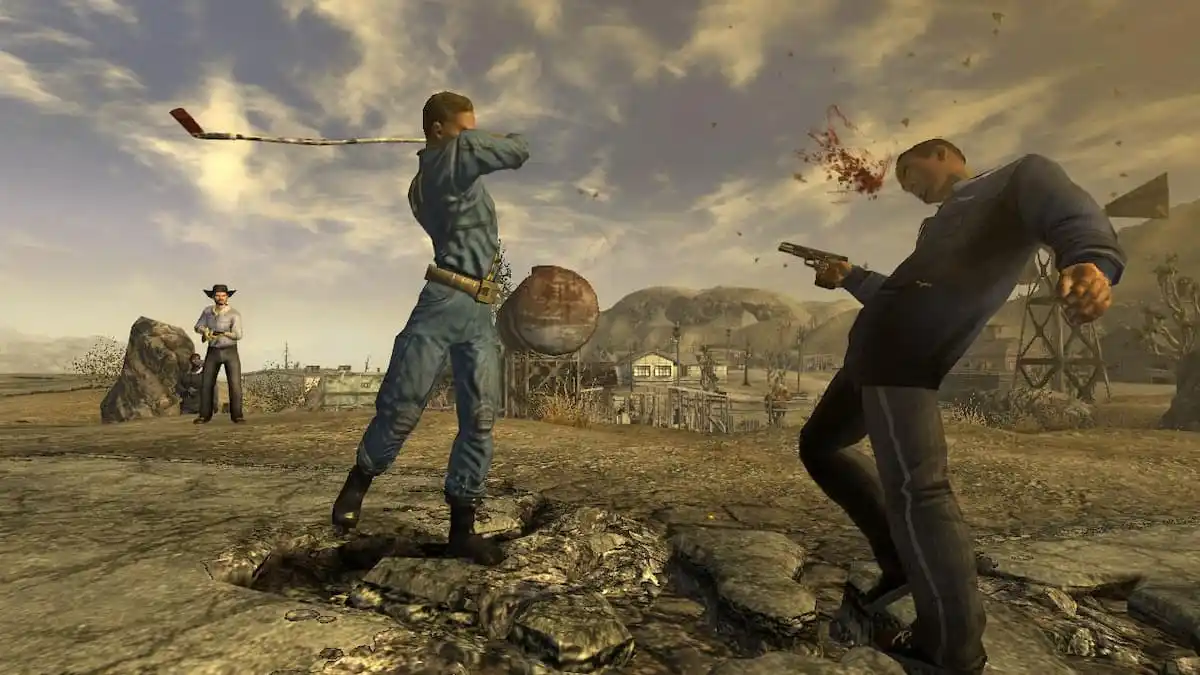
As Xbox approaches its 25th anniversary, there are indications that this milestone will be marked by significant releases related to game preservation. Whispers and rumors circulating within the gaming community suggest that remakes or remasters of iconic titles are in development. One prominent rumor points to a potential remaster or remake of Fallout: New Vegas, a critically acclaimed title that has long been a fan favorite. Given Microsoft’s ownership of both Xbox and Obsidian Entertainment, the studio behind New Vegas, such a release would align perfectly with the company’s stated commitment to preserving and revitalizing its gaming heritage.
These potential releases could follow a similar pattern to the surprise shadow drop of the Oblivion remaster last year, a move that generated significant excitement among players. The official anniversary date is November 15th, and speculation is rife about what announcements might precede or coincide with this significant date. The Xbox game preservation team has been working diligently behind the scenes for years, and the 25th anniversary is poised to be a significant moment for them to showcase their efforts and release a selection of "iconic games from the past" that will be playable in "an entirely new way."
Commitment to Software Solutions and the Future of Gaming
Xbox’s ongoing initiatives in game preservation, coupled with upcoming software solutions like the anticipated Xbox Mode for Windows devices, signal a broader commitment to enhancing the retro gaming experience. This integrated approach suggests a future where older games are not only preserved but also seamlessly integrated into modern gaming ecosystems. While the enhancements offered by features like Auto HDR and FPS Boost are generally welcomed, there is also an acknowledgment of the inherent value in experiencing games as they were originally intended. The ideal scenario, many enthusiasts hope, involves optional enhancements that allow players to choose their preferred way to engage with classic titles.
The Cultural Significance of Video Game Preservation
The broader implications of Xbox’s dedication to game preservation extend beyond the immediate enjoyment of players. Video games, much like literature, film, and music, are increasingly recognized as a significant form of cultural heritage. They serve as digital artifacts, reflecting the technological, social, and artistic sensibilities of their time. These games offer invaluable insights into the creative processes and cultural landscapes that shaped them, providing a unique lens through which future generations can understand our present.
While not every game may possess universal cultural significance, the principle of striving to keep them alive for as long as possible remains paramount. This allows for a democratic process of historical evaluation, where future audiences can independently assess which games hold enduring importance and contribute to our collective understanding of gaming history. Xbox’s proactive stance in this arena is a crucial step towards ensuring that this vital part of our cultural narrative is not lost to the relentless march of technological obsolescence. The company’s investment in this area underscores a growing industry-wide recognition that preserving the past is essential for a vibrant and evolving future in gaming.