


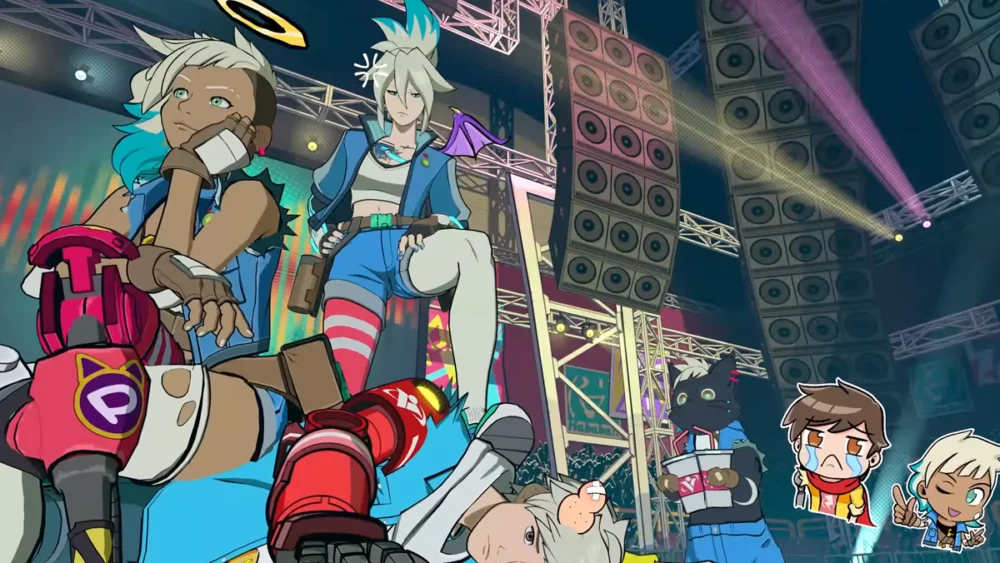
In a significant and widely anticipated move that reverberates through the gaming industry, Microsoft’s Xbox division has confirmed the closure of multiple studios. The affected entities include Arkane Austin, the developer behind the controversial title Redfall, and Tango Gameworks, the acclaimed creators of Hi-Fi Rush. Additionally, Alpha Dog Games is being shuttered entirely, while Roundhouse Studios will be absorbed into ZeniMax Online Studios to bolster ongoing development efforts. This wave of closures marks another somber chapter in a year characterized by widespread layoffs and studio consolidations across the global gaming landscape.
A Pattern of Consolidation and Cuts
The recent actions by Microsoft are not an isolated incident but rather a continuation of a trend that has become increasingly prevalent in the video game industry throughout the past year. Companies, once eager to expand their portfolios through acquisitions, are now undertaking significant restructuring. Embracer Group, which had aggressively acquired numerous studios in previous years, has been actively divesting assets, closing subsidiaries, and implementing substantial workforce reductions. This broader industry recalibration underscores a period of intense scrutiny on profitability and operational efficiency, forcing major players like Microsoft to make difficult decisions regarding their development studios.
The Scale of Microsoft’s Latest Reductions
This latest announcement follows a series of significant workforce reductions within Microsoft’s gaming division. Earlier in 2024, the company confirmed a massive layoff of approximately 1,900 employees across its Xbox and the recently integrated Activision Blizzard operations. While the exact number of employees affected by the current studio closures has not yet been officially disclosed, the impact is considerable. The news of these shutdowns was reportedly communicated internally via an email from Matt Booty, the head of Xbox Game Studios, and has since been corroborated by various gaming industry news outlets. Individual studio accounts on social media have also begun to acknowledge the closures. Microsoft has declined to provide specific comments on the reports, but numerous employees have expressed their dismay and frustration online, highlighting the human cost of these corporate decisions.
Examining the Studio Closures in Context
The decision to close these studios, particularly Arkane Austin and Tango Gameworks, has drawn considerable attention due to the recent track records and critical reception of their games. Arkane Austin, despite a challenging launch for Redfall, had a history of producing critically acclaimed titles such as Prey (2017) and the original Dishonored. Redfall, while ultimately discontinued in terms of further updates, will remain accessible to players. However, promises of a "make-good" for those who purchased the premium downloadable content suggest an acknowledgment of player investment.
This situation stands in stark contrast to public statements made by Xbox leadership. In May 2023, Phil Spencer, Head of Xbox, discussed the company’s commitment to its games in an interview with Kinda Funny. He emphasized a dedication to ongoing support for titles, referencing games like Sea of Thieves and Grounded as examples of long-term investment. Spencer also acknowledged the premium price point of modern games, stating, "I think we’ve shown a commitment to games like Sea of Thieves and Grounded, to continue to go and build games. But I also know that these games are $70, and I’m gonna take full responsibility for launching a game that needs to be great." The subsequent closure of Arkane Austin, a studio that had produced such well-regarded titles and was ostensibly being supported to improve Redfall, raises questions about the long-term strategic vision and the definition of "success" within Xbox.
Tango Gameworks faced a different fate, despite the critical acclaim of its most recent title, Hi-Fi Rush. Released as a surprise in early 2024, Hi-Fi Rush was lauded as a breath of fresh air for the Xbox ecosystem, earning widespread positive reviews and player reception. The studio had recently celebrated a BAFTA win for Hi-Fi Rush, a testament to its creative output. This award was even retweeted by the official Bethesda account, underscoring the studio’s recent success.
However, reports suggesting that Hi-Fi Rush underperformed commercially have surfaced. Despite these unconfirmed reports, Xbox’s VP of Games Marketing, Aaron Greenberg, publicly refuted claims of underperformance, stating, "[Hi-Fi Rush] was a breakout hit for us and our players in all key measurements and expectations. We couldn’t be happier with what the team at Tango Gameworks delivered with this surprise release." The studio’s recent inclusion in a slate of Xbox games being brought to other platforms, such as the PlayStation 5, further indicated positive momentum. The decision to close Tango Gameworks, therefore, appears to be a complex one, seemingly detached from the immediate critical and perceived commercial success of its latest project.
The Stated Rationale for the Restructuring
The official reasoning provided by Matt Booty for these studio closures centers on a strategic reprioritization aimed at focusing on "high-impact titles" and bolstering Bethesda’s portfolio of established blockbuster games and beloved intellectual properties. Booty’s internal communication indicated that this strategic shift necessitates a re-evaluation of resources across the business to identify opportunities best positioned for success. The statement explicitly mentioned that "a few teams will be realigned to others and that some of our colleagues will be leaving us."
This rationale suggests a move towards concentrating development power on established franchises with proven market appeal and investing in the creation of new, potentially larger-scale projects. The emphasis on "blockbuster games and beloved worlds" implies a strategic focus on titles that are expected to generate significant revenue and brand recognition, aligning with broader corporate financial objectives.
Financial Context and Market Performance
To understand the strategic drivers behind these decisions, examining Microsoft’s recent financial performance provides crucial context. As of April 25, 2024, Microsoft’s FY24 Q3 earnings report indicated robust overall financial health. The company reported a net income of $21.9 billion and revenue of $61.9 billion for the quarter, demonstrating significant growth.
Specifically within the Xbox segment, "Xbox content and services revenue increased 62% (up 61% in constant currency) driven by 61 points of net impact from the Activision acquisition." This substantial revenue growth, significantly influenced by the acquisition of Activision Blizzard, highlights the financial scale of Microsoft’s gaming operations. Concurrently, Microsoft achieved a market capitalization of $3 trillion in January 2024, underscoring its immense financial power and market valuation.
This juxtaposition of strong overall financial performance and significant revenue growth from the Activision Blizzard acquisition with studio closures raises critical questions about how "success" is measured within Xbox. While the company is demonstrably performing well financially, the cuts suggest a focus on optimizing specific aspects of the business, potentially prioritizing titles with higher projected return on investment or those that align with a narrower strategic vision.
Industry-Wide Implications and Talent Exodus
The current climate within the video game industry is one of uncertainty and flux. Reports consistently indicate a flat outlook for console growth, contributing to a general sense of caution among major publishers and developers. This environment places immense pressure on studios to demonstrate consistent performance, often under opaque metrics of success.
The ramifications of these closures extend beyond the immediate impact on the affected studios and their employees. The gaming industry has already seen a significant talent exodus in the wake of numerous layoffs. The displacement of experienced developers, particularly those with a track record of creating acclaimed titles, represents a loss of invaluable creative and technical expertise. This situation is further exacerbated by reports of layoffs occurring after return-to-office mandates were implemented, adding a layer of irony and frustration for affected workers. The prospect of a career in the gaming industry, once envisioned as a stable and rewarding path, is increasingly viewed with trepidation.
Phil Spencer himself has acknowledged the human toll of these industry-wide reductions. Speaking to Polygon in March, he expressed a desire for the industry to be a place where individuals can build careers with confidence, stating, "I reflect on friends of mine in the industry that have been displaced and lost their jobs and how just, I don’t want this industry to be a place where people can’t, with confidence, build a career." This sentiment highlights the disconnect between corporate strategic adjustments and the lived experiences of the individuals who contribute to the industry’s output.
The current economic landscape presents significant challenges for independent developers seeking publishing deals, with funding reportedly becoming harder to secure. This scarcity of external funding further intensifies the pressure on internal studios to deliver highly profitable titles. As Larian CEO Swen Vincke aptly articulated, "They don’t care that much about the money made beyond it being the fuel they need to create new and better games. It’s worth reminding everyone that fuel is but a means, not a goal. Whereto and how we journey are what matter and what we remember." This quote underscores the fundamental tension between the financial necessities of game development and the artistic and creative passion that drives it.
The Road Ahead: Xbox’s Future Showcase and Industry Responsibility
As the industry navigates these turbulent times, all eyes will be on upcoming industry events, such as the Xbox Games Showcase scheduled for June. These events often serve as platforms to highlight the future of gaming, but frequently fall short of addressing the systemic issues and the human impact of the industry’s current economic realities. The question remains whether these showcases will acknowledge the broader context of studio closures and employee displacement, or continue to focus solely on product announcements.
The recent decisions by Microsoft, particularly the closure of studios with critically acclaimed recent releases, invite scrutiny regarding the long-term sustainability and ethical considerations of current industry practices. As talented individuals are displaced and the industry grapples with its own precariousness, the demand for accountability and transparency regarding the rationale behind such decisions grows increasingly urgent. The question of why these studios were shuttered, and who bears responsibility for these outcomes, will undoubtedly be a central point of discussion as the industry moves forward. The hope remains that, amidst the financial pressures, the focus will eventually return to fostering a stable and supportive environment for the creators who bring interactive entertainment to life.