


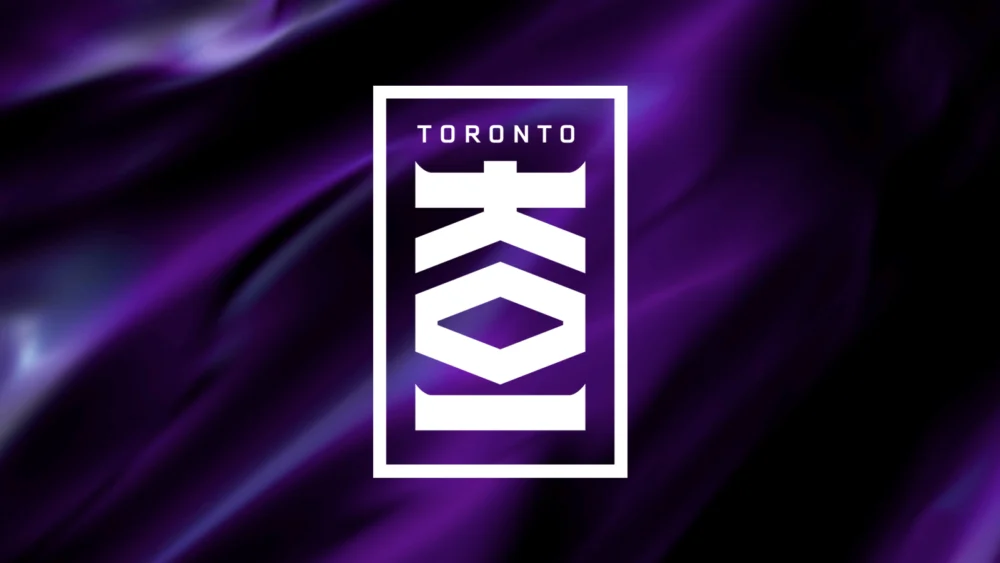
The landscape of the Call of Duty League (CDL) has undergone a significant transformation with the official rebranding of its Toronto franchise from Toronto Ultra to Toronto KOI. This pivotal change, culminating months of intense speculation, signifies a strategic move by parent company OverActive Media (OAM) to consolidate its diverse esports portfolio under a singular, unified global brand identity. The transition marks not just a cosmetic shift but a deeper integration aimed at leveraging the collective strength and recognition of the KOI brand across multiple competitive titles and regions.
The genesis of this rebranding can be traced back to the 2025 Esports World Cup, where the Toronto team temporarily competed as Movistar KOI. This temporary arrangement, necessitated by specific partnership rulings within the tournament, served as a prelude to the full integration. However, the groundwork for this unification was laid considerably earlier. As far back as 2024, Ibai Llanos, a prominent figure and co-founder of the KOI organization, articulated a vision to harmonize the branding of various esports entities under the KOI umbrella. His stated intentions encompassed unifying teams competing in major esports circuits, including the League of Legends European Championship (LEC), Overwatch League, and, crucially, the Call of Duty League. This forward-thinking strategy now sees its most significant manifestation with the Toronto franchise’s adoption of the KOI identity.
Evolution of Franchise Naming Conventions in the CDL
The recent developments within the Call of Duty League have been shaped by a notable relaxation of its long-standing franchise naming conventions. Following the conclusion of the 2025 CDL season, league teams engaged in a vote that ultimately decided to retain their city-based franchise locations for the upcoming Call of Duty: Black Ops 7 season. This decision, initially perceived as a reinforcement of the established model, was coupled with a significant loosening of restrictions on how team names could be formulated.
This regulatory shift has empowered organizations to integrate their parent company or organizational branding more prominently into their team names. The Toronto KOI rebranding serves as a prime example of this newfound flexibility. The league’s decision to permit such integrations allows teams to better represent the overarching organizational structure and its broader brand initiatives, rather than being solely tethered to a city-specific moniker. Journalist Jacob Hale highlighted this change, noting that franchise locations would be "properly enforced on broadcast" but that the core organizational branding could take precedence in official naming. This approach facilitates a more cohesive identity across an organization’s various esports ventures.
The implications of this policy change have been far-reaching, triggering a cascade of confirmed rebrands and, in some instances, relocations across the league. Beyond Toronto’s transition to KOI, other significant shifts include:
- Atlanta FaZe: This prominent team is set to relocate and rebrand as FaZe Vegas, signaling a move to a new market and a stronger alignment with the FaZe Clan brand.
- Vegas Falcons: In response to the FaZe move, the Vegas Falcons will rebrand as the Riyadh Falcons, indicating a potential shift in ownership or strategic focus towards the Middle Eastern market.
- ROKKR: The Minnesota ROKKR franchise is transforming into G2 Minnesota, integrating with the established G2 Esports brand.
- Gentle Mates: While not yet officially confirmed, there are persistent rumors of the Gentle Mates organization relocating its CDL franchise to Paris, further diversifying the league’s geographical footprint.
These strategic rebrandings and potential relocations underscore a league-wide trend towards greater organizational flexibility and brand synergy, a departure from the stricter, city-centric branding that characterized the CDL’s early years. The relaxation of these rules provides a crucial pathway for organizations like OverActive Media to consolidate their brand identities and capitalize on global recognition.
The Legacy and Future of Toronto KOI
The official transition to Toronto KOI signifies the continuation of a competitive legacy established by Toronto Ultra, while simultaneously embracing the expansive vision of the KOI brand on a global stage. The team’s roster for the upcoming Call of Duty: Black Ops 7 season will feature a blend of established talent and promising newcomers. Returning to the lineup are fan favorites JoeDeceives, Insight, and CleanX, players who have been instrumental in Ultra’s previous campaigns. They will be joined by a new addition, ReeaL, whose integration signals an injection of fresh talent and strategic adaptation.
The symbolic weight of this rebranding is amplified by statements from key figures within OverActive Media. Adam Adamou, the Chief Executive Officer of OAM, articulated the core philosophy behind the KOI brand: "To be KOI is to belong. KOI has always been about connection, about fans, players and communities coming together under one banner. Toronto KOI brings that spirit home and gives it a global stage." This statement emphasizes a commitment to fostering a strong sense of community and belonging, extending this ethos from a local Toronto fanbase to a worldwide audience.
Neil Duffy, Chief Commercial Officer of OAM, further elaborated on the strategic advantages of this unification: "Aligning our teams under KOI allows us to unite our global audience, whether it’s our League of Legends team competing in the LEC, Toronto KOI competing in the CDL or our other teams competing around the world, it’s all winning titles, selling our stadiums and having the best fans in the world support us on our journey. Today is for the fight to unite and celebrate KOI." This perspective highlights the commercial and promotional benefits of a consolidated brand, enabling OAM to present a unified front in its pursuit of competitive success, fan engagement, and market dominance across various esports titles.
While the iconic "Tilt the squirrel" mascot, a recognizable symbol of Toronto Ultra, will be absent from the new Toronto KOI logo, the underlying passion and competitive drive are poised to remain. The new visual identity, featuring the distinctive KOI branding, is expected to resonate with a broader international audience while maintaining a strong connection to the team’s established fanbase in Toronto. This rebranding is not merely an aesthetic change but a strategic imperative for OverActive Media as it navigates the increasingly competitive and globalized landscape of professional esports.
OverActive Media’s Strategic Vision: A Unified Global Identity
The rebranding of the Toronto CDL franchise to Toronto KOI is a cornerstone of OverActive Media’s broader strategic initiative to cultivate a cohesive and globally recognized brand identity across all its esports properties. This ambitious plan aims to transcend geographical boundaries and individual game titles, fostering a unified ecosystem that leverages shared resources, fan bases, and marketing efforts. The rationale behind this consolidation is multifaceted, extending from operational efficiencies to enhanced brand equity and market penetration.
For years, OverActive Media has been steadily building a diverse portfolio of esports organizations. Their presence spans major titles such as League of Legends (LEC), Call of Duty League (CDL), and other significant competitive arenas. While each of these entities operated with a degree of autonomy, the inherent fragmentation presented challenges in terms of brand recognition and cross-promotional opportunities. The "KOI" brand, with its strong association with influential Spanish streamer Ibai Llanos, offers a powerful and recognizable global identity that can serve as an umbrella for these disparate operations.
The decision to unify under KOI stems from an understanding of modern esports consumer behavior. Fans are increasingly engaging with organizations rather than solely individual teams or games. By presenting a consistent and recognizable brand across multiple platforms, OAM aims to capture a larger share of this engaged audience. This unified approach allows for more effective storytelling, a more streamlined fan experience, and a greater ability to leverage the popularity of individual personalities and teams to benefit the entire organization.
The financial implications of such a strategy are also significant. Consolidated branding can lead to more efficient marketing expenditures, as campaigns can be designed to resonate across multiple teams and regions. Furthermore, a stronger, unified brand can attract larger sponsorship deals, as global brands seek to align themselves with organizations that possess broad reach and significant cultural impact within the esports community. The ability to offer a package of sponsorships that covers multiple teams and titles provides a more compelling proposition for potential partners.
Moreover, the move is designed to foster internal synergies. By operating under a shared vision and branding, OAM can encourage collaboration and knowledge sharing between different teams and departments. This could involve sharing best practices in player development, coaching methodologies, content creation, and fan engagement strategies. The success of one team or one region can be more readily translated and adapted to others, accelerating growth and innovation across the entire organization.
The temporary adoption of the Movistar KOI branding during the 2025 Esports World Cup served as a crucial real-world test of this strategy. The positive reception and seamless integration during that event likely bolstered OAM’s confidence in proceeding with a full-scale rebranding. The Call of Duty League, with its established franchise model and growing international appeal, represents a prime opportunity to solidify the KOI identity within a major esports ecosystem.
The long-term success of this unification will depend on OAM’s ability to maintain the unique cultural identity and competitive spirit of each individual team while ensuring that the overarching KOI brand remains relevant and appealing to diverse fan bases. The challenge lies in striking a delicate balance: leveraging the global power of KOI without diluting the local pride and passionate support that has historically defined franchises like Toronto Ultra. The initial steps, however, indicate a clear and strategic direction, positioning OverActive Media for a more prominent and influential future in the global esports arena. The Toronto KOI rebranding is not an end in itself, but a significant milestone in a larger, more ambitious journey towards global esports dominance.