


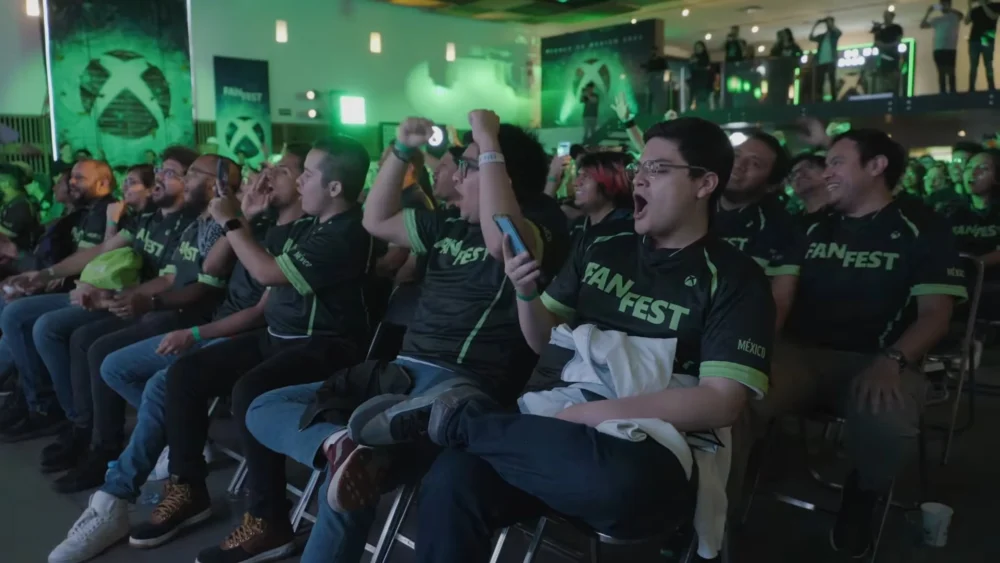
Microsoft Chief Executive Officer Satya Nadella recently utilized an internal company forum to reaffirm the technology giant’s unwavering dedication to the Xbox brand, specifically highlighting the necessity of maintaining the trust and loyalty of the platform’s most dedicated enthusiasts. During an internal Q&A session hosted by the newly appointed Xbox President Asha Sharma, Nadella addressed the workforce regarding the future of Microsoft’s gaming vertical, emphasizing that the company’s primary objective is to live up to the high expectations set by a community that has "counted on" the brand for decades. According to transcripts of the event, Nadella’s remarks centered on a dual strategy: continuing aggressive investment in the gaming sector while simultaneously refining the user experience to satisfy long-term fans of cornerstone franchises such as Forza and Halo.
The CEO’s comments arrive at a pivotal moment for the Xbox ecosystem, which is currently navigating a complex transition from a hardware-centric business model to a more diversified, multi-platform service provider. Nadella explicitly acknowledged the passionate feedback frequently directed at the company via social media, interpreting this discourse as a sign of deep-seated investment from the user base rather than mere criticism. He noted that the "friends" and customers Xbox has today are the same individuals the company must retain and satisfy as it scales its operations. This internal messaging serves as a strategic signal that despite Microsoft’s recent expansion into mobile and multi-platform publishing, the core console and PC gaming experience remains the foundational pillar of the Xbox identity.
A Chronological Context of the Xbox Strategic Shift
To understand the weight of Nadella’s recent statements, one must examine the trajectory of Microsoft’s gaming division over the last decade. When Nadella took the helm of Microsoft in 2014, the Xbox division was in a state of flux following the rocky launch of the Xbox One, which had initially prioritized media entertainment over core gaming performance. Under Nadella’s leadership and the subsequent promotion of Phil Spencer to CEO of Microsoft Gaming, the division underwent a radical transformation.
In 2017, Microsoft launched Xbox Game Pass, a subscription service that fundamentally altered the industry’s distribution model. This was followed by a series of high-profile acquisitions designed to bolster the company’s first-party content library. The 2021 acquisition of ZeniMax Media for $7.5 billion brought franchises like The Elder Scrolls and Fallout under the Microsoft umbrella. However, the most significant milestone in this chronology occurred in October 2023, when Microsoft finalized the $68.7 billion acquisition of Activision Blizzard King. This deal, the largest in the history of the interactive entertainment industry, transformed Microsoft into the world’s third-largest gaming company by revenue, trailing only Tencent and Sony.
Following the integration of Activision Blizzard, the Xbox strategy began to show signs of further evolution. In early 2024, Microsoft announced that four previously exclusive titles—Sea of Thieves, Hi-Fi Rush, Pentiment, and Grounded—would be released on competing platforms like the PlayStation 5 and Nintendo Switch. This move sparked intense debate among the Xbox "devotees" Nadella referenced, with many fans expressing concern that the value of the Xbox hardware was being diluted. Nadella’s recent internal comments appear to be a direct response to this period of uncertainty, aimed at reassuring stakeholders that the core hardware and PC experience will not be neglected in favor of a purely software-as-a-service (SaaS) approach.
Analyzing Market Data and Financial Performance
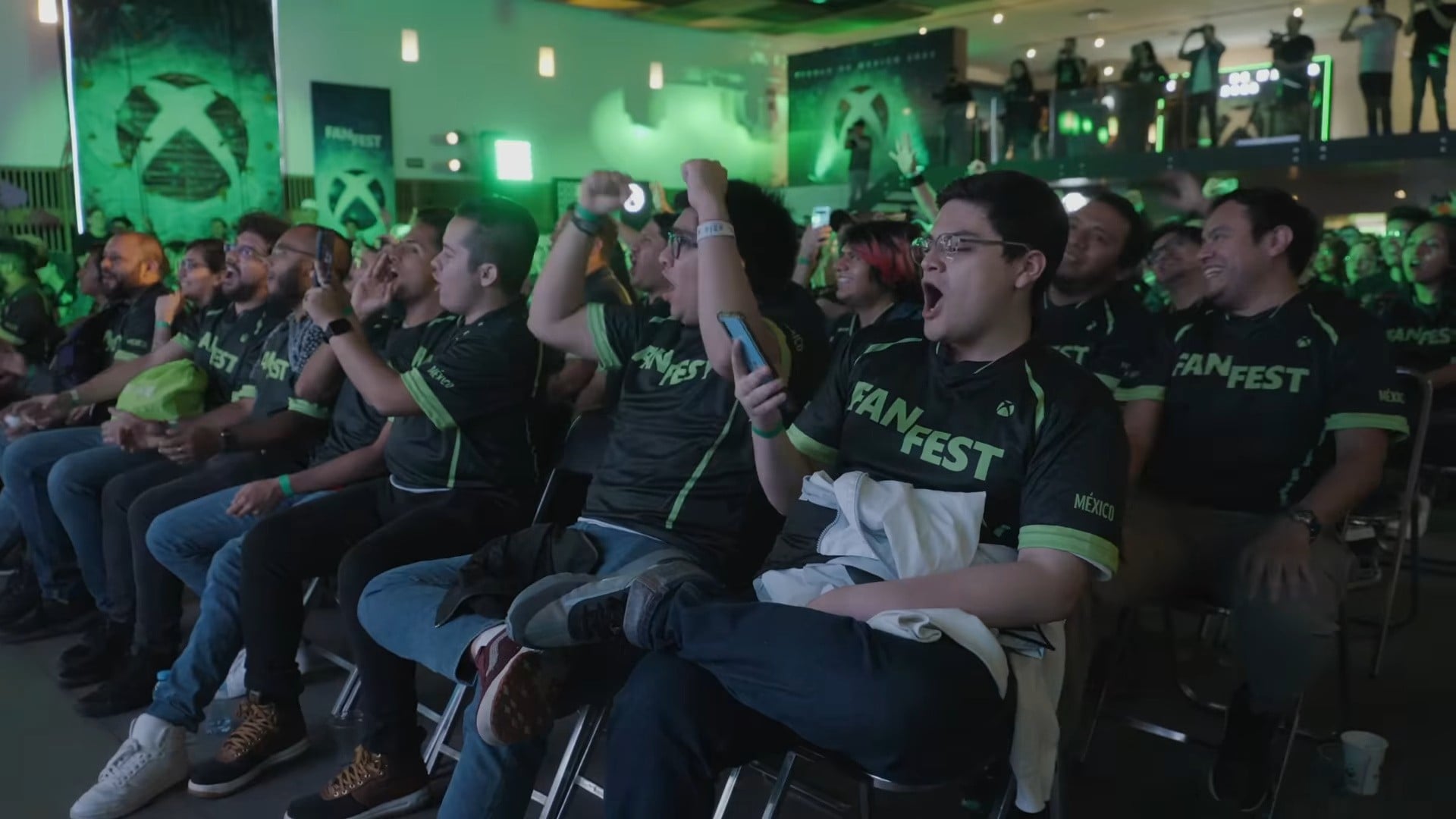
The emphasis on "always investing in gaming" is supported by Microsoft’s recent financial disclosures. In the third quarter of fiscal year 2024, Microsoft reported a 51% increase in gaming revenue, driven largely by the inclusion of Activision Blizzard’s portfolio. Gaming has now surpassed Windows as Microsoft’s third-largest business segment, trailing only its Cloud and Office productivity suites. This financial reality underscores why Nadella is personally involved in the messaging of the gaming division; Xbox is no longer a peripheral experiment but a central component of Microsoft’s overall growth strategy.
Despite the revenue growth, hardware sales have faced headwinds. Recent market data indicates that Xbox Series X and Series S sales have lagged behind the PlayStation 5 in key markets. In Europe and parts of Asia, the gap has widened, leading to speculation regarding the future of Microsoft’s console hardware. By explicitly mentioning the "lover of Forza" and the importance of the console, Nadella is signaling to both employees and the market that Microsoft is not yet ready to exit the hardware space. Instead, the company appears to be positioning the console as the "premium" gateway to the broader Xbox ecosystem, which now includes PC, cloud streaming, and mobile devices.
Furthermore, the growth of Xbox Game Pass, which reached 34 million subscribers as of February 2024, highlights a shift in how "devotion" is measured. For Microsoft, a devoted fan is no longer defined solely by the purchase of a plastic box every seven years, but by consistent engagement across the Microsoft Gaming ecosystem. Nadella’s focus on "joy" and "expectations" reflects a goal to maintain high-quality software output to justify these ongoing subscriptions.
Leadership Transitions and the Role of Asha Sharma
The context of these remarks is also tied to recent leadership changes within the organization. The internal Q&A was one of the first major appearances for Asha Sharma in her capacity as a key leader within the Xbox hierarchy. Sharma, who joined Microsoft with a background in scaling consumer platforms, is tasked with bridging the gap between Microsoft’s high-level corporate goals and the ground-level execution of the Xbox brand.
Her role, alongside other executives like Sarah Bond (President of Xbox) and Matt Booty (President of Game Content and Studios), represents a new era of governance for the brand. This leadership team is currently overseeing the integration of thousands of new employees from Activision, Blizzard, and King, while also managing the fallout from significant industry-wide layoffs that occurred in early 2024. Nadella’s presence at this meeting was likely intended to provide a sense of stability and continuity during this period of structural realignment.
Fan Sentiment and the Multi-Platform Dilemma
Nadella’s acknowledgment of social media feedback is a rare instance of a Big Tech CEO explicitly validating the "passionate" and sometimes volatile discourse found in gaming communities. The Xbox fanbase is known for its high level of engagement, but recent months have seen a rise in "platform anxiety." The core of this anxiety stems from the fear that if Xbox games are available everywhere, there is no reason to own an Xbox console.

Industry analysts suggest that Nadella’s comments are an attempt to redefine the value proposition of the Xbox platform. Rather than relying on "exclusivity" in the traditional sense, Microsoft is shifting toward "ecosystem loyalty." The goal is to ensure that while a game might eventually appear on a PlayStation, the best place to play it—due to Game Pass integration, cross-save functionality, and hardware optimization—remains within the Microsoft environment. Nadella’s insistence on doing "what they expect us to do" suggests a return to focusing on the "Big Three" pillars of the Xbox brand: high-performance hardware, industry-leading services, and a consistent cadence of first-party "blockbuster" releases.
Broader Implications for the Gaming Industry
The implications of Microsoft’s reinforced commitment to its core fans extend beyond its own balance sheets. As Microsoft continues to integrate its massive acquisitions, the rest of the industry is watching to see if the "all-access" model can coexist with a dedicated hardware community. If Nadella succeeds in satisfying the "lovers of Forza and Halo" while also expanding the brand to billions of mobile and PC gamers, it could provide a blueprint for the future of the medium.
However, the challenges remain significant. The cost of game development is skyrocketing, with "AAA" titles often requiring hundreds of millions of dollars and half a decade to produce. To meet the "expectations" of fans, Microsoft must ensure that its internal studios—now numbering over 30—can deliver a consistent stream of high-quality content that justifies the "Xbox" name. Nadella’s pledge to "always invest" suggests that Microsoft is willing to provide the capital necessary to weather the creative risks inherent in game development.
In conclusion, Satya Nadella’s recent internal address serves as a strategic manifesto for the next phase of Xbox. By acknowledging the mistakes of the past and the passions of the present, Microsoft’s leadership is attempting to build a bridge between its legacy as a console manufacturer and its future as a global gaming powerhouse. The success of this endeavor will depend on whether the company can truly live up to the "joy" it promises to deliver, ensuring that the fans who have "counted on" Xbox for the last twenty years remain the primary focus of its innovation and investment. As the gaming landscape continues to shift, Microsoft’s ability to balance corporate expansion with community trust will be the ultimate determinant of the Xbox brand’s longevity.