


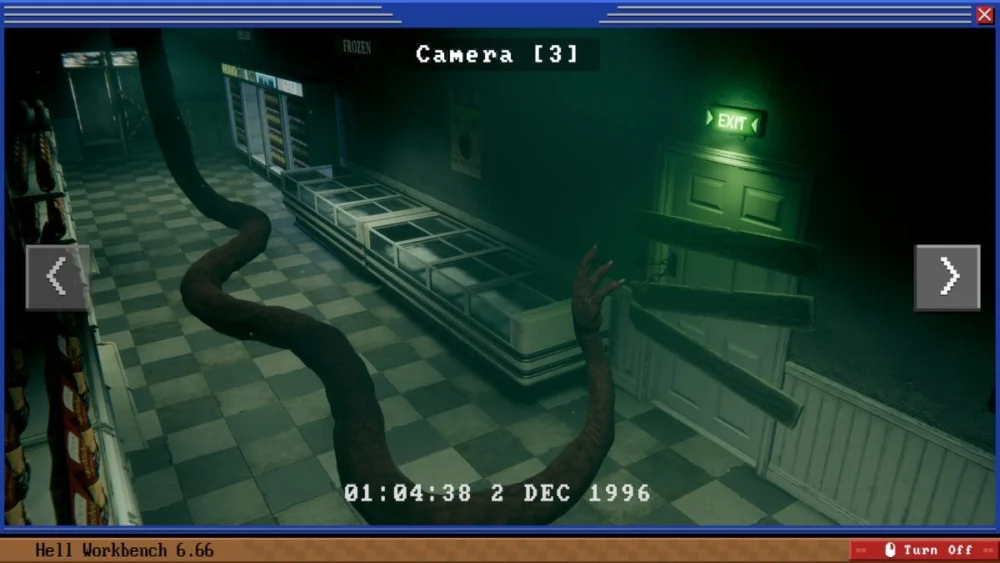
The unsettling world of HELLMART, a horror supermarket simulator, presents players with a unique challenge: mastering its intricate, invisible karma system to unlock all three distinct endings. Much like the impactful player choices that defined the Mass Effect series’ Paragon and Renegade paths, every action within HELLMART subtly influences your fate, though the stakes here are far more immediate and existential than a mere reputation score. Unlike its more sprawling cousin, the work simulator Zoochosis, HELLMART offers a more focused, albeit terrifying, experience with a manageable set of conclusions to uncover. This comprehensive guide details the pathways to achieving each of the game’s three endings, offering insights into the mechanics and choices that dictate your success or descent into supernatural chaos.
Understanding the HELLMART Karma System
At its core, HELLMART operates on a hidden karma system that tracks player actions, influencing customer satisfaction, employee performance metrics, and ultimately, the narrative outcome. While the game doesn’t explicitly display a karma meter, the consequences of your decisions are palpable and directly tied to your ability to maintain order within the increasingly bizarre supermarket. The game draws parallels to narrative-driven RPGs where player choices have significant branching consequences, emphasizing that even seemingly minor interactions can have far-reaching repercussions in this supernatural environment. The developers at GAZE IN GAMES have crafted a system where attentiveness, adherence to protocol, and a keen sense of observation are paramount for survival and success.
The Three Paths to Resolution
HELLMART offers three distinct endings, each representing a different trajectory for the player character and the fate of the titular supermarket: "Keys to the Kingdom," "Groundhog Day," and "Judgment Night."

Keys to the Kingdom: The Ideal Employee’s Triumph
The "Keys to the Kingdom" ending represents the pinnacle of success in HELLMART, rewarding players who embody the perfect supermarket employee. This path requires an unwavering commitment to the store’s operational integrity and a vigilant defense against the supernatural incursions that plague it. To achieve this coveted ending, players must consistently meet all quotas, maintain a pristine store environment, and exhibit impeccable customer service.
Key Actions and Strategies:
- Operational Excellence: This involves diligently stocking shelves, ensuring accurate transactions at the register, and avoiding any form of theft or rudeness towards customers. The employer, who communicates via a payphone, sets daily quotas and expectations that must be met without fail. Deviations, such as short-changing a customer, can directly impact your daily quota, increasing the pressure.
- Customer Vigilance: Identifying and appropriately handling suspicious individuals is crucial. This includes discerning genuine customers from supernatural imposters during the night shift. Imposters often exhibit tell-tale signs such as typos in their speech, unnatural dialogue patterns, and the ability to cause glitches or malfunctions in the store’s security cameras. Conversely, players must avoid wrongly accusing legitimate customers, even those who exhibit unusual behavior during the day, such as Karen’s demands for extra change or a shoplifter caught in the act. Even seemingly unsettling individuals like Tiny Bob should be treated with professional courtesy if they pass scrutiny.
- Supernatural Containment: A significant aspect of this ending involves actively defending the store from monstrous entities. This includes dealing with anomalies and ensuring the safety of the premises during the night shifts. Failing to prevent these incursions can lead to negative consequences.
- The Seventh Day Confrontation: The climax of this ending occurs on the seventh day, where the player encounters a mysterious Stranger outside their sleeping quarters. To secure the "Keys to the Kingdom," players must confront the Stranger with the declaration, "I have to protect this place from you!" This decisive action signals a rejection of the supernatural influence and a commitment to preserving the normalcy of the supermarket.
Outcome: Upon successfully navigating these challenges, HELLMART undergoes a transformation, shedding its sinister facade to become a conventional establishment known as "HelloMart." The player is then bestowed with the keys to the store, signifying their rightful ownership and the successful reclamation of the business from its supernatural corruption. This ending emphasizes themes of perseverance, integrity, and the ultimate triumph of order over chaos.
Groundhog Day: The Cycle of Repetition
The "Groundhog Day" ending serves as the default or "middle-of-the-road" conclusion for players who, while not outright failing, have made a number of missteps throughout their tenure at HELLMART. This ending suggests a narrative where the player has not fully succumbed to the supernatural forces but has also failed to achieve the ideal outcome.

Key Actions and Triggers:
- Minor Lapses in Protocol: This ending can be triggered by a variety of less severe mistakes. Examples include inadvertently increasing daily quotas through incorrect change transactions, failing to apprehend a shoplifter, or allowing genuine customers to be turned away during the night shift.
- Ambiguous Dialogue Choices: Player interactions, particularly with the enigmatic Stranger on the seventh day, play a significant role. Expressing uncertainty about the value of adhering to rules, or agreeing to help the Stranger without a history of unwavering rule-following, can steer the player towards this ending. It’s important to note that the game continuously monitors player actions, and too many cumulative mistakes, even minor ones, can push the player towards the more dire "Judgment Night" ending.
- The Stranger’s Influence: If the player chooses to engage with the Stranger on the seventh day and expresses a degree of doubt or offers assistance, the "Groundhog Day" ending may be initiated, provided the player hasn’t accumulated a critical level of negative karma.
Outcome: The "Groundhog Day" ending culminates in HELLMART being consumed by flames. The player believes they have escaped the ordeal, only to find themselves on a bus that rounds a corner to reveal a brand-new HELLMART. This signifies a reset, a return to the beginning of their shifts, implying a continuous loop of the same supernatural cycle. This ending highlights the cyclical nature of the game’s conflict and the player’s inability to break free from the established pattern without a more decisive intervention.
Judgment Night: Embracing the Darkness
The "Judgment Night" ending represents the ultimate failure, where the player character succumbs to the negative influences and ultimately becomes a part of the supernatural horror that permeates HELLMART. This is the most easily achievable "bad" ending, as it largely involves actively performing poorly and making deliberately detrimental choices.
Key Actions and Strategies:
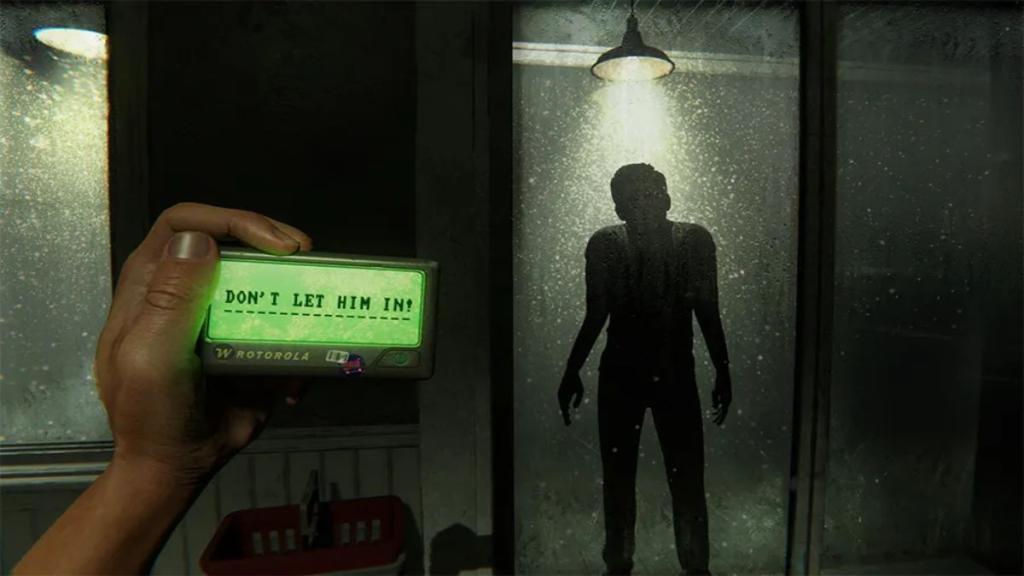
- Intentional Malfeasance: To secure this ending, players should actively engage in actions that would be considered poor employee conduct. This includes being rude to customers, allowing monsters to enter the store during the night shift, and generally ignoring operational duties. Hiding from monsters during night shifts further contributes to accumulating negative karma.
- Disregard for Customers: Turning away customers seen during the day, even if they pass initial security checks, will contribute to this ending. Neglecting specific customer requests, such as stocking items or providing cigarettes, also pushes the player towards this outcome. The focus here is on becoming the "Worst Employee of the Week, Every Week," as the game’s internal logic rewards such consistent failure.
- The Stranger’s Seduction: On the seventh day, cooperating with the Stranger is paramount for this ending. Dialogue choices such as "I don’t give a shit about those rules!" when confronted at the checkout, or simply agreeing to help the Stranger, are crucial. While specific dialogue prompts are provided, the overarching goal is to demonstrate a complete disregard for the established order and a willingness to embrace the dark influences. It is important to note that the Stranger’s appearance is a narrative constant at the end of the game; it is the player’s response that dictates the ending.
- Survival Over Success: A key element of achieving "Judgment Night" is to actively perform poorly without getting yourself killed. The game distinguishes between player death and player corruption, with the latter being the path to this ending.
Outcome: The "Judgment Night" ending presents a grim tableau. The HELLMART is depicted with bodies impaled on spikes, a chilling testament to the customers who were not protected. The player, having fallen prey to the Stranger’s deceit, is transformed into a monster. This newly monstrous entity is destined to torment future employees, perpetuating the curse and ensuring that HELLMART remains a place of terror and despair. This ending serves as a cautionary tale about the consequences of succumbing to negativity and the seductive nature of unchecked power.
Broader Implications and Player Experience
The design of HELLMART‘s endings suggests a commentary on the pressures of demanding work environments and the psychological toll of navigating morally ambiguous situations. The invisible karma system forces players to be highly attuned to their actions, creating a sense of constant observation and accountability. The game’s success in eliciting genuine fear and tension, even within a simulated supermarket setting, speaks to the developers’ ability to blend mundane tasks with supernatural horror.
The comparison to Mass Effect is apt, as both games demonstrate how player agency can lead to drastically different outcomes. However, HELLMART distills this concept into a more focused, horror-centric experience, where the stakes are not just the fate of a galaxy, but the player’s very soul. The limited number of endings, while fewer than some complex RPGs, ensures that each conclusion feels significant and hard-earned, encouraging replayability as players strive to achieve different outcomes and explore the full spectrum of their choices. The developers’ deliberate choice to obscure the karma system adds an element of mystery and encourages careful observation and deduction, enhancing the player’s immersion in the unsettling world of HELLMART.