


The first week of March marks a significant expansion of the Xbox software library, characterized by a high-profile blend of AAA sequels, long-awaited franchise revivals, and substantial additions to the Xbox Game Pass subscription service. From March 2 to March 6, the ecosystem will see the arrival of several titles that represent the diverse strategic interests of Microsoft’s gaming division, ranging from hardcore role-playing experiences to competitive live-service shooters. Central to this week’s lineup is the debut of Kingdom Come: Deliverance 2 on Game Pass Ultimate and PC, a move that underscores Microsoft’s continued commitment to securing major third-party titles for its "Day One" delivery model. Additionally, the release of Bungie’s Marathon and the indie-sensation sequel Planet of Lana 2: Children of the Leaf provides a comprehensive look at the current trajectory of the industry, focusing on visual fidelity, narrative depth, and sustainable player engagement.
The Strategic Expansion of Xbox Game Pass
The inclusion of Kingdom Come: Deliverance 2 as a day-one arrival for Game Pass Ultimate, Premium, and PC subscribers is a pivotal moment for the service in the current fiscal quarter. Developed by Warhorse Studios and published by Deep Silver, the sequel follows the massive success of the original 2018 title, which sold over 6 million copies worldwide. For Microsoft, providing a sprawling, historical open-world RPG at no additional cost to subscribers serves as a primary driver for user retention.
Market analysts suggest that the "Day One" strategy remains the cornerstone of the Xbox ecosystem. By offering high-budget titles like Kingdom Come: Deliverance 2, Microsoft aims to mitigate the "churn" often seen in subscription models. Data from previous quarters indicates that large-scale RPGs typically result in longer play sessions and higher engagement metrics compared to shorter, linear experiences. This specific release window is strategically placed to capture the attention of the gaming community before the surge of late-spring releases, ensuring that the Xbox platform remains the primary hub for mid-core and hardcore gamers alike.
Warhorse Studios and the Evolution of Medieval Realism
Kingdom Come: Deliverance 2 arrives as the culmination of years of technical development and narrative world-building. The first game was noted for its uncompromising commitment to historical accuracy and complex survival mechanics. The sequel aims to expand on this foundation, utilizing an evolved version of the CryEngine to render a more reactive and visually dense 15th-century Bohemia.
The story continues the journey of Henry of Skalitz, moving the action to the city of Kuttenberg, a major silver-mining hub of the era. Development reports indicate that the sequel’s world size is nearly double that of its predecessor, featuring more intricate combat systems and a "reputation" mechanic that influences how NPCs interact with the player across various social strata. The decision to bring such a resource-intensive title to Game Pass highlights the technical partnership between Warhorse Studios and Xbox, ensuring optimization for the Series X and Series S consoles, which utilize high-speed SSDs to manage the game’s vast asset streaming requirements.
Bungie’s Marathon: A High-Stakes Return to Sci-Fi Roots
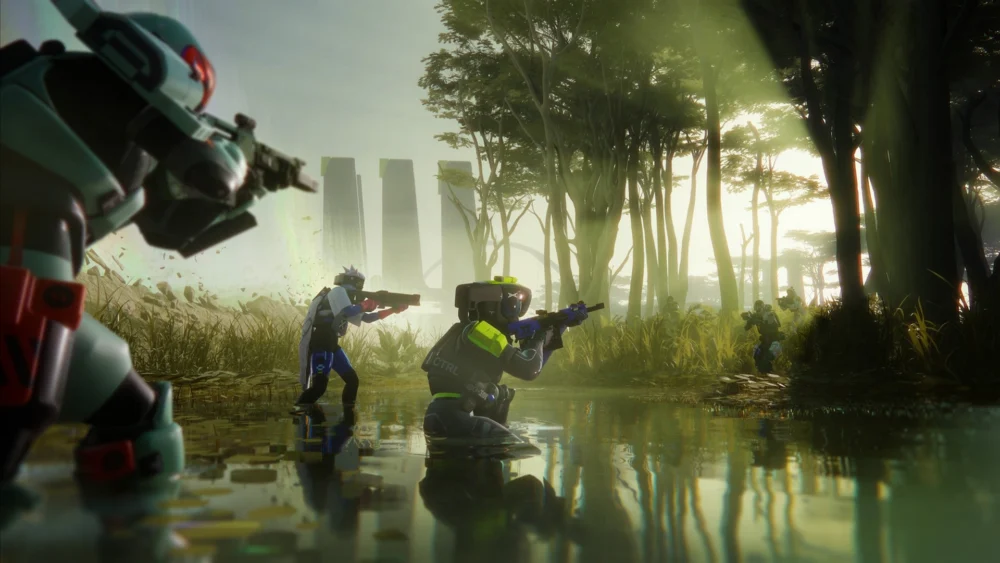
Perhaps the most anticipated competitive release of the week is Marathon, the latest project from Bungie. While Bungie is now a subsidiary of Sony Interactive Entertainment, the studio has maintained its commitment to multi-platform releases, bringing this reimagined extraction shooter to Xbox Series X|S simultaneously with other platforms. Marathon represents a return to an IP that predates Bungie’s work on the Halo and Destiny franchises, though this modern iteration shifts away from the original’s single-player focus toward a high-stakes, PvPvE (Player vs. Player vs. Environment) framework.
The game’s aesthetic, characterized by high-contrast colors and a stylized, futuristic design, is intended to differentiate it from the increasingly crowded field of military-themed extraction shooters. Industry observers are closely watching Marathon’s launch performance, as it serves as a litmus test for Bungie’s ability to sustain a new live-service ecosystem outside of the Destiny universe. For Xbox players, the arrival of Marathon signifies the continued availability of premier third-party content on the platform, regardless of industry consolidation trends.
The Indie Impact: Planet of Lana 2: Children of the Leaf
Complementing the AAA heavyweights is Planet of Lana 2: Children of the Leaf, the sequel to the critically acclaimed cinematic puzzle-adventure from developer Wishfully. The first Planet of Lana was lauded for its hand-painted art style and emotional storytelling, often drawing comparisons to the works of Studio Ghibli.
The sequel, Children of the Leaf, seeks to deepen the mechanical complexity of the first game while maintaining its signature atmosphere. The narrative focus shifts toward the broader implications of the "off-world" threat established in the original game, introducing new traversal mechanics and companion-based puzzles. The inclusion of this title in the March release window highlights the importance of "indie" content in providing a balanced portfolio for Xbox. These titles often serve as critical darlings that enhance the prestige of the Xbox brand, appealing to a demographic that values artistic expression and innovative gameplay over raw graphical power.
Chronology of Releases: March 2 – March 6
The rollout of these titles is structured to maintain momentum throughout the week. While the primary "Day One" drops for Game Pass usually occur on Tuesdays or Thursdays, the first week of March sees a staggered release pattern designed to maximize visibility for each title.
- March 2: The week begins with several smaller-scale indie releases and software updates for existing titles, setting the stage for the mid-week arrivals.
- March 3: This date marks the official launch of Kingdom Come: Deliverance 2. The game becomes available for digital purchase and simultaneously unlocks for Game Pass Ultimate and PC Game Pass subscribers.
- March 4: Bungie’s Marathon goes live on Xbox Series X|S. Servers are expected to open globally, supported by a cross-play infrastructure that allows Xbox users to compete against players on other platforms.
- March 5: Planet of Lana 2: Children of the Leaf is released. This mid-week launch allows the title to gain traction after the initial wave of AAA coverage has stabilized.
- March 6: The week concludes with a series of minor digital releases and the announcement of the second wave of Game Pass titles for the remainder of the month.
Industry Context and Market Implications
The launch of these titles occurs against a backdrop of shifting consumer behavior in the gaming industry. According to recent market reports, there is an increasing trend toward "platform agnosticism," where players are less concerned with hardware loyalty and more focused on service accessibility and content quality. By securing Kingdom Come: Deliverance 2 for Game Pass, Microsoft is positioning itself as the most cost-effective entry point for high-end gaming.
Furthermore, the release of Marathon on Xbox illustrates the complex nature of modern publishing. Despite Sony’s ownership of Bungie, the necessity of a large, cross-platform player base for live-service games means that Xbox remains a vital component of Bungie’s business strategy. This cross-pollination of content is likely to become more common as the costs of game development continue to rise, requiring publishers to seek the largest possible audience to recoup their investments.
Technical Specifications and Performance Expectations
For the Xbox Series X and Series S, this week’s releases will serve as a demonstration of the consoles’ current-gen capabilities. Kingdom Come: Deliverance 2 is expected to utilize the full power of the Series X to deliver 4K resolution at 30 or 60 frames per second, depending on the chosen graphical mode. The game’s reliance on complex AI and physics simulations will test the CPU architecture of the consoles, particularly in dense urban environments like Kuttenberg.
Marathon, conversely, is expected to prioritize frame rate and low latency. As a competitive shooter, maintaining a stable 60 or 120 FPS (on supported displays) is critical. Bungie has historically been at the forefront of console optimization, and Marathon is expected to leverage the Xbox Velocity Architecture to ensure rapid loading times and seamless matchmaking.
Official Responses and Developer Perspectives
While official statements from Microsoft and the respective developers have focused on the excitement of the launch, there is an underlying tone of cautious optimism. Warhorse Studios has emphasized that Kingdom Come: Deliverance 2 is their "most ambitious project to date," noting that the feedback from the first game’s community was instrumental in shaping the sequel’s mechanics.
Bungie has remained relatively tight-lipped regarding the specific narrative beats of Marathon, choosing instead to focus on the "player-driven stories" that emerge from the extraction gameplay loop. "Our goal is to create a world where every excursion feels unique and high-stakes," a representative from the studio stated during a recent technical briefing. This focus on emergent gameplay is a hallmark of the modern shooter genre, and its success on Xbox will depend largely on the stability of the game’s social and competitive systems.
Conclusion and Forward Outlook
The March 2-6 release window represents a robust start to the spring season for Xbox. By balancing the "free" value of Game Pass with the high-octane competitive appeal of titles like Marathon, Microsoft is effectively catering to multiple segments of the gaming market simultaneously. The presence of Kingdom Come: Deliverance 2 as a flagship Game Pass title further solidifies the service’s reputation as the premier destination for massive, story-driven RPGs. As the week progresses, the industry will be monitoring player engagement levels and critical reception to gauge the long-term viability of these titles and their impact on the broader Xbox ecosystem. Through this combination of strategic partnerships and diverse content offerings, the platform continues to evolve in response to a rapidly changing digital landscape.