


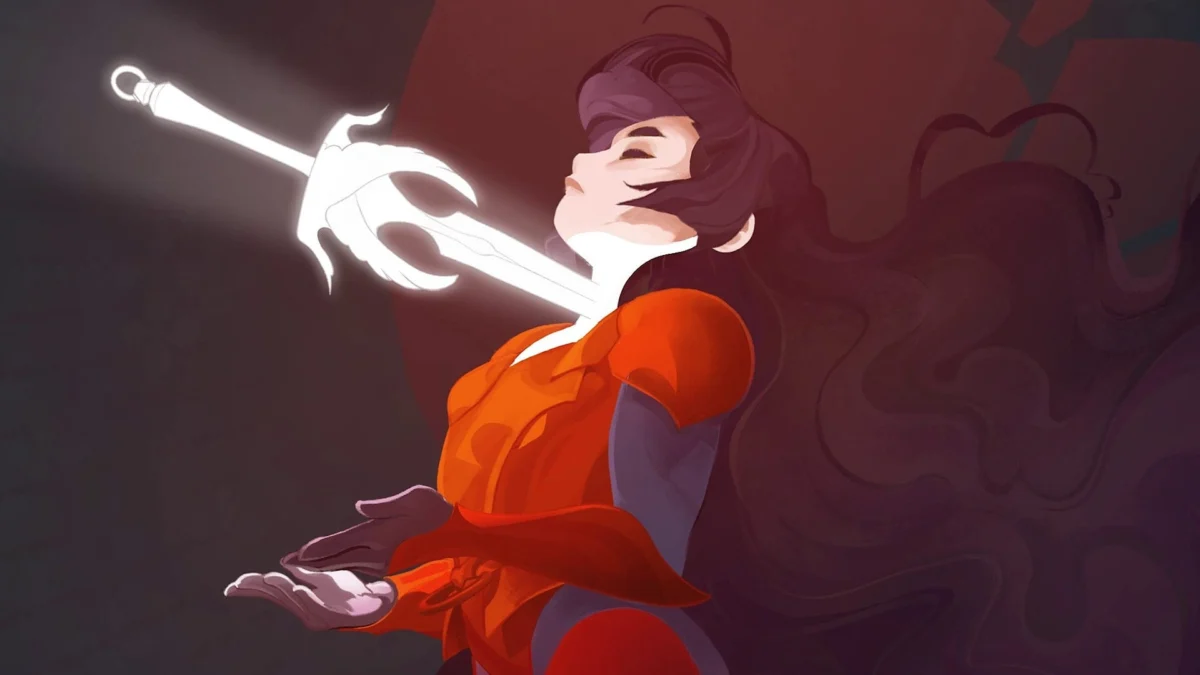
The highly anticipated action-adventure title, At Fate’s End, from French-Canadian independent developer Thunder Lotus Games, has officially been delayed from its previously vague 2026 release window to sometime in 2027. The studio announced the postponement via a statement shared on Steam, citing the need for "more love and care" to ensure a polished and smooth launch. While the news may be disappointing for fans eagerly awaiting the game, the developer also confirmed its continued commitment to launching on Xbox Game Pass and simultaneously released a new playable demo on Steam, providing players with an immediate opportunity to experience the game’s unique world.
The Decision to Delay: Prioritizing Quality and Polish
In an era where game development has become increasingly complex and player expectations for quality are higher than ever, delays have become a common, if often frustrating, occurrence. Thunder Lotus Games, known for its critically acclaimed titles such as Spiritfarer, Jotun, and Sundered, addressed the community directly regarding At Fate’s End‘s revised timeline.
The statement posted on Steam reads:
"Let’s get the potentially disappointing news out of the way first: we’re pushing back At Fate’s End release to 2027… We’ve made so much progress on the game since its 2025 reveal but it needs a little more love and care to ensure its release is as smooth as possible. We’ll let y’all know a more precise date once we have all our ducks in a row. The team is very impatient to get At Fate’s End in your hands and we promise it’ll be worth the wait! Thanks for your understanding!"
This candid communication from Thunder Lotus aligns with a growing industry trend where developers are increasingly transparent about development challenges and the necessity of extra time. The phrase "more love and care" typically encompasses various critical development stages, including extensive bug fixing, optimization across multiple platforms, refinement of gameplay mechanics, narrative enhancement, and ensuring a stable technical performance at launch. For an independent studio with a reputation for crafting emotionally resonant and artistically distinctive games, safeguarding the quality of their next major title is paramount. A rushed release, particularly in today’s competitive market, can severely impact a game’s reception and long-term success.
At Fate’s End: A Glimpse into its Ambitious Vision
At Fate’s End was initially unveiled with significant intrigue, promising an action-adventure experience unlike many others. The official description paints a vivid picture: "At Fate’s End is an action-adventure game where you fight the ones you love and your skill tree is your family tree. Explore a lush fantasy world, defeat the foul creatures of the realm, and face your estranged siblings in intense, emotional duels to decide your family’s fate."

This premise suggests a deeply narrative-driven experience, a hallmark of Thunder Lotus’s previous works. The concept of "fighting the ones you love" hints at morally complex choices and emotionally charged confrontations, potentially integrating combat with storytelling in novel ways. The "skill tree is your family tree" mechanic is particularly innovative, implying that player progression and abilities might be tied directly to relationships, lineage, or the bonds within the game’s familial structure. This could manifest as unlocking new combat styles or unique abilities by resolving or engaging with specific family members, adding a profound layer of personal consequence to player choices.
Players are expected to navigate a "lush fantasy world," battling "foul creatures" while progressing towards confrontations with "estranged siblings." This structure suggests a blend of exploration, environmental puzzle-solving, and challenging combat encounters, all wrapped within a compelling personal drama. Given Thunder Lotus’s track record for unique art direction and rich lore, At Fate’s End is poised to deliver a visually stunning and emotionally engaging journey. The delay provides the development team with additional time to fully realize these ambitious design goals, ensuring that the gameplay mechanics, narrative beats, and artistic presentation are cohesive and impactful.
Thunder Lotus Games: A Legacy of Distinctive Craftsmanship
The anticipation surrounding At Fate’s End is largely fueled by Thunder Lotus Games’ impressive portfolio and consistent delivery of high-quality, distinctive titles. Founded in Montreal, Quebec, the studio has carved a niche for itself by combining unique artistic styles with compelling gameplay and profound thematic depth.
- Jotun (2015): The studio’s debut title, Jotun, immediately established their artistic prowess. A hand-drawn action-exploration game rooted in Norse mythology, it tasked players with proving themselves to the Gods after a disgraceful death. Its large-scale boss battles, atmospheric exploration, and stunning animation garnered critical acclaim, setting a high bar for their subsequent projects.
- Sundered (2017): Following Jotun, Thunder Lotus released Sundered, a chaotic hand-drawn Metroidvania with Lovecraftian horror elements. Known for its procedural generation, branching skill trees tied to sanity, and intense combat, Sundered demonstrated the studio’s versatility and willingness to experiment with genre conventions while maintaining its signature art style. The game explored themes of corruption and free will within a haunting, ever-shifting world.
- Spiritfarer (2020): This title catapulted Thunder Lotus to global recognition and critical adoration. Spiritfarer is a "cozy management sim about dying," where players build a boat to explore the world, befriend and care for spirits, and ultimately ferry them to the afterlife. Its poignant narrative, charming art style, and gentle gameplay mechanics resonated deeply with players and critics alike, earning numerous awards and nominations, including multiple BAFTA Games Awards. Spiritfarer became a benchmark for emotionally intelligent game design and cemented Thunder Lotus’s reputation for crafting experiences that are both beautiful and profoundly moving.
In addition to At Fate’s End, Thunder Lotus is also working on 33 Immortals, a fantasy-themed battle royale game, further showcasing their diverse capabilities and simultaneous development efforts across different genres and scales. This robust history underscores the studio’s commitment to quality and innovation, lending significant weight to their decision to delay At Fate’s End for further refinement. Fans understand that the extra time is not merely a postponement but an investment in delivering a game that lives up to the studio’s established legacy.
Navigating Industry Trends: Delays and Player Expectations
The delay of At Fate’s End is not an isolated incident but rather a reflection of broader trends within the video game industry. In recent years, delays have become increasingly common, driven by several factors:
- Increased Development Complexity: Modern games are more ambitious than ever, requiring larger teams, longer development cycles, and sophisticated technology. The integration of advanced graphics, complex physics engines, expansive open worlds, and intricate multiplayer systems all contribute to a heightened potential for unforeseen challenges.
- Impact of Remote Work: While remote work offers flexibility, the global pandemic highlighted its challenges in coordinating large development teams, particularly during critical phases like bug fixing and quality assurance.
- Higher Player Expectations: Gamers today expect highly polished, bug-free experiences at launch. The backlash against games released in an unfinished state (e.g., Cyberpunk 2077‘s initial launch) serves as a stark reminder of the reputational and financial risks associated with rushing a product to market. Developers are increasingly prioritizing a stable launch over meeting an arbitrary deadline.
- Avoiding "Crunch": There’s a growing awareness and effort within the industry to mitigate "crunch culture," where developers work excessive hours leading up to a game’s release. Delays can be a strategic decision to ensure a healthier work-life balance for development teams, leading to a more sustainable and creative environment.
For players, while initial disappointment is natural, many in the gaming community have come to appreciate that delays often result in a superior final product. A common sentiment is "a delayed game is eventually good, but a rushed game is forever bad." Thunder Lotus’s transparent communication and the promise of a more refined experience align well with this prevailing player philosophy.

Strategic Moves: Xbox Game Pass and the New Steam Demo
Despite the delay, Thunder Lotus Games has offered two significant pieces of positive news for players: the reaffirmation of At Fate’s End‘s inclusion in Xbox Game Pass and the immediate release of a new Steam demo.
-
Xbox Game Pass Integration: The confirmation that At Fate’s End will still be available on Xbox Game Pass at launch is crucial. For independent studios like Thunder Lotus, Game Pass offers an unparalleled opportunity to reach a massive audience.
- Increased Visibility: Inclusion in Game Pass guarantees millions of potential players will see and have access to the game, significantly boosting its visibility in a crowded market.
- Financial Stability: Deals with platforms like Microsoft for Game Pass inclusion can provide vital financial backing to independent developers, helping to offset development costs and provide a safety net, especially during extended development cycles like a delay.
- Lower Barrier to Entry: For players, Game Pass means they can try At Fate’s End without an additional purchase, encouraging experimentation and broadening the game’s player base. This is particularly beneficial for unique titles that might not immediately appeal to every traditional buyer.
-
The Steam Demo: The immediate release of a new demo on Steam is a masterstroke in managing player expectations and maintaining momentum during a delay.
- Immediate Engagement: Instead of simply announcing a delay and leaving fans in limbo, Thunder Lotus provides tangible content that players can experience right away. This transforms disappointment into engagement.
- Gathering Feedback: Demos are invaluable for collecting player feedback on gameplay mechanics, controls, and overall feel. This data can inform the remaining development time, allowing the studio to refine the game based on real-world player experiences.
- Building Hype and Trust: A demo allows players to get a taste of the game’s quality and vision, reinforcing confidence in the developer’s capabilities and validating the "more love and care" statement. It proves that significant progress has indeed been made and that the delay is for further enhancement, not a fundamental overhaul.
- Showcasing Progress: For a game that was revealed in 2025, a demo in 2026 allows the studio to showcase how much the game has evolved, keeping it fresh in players’ minds as development continues.
Looking Ahead: The Road to 2027
The revised 2027 release window for At Fate’s End means that players will need to exercise patience, but the interim offerings and Thunder Lotus’s track record suggest that the wait will likely be worthwhile. During this extended development period, the studio will undoubtedly continue to provide updates, potentially showcasing more gameplay, lore, and character details as they approach a more precise launch date.
The decision to delay At Fate’s End underscores Thunder Lotus Games’ unwavering commitment to delivering a polished, memorable, and impactful gaming experience. In an industry often driven by rigid deadlines, prioritizing the final quality of the product over a premature launch is a testament to a studio’s dedication to its craft and its audience. As the gaming community looks forward to 2027, the anticipation for At Fate’s End remains high, fueled by the promise of a game that has received all the "love and care" it deserves.