



The digital underworld of Welcome to the Game 3 presents a high-stakes challenge where survival hinges on a player’s ability to navigate the intricacies of the Dark Net, amass resources, and outmaneuver both artificial intelligence and human adversaries. At the core of this perilous journey is the urgent quest to discover crucial "Key Hashes" before time expires, a feat that requires a deep understanding of the game’s multifaceted mechanics. Reflect Studios has introduced a range of new systems in this third installment, significantly enhancing the complexity and strategic depth for players aiming to become true Dark Net masters. This comprehensive guide delves into the essential elements for success: farming the in-game currency, DOS Coins, building Reputation (Rep), effectively locating Key Hashes, and neutralizing the competition.
The Economy of the Dark Net: Farming and Protecting DOS Coins
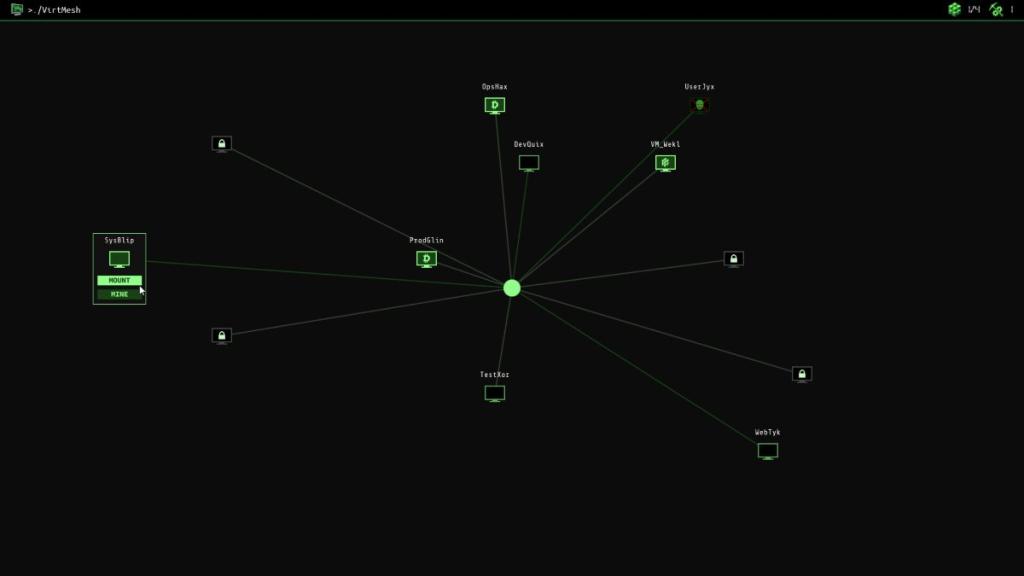
DOS Coins serve as the foundational currency within Welcome to the Game 3, indispensable for progression and interaction within the simulated Dark Net environment. Their primary utility lies in purchasing items from DarkDrop, a clandestine marketplace, and in enabling various strategic maneuvers to disrupt opponents. The most direct and consistent method for acquiring DOS Coins is through the VirtMesh application. This program allows players to either "mount" (hack into) computers for remote access or "mine" them for their inherent DOS Coin value.
VirtMesh is one of the initial software tools players are prompted to install, establishing the first touchpoint with the game’s resource acquisition loop. However, the system is designed with limitations to prevent players from remaining static and vulnerable. Similar to the act of browsing the Dark Net or remaining vigilant against in-game threats like Tanner and Lucas, prolonged engagement with a single compromised computer is not feasible. VirtMesh enforces a dynamic approach; players must frequently switch between different machines, whether for mining or mounting, to avoid being locked out of a particular system. This mechanic simulates the ephemeral nature of compromised digital infrastructure, forcing players to constantly adapt their digital footprint.

The process of hijacking computers within VirtMesh involves a minigame called INJ3KT-R. This involves navigating a grid, where players must chart a path from a starting point ‘A’ to an endpoint ‘B’ using arrow keys. The core rule of INJ3KT-R is that the chosen path must strictly alternate between light and dark tiles. Any deviation from this pattern results in failure, leading to the immediate denial of access to that specific computer. For players beginning in the base VirtMesh network, it is strategically advantageous to prioritize mining from NetVorn (yielding 1.45 DOS Coins), UserJyx (yielding 1.80 DOS Coins), and WebTyk (yielding 1.84 DOS Coins) due to their relatively high yields.
Beyond direct mining, DOS Coins can also be earned through the completion of various in-game requests, a mechanic that will be explored in greater detail later.
The inherent value of DOS Coins also makes them a prime target for both in-game antagonists and rival players. Lucas, a recurring character in the game’s narrative, poses a consistent threat, attempting to pilfer DOS Coins whenever he appears at the player’s motel. Furthermore, competing players, who are also vying for the same Key Hashes, will deploy hackers to intercept the player’s digital currency.
Defending DOS Coins requires strategic foresight. Lucas’s raids can be circumvented by shutting down the computer system when his presence is detected. This is achieved by interacting with the power button located in the bottom-left corner of the screen. The strategic deployment of motion sensors can provide crucial early warnings, granting players sufficient time to power down their systems before Lucas can access them. For those seeking a more direct counter, the NOP Sled tool can be utilized to bypass the hacking minigame entirely, preventing Lucas from initiating his theft.
The offensive capabilities of DOS Coins extend to retaliatory actions against competitors. Players can leverage the A.C.R.S. platform to contact and hire hackers, directing them to target specific rival players. This introduces a layer of player-versus-player conflict directly impacting resource accumulation. A failed hacking attempt against a competitor who has successfully implemented a "Backdoor" security measure will result in a penalty, deducting a small amount of DOS Coins from the player’s account. Conversely, a successful hack against an NPC lacking such defenses can result in the player siphoning a portion of their DOS supply. This can significantly hinder a competitor’s progress, particularly if they are saving for critical DarkDrop items or the services of a hired assassin.
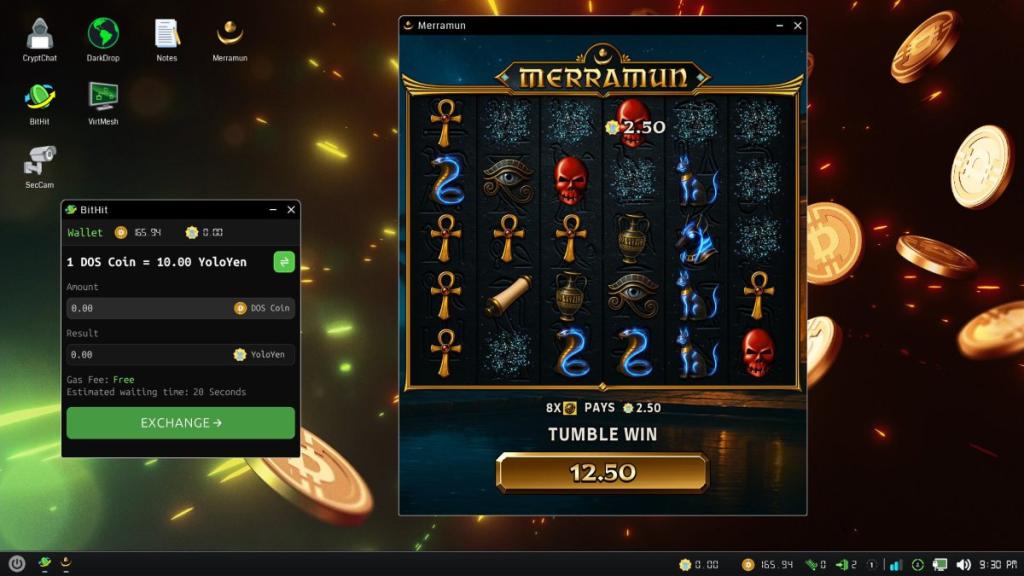
In high-stakes scenarios, players can also convert their DOS Coins into YoloYen via the BitHit platform. This digital currency can then be used to engage in the Merramun gambling application. Successful gambles can lead to increased YoloYen, which can then be reconverted back into DOS Coins, offering a high-risk, high-reward avenue for significant profit. This volatile market mechanic adds another dimension to resource management and risk assessment.
Cultivating Influence: Building Reputation (Rep)
Reputation, or "Rep," is a secondary but equally vital metric in Welcome to the Game 3, influencing access to services, the effectiveness of certain interactions, and the overall standing within the Dark Net ecosystem. Two key applications, ShadowFetch and A.C.R.S., are instrumental in building and managing a player’s Rep.
ShadowFetch’s primary function is to convert Universal Resource Locators (URLs) into MP4 video files. These videos can then be disseminated to users encountered on A.C.R.S., serving various purposes, from fulfilling requests to engaging in targeted social engineering. The conversion process within ShadowFetch incurs a DOS Coin fee, necessitating a calculated approach. Players should only invest in converting files when they are certain that a specific user actively desires that particular content.
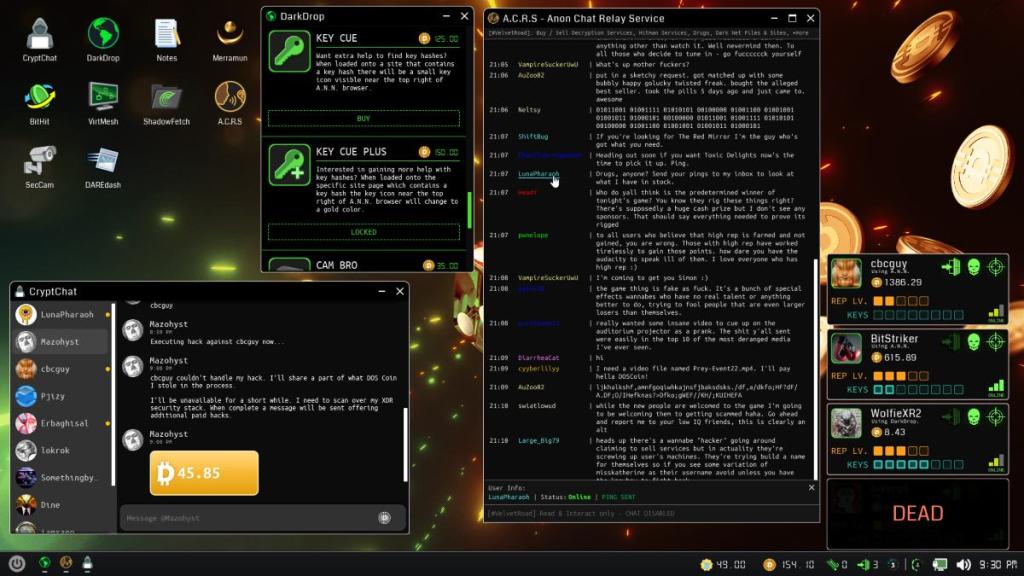
The most effective strategy for augmenting a player’s Rep level is by diligently completing NPC requests found on A.C.R.S. This platform functions as a global chat room, a nexus where competitors, hackers, dealers, and other Dark Web denizens congregate. Players should view these requests as analogous to side quests in role-playing games. The A.C.R.S. chat room undergoes a reset every thirty minutes. To ensure that a desired request remains active and accessible, it is crucial to "PING" any user whose request aligns with the player’s objectives. Successfully evading incoming hacks also contributes to the player’s Rep XP accumulation, rewarding defensive prowess.
While A.C.R.S. is a valuable tool for managing various interactions, including those with characters like Cletus, the most lucrative opportunities for Rep gain are often tied to video file requests. To fulfill these, players must acquire specific Fetch URLs from the Dark Net. These URLs are then converted into downloadable MP4 files via ShadowFetch. Upon successful conversion and delivery, players are rewarded with both DOS Coins and Rep.
NPCs may solicit a variety of items, ranging from simple website URLs to more complex video files. The Dark Wiki serves as a primary repository for such information. Even if direct access to a particular Dark Wiki site is blocked by network restrictions, players can still copy and paste the URLs into other accessible applications. The A.C.R.S. chat room is the hunting ground for these requests; players can sift through the constant stream of messages to identify and fulfill them. Any dealer whose Rep level matches the player’s, or any user explicitly seeking URLs, videos, or offering specific tasks, can be identified by their username. Selecting a username and pinging them will initiate a private messaging interface within CryptChat, facilitating direct communication and transaction.
The Crucial Hunt: Locating Key Hashes
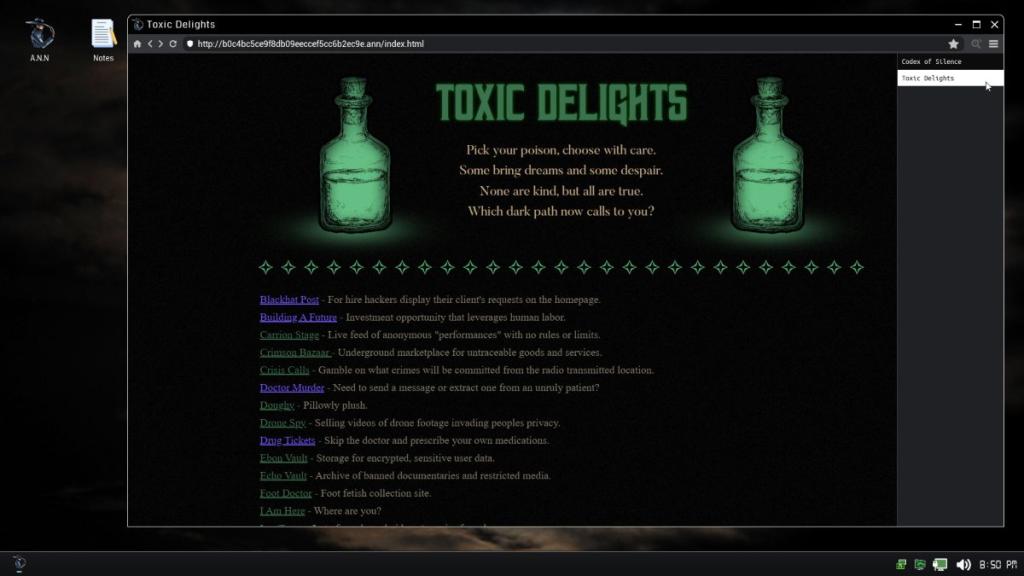
The ultimate objective in Welcome to the Game 3 is the discovery of eight distinct Keys. This pursuit necessitates extensive exploration of the Dark Net, leading players to progressively more obscure Dark Wikis. These wikis are the digital homes of potential Key Hashes, acting as breadcrumbs in the player’s quest. Wiki pages are typically identified by their ".ann" URL format. These URLs can be directly copied and pasted into the A.N.N. browser, which then reveals a curated list of associated websites.
The competitive landscape of Welcome to the Game 3 is defined by the presence of four other players, transforming the search for Key Hashes into a race against both the clock and fellow Dark Net inhabitants. Keys are dynamically generated at the commencement of each new game session. Given that websites can be classified as perpetually open, accessible only for a limited time, or entirely inaccessible, a proactive understanding of what to look for is paramount to avoid wasted effort. Keys often manifest as plain text on a webpage, typically comprising a number from one to eight, followed by a random alphanumeric string.
When a Key is concealed behind an on-page element, players must engage in a meticulous search. This involves hovering over individual letters and images, and critically, examining the page’s source code. The source code can be accessed via a magnifying glass icon located in the top-right corner of the A.N.N. browser. On a standard webpage, a hidden Key Hash can be revealed by hovering the cursor directly over it; if a Key is present, the cursor will transform into a clickable indicator. Within the Source Code Viewer, Key Hashes are presented in their complete, unadulterated form.
A significant departure from previous iterations of the Welcome to the Game series is the requirement to have the discovered Keys decrypted by an agent within A.C.R.S. This decryption process incurs a fee, adding another layer of resource management to the endgame.
Defensive Maneuvers and Offensive Strikes: Hacks and Competition Neutralization
As the in-game clock progresses towards 9:30 PM, players can anticipate the initiation of escalating hack attempts. These digital assaults will intensify over time, reflecting the increasing desperation and resources of opponents who are willing to invest more heavily to impede the player’s progress and potentially orchestrate assassination attempts. Each hack presents a unique challenge, requiring players to adapt their defenses.
The game mechanics surrounding hacks are multifaceted, often involving minigames that test a player’s reaction time and strategic decision-making. Successfully defending against these attacks not only protects the player’s resources and digital assets but also contributes to their Rep. Conversely, offensive hacking capabilities allow players to turn the tables. By utilizing the A.C.R.S. platform, players can engage the services of other users to initiate targeted attacks.
In certain critical junctures, players may find it necessary to directly engage with the game’s lethal elements by dispatching a killer to a competitor’s location. This process typically involves two distinct steps. First, players must identify and contact an individual on A.C.R.S. capable of "doxxing" a rival, meaning they can uncover and reveal the target’s personal information. This service comes with a fee. Once the dox information is obtained, the player then needs to find another contact who can utilize this intelligence to dispatch a hired assassin, or "hit," on the targeted competitor. This is one of the most expensive strategic options available within Welcome to the Game 3, but its effectiveness in eliminating competition, particularly as the endgame approaches, can justify the substantial investment. The ability to neutralize rivals directly, through the game’s sophisticated network of underworld contacts, adds a layer of brutal finality to the competitive aspect of the Dark Net.
The interplay between resource management, strategic hacking, reputation building, and direct confrontation forms the core of the Welcome to the Game 3 experience. Success in this digital labyrinth is not merely about speed, but about calculated risk-taking, adaptive strategy, and a profound understanding of the interconnected systems that govern this perilous simulated reality.