


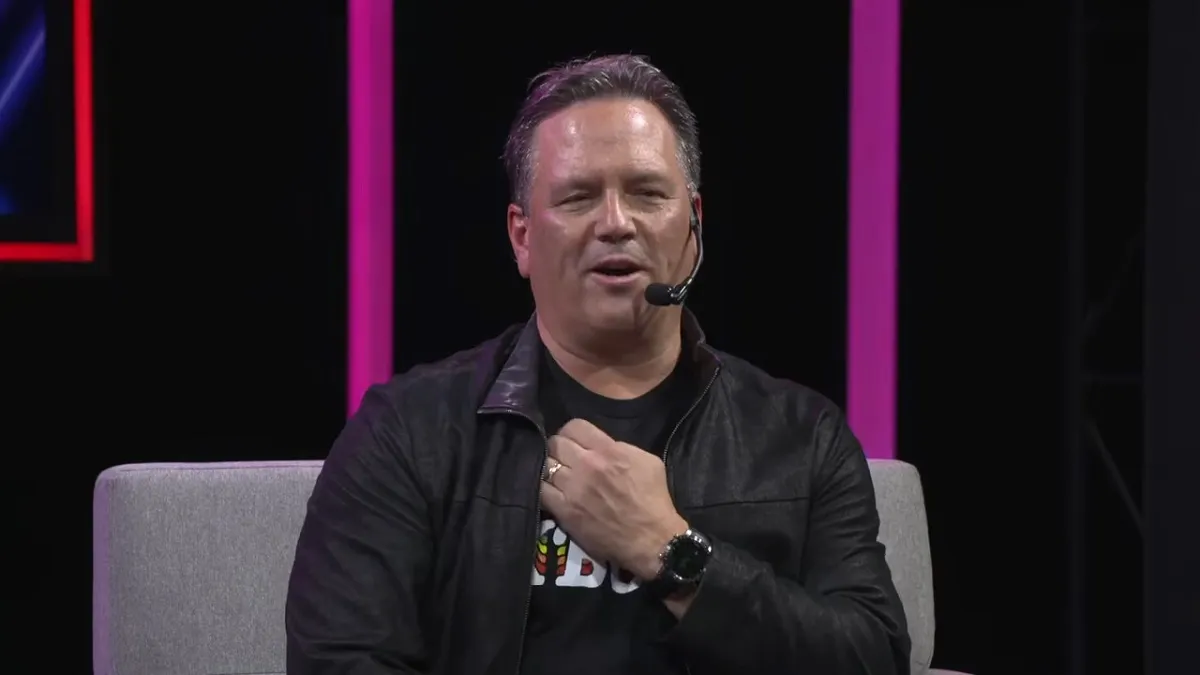
Phil Spencer, a pivotal figure in shaping the modern Xbox brand over a remarkable 25-year journey with Microsoft, is set to conclude his tenure as the chief executive of Xbox. His departure from the helm, effective February 23rd, marks the end of an era for the gaming division, ushering in a significant leadership transition. Taking the reins as the new head of Microsoft Gaming will be Asha Sharma, the current president of Microsoft’s CoreAI division, a move that signals a potential strategic pivot for the company. Sharma, who joined Microsoft in 2024, will inherit the leadership role during a period of dynamic evolution in the gaming and technology industries.
A Monumental Shift in Xbox Leadership
The news of this substantial leadership shakeup, first reported by IGN based on anonymous sources whose information had not yet been officially cleared for public release, indicates a carefully orchestrated transition. Spencer, who has been a constant and influential presence at Xbox for over a decade, will not be disappearing entirely from the immediate Xbox landscape. He is slated to remain in an advisory capacity to Asha Sharma until at least the summer, a commitment designed to ensure a seamless and stable handover of responsibilities. This advisory role underscores Spencer’s dedication to the continued success of the Xbox brand and his belief in the incoming leadership.
Strategic Promotions and New Leadership Structure
In conjunction with Sharma’s appointment as CEO of Microsoft Gaming, further structural changes are being implemented. Matt Booty, the current chief of Xbox Game Studios, is set to be promoted to Chief Content Officer (CCO). In this newly defined role, Booty will work closely with Sharma, suggesting a continued emphasis on content creation and studio management under the new leadership. This dual leadership structure, with Sharma at the helm and Booty focusing on the creative output, aims to leverage the strengths of both individuals to drive Xbox forward.
Spencer’s Rationale and Vision for Transition
In an internal email shared with Microsoft staff, Spencer revealed that the decision to retire from his leadership position had been a long-considered one, a contemplation he had shared with Microsoft CEO Satya Nadella. "From that moment, we aligned on approaching this transition with intention, ensuring stability, and strengthening the foundation we’ve built," Spencer wrote in his communication, highlighting a collaborative approach to this significant organizational change. He expressed his unwavering confidence in Sharma’s ability to lead the company following his departure.
"Working with her over the past several months has given me tremendous confidence," Spencer stated. "She brings genuine curiosity, clarity, and a deep commitment to understanding players, creators, and the decisions that shape our future. We know this is an important moment for our fans, partners, and team, and we’re committed to getting it right." His endorsement, coupled with his commitment to an extended advisory period, aims to reassure stakeholders about the continuity and strategic direction of Xbox.
Asha Sharma’s Inaugural Address and Strategic Pillars
Asha Sharma, in her own internal message to Microsoft staff, articulated her immediate priorities and overarching vision for Xbox. She pledged to conduct a thorough assessment of what drives Xbox’s success, identifying both effective strategies and areas for improvement, with a central focus on "great games." Sharma’s background in high-level leadership positions, including her previous roles as VP of Product and Engineering at Meta and COO at Intercart, positions her to bring a wealth of experience to this new challenge.
Sharma outlined three core commitments that will guide her leadership:
Commitment One: The Primacy of Great Games
"My first job is simple: understand what makes this work and protect it. That starts with three commitments," Sharma declared. "First, great games. Everything begins here. We must have great games beloved by players before we do anything. Unforgettable characters, stories that make us feel, innovative game play, and creative excellence. We will empower our studios, invest in iconic franchises, and back bold new ideas. We will take risks. We will enter new categories and markets where we can add real value, grounded in what players care about most." This statement unequivocally places game development and player satisfaction at the forefront of Xbox’s mission, emphasizing creativity and risk-taking.
Commitment Two: Reaffirming the Xbox Identity
Sharma also articulated a renewed focus on the core Xbox player base and the platform’s foundational elements. "Second, the return of Xbox. We will recommit to our core Xbox fans and players, those who have invested with us for the past 25 years, and to the developers who build the expansive universes and experiences that are embraced by players across the world. We will celebrate our roots with a renewed commitment to Xbox starting with console which has shaped who we are. It connects us to the players and fans who invest in Xbox, and to the developers who build ambitious experiences for it." This commitment suggests a potential re-evaluation of how Xbox engages with its long-standing community and the console experience itself, which has been instrumental in building the brand’s identity.
Commitment Three: A Forward-Looking Approach to IP and Technology
Concluding her address, Sharma shared her perspective on the future of gaming and intellectual property. She stated that Xbox will not approach its franchises as "static IP to milk and monetize," but rather will focus on "building a shared platform and tools that empower developers and players to create and share their own stories." This forward-thinking approach emphasizes collaboration and player agency.
Furthermore, Sharma directly addressed the evolving landscape of monetization and artificial intelligence. "As monetization and AI evolve and influence this future, we will not chase short-term efficiency or flood our ecosystem with soulless AI slop. Games are and always will be art, crafted by humans, and created with the most innovative technology provided by us." This stance, particularly her caution regarding the uncritical adoption of AI in game development, is noteworthy given her background as a leader in Microsoft’s AI division, suggesting a nuanced and player-centric approach to emerging technologies.
Context and Historical Significance
Phil Spencer’s tenure as head of Xbox has been marked by significant strategic shifts and substantial growth for the brand. He took over the leadership of Xbox in 2014, a period when the platform was navigating challenges and looking to redefine its identity. Under his guidance, Xbox embraced a more inclusive strategy, championed the Xbox Game Pass subscription service, and oversaw key acquisitions of major game development studios, including Bethesda Softworks and Activision Blizzard. These moves have significantly expanded Xbox’s content library and solidified its position in the competitive gaming market.
The acquisition of Activision Blizzard, in particular, which closed in October 2023 for a staggering $68.7 billion, represented a monumental undertaking and a testament to Microsoft’s long-term commitment to gaming. Spencer was instrumental in spearheading this deal, which brought iconic franchises like Call of Duty, World of Warcraft, and Diablo under the Xbox umbrella. This acquisition has undoubtedly reshaped the industry landscape and set the stage for future growth and integration.
The timing of this leadership change, occurring so soon after the integration of Activision Blizzard, is significant. It suggests a desire for new leadership to steer the expanded gaming empire through its next phase of development. Sharma’s background in AI, coupled with her experience in product and engineering, could signal a focus on leveraging cutting-edge technology to enhance game development and player experiences, while simultaneously ensuring that human creativity remains at the core.
Analyzing the Implications
The appointment of Asha Sharma, a leader from Microsoft’s AI division, to head Microsoft Gaming, is a bold move that underscores the increasing importance of artificial intelligence and data-driven innovation within the gaming industry. While Sharma’s public statements emphasize a commitment to "great games" and human creativity, her background suggests a potential for AI to be strategically integrated into game development pipelines, player engagement strategies, and operational efficiencies.
Spencer’s advisory role is crucial during this transition. His deep understanding of the gaming industry, established relationships with developers and partners, and historical perspective will be invaluable in guiding Sharma and the leadership team through the complexities of managing a significantly larger and more diverse gaming portfolio.
The renewed commitment to the Xbox console and its core players, as articulated by Sharma, is a welcome message to long-time fans who have invested heavily in the ecosystem. This emphasis on celebrating roots while embracing innovation suggests a balanced approach to future strategy.
The departure of Phil Spencer from the CEO role marks the end of a transformative period for Xbox. His leadership has been characterized by a focus on player-centric initiatives, strategic expansion, and a deep understanding of the gaming community. The success of Asha Sharma’s tenure will likely hinge on her ability to build upon this strong foundation while navigating the rapidly evolving technological and market landscapes. The coming months will be critical in observing how this new leadership structure shapes the future of Xbox and its ambitious plans within the global gaming arena. The industry will be watching closely to see how Sharma’s vision for AI integration aligns with her stated commitment to artistic integrity and player-focused experiences, and how the newly expanded Microsoft Gaming division leverages its formidable resources.