


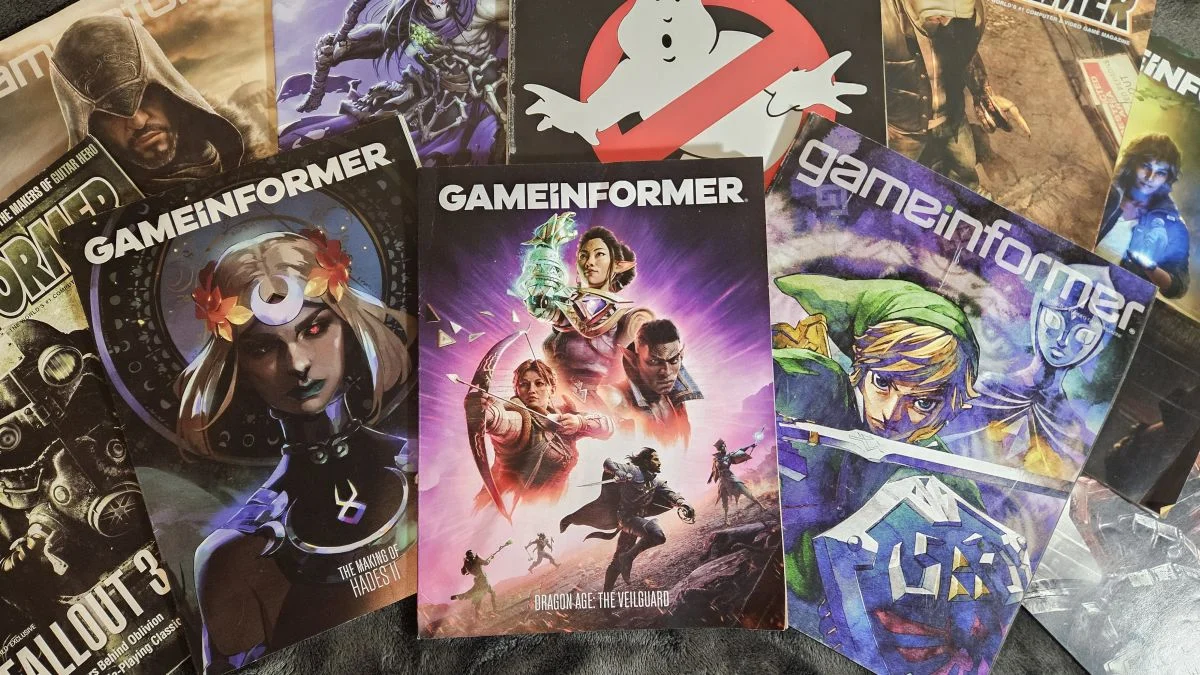
The landscape of video game media has been irrevocably altered with the abrupt closure of Game Informer, a venerable institution that has chronicled the evolution of interactive entertainment for over thirty years. News of the cessation of operations, impacting both its print magazine and digital presence, broke this morning, marking a somber day for countless industry professionals and a generation of gamers who grew up with its distinctive voice. GameStop, the parent company, confirmed the decision, which has resulted in the immediate layoff of the entire editorial staff.
Sources close to the publication indicate that the editorial team was informed of the closure by GameStop corporate executives this morning. The shuttering encompasses all aspects of Game Informer’s operations, effectively ending its legacy of comprehensive coverage. Kyle Hilliard, former content director for the magazine, shared on social media that the upcoming issue was approximately 70% complete and was slated to feature a "GREAT cover." This detail underscores the sudden and unexpected nature of the closure, leaving unfinished projects and a void in ongoing journalistic efforts.
A formal statement released across Game Informer’s social media channels confirmed the news, stating, "While our presses may stop, the passion for gaming that we’ve cultivated together will continue to live on." This sentiment has been echoed by former writers and contributors who have taken to their personal platforms to share their experiences and acknowledge the profound impact Game Informer has had on their careers and the industry at large.
A Legacy Forged in Print and Digital Evolution
Game Informer’s origins trace back to 1991, when it was launched as a modest, short-run magazine by FuncoLand, a video game retailer that has since gone out of business. Initially conceived as an in-house newsletter, the publication began to take shape as a more substantial offering. The trajectory of Game Informer shifted significantly in 2000 when GameStop acquired FuncoLand. This acquisition brought Game Informer under GameStop’s corporate umbrella, where it quickly became an integral component of the retailer’s customer loyalty program. Subscribers to GameStop’s PowerUp Rewards program (formerly GameStop Rewards) often received Game Informer as a primary benefit, fostering a direct connection between the publication and a vast consumer base.
This symbiotic relationship allowed Game Informer to reach an unprecedented audience for a gaming magazine. By 2010, its subscriber base had propelled it to become the fifth-largest magazine in the United States, surpassing the circulation of established titans such as Time and Sports Illustrated. This remarkable achievement highlighted the significant appetite for dedicated video game coverage and Game Informer’s success in meeting that demand.
Navigating Industry Shifts and Corporate Challenges
Throughout its existence, Game Informer demonstrated remarkable resilience, weathering numerous seismic shifts within the media and gaming industries. It navigated the challenging transition from print-dominant media to the burgeoning digital frontier, adapting its content strategy to include a robust online presence with articles, reviews, news, and multimedia features. Furthermore, the publication persevered through the broader decline in the print journalism sector, a trend that has led to the closure or significant downsizing of many traditional media outlets.
Game Informer also faced internal pressures stemming from its parent company, GameStop. The retailer itself has undergone significant turbulence in recent years, particularly following its prominent role in the "meme stock" phenomenon of early 2021. This period was marked by intense public scrutiny, investor interest, and internal restructuring. GameStop’s corporate strategy has seen numerous attempts to pivot and adapt, including significant investments and exploration into emerging technologies such as NFTs and blockchain, alongside a continued focus on its core retail operations. These corporate initiatives have, at times, led to workforce reductions and strategic realignments that have impacted various divisions, including Game Informer. Despite these challenges, the editorial team largely maintained its commitment to delivering high-quality content.
In a notable effort to bolster its print presence and re-engage its readership, Game Informer recently re-launched a subscription service for its magazine, signaling a continued belief in the enduring appeal of physical media for its dedicated audience. This initiative, however, was short-lived, as the overarching decision to cease operations has now rendered it moot.
An Enduring Influence on Gaming Culture
To categorize Game Informer as merely a "magazine" or "website" would be an understatement of its profound impact. For many, it served as an essential gateway into the world of video game journalism. The publication provided a comprehensive, cover-to-cover experience, offering in-depth previews of upcoming titles, meticulous reviews of released games, expansive feature articles exploring the industry’s trends, and critical analysis of the gaming landscape. At its zenith, Game Informer was renowned for its visually striking covers, often featuring original artwork that captured the essence of major game releases and became iconic in their own right. These covers were more than just artistic endeavors; they were statements that signaled the importance and cultural relevance of the games they represented.
Beyond its presentation, Game Informer consistently featured the voices and perspectives of the individuals who shape the gaming industry. Through concise opinion pieces, insightful interviews with developers and industry figures, in-depth features, and a cherished "Letters to the Editor" section, the publication fostered a sense of community and dialogue. For many aspiring writers and critics, Game Informer represented an early benchmark and an aspirational standard. The personal recollections of former staff and long-time readers attest to the formative influence of these early magazines, with many citing Game Informer as their first exposure to professional writing about video games and a significant inspiration for their own career paths.
The closure of Game Informer is occurring against a backdrop of persistent challenges within the broader video game industry. Reports from the past year indicate significant layoffs across numerous studios and media outlets. The loss of a publication with such a long and distinguished history, coupled with the displacement of its experienced staff, raises concerns about the sustainability of dedicated games journalism and the future trajectory of media coverage in an increasingly competitive and volatile industry. As more established voices and institutions face uncertainty, the implications for the depth and breadth of future game reporting remain a subject of significant concern for developers, publishers, and the global gaming community alike. The immediate future for the laid-off Game Informer staff involves navigating this challenging job market, as a significant bastion of games coverage now disappears, leaving a void that will be difficult to fill.