


The bustling CeX store in Milton Keynes, United Kingdom, on a typical weekend exemplifies a vibrant ecosystem for pre-owned entertainment. Lines often snake out the door, a testament to the enduring appeal of physical media and the thrifty consumer. Shoppers diligently scour shelves laden with consoles from various generations – PlayStation 2, PS3, Wii, Xbox 360, PS4, and the current PS5 – alongside a diverse inventory of used movies and tech. This scene stands in stark contrast to the prevailing atmosphere in many North American GameStop locations, which, based on anecdotal observation, often feature aisles more heavily stocked with Funko POP! figures than with a consistent flow of eager game buyers. In a strategic gambit that has drawn both skepticism and cautious optimism, GameStop has begun a significant shift, converting a portion of its U.S. and Canadian stores into a "GameStop Retro" model, a move that observers suggest could be a crucial lifeline if it successfully replicates the thriving community-driven model pioneered by the UK’s CeX.
The genesis of this pivot can be traced back to the challenges facing traditional brick-and-mortar video game retailers. The digital download revolution has fundamentally altered how games are purchased and consumed, leading to declining foot traffic and revenue for stores reliant on new game sales. GameStop, in particular, has faced a protracted period of financial headwinds, stock volatility, and strategic uncertainty. The company’s stock price famously surged in early 2021, fueled by a "meme stock" phenomenon orchestrated by retail investors on platforms like Reddit, a situation that, while providing a temporary financial boost, did little to address the underlying structural issues of the business. Against this backdrop, the announcement on August 28, 2023, of GameStop’s intention to transform some of its stores into retro-focused outlets signaled a radical departure from its established business model. Reports, including those from content creators like Spawn Wave, indicated that the implementation of this strategy was rapid, with employees reportedly having limited preparation time for the significant operational changes required.
The comparison to CeX is not merely incidental; it appears to be a foundational element of GameStop’s new strategy. For over three decades, CeX (short for "Complete Entertainment Exchange") has cultivated a unique retail culture in the UK and several other international markets. Its success is built upon a straightforward yet effective business model: buying, selling, and exchanging a wide array of used goods, with a strong emphasis on video games, electronics, and movies. This model fosters a sense of discovery and value for consumers. Unlike the often-sterile environment of many contemporary retailers, CeX stores are characterized by a dynamic inventory that constantly turns over, offering a compelling treasure-hunt experience for enthusiasts.
The author’s personal experience, having lived in both Canada and the UK, underscores this difference. In the UK, CeX is a ubiquitous presence, a go-to destination for both the latest releases and a vast selection of retro titles. The stores offer a seamless ecosystem where consumers can trade in unwanted items for store credit, which can then be reinvested in new purchases, creating a virtuous cycle. This model has resonated deeply with British consumers, leading to consistently high customer traffic, particularly in densely populated urban centers. The author notes the palpable excitement of visiting a CeX, the anticipation of unearthing hidden gems, and the satisfaction of acquiring sought-after games at accessible prices. This sentiment is further amplified by a dedicated online community. YouTube channels like Retro Ghetto and TVM regularly feature "CeX haul" videos, documenting their finds and engaging viewers in the thrill of the hunt. This online presence not only showcases the appeal of CeX but also contributes to its cultural cachet, transforming a retail transaction into a shared hobby and passion.
Conversely, the author’s observations of GAME, the UK’s former equivalent to GameStop, paint a picture of decline. With many GAME locations now integrated into larger Sports Direct retail spaces and ceasing to accept trade-ins, the brand appears to have lost its footing. This stark contrast highlights the divergent paths taken by retailers in the physical media space. While GAME struggled to adapt, CeX flourished by embracing the pre-owned market and building a community around it.
The implications of GameStop’s retro pivot extend beyond a simple shift in product focus. It represents a potential paradigm shift in how the company aims to engage with its customer base. The challenges in North America regarding the acquisition of retro games are significant. Independent retro game stores, while present in some communities, are not as widespread as CeX in the UK. This leaves many consumers reliant on online marketplaces like eBay and Amazon, where prices can be inflated, and the risk of receiving subpar or misrepresented items is higher. Furthermore, shipping costs can add substantially to the overall expense. The author’s experience in Canada, where prohibitive reseller prices deterred the development of a retro game collection, is a sentiment likely shared by many North American gamers. The prospect of GameStop Retro offering a more accessible and convenient avenue for acquiring these titles is, therefore, a welcome development.
Early indications from the GameStop Retro locations suggest that the pricing strategy may indeed be competitive. Spawn Wave, in his assessment, noted that the prices were "not terrible," comparing them favorably to those found on eBay and at gaming conventions. This suggests a deliberate effort by GameStop to establish itself as a viable alternative to established online resellers, potentially undercutting them on price and offering the tangible benefit of immediate purchase and the ability to inspect items in person. This is a critical factor in attracting and retaining customers in the retro gaming market, where authenticity and condition are paramount.
The online infrastructure supporting CeX is another key element that GameStop might aim to emulate. The CeX website is lauded for its user-friendliness and transparency. It provides real-time stock information for individual stores and clearly displays the trade-in credit offered for specific items. This level of detail empowers consumers, allowing them to plan their visits and make informed decisions. The author notes the "mystery" often associated with visiting a GameStop, where inventory and trade-in values can be unpredictable. Implementing a similar online inventory system and transparent pricing structure could significantly enhance the customer experience at GameStop Retro locations, fostering trust and encouraging repeat business.
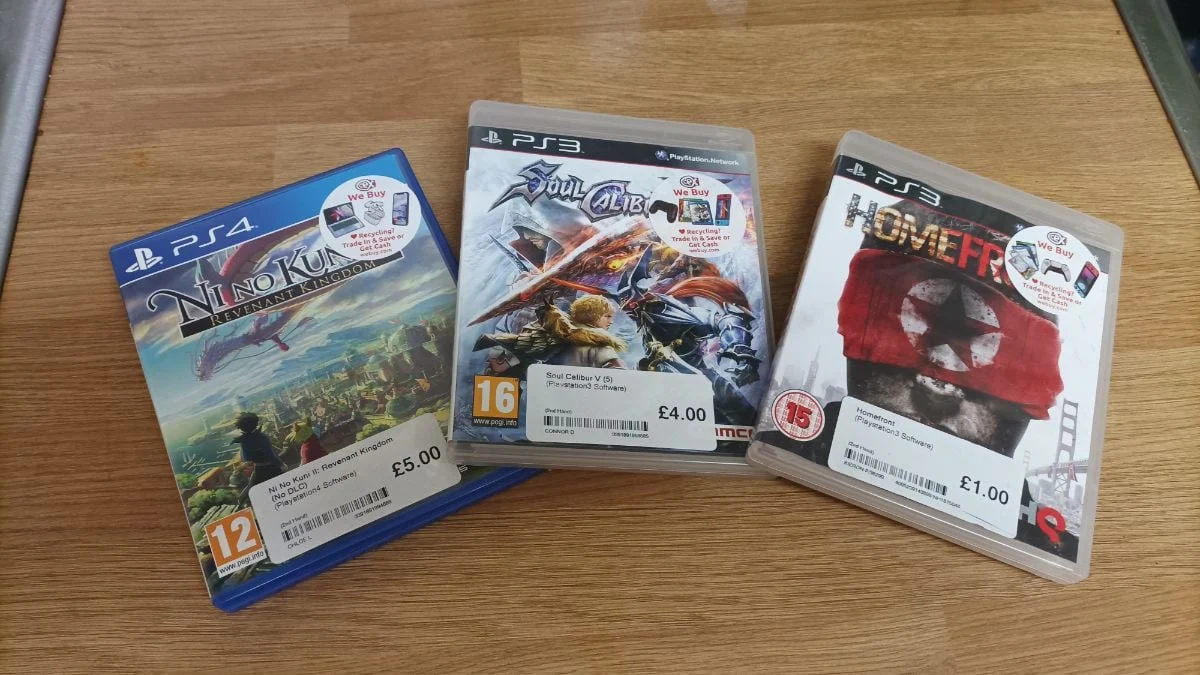
The author’s personal journey back to the UK and the subsequent rapid expansion of their PS3 and PS4 game library serves as a powerful testament to the value proposition offered by CeX. Acquiring titles like "Alpha Protocol," "Final Fantasy XIII," and "PlayStation All-Stars Battle Royale" for mere pounds sterling highlights the affordability and accessibility of the used game market. These are experiences that might be difficult or prohibitively expensive to obtain on modern platforms, and the author describes the process as "addicting." If GameStop Retro can successfully replicate this blend of value for money and fair trade-in rates, it could indeed prove to be a winning formula, even amidst lingering public sentiment surrounding past corporate decisions.
However, the path forward for GameStop is not without its complexities and controversies. The company’s history, particularly its decision to shutter Game Informer magazine and lay off its entire staff in February 2024, has cast a shadow over its corporate reputation. While the author acknowledges the potential of the retro model, they also express a degree of difficulty in fully supporting GameStop due to these actions. This ethical dimension adds another layer of scrutiny to the company’s strategic maneuvers. The success of GameStop Retro will likely hinge not only on its retail execution but also on its ability to rebuild trust and demonstrate a commitment to a broader gaming community, not just its shareholders.
The broader implications of GameStop’s retro initiative are significant for the gaming industry. If successful, it could signal a renewed viability for physical retail in the gaming sector, particularly for older titles. This could, in turn, encourage other retailers to explore similar niche markets and pre-owned models. Furthermore, it could provide a much-needed boost to the retro gaming community, making it more accessible and affordable for a wider audience. The potential for GameStop Retro to become a central hub for retro gaming enthusiasts, fostering community and offering a curated selection of beloved classics, is a tantalizing prospect. The company’s ability to learn from the established success of CeX, adapt its strategies to the North American market, and navigate the challenges of a rapidly evolving retail landscape will ultimately determine whether this bold pivot can indeed save the beleaguered retail giant. The journey of GameStop Retro is one that will be closely watched by gamers, industry analysts, and investors alike, as it represents a significant gamble on the enduring appeal of tangible gaming memories in an increasingly digital world. The success or failure of this venture could offer valuable insights into the future of video game retail and the enduring power of nostalgia in consumer purchasing decisions.