


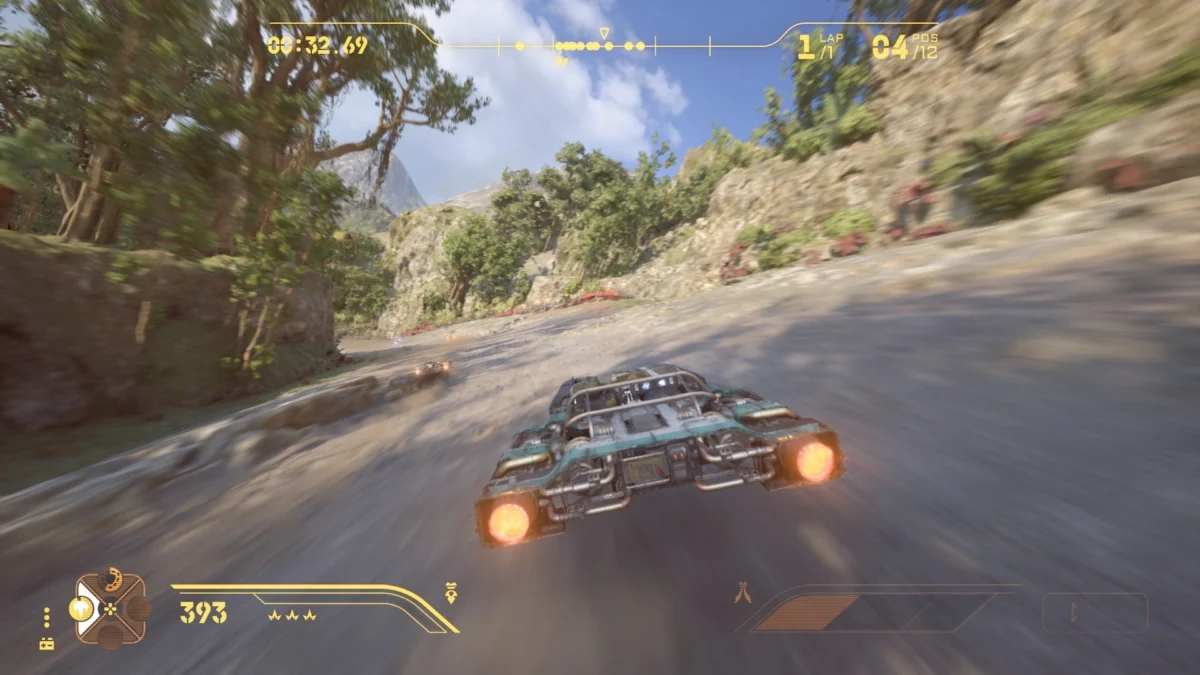
Star Wars: Galactic Racer, the highly anticipated debut title from UK-based Fuse Games, is poised to inject a fresh surge of adrenaline into the science-fiction racing genre. With its imminent launch on October 6th, priced at £49.99 / $59.99, early previews suggest the game masterfully combines the high-octane spectacle of Star Wars podracing with innovative gameplay mechanics reminiscent of classic arcade racers, particularly on the Xbox Series X platform. Initial impressions from reviewers highlight a game that not only pays homage to its iconic predecessors but also carves out a distinct identity through its unique blend of speed, combat, and replayability.
A Legacy Reimagined: The Return of Star Wars Racing
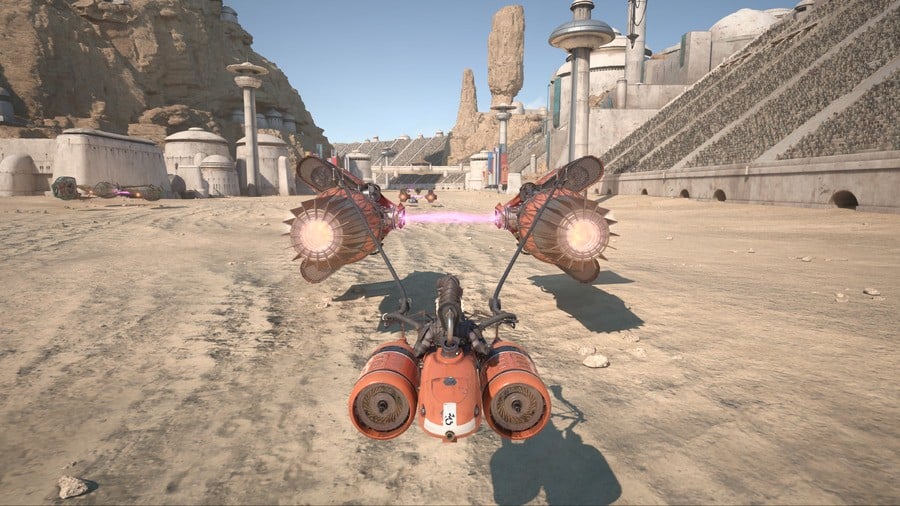
The legacy of Star Wars in the racing genre dates back to the critically acclaimed Star Wars Episode I: Racer, released in 1999 for the Nintendo 64 and PC. That title captivated a generation of players with its breakneck speeds, intricate track designs, and the visceral thrill of piloting iconic podracers through treacherous environments. Selling over 3 million units globally, Episode I: Racer remains one of the best-selling N64 titles and garnered significant critical acclaim for its innovative gameplay and faithful adaptation of the film’s iconic sequence. Over two decades later, the enduring appeal of that experience has left fans yearning for a spiritual successor, a void that Star Wars: Galactic Racer appears intent on filling. Trailers and preview footage for Fuse Games’ inaugural project have consistently showcased a game designed to evoke the same sense of dangerous, high-speed competition, immediately positioning it as a dream come true for those who cherished the N64 classic.

Fuse Games, a relatively nascent studio operating out of the United Kingdom, has kept much of its internal development process under wraps, yet the quality of Galactic Racer‘s promotional materials has generated significant industry buzz. While specific details about the studio’s formation are limited, its decision to launch with a high-profile Star Wars license for its first release signals both ambition and a strategic understanding of the gaming landscape. Industry analysts have noted that leveraging such a globally recognized IP can be a double-edged sword: it guarantees immediate attention but also carries immense expectations from a passionate fanbase. For Galactic Racer, the early indications are overwhelmingly positive, suggesting Fuse Games has navigated these challenges with considerable skill, potentially drawing on the expertise of veterans from other racing game development houses.
The journey to launch has seen a steady stream of information releases. Initial announcements highlighted the game’s core premise: a combat racer set within the vast Star Wars universe. Subsequent gameplay reveals at major industry events, such as E3 or Gamescom showcases, though not explicitly detailed in the original text, likely focused on demonstrating the fluid controls, dynamic environments, and the unique combat elements. The distribution of pre-release review codes, a standard practice in the gaming industry to facilitate early coverage, arrived slightly later than some reviewers had hoped. This timing, while causing a brief delay in comprehensive reviews, could be indicative of Fuse Games’ meticulous approach to final polish, ensuring the product delivered to critics was as refined as possible. Nevertheless, these early access opportunities have provided the first concrete insights into the game’s potential to redefine Star Wars racing.
Unleashing Adrenaline: The Core Racing Experience
At its heart, Star Wars: Galactic Racer delivers an exhilarating racing experience that truly captures the essence of "fast and furious." From the moment players hit the accelerator, the game plunges them into a relentless ballet of speed and danger. While the primary focus extends beyond traditional podracing to encompass a broader range of high-speed Star Wars craft, the core principle of intense, ultra-dangerous competition remains paramount. Tracks are designed with tight turns, sprawling jumps, and perilous environmental hazards, demanding constant attention and split-second decision-making. The feeling of boosting, a critical mechanic in any high-speed racer, is described as particularly satisfying, providing a potent burst of acceleration that can be strategically deployed to gain an edge over opponents.
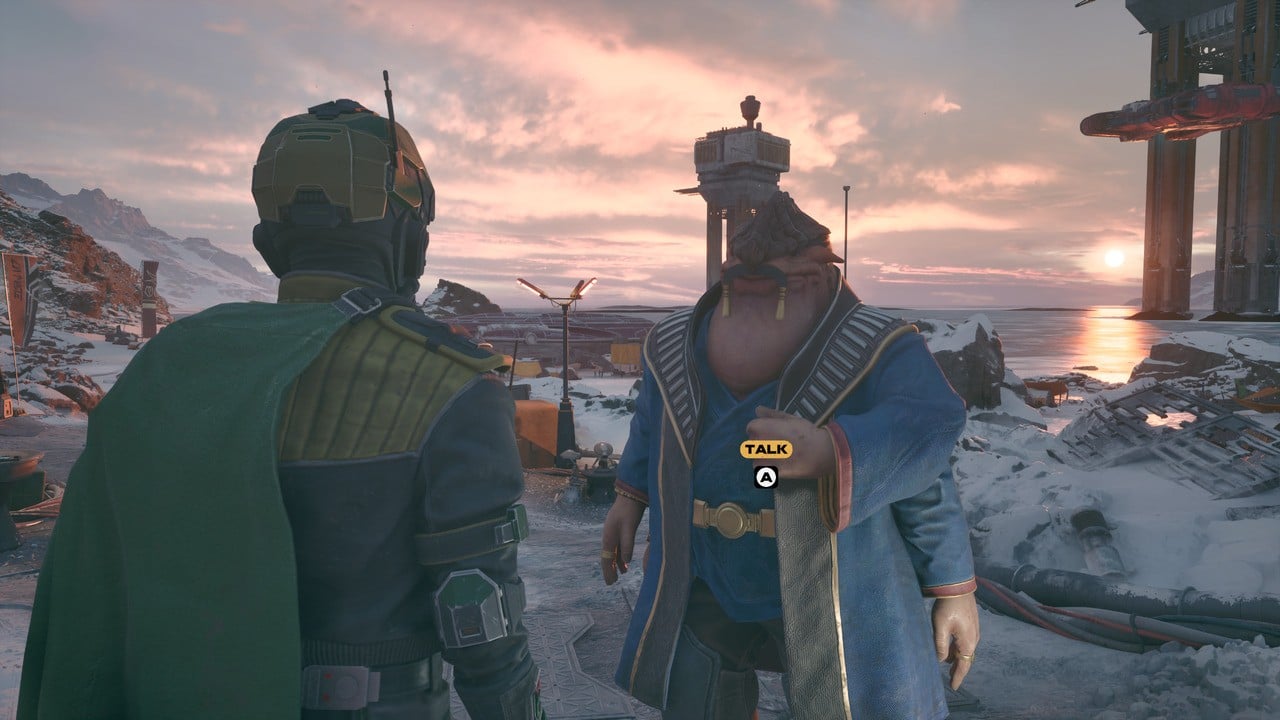
Further enhancing the strategic depth are unlockable special abilities that can significantly alter the course of a race. These abilities, which form part of a customizable loadout, allow players to tailor their approach to different tracks and opponents, adding a layer of tactical choice beyond raw speed. For example, some abilities might offer temporary invulnerability, a burst of sustained speed, or even defensive countermeasures against incoming attacks. The track design itself encourages exploration and mastery, with multiple routes often available. This design philosophy rewards players who learn the intricacies of each circuit, enabling them to discover shortcuts or optimal lines that can make the difference between victory and defeat in a tightly contested race. While the absence of local split-screen multiplayer is a minor point of contention for some, it is contextualized by the game’s sheer visual intensity and the need for a full screen to fully appreciate the chaotic action unfolding, which often involves numerous racers and environmental effects.
A Homage to Arcade Racing Classics: The Spirit of Burnout
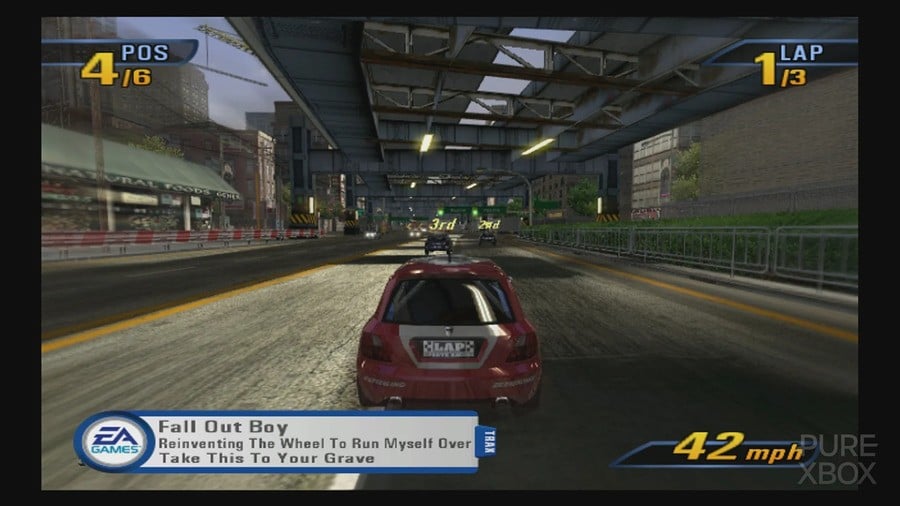
One of the most striking aspects of Star Wars: Galactic Racer, and a significant draw for long-time racing game enthusiasts, is its undeniable resemblance to the revered Burnout 3: Takedown. This comparison is a high compliment, placing Fuse Games’ title in the pantheon of arcade racing excellence. Released in 2004, Burnout 3 redefined combat racing with its aggressive takedown mechanics and spectacular crash physics, selling over 5 million copies worldwide and earning widespread critical acclaim. The similarities in Galactic Racer extend beyond a general sense of speed, delving into the very mechanics of competitive interaction. The signature "takedown" system from the Burnout series finds a spiritual home here, allowing players to ram rival racers with devastating force, watching their vehicles spectacularly disintegrate into shattered components in slow motion. This visceral feedback loop, a hallmark of Burnout 3 and its successor Burnout Revenge, is reported to be just as gratifying in Galactic Racer.
The game’s adherence to linear track designs, as opposed to the open-world format popularized by Burnout Paradise, further solidifies its connection to the classic Burnout era. This choice emphasizes tightly curated race experiences, focusing on pure racing skill and aggressive combat within defined parameters. This approach allows developers to craft intricate, multi-layered tracks that encourage memorization and skill-based navigation rather than relying on exploration. The option to toggle the slow-motion takedown camera on or off provides player agency, but for many, this cinematic flourish is an integral part of the thrill, turning each successful takedown into a mini-celebration of vehicular destruction. This deliberate design choice suggests Fuse Games not only understands the mechanics that made Burnout 3 iconic but also reveres the specific feeling it evoked, translating it effectively and authentically into the Star Wars universe.
Innovative Roguelite Campaign Structure: Redefining Progression
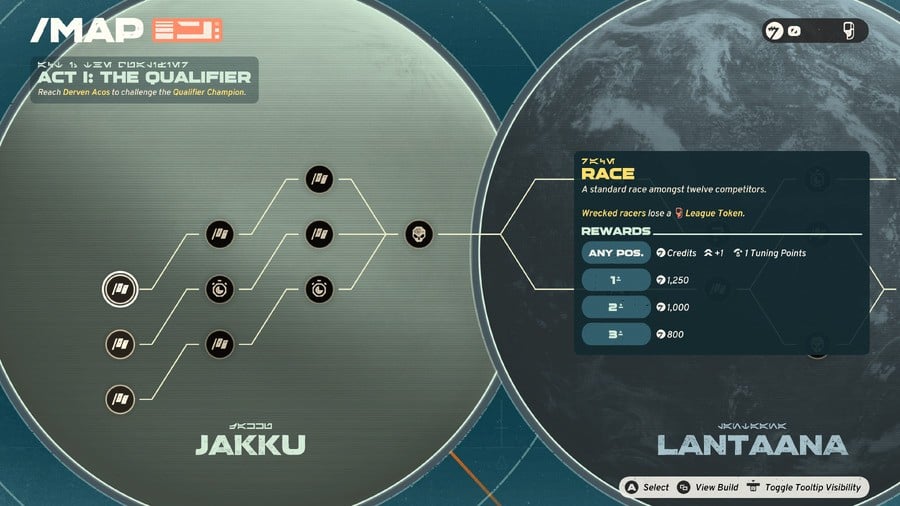
Perhaps the most groundbreaking feature introduced in Star Wars: Galactic Racer is its integration of a roguelite progression structure within the campaign. This marks a significant departure for a Star Wars racing title and represents an innovative approach to player engagement and replayability, a concept rarely seen in the genre. In this system, failure is not merely a setback but an integral part of the learning and progression loop. Players who get "wrecked" three times or fail to meet elimination criteria in certain races are thrown out of the current competition. However, this isn’t the end; their scrapped racer yields valuable parts and credits, which are then carried over to inform and enhance subsequent runs. This "meta-progression" system, a core tenet of the roguelite genre, ensures that even failed attempts contribute to long-term advancement.
This roguelite design encourages players to embrace failure as a stepping stone to mastery. Each "run" provides an opportunity to familiarize oneself with track layouts, identify optimal racing lines, and refine combat strategies. Given the intense speed of Galactic Racer, crashes are an inevitable part of the experience, particularly in the initial hours. The roguelite structure cleverly transforms these moments of frustration into productive learning opportunities. Players find themselves making incremental improvements with each attempt, gradually mastering the challenging circuits and discovering the most effective ways to utilize their abilities and tackle opponents. This system not only extends the campaign’s longevity significantly beyond that of a traditional linear racer but also fosters a deep sense of accomplishment as players incrementally conquer what initially seemed insurmountable. It represents a fresh perspective on how racing games can maintain player interest and engagement, potentially setting a new standard for the genre.
Audiovisual Excellence and Technical Performance on Xbox Series X
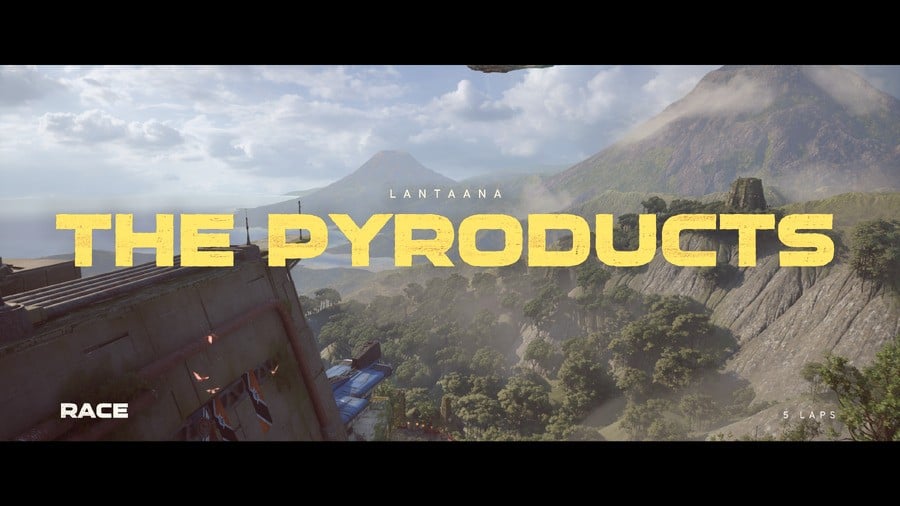
Star Wars: Galactic Racer makes a strong statement in the presentation department, showcasing impressive audiovisual fidelity for a studio’s debut title. Visually, the game boasts "awesome" graphics, particularly commendable for a development team of its size. Tracks are rendered with striking detail, and the various vehicles exhibit a high degree of craftsmanship, capturing the rugged, utilitarian aesthetic of Star Wars machinery. The game’s environments are particularly noteworthy, transporting players to iconic Star Wars planets such as Ando Prime and Jakku, each brought to life with spectacular vistas, dynamic weather effects, and atmospheric details that immerse players in the galaxy far, far away. The inclusion of interactive hubs between races, where players can walk around and engage with characters, adds another layer of immersion, enhancing the sense of being part of the Star Wars universe and offering narrative context.
The audio design is equally robust, playing a crucial role in immersing players in the high-speed action. The roar of engines, from the guttural rumble of heavy transports to the high-pitched whine of agile speeders, the screech of tires, and the explosive sounds of takedowns contribute significantly to the game’s visceral appeal. The integration of recognizable racecraft, such as the distinctive sound of Sebulba’s podracer, further deepens the Star Wars authenticity and provides a nostalgic thrill for fans. Voice acting across the game is described as "on-point," contributing to the overall narrative and character interactions without feeling out of place. This meticulous attention to both visual and audio elements ensures a polished and engaging experience from a sensory perspective, a crucial aspect for a game relying on speed and spectacle.
Performance on the Xbox Series X is reported to be exceptionally smooth, a critical factor for a game predicated on high-speed action. Utilizing a VRR-enabled display, reviewers experienced a stable 60 frames per second (FPS), a benchmark often sought for competitive and fast-paced genres. Industry analysis consistently indicates that a stable 60 FPS is paramount for racing titles, as it significantly enhances responsiveness, reduces input lag, and improves overall visual clarity during rapid movement. While the game offers a single display mode, foregoing the common "Quality" or "Performance" options typically found in modern console games, this decision appears justified by the consistent high framerate delivered across the board. Minor instances of "pop-in" observed during non-racing segments, such as in the interactive hubs, are noted but are considered negligible against the backdrop of an otherwise stellar performance profile during actual gameplay, where consistent framerates are most crucial. This level of optimization speaks to Fuse Games’ commitment to delivering a premium experience on Microsoft’s most powerful console.
Broader Implications and Future Outlook
The release of Star Wars: Galactic Racer carries significant implications, not just for Fuse Games but for the broader racing game genre and the Star Wars gaming ecosystem. As the inaugural title for Fuse Games, its reception will be instrumental in shaping the studio’s trajectory. A successful launch could establish Fuse Games as a formidable new player in the industry, potentially paving the way for future Star Wars titles, original IPs, or expansions to Galactic Racer. The positive early impressions suggest the studio has a strong foundation and a clear understanding of what makes an engaging arcade racer, which could attract further investment and talent.
For the Xbox platform, Galactic Racer represents a compelling addition to its library. While not confirmed as a full exclusive, its prominent showcasing on Xbox and the strong performance on the Series X positions it as a key title for Microsoft’s console. It helps fill a niche for high-quality, arcade-style racing that appeals to both Star Wars fans and devotees of classic combat racers like Burnout. The game’s innovative roguelite campaign also sets it apart, offering a unique selling proposition in a crowded market dominated by more traditional racing models.
Industry analysts will be closely watching Galactic Racer‘s commercial performance and critical reception. Its blend of nostalgia, modern mechanics, and roguelite elements could influence future design trends in the racing genre, potentially inspiring other developers to experiment with unconventional progression systems. The success of a game like this could also signal a renewed appetite for pure arcade racers, moving away from the dominance of simulation titles or open-world iterations that have saturated the market in recent years.
Looking ahead, the longevity of Star Wars: Galactic Racer will likely hinge on the strength of its multiplayer component, which reviewers are eagerly anticipating. A robust and engaging online experience, coupled with the inherent replayability in its roguelite campaign, could ensure the game maintains a vibrant player base well beyond its launch. The pre-order availability on the Xbox Store, combined with the positive early access feedback, indicates a confident release strategy. For many, the decision to purchase the game was already made, but these initial insights have undoubtedly reinforced that conviction, solidifying Star Wars: Galactic Racer‘s position as a must-play title for fans of high-speed Star Wars action.
The journey from anticipation to early hands-on has painted a picture of a game that not only meets but potentially exceeds expectations, promising to be a highlight for Xbox players and Star Wars enthusiasts alike. Its launch on October 6th is set to be a significant event, marking the arrival of a promising new contender in the racing game arena.