


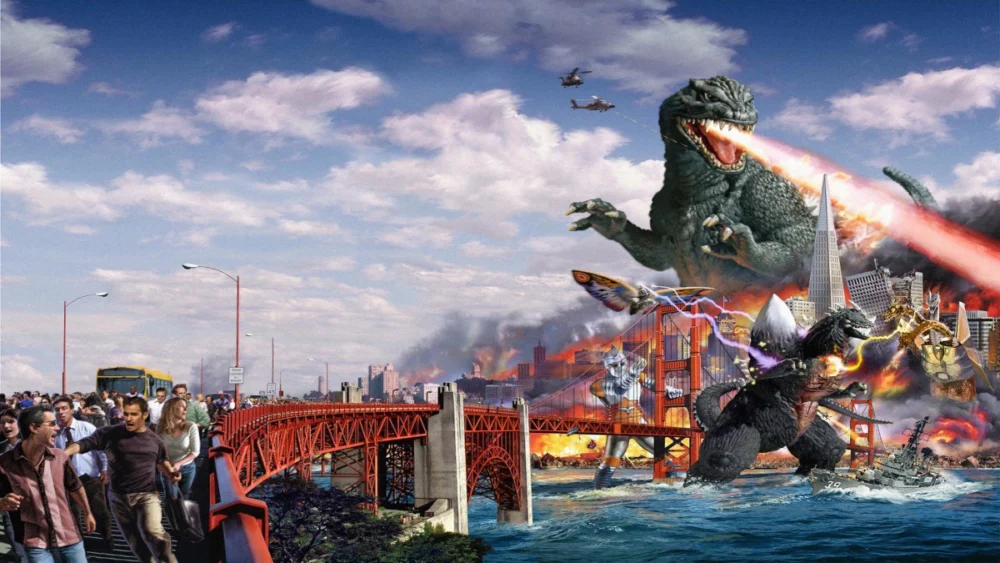
The impending arrival of Godzilla x Kong: Supernova, the fifth installment in Legendary Entertainment’s burgeoning Monsterverse franchise, has been further illuminated by a significant revelation: SpaceGodzilla is slated to be the primary antagonist. This confirmation, all but solidified through a listing on the Writers Guild of America website, marks the return of a formidable cosmic entity that first graced the silver screen in the 1994 Toho film, Godzilla vs. SpaceGodzilla. The announcement has not only generated considerable excitement among fans anticipating the next chapter in the Monsterverse saga but has also sparked a wave of retrospective appreciation for the characters and lore that have shaped Godzilla’s enduring legacy.
The initial teases for Godzilla x Kong: Supernova, which began surfacing in May, had already ignited a fervent discussion among a dedicated fanbase, with many speculating about the potential introduction of SpaceGodzilla. This anticipation has now culminated in a confirmed narrative arc, signaling a strategic move by Legendary to tap into deep-cut elements of the Godzilla mythos. The franchise, which commenced in 2014 with Gareth Edwards’ Godzilla, has progressively expanded its scope, introducing a pantheon of colossal creatures and exploring the intricate relationships between humanity and these titans. The inclusion of SpaceGodzilla, a villain known for his immense power and unique extraterrestrial origins, suggests a narrative that will likely delve into the cosmic dimensions of the Monsterverse, potentially pushing the boundaries of the established kaiju universe.
A Deep Dive into SpaceGodzilla’s Origins and Significance
SpaceGodzilla’s debut in Godzilla vs. SpaceGodzilla represented a significant evolution in the character’s antagonists. Unlike previous adversaries who were typically terrestrial in origin or mutated terrestrial lifeforms, SpaceGodzilla was presented as an extraterrestrial doppelganger of Godzilla, born from a microscopic cell of Godzilla that was carried into space by a comet. This cell then mutated in the vacuum of space, absorbing cosmic energy and eventually developing into a crystalline entity with a formidable array of powers. These abilities included the manipulation of energy, the generation of powerful psychic attacks, and the capacity to create and control crystalline structures, which he used to both fortify himself and attack his opponents.
The narrative of his initial appearance saw SpaceGodzilla arriving on Earth with the explicit goal of conquering the planet and eliminating Godzilla, whom he perceived as a rival and an obstacle to his ambitions. His presence introduced a new level of threat, one that transcended the usual terrestrial battles and introduced a cosmic horror element to the Godzilla franchise. This distinction is crucial, as it positions SpaceGodzilla not merely as another giant monster, but as a cosmic invader with a direct and personal vendetta against the King of the Monsters. His strategic intellect and unique powers made him a uniquely challenging foe, one that required Godzilla to adapt and overcome in ways he hadn’t before.
The Gaming Connection: Godzilla: Save the Earth as a Cultural Touchstone
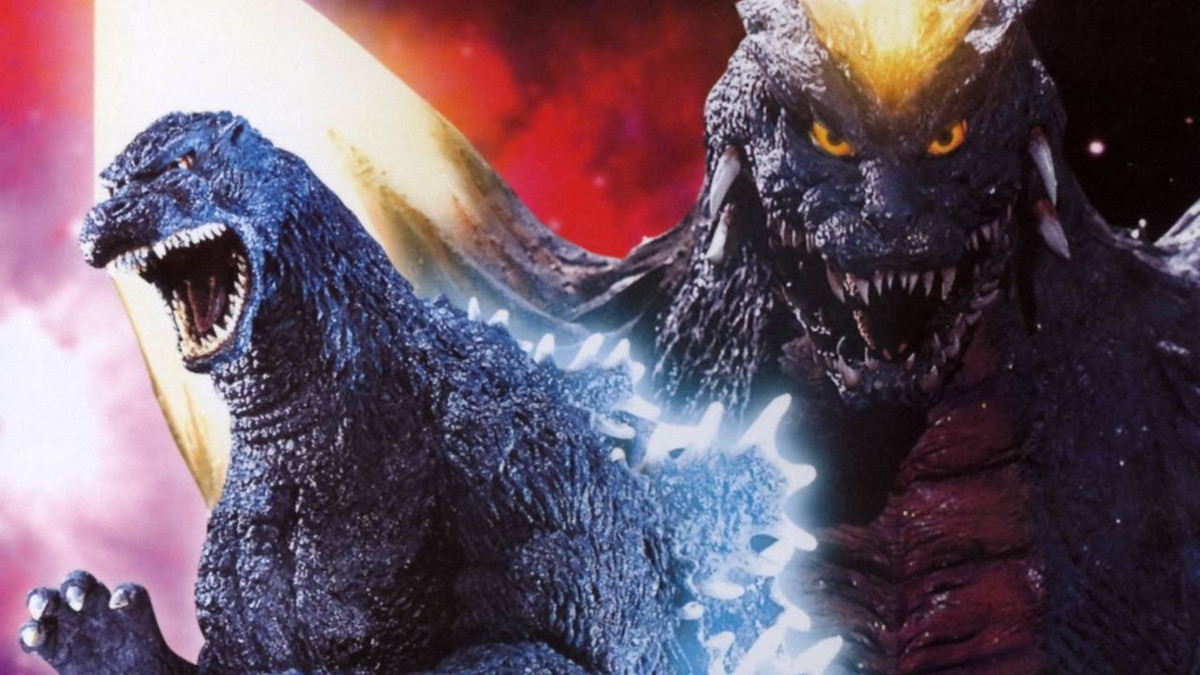
The confirmation of SpaceGodzilla’s role in Godzilla x Kong: Supernova has prompted many long-time fans to revisit the gaming experiences that first introduced them to this iconic antagonist. Among these, Godzilla: Save the Earth, released in 2004 for the PlayStation 2 and Xbox, stands out as a particularly influential title. Developed by Pipeworks Software, this game served as a direct sequel to the 2002 release, Godzilla: Destroy All Monsters Melee, and further cemented the studio’s reputation for creating engaging multiplayer brawlers centered around Toho’s kaiju.
Godzilla: Save the Earth distinguished itself by offering a robust roster of eighteen playable monsters, a significant expansion from its predecessor’s eleven. This expanded roster included a diverse array of fan favorites and deep cuts from Toho’s extensive monster catalog, providing players with an unprecedented opportunity to control a wide spectrum of Godzilla’s allies and adversaries. The game’s combat mechanics, while perhaps not catering to the intricacies of traditional fighting game enthusiasts, were designed to capture the sheer destructive power and visceral thrill of giant monster battles. Every impact carried weight, every tremor of the ground was palpable, and the satisfaction of sending opponents careening through destructible cityscapes was a core element of the gameplay experience.
The game’s narrative mode also played a pivotal role in introducing many players to SpaceGodzilla. As a formidable super-boss, he represented the ultimate challenge within the game’s story. His unique move set, characterized by "psycho-electric shocks" and "telekinetic grapples," offered a distinct and alien combat style that differentiated him from other playable monsters. Furthermore, his ability to summon crystals, which not only augmented his defensive capabilities but also accelerated his recovery, presented a strategic layer that demanded careful planning and execution from players seeking to overcome him. For many, the experience of confronting SpaceGodzilla in Godzilla: Save the Earth was their first encounter with the character, forging a lasting impression of his menacing presence and formidable power. This gaming experience has undoubtedly contributed to the enduring popularity and recognition of SpaceGodzilla among a generation of Godzilla fans.
Chronology of SpaceGodzilla’s Appearances and the Monsterverse Trajectory
The journey of SpaceGodzilla from his cinematic debut to his anticipated role in the Monsterverse follows a distinct timeline, highlighting his unique position within the Godzilla canon.
- 1994: SpaceGodzilla makes his inaugural appearance in Toho’s Godzilla vs. SpaceGodzilla. This film establishes his origins, powers, and his antagonistic relationship with Godzilla.
- 2004: Godzilla: Save the Earth is released, featuring SpaceGodzilla as a prominent character and a formidable boss. This video game appearance significantly broadens his reach and introduces him to a new audience.
- 2014: Legendary Entertainment launches the Monsterverse with Godzilla. This reboot sets the stage for a new cinematic universe focused on giant monsters, introducing Godzilla and other iconic creatures.
- 2019: Godzilla: King of the Monsters expands the Monsterverse, introducing more Toho kaiju and establishing a larger narrative framework for the titans.
- 2021: Godzilla vs. Kong brings the two titular titans into direct conflict, setting a precedent for major crossover events within the franchise.
- May 2024 (estimated): Teasers for Godzilla x Kong: Supernova begin to surface, igniting speculation about the film’s antagonist.
- Present Day (via WGA listing): The Writers Guild of America website listing confirms SpaceGodzilla as the primary antagonist for Godzilla x Kong: Supernova.
This chronological progression underscores a deliberate strategy by Legendary to integrate popular and conceptually rich characters from Godzilla’s history into their modern cinematic universe. The decision to bring SpaceGodzilla into the Monsterverse suggests a narrative that aims to escalate the stakes and explore new thematic territories, potentially delving into the origins of the titans and the cosmic forces that influence their existence.
Analysis of Implications: A New Cosmic Threat on the Horizon
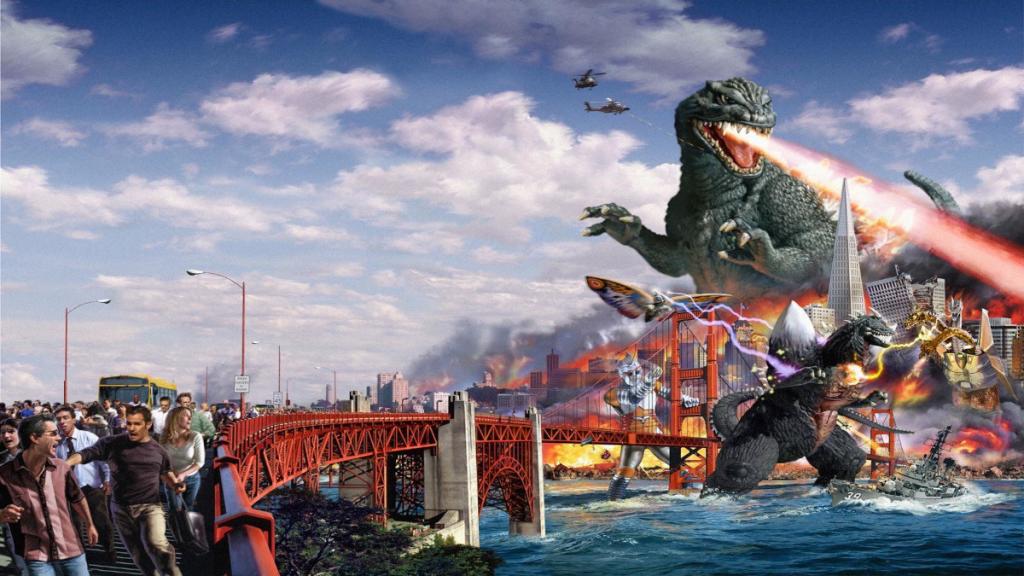
The confirmed presence of SpaceGodzilla in Godzilla x Kong: Supernova carries significant implications for the future direction of the Monsterverse. His established character as a cosmic entity with a desire for conquest positions him as a threat of unparalleled scale, potentially dwarfing previous antagonists like King Ghidorah or the Skullcrawlers. This choice signals a potential shift in the Monsterverse’s narrative focus, moving beyond Earth-bound conflicts to embrace a more expansive, intergalactic scope.
The inclusion of SpaceGodzilla could also serve as a narrative bridge to explore the origins of the Titans themselves. His extraterrestrial nature might provide an opportunity to delve into the cosmic phenomena or ancient celestial events that led to the existence of creatures like Godzilla and Kong. Furthermore, his unique crystalline physiology and energy manipulation abilities offer a rich visual and thematic palette for filmmakers to explore, promising spectacular battle sequences and innovative creature design.
From a marketing and fan engagement perspective, the return of a beloved yet somewhat niche character like SpaceGodzilla is a calculated move. It appeals to long-time fans who have followed the franchise through various iterations, while also introducing a compelling new villain to a broader audience. The nostalgia factor, particularly for those who encountered SpaceGodzilla through Godzilla: Save the Earth and other gaming appearances, is undeniable. This connection between different media platforms—cinema and gaming—highlights the interconnectedness of modern franchise building and the power of cross-generational appeal.
Broader Impact and Fan Reactions
The confirmation of SpaceGodzilla’s role has been met with widespread enthusiasm within the Godzilla fan community. Online forums and social media platforms have buzzed with discussions, analyses, and celebratory posts. Many fans express their excitement about seeing a character they grew up with or discovered through video games brought to life on the big screen with modern special effects capabilities. The potential for dynamic and visually stunning confrontations between SpaceGodzilla, Godzilla, and Kong is a major talking point, with fans eager to see how the filmmakers will interpret and adapt his signature abilities for a contemporary audience.
The decision to leverage a character like SpaceGodzilla also speaks to Legendary’s commitment to honoring the rich legacy of the Godzilla franchise while forging its own distinct path. By drawing upon a character that, while significant, may not be as universally recognized as Rodan or Mothra, the Monsterverse demonstrates a willingness to explore deeper cuts of Toho’s lore, rewarding dedicated fans and intriguing newcomers.
As Godzilla x Kong: Supernova moves closer to its release, the anticipation for SpaceGodzilla’s cinematic resurgence continues to build. His confirmed status as the film’s primary antagonist promises an epic confrontation that will likely redefine the boundaries of the Monsterverse and cement his place as one of Godzilla’s most memorable cosmic foes. The confluence of classic lore, nostalgic gaming experiences, and cutting-edge cinematic ambition suggests that Godzilla x Kong: Supernova is poised to be a landmark event for kaiju enthusiasts worldwide.