


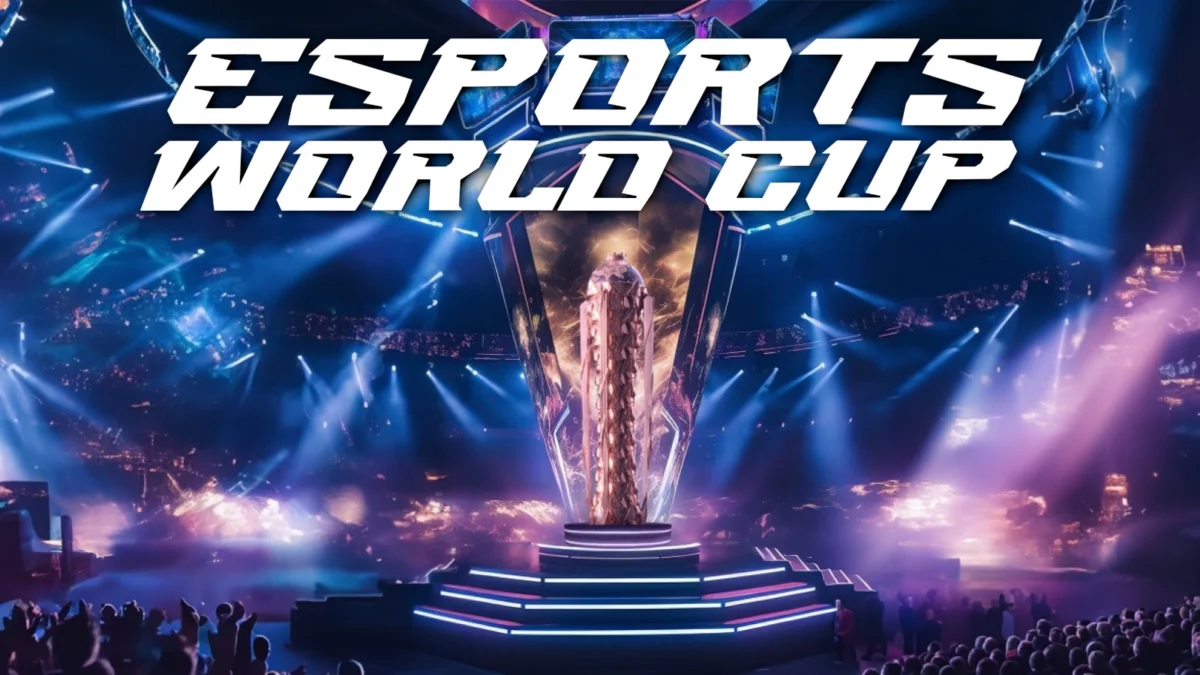
The highly anticipated 2026 Esports World Cup, a flagship event in the rapidly expanding global esports landscape, has undergone a significant venue change, moving from its initially announced host city of Riyadh, Saudi Arabia, to the iconic European capital of Paris, France. This relocation, confirmed on May 20th by the Esports World Cup (EWC) Foundation, signals a strategic adjustment driven by the volatile geopolitical climate in the Middle East, aiming to ensure the stability and accessibility of the tournament for its international participants and fan base.
Originally slated to take place between July and August 2026 in Riyadh, the decision to shift the event to Paris marks a pivotal moment in the EWC’s trajectory. The Esports Foundation, in an official statement, cited an "extended evaluation process in light of the current regional situation" as the catalyst for accelerating the event’s international rotation. This move underscores the paramount importance placed on providing a secure and predictable environment for players, clubs, teams, and spectators alike. "Our EWC fans are at the heart of everything we do, and we wanted to make sure that you and the Players, Clubs and Teams were offered clarity and stability you need to plan your event attendance and travel plans," the organization elaborated.
A Strategic Pivot: Understanding the Foundation’s Decision
The Esports World Cup, conceived as a premier global competition designed to elevate esports to a level comparable with traditional sporting spectacles, had ambitious plans for international expansion. The initial agreement with Saudi Arabia was part of a broader vision to rotate the hosting duties among major global cities, with each host city expected to contribute financially through hosting fees. This model was intended not only to decentralize the event but also to generate revenue for its continued growth and development. Therefore, a move away from Saudi Arabia was always part of the long-term strategy, though the timing has been significantly influenced by external factors.
The current geopolitical tensions in the Middle East have undoubtedly created an environment of uncertainty that is antithetical to the planning and execution of a global event of this magnitude. The logistical complexities involved in bringing together thousands of participants, staff, and tens of thousands of fans from across the world necessitate a stable and secure environment. The Esports Foundation’s decision reflects a proactive approach to mitigate potential risks and ensure the uninterrupted success of the 2026 edition.
Paris: A Global Hub for Esports and Entertainment
The selection of Paris as the new host city is a testament to its established position as a global center for sports, culture, and entertainment. The French capital boasts a rich history of successfully hosting major international sporting events, including the Olympic Games, and possesses a robust infrastructure capable of supporting an event of the EWC’s scale. This includes state-of-the-art venues, extensive transportation networks, and a vibrant hospitality sector.
Ralf Reichert, CEO of the Esports Foundation, expressed his enthusiasm for the new venue, stating, "This year, we’re excited to bring EWC to Paris for its first edition outside Saudi Arabia. Paris has hosted some of the world’s biggest sporting events and is one of the great global capitals of sport, culture and entertainment." He further highlighted the significance of this move, adding, "Together with the passion of French fans and the strong support we’ve received locally, we’re excited to bring the global esports community there for the next chapter of EWC. Paris now becomes the first international chapter in EWC history." This statement underscores the symbolic importance of Paris as the city that will usher in a new era for the Esports World Cup.
The enthusiasm for the move was echoed by high-profile figures within France. French President Emmanuel Macron publicly welcomed the decision, calling it an "honor." In a statement on social media, he remarked, "Thank you to Saudi Arabia for its trust. We are ready to organize this 2026 e-sports [sic] World Cup. Very proud to welcome the world again." This high-level endorsement signifies the strategic importance France places on hosting such a prominent global esports event, potentially boosting its profile as a leader in digital innovation and entertainment.

The Esports World Cup: Scale, Scope, and Ambition
The Esports World Cup is designed to be the pinnacle of competitive gaming, bringing together the best esports athletes and teams from around the globe to compete across a diverse range of titles. The 2026 edition is set to feature an impressive prize pool of $75 million, underscoring the significant investment and the high stakes involved for the participating teams. This substantial prize money aims to attract top talent and further elevate the prestige of the competition.
The tournament will encompass 24 different esports titles, demonstrating a commitment to inclusivity and the broad spectrum of competitive gaming. This diverse selection is expected to include globally popular titles such as Overwatch, Valorant, Counter-Strike 2 (CS2), and League of Legends, alongside other significant esports genres and even traditional games like chess, which has seen a surge in its esports presence. This multifaceted approach ensures a broad appeal, catering to a wide array of fan bases and showcasing the versatility of competitive gaming.
Contextualizing the Move: A Pattern of Global Esports Events
The relocation of the Esports World Cup is not an isolated incident in the world of major esports events. In recent years, the industry has witnessed a trend of global city bidding for hosting rights, mirroring traditional sports. Major esports tournaments have been held in diverse locations, from Las Vegas and Berlin to Shanghai and Kuala Lumpur. This global reach is a testament to the international appeal of esports and the desire of cities to capitalize on the associated economic and cultural benefits.
However, the esports landscape is also sensitive to the prevailing geopolitical and economic conditions. While the Esports Foundation has emphasized stability and clarity, the decision to move from Riyadh also highlights the potential challenges faced by organizers in regions experiencing heightened geopolitical instability. The ability of large-scale international events to navigate these complexities is crucial for their long-term viability.
Implications for the Esports Ecosystem
The shift to Paris is likely to have several implications for the esports ecosystem. For European esports fans, the proximity of the event offers a significant advantage, potentially leading to increased attendance and engagement. Paris, with its strong gaming culture and passionate fanbase, is well-positioned to embrace the EWC. The move could also bolster the European esports market, attracting further investment and development in the region.
Furthermore, the success of the 2026 Esports World Cup in Paris could set a precedent for future international esports event rotations. It may encourage other global cities to vie for hosting rights, fostering a competitive landscape for event organization. The EWC’s commitment to a diverse range of titles and substantial prize pools also continues to push the boundaries of what is expected from top-tier esports competitions, influencing other tournament organizers and game publishers.
For the participating teams and players, the clarity and stability provided by the venue confirmation are invaluable. The ability to plan travel, accommodation, and training schedules without the looming uncertainty of a potential relocation is critical for peak performance. The Esports Foundation’s emphasis on this aspect of their decision-making process underscores their understanding of the professional demands placed on esports athletes.
A Look Ahead: The Future of the Esports World Cup
As the Esports World Cup embarks on its inaugural chapter outside of Saudi Arabia, its relocation to Paris represents a bold step forward. The event’s commitment to showcasing a wide array of esports titles, coupled with a substantial prize pool, positions it as a significant player in the global esports calendar. The success of this transition will be closely watched by the industry, offering insights into the resilience and adaptability of major esports events in a dynamic global environment. The focus now shifts to delivering a memorable and impactful tournament that further cements esports’ place on the world’s entertainment stage.