


Recent years have seen a significant challenge to Star Wars’ cultural dominance, with a series of media projects struggling to resonate with audiences. A majority of recent Disney+ series have faced lukewarm reception, and the franchise’s latest cinematic offering, The Mandalorian and Grogu, reportedly underperformed compared to previous theatrical releases in the series’ history. This trend has led some observers to note a growing sense of apathy among long-time fans regarding the direction of the beloved sci-fi space opera. However, a notable counter-narrative has emerged from the realm of Star Wars video games, which have consistently delivered engaging experiences. Titles like the critically acclaimed Soulslike duology Jedi Fallen Order and Jedi Survivor, alongside the innovative turn-based strategy of Star Wars Zero Company, have prioritized compelling gameplay and immersive narratives, garnering positive feedback from both critics and players.
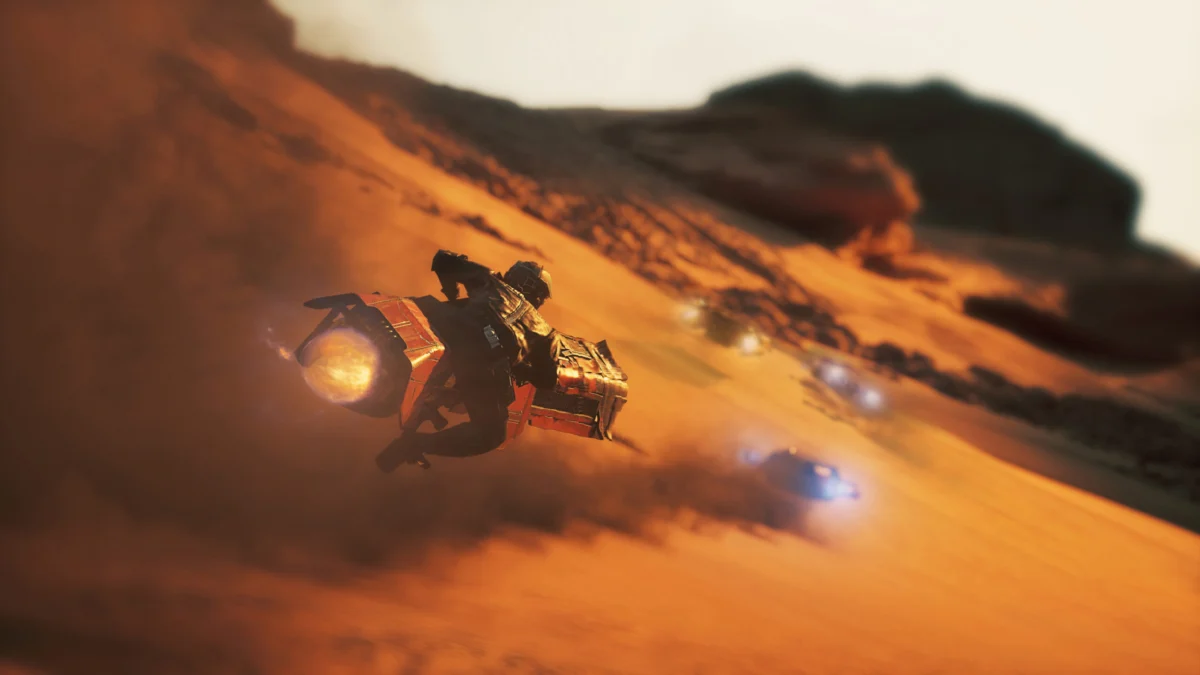
This pattern of successful gaming endeavors continues with Fuse Games’ latest release, Star Wars: Galactic Racer. This arcade-style racing game distinguishes itself with speedy ship combat, competitive action, and a refreshingly self-contained narrative. Drawing comparisons to classic titles such as F-Zero for its high-velocity thrills and Burnout for its emphasis on aggressive, destructive racing, Galactic Racer has quickly established itself as a standout entry in the racing genre and a significant win for the Star Wars gaming canon. Set for release on PlayStation 5, Windows, and Xbox Series X/S, the game promises to rekindle the excitement for a galaxy far, far away.
A Grounded Narrative in a Galaxy of Epic Stakes
The premise of a Star Wars racing league initially raised questions about its narrative depth, particularly given that its spiritual predecessor, the 1999 classic Star Wars Episode 1: Racer, largely eschewed a complex plot. Further skepticism arose from Galactic Racer‘s placement within the Star Wars timeline: the era between Return of the Jedi and The Force Awakens. This period, often referred to as the "sequel timeline," has historically struggled to deliver consistently engaging stories for many fans. Yet, Galactic Racer delivers a surprisingly novel and compelling story focused on a specific corner of the universe adapting to a post-Imperial reality. The narrative cleverly highlights that after the downfall of the Galactic Empire, the galaxy’s inhabitants were preoccupied with rebuilding, leaving little time or infrastructure for organized high-speed sports. This context allows the game to construct a world where racing leagues must be re-established from the ground up, reflecting the wider societal reconstruction.

The story centers on Darius Pax, a passionate racing promoter dedicated to reviving high-speed sports. He endeavors to establish a new league, meticulously securing sponsorships and recruiting top talent from across the galaxy. This diverse roster includes figures like Griff Halloran, an enigmatic ex-TIE Fighter pilot, and Soren Zaks, a seasoned, kindhearted thrill-seeker. The primary antagonist emerges in Kestar Bool, a "nepo baby" who leverages immense family wealth to fund superior racing machines and execute a hostile takeover of Pax’s nascent assets. To thwart Bool’s imminent threat, Pax enlists the protagonist, Shade, a driver with a devil-may-care attitude and a personal vendetta against Bool, alongside their happy-go-lucky mechanic, Hibi. Their mission: win the league championship and preserve the integrity of the sport.
This setup embodies the classic underdog sports narrative, where personal vengeance and competitive spirit drive the protagonist. Crucially, the game avoids the common Star Wars trope of galaxy-level threats, instead focusing on a more intimate, high-stakes rivalry against a single, contemptible adversary across the universe’s most perilous racetracks. This localized conflict allows for a more character-driven story, a departure from the grand-scale battles that have often defined the main saga.
Innovative Roguelike Campaign Structure
Fuse Games describes the campaign structure of Galactic Racer as "runs-based," integrating elements commonly found in roguelike games. This means players progress through a procedurally generated tournament bracket, where random rewards and upgrades build their vehicle’s kit over successive races. While the integration of a roguelike concept into an arcade racer might seem unconventional, it provides a unique layer of strategic depth and replayability. The consequences of failure are significant; crashing out or losing too many events effectively scraps the player’s vehicle, forcing Shade and Hibi to begin anew. This mechanic is not merely a gameplay loop but serves a narrative purpose, underscoring Shade’s identity as a scrappy upstart who must constantly rebuild and adapt, mirroring the post-Empire reconstruction efforts within the game’s setting.
The narrative also incorporates elements of nostalgia with careful restraint. Familiar faces such as Anakin Skywalker’s podracing rival, Sebulba, appear as a washed-up legend, adding a layer of historical context without overshadowing the new characters. The antagonistic Bool family’s wealth is revealed to have originated, in part, from operating aspects of the Empire’s slave trade, grounding their villainy in the grim realities of the Star Wars universe. These cameos and lore tidbits are strategically placed, designed to appeal to lore enthusiasts without dominating the storyline.

This storytelling approach demonstrates a notable restraint compared to many contemporary Star Wars projects. By prioritizing the exploration of new corners of the galaxy and introducing a diverse cast of original characters, Galactic Racer caters to a growing fan desire for fresh perspectives beyond the established bloodlines and recurring heroes. The game’s focus on the seedy underbelly of the Star Wars universe—a realm often populated by comically evil mobsters and smugglers—allows for entertaining exploration without the obligatory inclusion of legacy characters like Han Solo or Boba Fett, thus fostering a sense of discovery and genuine novelty.
Strategic Depth and Dynamic Gameplay
Galactic Racer offers surprising depth in its vehicle build system, providing players with distinct strategic choices from the outset of each run. Players must select one of three primary vehicle types: the versatile landspeeder, the high-risk speeder bike, or the graceful skim speeder. Each type possesses unique attributes in terms of acceleration, turning rates, and drifting capabilities, influencing preferred playstyles and track suitability.
Campaign tournaments begin with largely stock equipment. As players win races, they accumulate credits and acquire upgrades essential for preparing for the challenging knockout championship event. These upgrades come in two forms: passive parts that provide constant bonuses on the track, and active abilities that consume the vehicle’s energy at critical moments to gain advantages. This system encourages experimentation and adaptation, as players are not guaranteed to find their preferred parts or abilities, forcing them to make difficult decisions based on available resources. Damage sustained from crashes or environmental hazards can also carry over as debuffs into subsequent events, adding another layer of strategic consideration to managing vehicle integrity.
A significant highlight of Galactic Racer‘s gameplay is its kinetic combat and "sickly satisfying takedown system," reminiscent of the classic Burnout series. Brushing against rival speeders generates intense sparks and visual feedback, while deliberate collisions result in dramatic crash cams as opponents careen off the track. This aggressive approach, while not always conducive to winning every race, is undeniably cathartic. Players can opt for builds focused on a resilient chassis or deploy bombs and other offensive tools to cause mayhem, creating diverse and engaging combat scenarios.

However, not every ability is equally effective or universally praised. The inclusion of an "autopilot" feature, for instance, has been noted as a curious design choice. While intended to offer brief moments for trap activation or part repair, its unpredictable nature—potentially steering the vehicle into walls—can undermine the satisfying precision of drifting through sharp turns and maintaining clean racing lines. This particular mechanic represents one of the few balancing missteps in an otherwise well-considered design. Despite minor imperfections, the comprehensive thought invested in Galactic Racer‘s roguelike structure ensures that multiple playstyles, from precision racing to aggressive brawling, offer viable paths to victory.
Longevity and Community Engagement
Beyond the main story mode, which involves defeating Kestar Bool, Galactic Racer offers a wealth of content designed to extend its replayability. The game features arcade time trials, robust multiplayer races, special podracing events (allowing players to experience the iconic sport from Episode 1), and an extensive array of cosmetic rewards. These additional modes present genuinely challenging opportunities for mastery, with gold medals often requiring hours of dedicated practice, particularly in specialized events like the ramjet-themed arcade challenges.
A notable omission, however, is the lack of an AI quick race mode. The absence of a straightforward option to select a track, difficulty, and immediately engage in a single race against bots is a surprising oversight for an arcade racer and is an area many players hope Fuse Games will address in future updates.
Despite these minor flaws, the development team at Fuse Games demonstrates an evident passion for the Star Wars universe. This dedication is reflected in numerous subtle details and flourishes that enhance the gameplay experience. The roguelike "runs" organically foster emergent narratives, as players develop rivalries with AI opponents and witness the consequences of their actions across multiple races. Characters within the game react dynamically to the player’s performance, challenging Shade to one-on-one knockout races and proposing lucrative side bets before events. This imbues the world with a sense of vitality and consequence, reflecting the audacious spirit of individuals willing to compete in high-stakes, dangerous races.

These interactive elements extend into the multiplayer tours, where players can wager in-game credits earned from previous races. While this system could potentially foster toxicity in public lobbies, early experiences suggest it effectively promotes emergent narratives and adds a layer of meaningful interaction to competitive play.
Implications for the Star Wars Franchise
While Star Wars: Galactic Racer may not garner "Game of the Year" accolades amidst a crowded field of blockbuster releases, its impact on the Star Wars gaming landscape is significant. It stands as a testament to the enduring appeal of the franchise when coupled with innovative gameplay and focused storytelling. The game’s success in revitalizing enthusiasm for the series, especially among those who had grown apathetic towards recent mainstream projects, highlights a crucial point: there is still immense value and untapped potential in the galaxy far, far away.
By demonstrating the viability of self-contained narratives that explore new characters and corners of the universe, rather than constantly relying on established legacy characters and galaxy-ending plotlines, Galactic Racer could serve as a model for future Star Wars media. Its embrace of a niche genre like arcade racing, combined with popular roguelike mechanics, showcases how creative risks can yield substantial rewards. This approach not only provides a refreshing gameplay loop but also reminds fans of the awe and wonder that originally defined the Star Wars experience.
Although a single game may not dictate the entire creative direction of a juggernaut franchise, Star Wars: Galactic Racer undeniably offers something special. It is a compelling example of how a focused vision, strong gameplay, and a commitment to exploring the rich tapestry of the Star Wars universe beyond its most famous elements can reignite passion and prove that the series’ potential for engaging, innovative storytelling remains vast, ready for players to ride their ramjets from the icy plains of Crait to the desert dunes of Tatooine.