


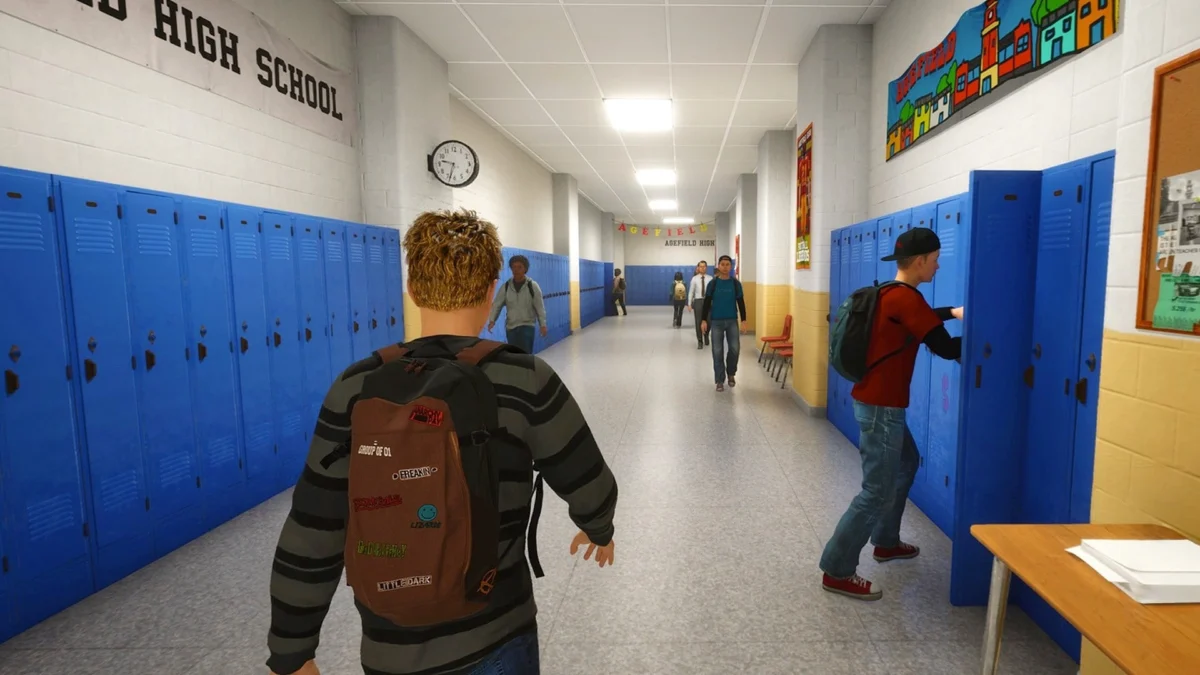
October has commenced with a steady flow of new content for the Xbox platform, presenting players with a diverse array of experiences ranging from contemplative puzzle adventures to nostalgic high school simulations. As the gaming calendar transitions further into the final quarter of the year, daily additions to the Xbox library underscore the platform’s commitment to maintaining a dynamic and engaging ecosystem for its global player base. October 2nd introduces two notable titles: Keeper, an atmospheric puzzle adventure from the critically acclaimed Double Fine Productions, which becomes accessible to Xbox Game Pass Premium subscribers, and Agefield High: Rock the School, a title that has garnered attention for its thematic echoes of Rockstar Games’ seminal 2006 release, Bully. These additions, while part of a comparatively quieter release day following a more substantial influx of games, strategically enhance the Xbox catalog and cater to distinct player preferences.
Xbox Game Pass Expansion: ‘Keeper’ Arrives on Premium
One of the significant highlights for October 2nd is the integration of Keeper into the Xbox Game Pass Premium subscription tier. Developed by Double Fine Productions, under the creative direction of Lee Petty, Keeper is an atmospheric puzzle adventure game distinguished by its unique narrative and visual style. The game’s premise centers on a long-forgotten lighthouse that is mysteriously reawakened. This inanimate structure, unexpectedly joined by a spirited seabird, embarks on a journey described as a "heartening tale of unlikely companionship" and an "unexpected journey into realms beyond understanding." This synopsis suggests a blend of environmental puzzle-solving, evocative storytelling, and perhaps elements of magical realism, characteristic of Double Fine’s often whimsical yet profound narrative approaches.
Double Fine Productions holds a distinguished position within the video game industry. Founded in 2000 by industry veteran Tim Schafer, the studio has cultivated a reputation for crafting unique, character-driven games that frequently defy conventional genre classifications. Their portfolio includes critically acclaimed titles such as Psychonauts (2005) and its sequel Psychonauts 2 (2021), Brütal Legend (2009), and Costume Quest (2010). Double Fine’s acquisition by Microsoft as part of Xbox Game Studios in 2019 was a significant move, bolstering Xbox’s first-party development capabilities with a studio renowned for its creative originality and narrative prowess. The inclusion of Keeper, a title from a respected first-party studio, further reinforces the value proposition of Xbox Game Pass, especially for its higher tiers.
The arrival of Keeper on Game Pass Premium signifies a strategic move in Microsoft’s tiered subscription model. Xbox Game Pass Ultimate, which includes Game Pass for Console, PC Game Pass, EA Play, and Xbox Live Gold, often serves as the entry point for many flagship titles. The "sliding down a tier" mechanism, where a game initially offered on Ultimate becomes available to Premium subscribers, ensures continued engagement across different subscription levels. This strategy allows a broader segment of the Game Pass audience to access acclaimed titles over time, maximizing player reach and extending the lifecycle of a game within the subscription service. For subscribers to Game Pass Premium, this means gaining access to a high-quality, narrative-rich experience without an additional purchase, thereby enhancing the perceived value of their subscription. From a developer’s perspective, placement on Game Pass ensures a wide audience for their creative works, potentially fostering critical acclaim and community engagement even for niche genres like atmospheric puzzle adventures. The puzzle adventure genre itself has seen a resurgence in recent years, with players increasingly appreciating titles that prioritize thoughtful exploration, intricate environmental challenges, and compelling narratives over high-octane action. Keeper is poised to capitalize on this growing appetite for intelligent, emotionally resonant gaming experiences.
Nostalgia and Rebellion: ‘Agefield High: Rock the School’ Debuts
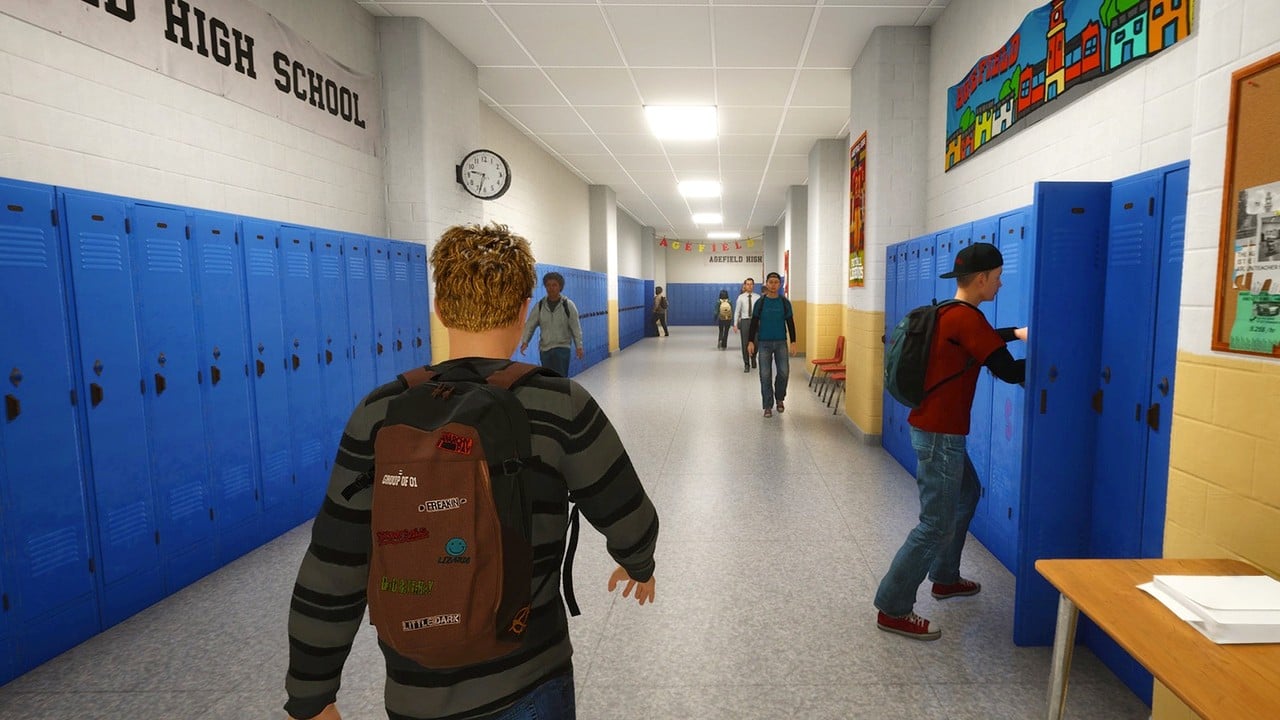
Simultaneously, October 2nd marks the launch of Agefield High: Rock the School on Xbox Series X|S, a title that has piqued interest due to its perceived thematic similarities to Rockstar Games’ iconic Bully. Agefield High invites players to "relive their high school days in the town of Agefield," set against the backdrop of the "early 2000s" as "graduation is on the horizon." The game’s core gameplay promises a blend of social interaction, rebellious acts, and narrative progression, encouraging players to "REBEL with your friends, win over your dream girl and ROCK the school!" This description immediately evokes the spirit of open-world high school simulations, a genre largely defined by Bully.
Rockstar Games’ Bully, originally released in 2006 for the PlayStation 2 and later as Bully: Scholarship Edition for Xbox 360, PC, and Wii, achieved significant critical and commercial success. It cast players as Jimmy Hopkins, a mischievous teenager navigating the rigid social hierarchy and myriad challenges of Bullworth Academy. The game was celebrated for its intricate open world, engaging mission design, memorable characters, and its unique take on the school experience, blending elements of action, exploration, and social simulation. Bully‘s legacy as a cult classic is undeniable, with fans consistently clamoring for a sequel or a spiritual successor that captures its distinctive blend of humor, rebellion, and coming-of-age narrative.
It is this legacy that Agefield High: Rock the School initially tapped into, with early discussions and previews often touting it as a potential "spiritual successor" to Bully. This comparison generated considerable anticipation within a segment of the gaming community eager for a return to the high school sandbox genre. However, as the game’s release approached, these initial comparisons reportedly "cooled." This phenomenon is common in game development and marketing. High expectations set by comparisons to beloved titles can be a double-edged sword. While they generate initial buzz, they also create a formidable benchmark. The "cooling" of comparisons typically occurs when more detailed gameplay footage, developer interviews, or pre-release impressions reveal that a new title, despite thematic similarities, possesses a distinct identity, different scope, or unique gameplay mechanics that differentiate it from its supposed inspiration. It could also reflect a deliberate strategy by the developers of Agefield High to carve out their own niche, moving beyond direct comparisons to establish the game’s individual merits.
Agefield High‘s focus on the early 2000s setting provides a strong foundation for nostalgic appeal. This era is often romanticized for its distinct cultural markers, fashion, music, and technological landscape, offering a rich backdrop for a high school simulation. The game’s narrative pillars – rebellion, friendship, romance, and the looming prospect of graduation – are universally relatable themes that resonate with a broad audience. By allowing players to immerse themselves in this period, Agefield High aims to offer a fresh perspective on the high school experience, potentially appealing to players who appreciate narrative-driven games with a strong sense of place and time. Its release exclusively on Xbox Series X|S suggests a commitment to leveraging the capabilities of current-generation hardware, potentially offering enhanced visuals and smoother gameplay experiences, crucial for open-world titles.
The Broader Xbox Release Landscape for October
The daily release schedule on Xbox, as exemplified by October 2nd, reflects a dynamic and often fluctuating content pipeline. While the preceding day may have seen a more significant volume of new titles, a "quieter" day like October 2nd is not indicative of a lull but rather a strategic pacing of releases. The gaming industry operates on a meticulous calendar, with major publishers often vying for prime release windows, particularly as the holiday season approaches. Smaller, independent titles, or those from mid-tier publishers, frequently fill the gaps, ensuring a consistent stream of new content. This balanced approach allows players to discover and engage with a broader spectrum of games, from high-profile blockbusters to more niche experiences.
Xbox’s content curation strategy involves a multi-pronged approach: supporting large-scale first-party productions, facilitating third-party partnerships, and actively integrating a diverse array of independent games. Indie titles, often characterized by their innovative gameplay, unique artistic styles, and experimental narratives, play a crucial role in enriching the Xbox ecosystem. While Keeper benefits from the backing of a major studio, and Agefield High from its genre aspirations, countless smaller titles are released weekly, contributing to the platform’s overall vitality. This continuous influx of varied content ensures that the Xbox platform caters to a wide demographic, accommodating different tastes, budgets, and time commitments. The ongoing emphasis on Game Pass, both for day-one releases and catalog additions, serves as a primary driver for content consumption, offering subscribers immediate access to a vast and growing library.

Economic and Strategic Implications for Xbox
The consistent addition of titles like Keeper and Agefield High: Rock the School carries significant economic and strategic implications for Microsoft’s Xbox division. For Game Pass, regular and high-quality additions are paramount to maintaining subscriber growth and retention. Keeper, coming from a respected first-party studio like Double Fine, acts as a significant value add for Game Pass Premium subscribers. This not only justifies the subscription cost but also encourages upgrades to higher tiers for those seeking broader access to exclusive or premium content. The tiered subscription model allows Microsoft to segment its audience and offer tailored value propositions, contributing to sustained revenue streams beyond traditional game sales. Analysts often cite Game Pass as a key differentiator for Xbox in the highly competitive console market, with its growth directly influencing Microsoft’s gaming division’s performance. Recent reports have indicated robust growth in Game Pass subscriptions, underscoring the success of this content delivery model.
Furthermore, these releases demonstrate Xbox’s commitment to fostering a diverse developer ecosystem. By bringing Keeper to Game Pass, Microsoft supports its internal studios, allowing them creative freedom and a guaranteed audience. Simultaneously, the platform provides a launchpad for titles like Agefield High, potentially from independent or smaller studios, offering them visibility and access to Xbox’s extensive player base. This dual approach ensures a healthy pipeline of content, ranging from established franchises to innovative new IPs. Supporting a wide array of developers is crucial for long-term platform health, encouraging innovation and preventing market stagnation.
In the broader context of the console wars, a steady stream of engaging content is a critical weapon. Xbox competes fiercely with Sony’s PlayStation and Nintendo’s Switch for player engagement and market share. By offering a compelling content library through Game Pass and a consistent flow of new releases, Xbox aims to solidify its position as a primary gaming destination. The strategy is not just about selling consoles but about building an ecosystem where players feel consistently valued and entertained, thereby fostering brand loyalty. The ongoing investment in content, both through internal development and third-party partnerships, is a testament to Microsoft’s long-term vision for Xbox as a leading player in the global entertainment industry.
In conclusion, the October 2nd releases on Xbox, while perhaps not as voluminous as other days, strategically contribute to the platform’s diverse offerings. Keeper‘s arrival on Game Pass Premium from the renowned Double Fine Productions strengthens the subscription’s value proposition with a unique puzzle adventure. Meanwhile, Agefield High: Rock the School seeks to carve out its niche in the high school simulation genre, leveraging nostalgia while aiming to establish its own identity beyond initial comparisons to a beloved classic. These titles collectively underscore Xbox’s comprehensive content strategy: delivering quality experiences across various genres and ensuring continuous engagement for its extensive player community as the industry moves deeper into the crucial final quarter of the year.