


The highly anticipated sequel to the critically acclaimed 2023 puzzle-platformer, Planet of Lana, is slated for a Q1 2026 release, with official confirmation pointing to March 5, 2026. Titled Planet of Lana 2: Children of the Leaf, this next installment promises to expand upon the beloved narrative and gameplay mechanics of its predecessor, delving deeper into the rich world of Novo and the intricate relationship between its protagonists, Lana and Mui. The initial reveal, accompanied by a segmented demo offering a glimpse into five chapters of the game, suggests a significant evolution in both the story’s scope and the interactive experience.
The original Planet of Lana, released in May 2023, garnered significant praise for its breathtaking hand-painted art style, emotional narrative, and its blend of challenging puzzles with accessible platforming. It told the story of Lana, a young girl who embarks on a perilous journey to rescue her sister from the clutches of the mechanical invaders known as the Novo. Her quest was aided by Mui, a small, cat-like creature with unique abilities, forming an inseparable bond that was central to the game’s charm and progression. The game’s success, achieving a Metacritic score of 81 based on 40 critic reviews, underscored its appeal to a wide audience, resonating with players who appreciated its thoughtful design and heartfelt storytelling.
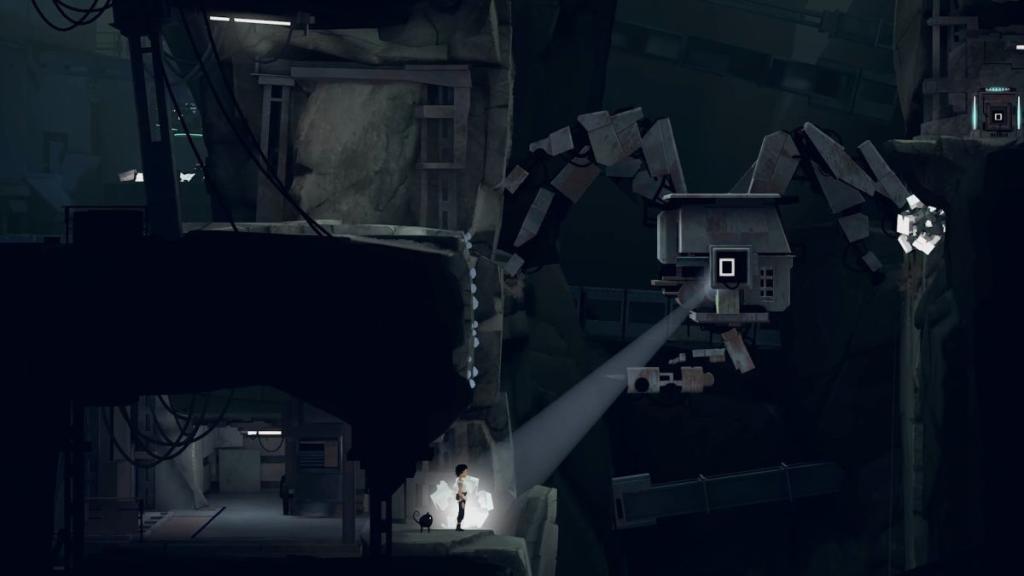
Children of the Leaf appears to build upon this foundation by shifting the narrative focus from a singular, external technological threat to a more complex internal conflict within the Novo civilization. The demo offers intriguing insights into this new direction. While the specifics of the overarching plot remain somewhat veiled, the presented segments hint at a societal evolution among the Novo tribes. Advanced technology, including surveillance systems and industrial robotics for mining and fishing, is now integrated into their environment, suggesting a civilization that has moved beyond mere survival and is actively engaging with its surroundings in sophisticated ways. This rapid advancement, however, introduces new complexities and potential dangers.
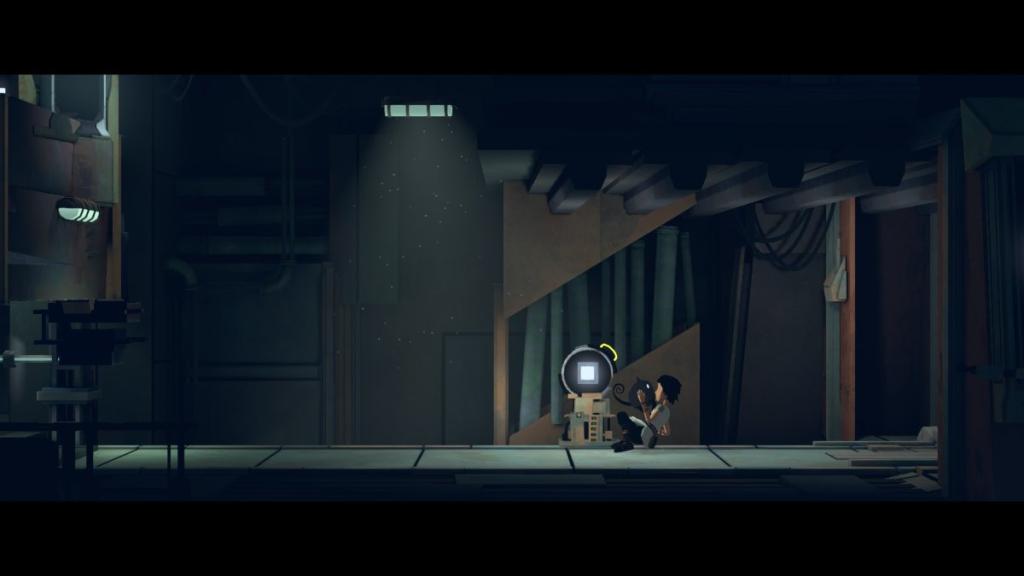
A significant departure from the original game’s mechanics is evident in the expanded role and abilities of both Lana and Mui. The demo showcases a move away from the more formulaic platforming and stealth elements of the first title, which drew comparisons to classics like Rayman and Oddworld. In Children of the Leaf, the interplay between Lana and Mui has been significantly deepened. Players can now transfer control to Mui, who can seemingly inhabit various lifeforms within Novo. This allows for a wider range of puzzle-solving and traversal options. Mui’s newly demonstrated abilities include removing obstacles, blinding aquatic enemies with ink, and even facilitating plant growth by summoning rain from a beetle-like creature. This mechanic not only adds unpredictability and a fresh layer of challenge to the puzzle-platforming sections but also necessitates a more dynamic learning curve for players as they master each new ability.
Lana herself has also undergone visible development. The demo reveals her newfound ability to climb and traverse walls, a subtle yet effective enhancement that signifies her growth and increased agency since the events of the first game. This progression, presented through gameplay rather than explicit exposition, serves as a form of environmental storytelling, highlighting Lana’s resilience and acquired skills. The puzzles themselves are reported to be more streamlined and intricately balanced, leveraging the combined strengths of both characters. The developers appear to be aiming to maintain the series’ signature blend of challenging yet satisfying puzzle-solving, ensuring a cozy yet engaging player experience.
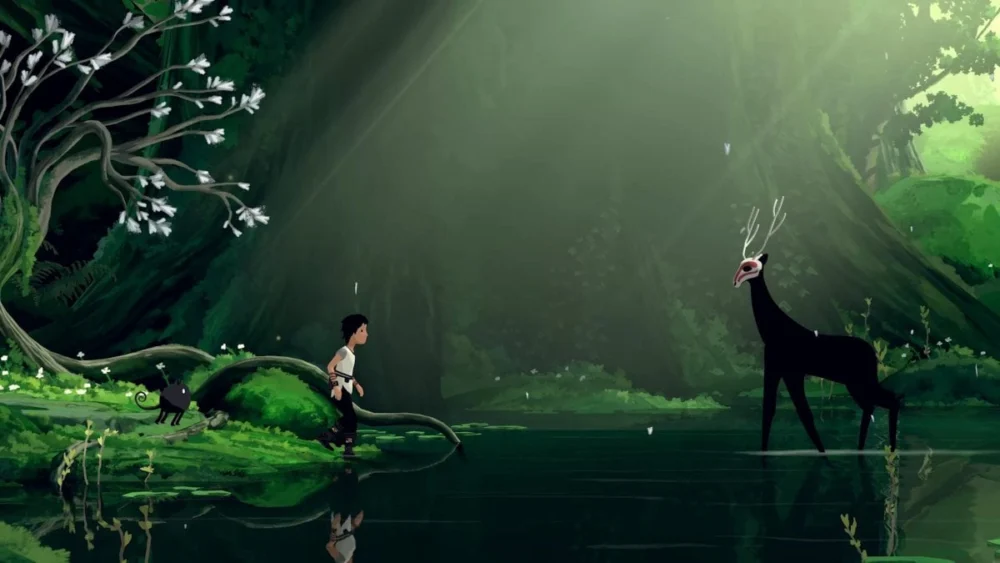
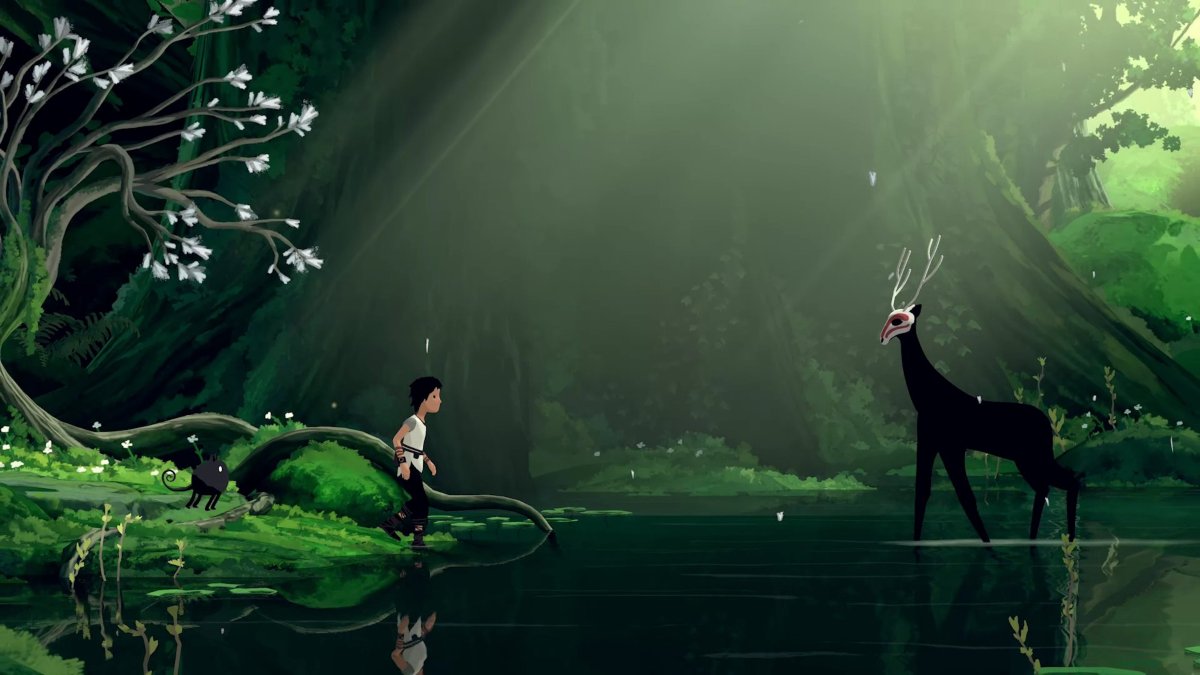
The visual and auditory presentation of Planet of Lana 2 continues to be a strong suit, mirroring the artistic excellence of its predecessor. The art style remains a key draw, with environments that feel more alive and dynamic than in the original. Comparisons have been drawn to the rich, immersive worlds of The Wild Robot and Studio Ghibli’s Nausicaä of the Valley of the Wind, suggesting an elevated level of environmental detail and atmospheric richness. The inclusion of what appears to be a "Forest Spirit" within the game’s visual tapestry has also been noted, drawing parallels to Hayao Miyazaki’s Princess Mononoke. This element adds a layer of mystique and hints at deeper, perhaps cosmic, influences on Novo’s unique fauna. The soundtrack, glimpsed in the demo, is described as equally lovely as the original, contributing to a calming atmosphere that can help mitigate the stress associated with complex puzzles.
Despite the wealth of new gameplay and visual information presented, the demo’s narrative exposition is notably minimal. The primary focus appears to be on showcasing the enhanced mechanics and gameplay features. While fans of the original game can anticipate a high-quality experience with improved puzzles and engaging gameplay, the lack of clear narrative context might leave newcomers to the series with unanswered questions about Lana and Mui’s current predicament. The demo offers little in the way of explanation for Lana’s departure from her home or the specific impetus for her new adventure. The existing footage suggests that humans are actively researching Mui’s mysterious abilities, placing the feline-like companion at the forefront of the emerging conflict. However, the inciting incident that propels Lana onto this next journey remains unclear, leaving potential players curious about the driving force behind the sequel’s plot.
The decision to present segments from five distinct chapters, while offering a substantial preview of the gameplay, does not provide a cohesive narrative arc for those unfamiliar with the first installment. This approach, while effective in highlighting the evolution of the game’s mechanics, might not fully convey the emotional weight or narrative depth that defined the original Planet of Lana. For a franchise that garnered acclaim for its storytelling, the limited narrative context in the demo might be a point of discussion among potential players and critics.
The release of Planet of Lana 2: Children of the Leaf is scheduled for March 5, 2026, and will be available across a wide array of platforms. This includes PC via Steam, Xbox Series X/S with Xbox Game Pass integration, PlayStation 4 and PlayStation 5, as well as Nintendo Switch and the upcoming Nintendo Switch 2. This multi-platform strategy aims to ensure broad accessibility for the title, capitalizing on the success and established fanbase of the original.
The implications of Children of the Leaf‘s narrative shift are significant. By moving away from a straightforward invasion narrative, the sequel has the potential to explore more nuanced themes of societal development, inter-tribal relations, and the ethical considerations of advanced technology. The introduction of new factions and power dynamics within the Novo civilization could lead to a richer and more complex world-building experience. Furthermore, the enhanced cooperative gameplay, emphasizing the combined abilities of Lana and Mui, suggests a narrative that will deeply explore their partnership and mutual reliance, reinforcing the emotional core of the series. The evolution of the gameplay mechanics, particularly the ability to inhabit different creatures, opens up new avenues for environmental interaction and puzzle design, promising a fresh and engaging experience for both returning players and newcomers alike. The game’s success will likely hinge on its ability to balance these new complexities with the charming accessibility and emotional resonance that defined its predecessor.