


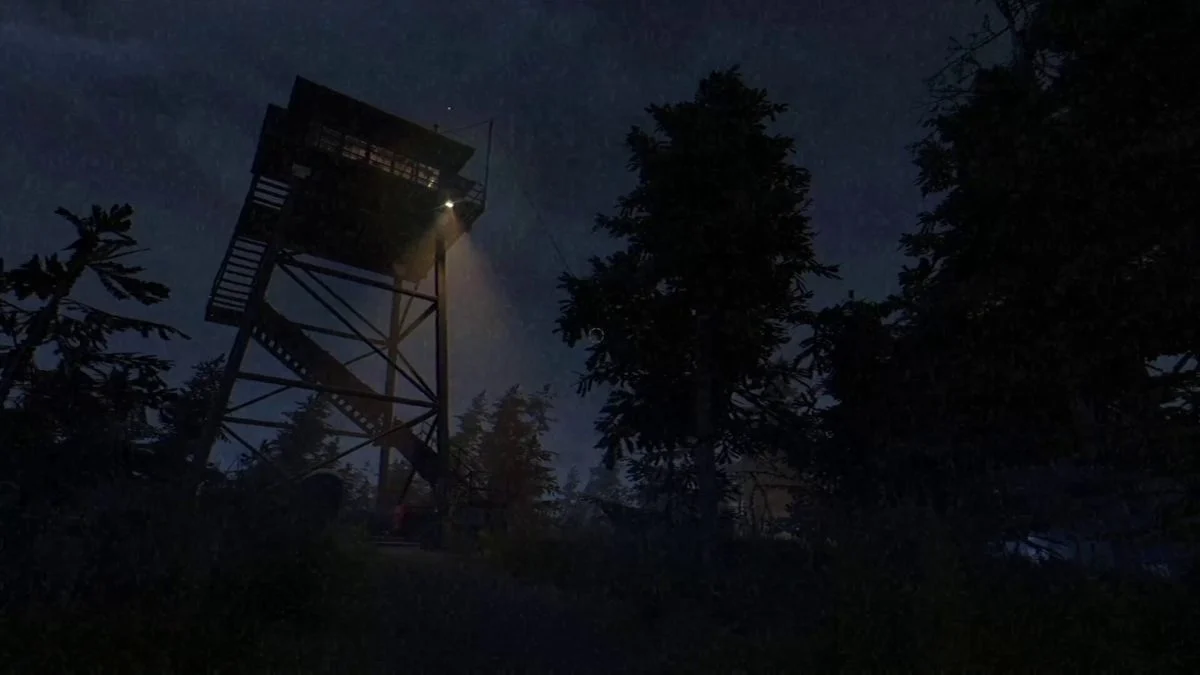
The chilling allure of horror often stems from a primal fear: what if this could happen to me? This question is at the heart of the burgeoning interactive horror experience, Fears to Fathom, a series that claims each of its episodes is rooted in genuine, real-life terrifying encounters. While the developer, known only as rayll, asserts that names, dates, and specific locations are altered for privacy and narrative flow, the persistent question lingers for players and observers alike: did these harrowing events truly befall someone? This article delves into the marketing strategies, thematic inspirations, and underlying reality of Fears to Fathom, examining how it leverages the "based on true events" trope to craft its uniquely unsettling atmosphere.
The Evolution of "Based on True Events" in Horror
The disclaimers "BASED ON A TRUE STORY" have long been a staple in the horror genre, particularly in cinema. For decades, these pronouncements served as a potent marketing tool, amplifying the fear by suggesting that the on-screen terror was not mere fiction but a reflection of potential real-world dangers. However, this strategy reached a zenith of perceived authenticity with the release of The Blair Witch Project in 1999. This groundbreaking film, presented in a found-footage format, masterfully blurred the lines between reality and fiction, leading a significant portion of its initial audience to believe they were witnessing genuine supernatural occurrences. The film’s success not only popularized the found-footage genre but also reset audience expectations, making the "based on a true story" tag a more complex proposition, often met with a healthy dose of skepticism as the years progressed and the novelty waned.
Fears to Fathom appears to have learned from this evolution, employing a refined version of this classic marketing strategy. The game actively encourages players to submit their own frightening experiences to rayll, suggesting a direct pipeline from personal accounts to interactive narratives. Since the debut of its first episode, "Home Alone," in 2021, each subsequent installment has purportedly drawn inspiration from these submitted stories. This approach is undeniably clever, tapping into the universal fascination with personal horror narratives. However, it also implicitly signals to the player that the events are a retelling, a dramatization of something that has already occurred. This can, in theory, diminish the immediate stakes for the protagonist, as the audience knows the character must have survived to tell the tale. Yet, paradoxically, this knowledge does not seem to detract from the palpable tension and creeping dread that each episode meticulously cultivates.
Deconstructing the "True Events" Claim
The central question surrounding Fears to Fathom is the veracity of its "true events" claim. While rayll emphasizes that these are inspired by real experiences, it is crucial to understand that fiction derived from true events is almost invariably dramatized and embellished for narrative impact and entertainment value. The line between inspiration and invention can be thin, and it’s possible that rayll draws from a well of real-life incidents, weaving them into cohesive and terrifying gameplay experiences without necessarily adhering to the exact details of any single reported event.
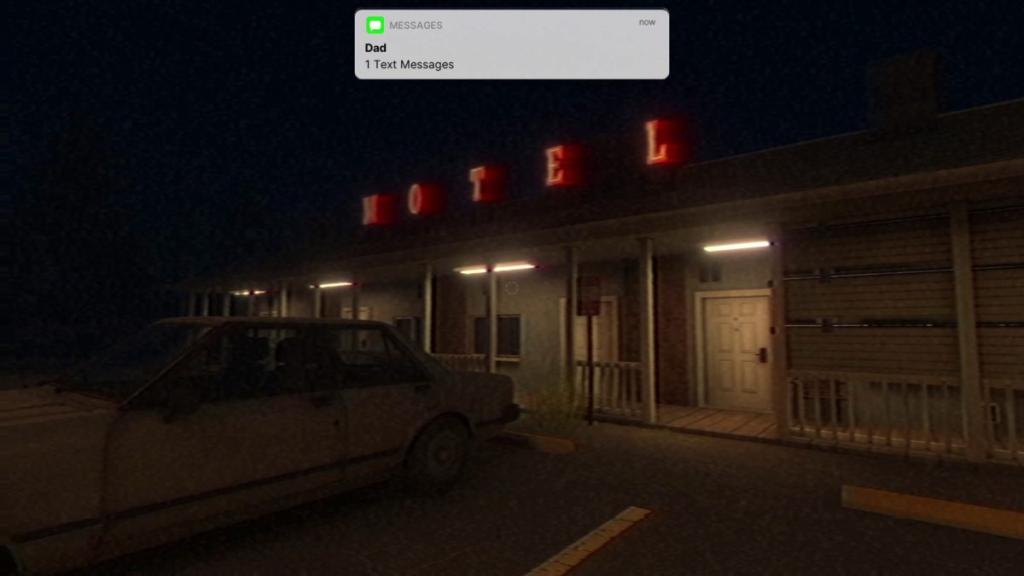
A closer examination of specific episodes provides further insight. In "Norwood Hitchhike," set in 2010, the narrative echoes themes reminiscent of real-life serial crimes. While the game’s plot is fictionalized, it bears a striking resemblance to the predatory tactics of serial offenders who have targeted vulnerable individuals. For instance, the chilling pattern of luring and attacking hitchhikers or travelers has been a recurring motif in true crime annals. While the specific details of "Norwood Hitchhike" may not align perfectly with any single documented case, the underlying fear it evokes is undeniably rooted in the grim reality of such offenses. The developer’s choice to place the narrative in 2010, rather than a much earlier period, might also be a deliberate choice to align with more recent, yet still potentially obscure, real-world incidents, or to provide a modern context for timeless fears.
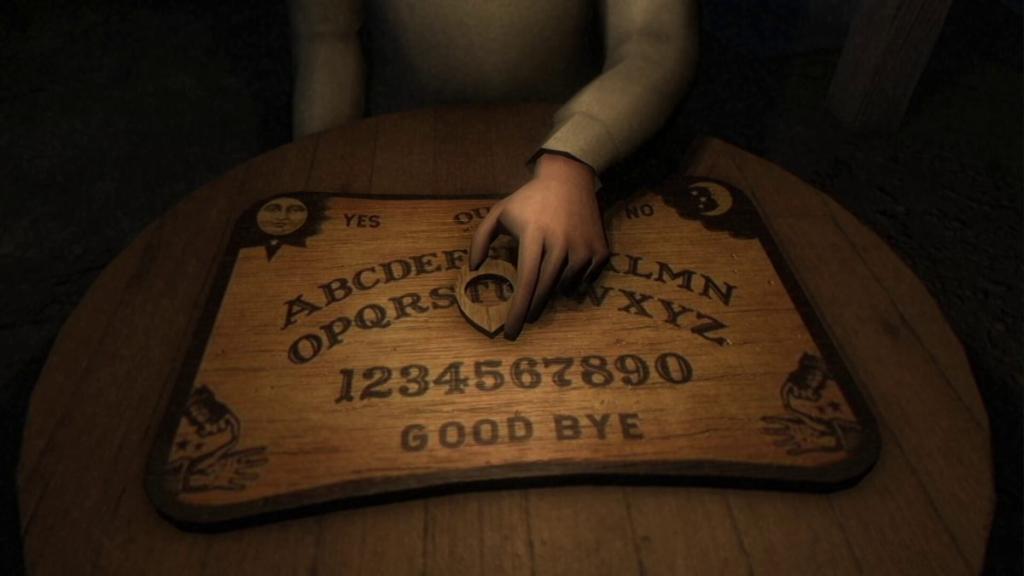
When investigating the claims made by Fears to Fathom, a crucial step involves cross-referencing the game’s plot points with publicly available information and news archives. A thorough search for news coverage detailing crimes that precisely match the scenarios depicted in the game – such as breaking and entering, home invasions, cult sacrifices, and stalking with murderous intent – reveals that none of the episodes, as presented, appear to correspond to specific, publicly reported real-life cases. This does not invalidate the inspiration behind the game, but it underscores the transformative process of adapting real-world horrors into a playable, narrative-driven experience.
The parallels drawn between "Carson House," the third episode in the series, and the YouTube channel Mr. Nightmare’s "3 True House Sitting Horror Stories" are also noteworthy. Mr. Nightmare’s channel, like Fears to Fathom, often presents narratives purportedly based on true accounts submitted by viewers. The similarities in themes and scenarios suggest a shared wellspring of inspiration, potentially drawing from common anxieties and widely circulated cautionary tales within online communities dedicated to sharing frightening personal experiences.
An Interconnected Universe of Fear
A significant development in the Fears to Fathom series is the explicit establishment of an interconnected in-game universe. The latest episode, part of the [Together] series, links "Ironbark Lookout" and "Scratch Creek." This connection is forged through the presence of the same cult, suggesting a shared narrative thread that expands the lore and thematic depth of the game.
"Ironbark Lookout" is set in 2002, while "Scratch Creek" has a less precise timeframe, with its events occurring sometime after April 20XX. The depiction of a cult, "The Covenant of Old Scratch," in these episodes raises further questions about their basis in reality. While it is common for horror narratives to draw upon the inherent fear and mystery surrounding cults, the lack of any verifiable news reports or public records concerning "The Covenant of Old Scratch" suggests it is a fictional construct. This could be a deliberate choice by rayll to maintain anonymity and avoid potential legal entanglements, or simply a creative decision to craft a unique and terrifying antagonist. However, the mention of the cult being "unbelievably racist" in the context of modern society, and the comparison to known hate groups like the Ku Klux Klan, highlights the developer’s intent to tap into societal anxieties and historical prejudices, albeit through a fictional lens. The creation of such an entity within the game world is a testament to the enduring power of cults as a plot device in horror, tapping into themes of manipulation, indoctrination, and the dark side of communal belief.
The inspiration for these narratives could indeed stem from various sources, including direct emails to rayll or content found on platforms like r/nosleep. This Reddit community is a popular forum for users to share "true" stories, which, by its very nature, often exist in a gray area of credibility, blurring the lines between personal anecdotes and creative writing. The very nature of such online storytelling can lead to the embellishment and fictionalization of events, making it a fertile ground for developers seeking to craft horror experiences that feel both familiar and terrifyingly plausible.
The Psychology of Believability in Fears to Fathom
Despite the evidence suggesting that Fears to Fathom is not a direct transcription of real-life events, the series’ enduring success lies in its ability to evoke a profound sense of realism. The horror it depicts, while sometimes requiring a suspension of disbelief due to certain narrative devices, is undeniably grounded in events that could happen to anyone. The game masterfully taps into common anxieties: the vulnerability of being alone at home, the fear of the unknown lurking in the darkness, the terror of being pursued by unseen threats.
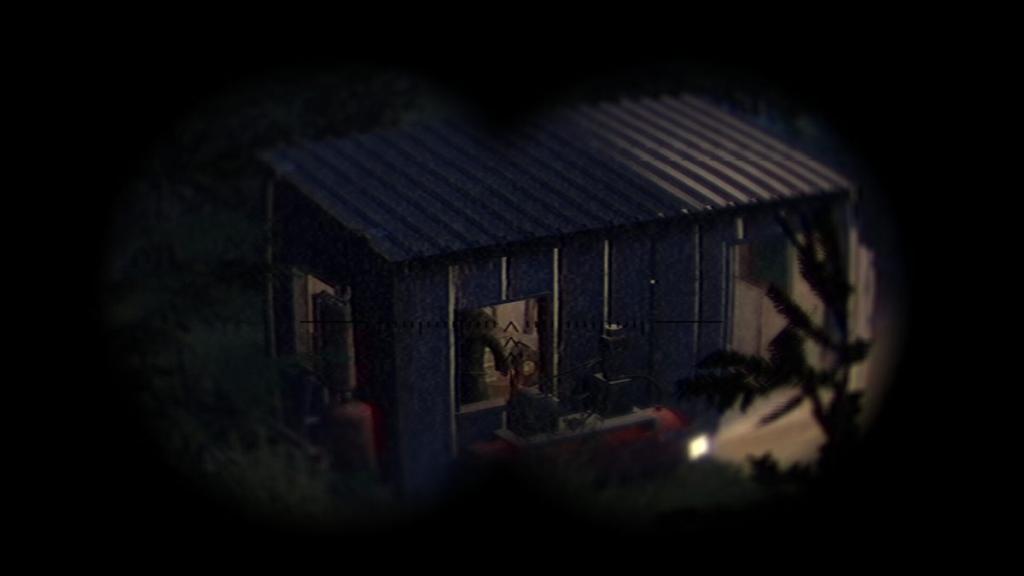
Consider the episode "Home Alone." While the narrative device of a home invader seemingly teleporting from within the house to the front door in an instant is a clear fictionalization, its purpose is to create immediate shock and disorient the player, amplifying the sense of helplessness. This is a common technique in interactive horror, where gameplay mechanics and narrative pacing are prioritized to maximize player fear. Such moments, while not strictly realistic, serve the psychological purpose of making the player feel as if they are truly experiencing a terrifying, albeit slightly exaggerated, situation.
Ultimately, Fears to Fathom succeeds because it presents "realistic tales that could happen to anyone." While the extreme scenarios of cult sacrifices might be rarer, the more common fears of stalking, home invasion, and encountering dangerous individuals are unfortunately prevalent in contemporary society. The question of whether rayll directly believes every story submitted or uses them as a springboard for fictional dread remains open. However, regardless of the precise origin of the inspiration, the inherent creepiness and the unsettling plausibility of the situations presented are what make Fears to Fathom a compelling and effective horror experience. The series does not need to be a literal documentary of terror to be terrifying; it simply needs to resonate with our deepest, most primal fears. The "truth" in Fears to Fathom lies not in verbatim accounts, but in its uncanny ability to tap into the shared human experience of vulnerability and the chilling potential for the mundane to erupt into the terrifying.