


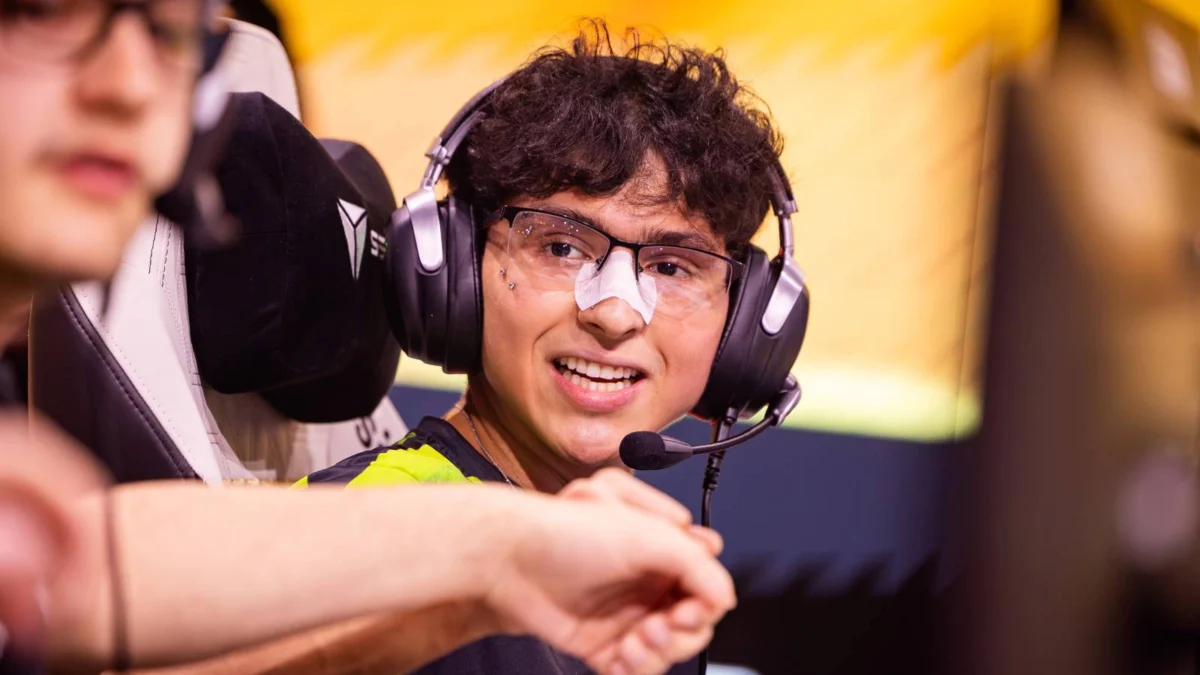
Rocket League esports has been rocked by a significant disciplinary action, with professional player Kofyr receiving a ban from all Rocket League Championship Series (RLCS) tournaments and other Psyonix-affiliated competitions until the conclusion of 2027. This severe penalty stems from allegations of inappropriate behavior towards multiple women at an after-party following the RLCS World Championship. The ban, announced on September 30, 2026, marks a stark moment for the competitive Rocket League scene, underscoring the organization’s commitment to maintaining a safe and respectful environment for all participants.
The controversy ignited just days prior to the official announcement, when a clip featuring streamer Bails circulated online. In the clip, Bails discussed an unnamed North American professional player who allegedly engaged in unwanted physical contact with several women at the RLCS Worlds after-party. The allegations, first shared by user Delmin on September 27, painted a disturbing picture of the player’s conduct. Bails described the individual as having "touched many women’s asses" and further claimed the player arrived at the event intoxicated and was underage at the time. While Bails intentionally withheld the player’s identity, he did explicitly rule out several prominent North American pros, including Diaz, Spacestation Gaming, and NRG, narrowing the field of speculation.
Social media platforms quickly became a hotbed for discussion and conjecture, with many users rapidly identifying Kofyr as the alleged perpetrator based on the available, albeit circumstantial, information. The rapid spread of speculation placed Kofyr under intense scrutiny, prompting him to issue a public statement on September 28, the day after the clip began gaining traction.
Kofyr’s Apology and Commitment to Rehabilitation
In his statement, Kofyr offered a direct apology for his actions, admitting to "making anyone uncomfortable" with his behavior. He indicated that he had reached out directly to the individuals he affected to express his remorse. Crucially, Kofyr outlined a personal plan of action focused on seeking professional help to address the underlying issues that led to his conduct.
"I want to sincerely apologize for making anyone uncomfortable with my behavior," Kofyr wrote on his social media platform. "I have reached out to the people I made uncomfortable with my actions directly and my plan of action is seeking professional help." He further elaborated on his commitment to personal growth, stating his intention to donate to a women’s sexual assault charity, take a hiatus from social media, and dedicate himself to becoming a better individual. While Kofyr’s statement acknowledged his culpability and expressed a desire for self-improvement, it did not delve into the specifics of his alleged conduct or explicitly use terms such as "sexual assault," leaving room for interpretation regarding the exact nature of the offenses.
Official Sanction: A Clear Violation of Conduct
The Rocket League Esports organization, after conducting its own review of the allegations and Kofyr’s response, formally announced the disciplinary action on September 30. The decision to ban Kofyr was based on a clear violation of Section 7.1.3 of the RLCS Code of Conduct. This section is a cornerstone of the league’s integrity, prohibiting any behavior that is deemed disruptive, unsafe, destructive, or harmful to other Rocket League users. The clause explicitly includes a broad range of misconduct, such as harassing or disrespectful conduct and any unlawful activity.
"Kofyr has been banned from Rocket League Championship Series tournaments and all additional Psyonix-affiliated competitions until the end of 2027 because he violated our code of conduct section 7.1.3," the official announcement from Rocket League Esports stated, accompanied by a link to the relevant disciplinary notice. Psyonix, the developer of Rocket League and the governing body for the RLCS, did not publicly disclose further granular details about the incident, including the identities of any complainants or the specific evidence that led to their disciplinary decision. This approach is common in such investigations, prioritizing the privacy of those involved and the integrity of the disciplinary process.
Timeline of Events: From Allegation to Sanction
The unfolding of this situation provides a clear chronology of events:
- September 27, 2026: Streamer Bails discusses allegations of inappropriate behavior by an unnamed North American pro at the RLCS Worlds after-party in a clip shared by user Delmin. The player is described as having touched multiple women, arrived drunk, and being underage.
- September 27-28, 2026: Social media users widely speculate that Kofyr is the player in question, based on the limited details provided.
- September 28, 2026: Kofyr posts a public apology on social media, acknowledging making others uncomfortable and outlining his plan for seeking professional help, donating to charity, and taking a social media break.
- September 30, 2026: Rocket League Esports officially announces Kofyr’s ban from all RLCS and Psyonix-affiliated competitions until the end of 2027, citing a violation of Section 7.1.3 of the RLCS Code of Conduct.
Supporting Data and Context: The Importance of Player Conduct
The RLCS Code of Conduct is a critical document designed to uphold the integrity and spirit of professional Rocket League. Section 7.1.3, in particular, serves as a broad safeguard against detrimental behavior within the community. This section’s wording, prohibiting conduct that is "disruptive, unsafe, destructive or harmful to other Rocket League users," is intentionally comprehensive. It encompasses not only overt acts of aggression or harassment but also behaviors that create a hostile or uncomfortable environment for others. The inclusion of "harassing or disrespectful conduct and unlawful activity" ensures that the league has a framework to address a wide spectrum of misconduct, from verbal abuse to more serious transgressions.
The decision to issue a ban until the end of 2027 signifies the severity with which Psyonix views violations of its code of conduct, particularly those involving alleged harassment and inappropriate physical contact. This lengthy ban period suggests that the organization considered the allegations to be substantial and aimed at a significant period of rehabilitation and deterrence. While specific data on the number of such violations in the RLCS is not publicly detailed, the existence of a robust code of conduct and swift enforcement indicates a proactive approach to player behavior management.
Broader Impact and Implications for the RLCS
Kofyr’s ban has several significant implications for the Rocket League Championship Series and its ecosystem. Firstly, it sends a clear message to the entire player base about the non-negotiable standards of conduct expected at all levels of competition. The lengthy duration of the ban underscores the zero-tolerance policy for behaviors that compromise the safety and well-being of others within the community.
Secondly, this incident highlights the increasing scrutiny that esports organizations and players face regarding their conduct, both in-game and in real-world social settings. As esports continues to grow in mainstream popularity and attract a wider audience, the expectations for professional behavior mirror those of traditional sports. The public nature of the allegations and the swift, decisive action taken by Psyonix reflect this evolving landscape.
The ban also presents a challenge for Kofyr’s former team and his teammates, who will need to navigate the remainder of the competitive season without him. The absence of a key player can significantly impact team dynamics, strategy, and competitive performance. This situation may also lead to increased player turnover or roster changes as teams adapt to such disciplinary consequences.
Furthermore, the incident brings to the forefront the ongoing discourse surrounding player welfare and mental health in esports. Kofyr’s stated commitment to seeking professional help is a positive step, and it is hoped that other players facing similar challenges will feel empowered to seek support. The RLCS, like many professional leagues, is increasingly investing in resources and programs aimed at supporting the mental and emotional well-being of its athletes.
While Psyonix has chosen to maintain a degree of privacy regarding the specific details of the investigation, the outcome clearly demonstrates a commitment to enforcing its code of conduct. The long-term implications of this ban will be measured not only by Kofyr’s personal journey towards rehabilitation but also by its impact on shaping a more responsible and respectful competitive environment for Rocket League for years to come. The esports community will be watching closely to see how Kofyr progresses and how the RLCS continues to evolve its player conduct policies in the face of such significant challenges.