


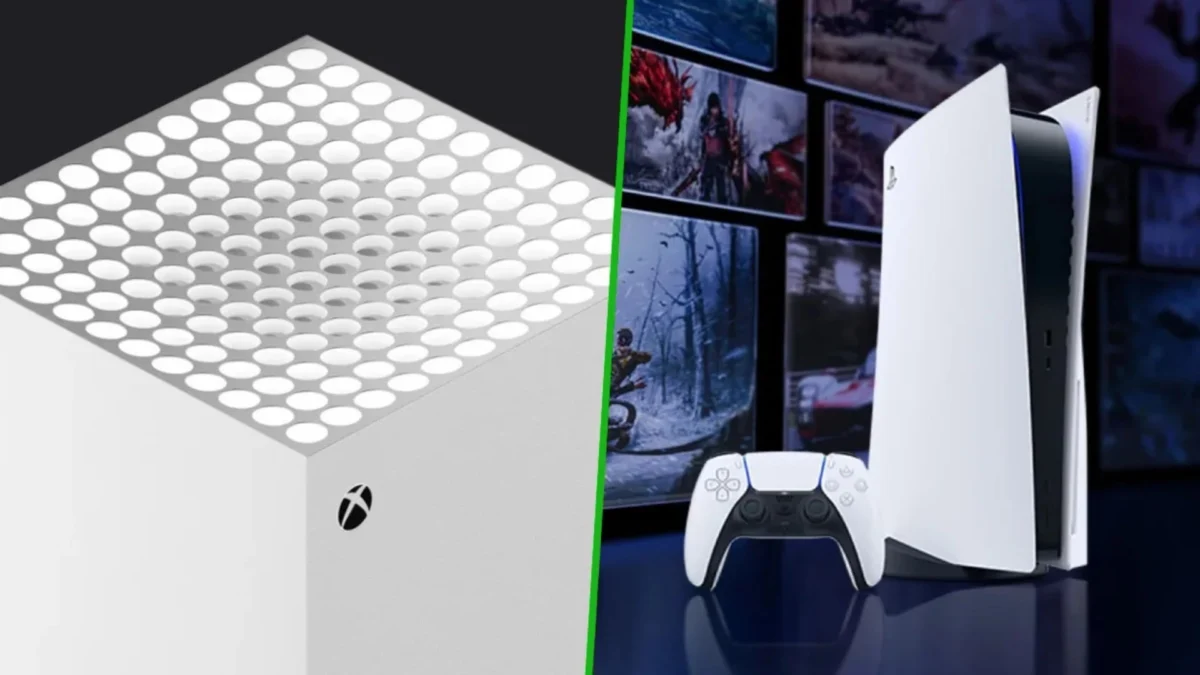
The landscape of the video game industry, traditionally defined by fierce console wars, continues its remarkable evolution, with Microsoft’s Xbox and Sony’s PlayStation increasingly exhibiting a complex blend of rivalry and cooperation. This evolving dynamic was recently brought into sharp focus by Xbox CEO Asha Sharma’s insightful interview with The New York Times, where she articulated a philosophy that "competition and collaboration can coexist." Her remarks, however, gained particular traction following her reaction to questions regarding Xbox’s acquisition of publishing rights for Hideo Kojima’s highly anticipated Physint, a move that saw the project transition from PlayStation Studios’ stewardship.
The Physint Publishing Shift: A Strategic Coup for Xbox
Central to the ongoing narrative of platform interplay is the recent high-profile shift of Physint, the upcoming stealth game from the renowned Hideo Kojima’s studio, Kojima Productions. Originally understood to be under the wing of PlayStation Studios, the project’s publishing duties have now officially been assumed by Xbox. This transition, confirmed by Xbox, marks a significant moment, underscoring Microsoft’s aggressive content acquisition strategy and its willingness to engage in direct competition for marquee titles.
Reports circulating within the industry, and corroborated by The New York Times’ sources, suggest that Xbox secured the Physint deal at a cost "substantially below what Xbox would typically spend to develop a premium game." This financial detail adds another layer of intrigue, raising questions about PlayStation’s initial commitment to the project, the negotiating leverage held by Kojima Productions, and Xbox’s strategic acumen in identifying and capitalizing on such an opportunity. The precise reasons for PlayStation Studios’ reported decision to walk away from the project have not been officially disclosed, but industry analysts speculate on a range of factors, from internal portfolio re-evaluations to differing creative visions or financial considerations regarding the project’s scope and budget.
When directly confronted by The New York Times about the possibility of "apologizing to Sony" for securing Physint, Sharma’s response was notably dismissive. According to the report, she "laughed at the idea," followed by a shrug, and simply expressed her satisfaction that Kojima chose to partner with Xbox. This reaction, while informal, sends a clear signal of Xbox’s unwavering commitment to its strategic objectives and its readiness to pursue opportunities that enhance its gaming ecosystem, regardless of the historical allegiances of creators or the competitive landscape. It effectively communicates a business-first approach, where strategic partnerships are forged based on mutual benefit and opportunity, rather than historical ties or perceived obligations to competitors.
The Broader Context: Coexistence in a Shifting Market
Sharma’s emphasis on the potential for "competition and collaboration to coexist" is not merely a diplomatic platitude but a reflection of the increasingly complex realities governing the video game industry in the mid-2020s. The traditional console war, once a zero-sum game of exclusive titles and hardware sales, has diversified. While distinct platforms like the PS5 and Xbox Series X (and the anticipated Project Helix) continue to vie for market share, there’s a growing recognition that a degree of cross-platform engagement can benefit all parties by expanding player bases and revenue streams.
Indeed, the very landscape of 2026 alluded to in the original article speaks volumes. The notion of flagship Xbox franchises like Halo and Gears "appearing on PS5," alongside Helldivers 2 making its way to Xbox, represents a radical departure from the exclusivity models of previous generations. If these scenarios, as suggested, are indeed unfolding, they signify a strategic pivot by both Microsoft and Sony towards a more platform-agnostic content distribution model for certain titles. This could be driven by a desire to maximize return on investment for high-budget productions, tap into broader audiences, or explore new subscription service strategies.
A History of Rivalry and Strategic Shifts
The relationship between Xbox and PlayStation has been historically defined by intense rivalry. Since Microsoft’s entry into the console market with the original Xbox in 2001, challenging Sony’s dominant PlayStation 2, the two companies have been locked in a battle for supremacy. Each console generation brought new hardware innovations, exclusive game libraries, and marketing campaigns designed to sway consumers. The Xbox 360’s early lead in the seventh generation was eventually surpassed by the PlayStation 3, setting the stage for the highly competitive eighth generation where the PlayStation 4 significantly outsold the Xbox One.
This history of direct competition has instilled a culture of aggressive pursuit of market advantage. However, the last decade has seen Microsoft, in particular, pivot its strategy. Recognizing the limitations of relying solely on console sales, Xbox has aggressively invested in its Game Pass subscription service, cloud gaming initiatives, and a robust acquisition strategy, notably culminating in the monumental purchase of Activision Blizzard King. These moves are designed to build an ecosystem that transcends hardware, making content accessible across multiple devices and platforms, including, in some cases, competitor consoles.

Sony, while maintaining a stronger emphasis on traditional console sales and first-party exclusives for the PS5, has also shown signs of adapting. Its PlayStation Plus service has evolved, and the company has begun porting some of its highly successful first-party titles, such as Horizon Zero Dawn and God of War, to PC, signaling a willingness to explore broader distribution channels for select titles beyond the PlayStation console ecosystem. The hypothetical arrival of Helldivers 2 on Xbox in 2026 would represent an even more significant step towards cross-platform engagement, demonstrating a pragmatic approach to revenue generation and player reach.
The Evolving Role of Exclusivity and Creator Freedom
The Physint deal underscores a critical shift in the power dynamics between platform holders and renowned game creators. Hideo Kojima, a figure synonymous with PlayStation for much of his career, particularly through the Metal Gear Solid series, has always been an independent voice. His partnership with PlayStation for Death Stranding was a landmark event, cementing his post-Konami independence. The subsequent move to Xbox for Physint demonstrates that even deeply entrenched relationships can be re-evaluated based on creative alignment, financial incentives, or technological support.
For developers like Kojima Productions, securing the best publishing partner is paramount. This involves not only financial backing but also marketing prowess, technical expertise, and a shared creative vision. The reported "substantially below" cost for Xbox to acquire Physint could imply various scenarios: perhaps PlayStation’s valuation of the project shifted, or Kojima Productions found a more favorable overall package with Xbox, where the financial component was just one piece of a larger strategic puzzle. It could also suggest that Xbox, eager to secure a high-profile exclusive and a partnership with a legendary creator, was willing to offer a deal that was strategically attractive to Kojima, even if the upfront cash component was not as high as a typical first-party development budget. This kind of flexibility can be highly appealing to creative studios looking for autonomy.
Financial Implications and Market Dynamics
The financial underpinnings of such deals are crucial in understanding the broader market. In 2025-2026, the global gaming market is projected to continue its robust growth, with revenues reaching unprecedented levels, driven by console sales, PC gaming, mobile, and subscription services. However, the cost of developing AAA games has also skyrocketed, with budgets for premium titles often exceeding $200 million, and marketing campaigns adding tens of millions more. This escalating cost pressure makes strategic partnerships and maximizing a game’s reach more critical than ever.
Xbox’s strategy, particularly with Game Pass, aims to amortize these high development costs across a vast subscriber base, rather than relying solely on individual unit sales. By securing Physint, Xbox not only gains a potentially significant exclusive title for its console and PC ecosystem but also a powerful draw for Game Pass subscribers. The "substantially below" comment suggests a potential win-win: Kojima Productions secures a committed publisher, and Xbox acquires a major title at a favorable cost, potentially leveraging its subscription model to make the economics work.
Sony, despite its strong first-party portfolio and continued success with the PS5, faces its own strategic considerations. The decision to potentially forgo Physint could be a calculated move to prioritize other internal projects or manage its overall content budget. With the PS5 having sold tens of millions of units globally by 2026, and PlayStation Plus boasting a substantial subscriber base, Sony’s strategy remains focused on delivering high-quality, often exclusive, experiences that drive hardware sales and ecosystem engagement. However, the willingness to let a project like Physint go to a direct competitor signals a nuanced approach to content acquisition, perhaps indicating a stricter internal vetting process for investment returns.
Looking Ahead: Project Helix, PS6, and the Future of Platforms
As the industry looks towards the next generation of hardware, with rumors of Xbox’s "Project Helix" and the eventual PlayStation 6, the dynamics observed today will likely intensify. Sharma’s interview suggests that while collaboration on certain titles or technologies might continue, the core competitive drive for exclusive content and platform dominance remains. The laughter and shrug regarding Physint were not an act of malice but a clear assertion of competitive intent.
The future might see platforms staying in their respective "lanes" more regarding truly first-party, system-defining exclusives, while simultaneously exploring cross-platform releases for a wider range of third-party and even some second-party titles. This hybrid approach allows companies to maintain distinct brand identities and exclusive selling points for their hardware, while also tapping into the broader market for revenue generation.
The Physint deal serves as a microcosm of this evolving industry. It highlights the fluidity of partnerships, the strategic importance of content, and the ongoing negotiation between traditional exclusivity and the desire for broader market reach. As Xbox and PlayStation continue to navigate this complex terrain, consumers can expect an industry that, while still competitive, is also increasingly interconnected, offering a diverse array of gaming experiences across an expanding digital landscape. The lines between "friends and enemies" are blurring, giving way to a more intricate web of strategic alliances and rivalries, all vying for the attention and loyalty of a global player base.