


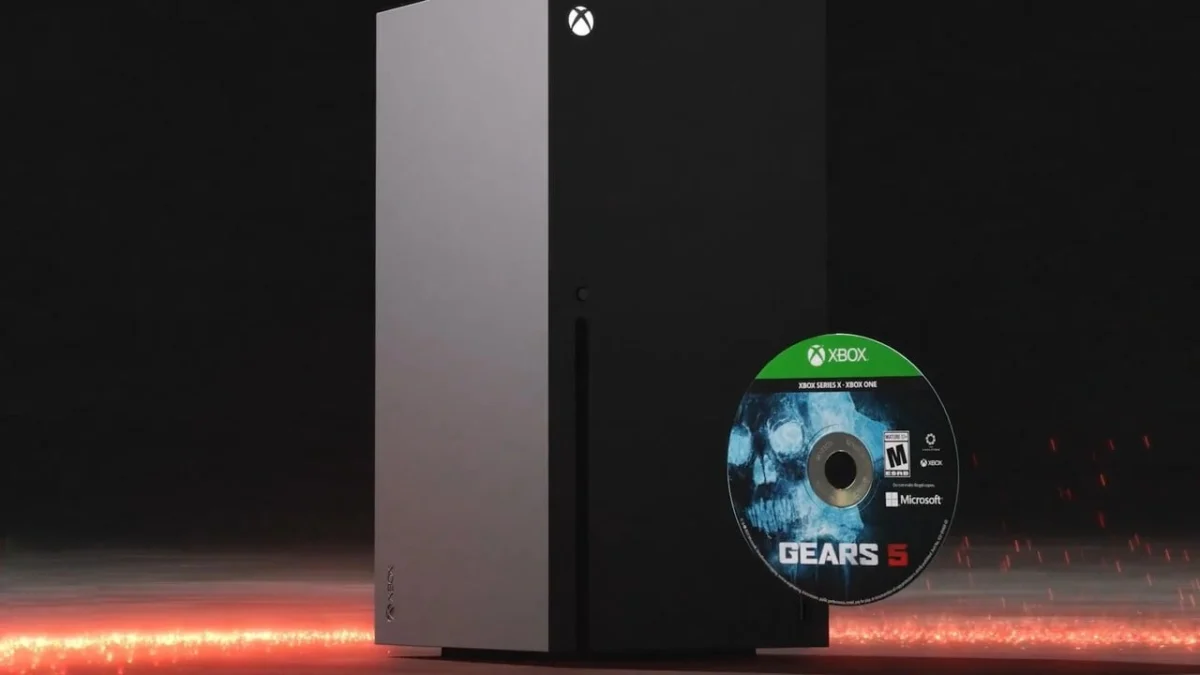
In a significant and unannounced development, Microsoft’s Xbox division has today rolled out its much-anticipated Disc-to-Digital conversion feature to all Xbox console users globally. This move, which follows a concentrated period of testing exclusively for Xbox Insiders, represents a major strategic shift in how players interact with their physical game libraries in an increasingly digital ecosystem. The surprise announcement, disseminated via the official Xbox social media channels, confirms that the functionality is live and accessible, requiring only a simple console restart for activation. Xbox engineer Eden Marie has verified the immediate availability, with internal checks corroborating its full deployment.
The Dawn of Digital Conversion: Bridging Physical and Digital Libraries
The Disc-to-Digital program fundamentally alters the landscape of game ownership for Xbox players, offering a pathway to convert eligible physical game discs into permanent digital licenses. This innovative feature addresses a long-standing request from the gaming community, providing a bridge between the traditional physical media format and the convenience of digital libraries. For years, players have sought a method to migrate their extensive disc collections to a digital format, spurred by the evolution of console hardware towards disc-less versions, the convenience of cloud gaming, and the inherent fragility of optical media.
The core mechanism involves inserting an eligible physical game disc into an Xbox console, which then prompts the user to "claim the digital license." Upon successful verification of the disc’s authenticity and eligibility, the associated digital license is permanently added to the player’s Xbox account. This process eliminates the need to insert the physical disc each time the game is played, offering unparalleled convenience, especially for those who travel frequently, have multiple consoles, or simply prefer a streamlined, disc-free gaming experience. The program supports "thousands of physical games at launch," indicating a substantial initial catalog of convertibles, though eligibility remains at the discretion of individual publishers.
A Strategic Rollout: From Insiders to the Global Community
The public release of the Disc-to-Digital feature today culminates a brief but intensive testing phase within the Xbox Insider Program. The Insider Program serves as a crucial feedback loop for Microsoft, allowing a dedicated community of users to test upcoming features, updates, and games before their wider release. This phased approach is standard practice for major Xbox system functionalities, ensuring stability, identifying potential bugs, and refining the user experience based on real-world usage.
While the exact duration of the Insider testing period was not extensively publicized, the swift transition from a limited beta to a full public rollout underscores Microsoft’s confidence in the feature’s readiness and robustness. Interestingly, the deployment appears not to necessitate a dedicated system update today. Instead, it seems the Disc-to-Digital functionality was quietly integrated into a broader console update pushed out on September 22nd, remaining dormant until Microsoft deemed it ready for public activation. This stealth integration strategy allowed for a seamless, immediate activation without requiring users to download additional software, streamlining the rollout process significantly.
For users keen to access the feature, a console restart is the primary prerequisite. The recommended method involves navigating to "Settings," then "General," followed by "Power Options," and finally selecting "Restart Now." Once the console reboots, inserting an eligible disc should trigger the prompt to claim the digital license. Alternatively, players can hover over the game tile on the dashboard after disc insertion and press the Menu button on their controller, where a similar option for digital conversion is expected to be available. This dual access pathway aims to ensure ease of discovery and use for all players.

Expanding Digital Horizons: Publisher Support Grows Crucial
The success and utility of the Disc-to-Digital program are heavily dependent on publisher participation, as each game’s digital conversion eligibility must be explicitly sanctioned by its respective rights holder. Today’s announcement was significantly bolstered by the news that SEGA, a major player in the global gaming industry, has officially joined the Xbox Disc-to-Digital program. This follows the earlier confirmation of Ubisoft’s participation a few weeks prior, adding two significant third-party publishers to the growing roster.
The inclusion of publishers like Ubisoft and SEGA is pivotal. Ubisoft, known for its vast portfolio of open-world titles, action-adventure games, and popular franchises like Assassin’s Creed and Far Cry, brings a substantial number of eligible titles to the program. SEGA’s addition, encompassing beloved series such as Sonic the Hedgehog, Yakuza, and Persona, further diversifies the available library for conversion. These endorsements from major industry players lend significant credibility and breadth to the program, signaling to other publishers the strategic benefits of participation.
For publishers, opting into the Disc-to-Digital program presents several potential advantages. It can revitalize interest in older catalog titles, potentially leading to increased digital sales or engagement through renewed accessibility. It also aligns with the broader industry trend towards digital distribution, reducing reliance on physical manufacturing, shipping, and retail channels. Furthermore, by supporting a feature that enhances consumer convenience and choice, publishers can foster goodwill within the player community, potentially leading to stronger brand loyalty. The "absolute ton of supported games to take advantage of," as highlighted by Xbox, underscores the collective effort between Microsoft and its publishing partners to make this feature impactful from day one.
The Broader Implications: Bridging Physical and Digital Worlds
The introduction of Disc-to-Digital is more than just a convenience feature; it represents a significant strategic maneuver by Xbox in the ongoing evolution of the gaming industry. It directly addresses the long-standing tension between physical media enthusiasts and the inexorable march towards digital-only platforms. While digital distribution offers unparalleled convenience, instant access, and often better pricing through sales, physical media has traditionally provided a sense of ownership, the ability to resell games, and often a lower entry price in the used market. Disc-to-Digital attempts to bridge this gap, offering a "best of both worlds" scenario for many.
Economic and Market Dynamics
The economic implications of Disc-to-Digital are multifaceted. For consumers, it offers the prospect of future-proofing their physical game collections against disc drive failures or the eventual obsolescence of physical media. It transforms a tangible asset into a digitally accessible one, enhancing convenience without requiring a new purchase. The ability to free up physical shelf space while retaining access to beloved titles is also a significant draw.
For the gaming industry, the program’s impact on the secondary market for physical games will be keenly observed. While the conversion process itself might not directly remove physical discs from circulation, it reduces the incentive for original owners to hold onto them for playback. The specifics of whether a converted disc can still be resold and retain its original license will be crucial for the used game market. If the digital license is tied exclusively to the original disc and invalidates it for future use by others, it could significantly impact the resale value of physical copies. However, the current understanding suggests the disc is simply used as a "key" for conversion, implying the original disc remains functional, though its value to the original owner diminishes. This ambiguity will require further clarification from Xbox.
From a publisher’s perspective, increasing digital engagement is generally favorable due to higher profit margins compared to physical sales, which incur manufacturing, distribution, and retail overheads. Disc-to-Digital could encourage more players to embrace digital libraries, potentially leading to increased engagement with digital storefronts, Game Pass, and other digital services offered by Xbox.

The Future of Game Ownership and Preservation
This feature also sparks broader conversations about the nature of game ownership in the digital age. While converting a disc to a digital license offers convenience, it also places the player firmly within the digital rights management (DRM) framework. Digital licenses are typically non-transferable and subject to the terms and conditions of the platform holder. This contrasts with physical discs, which traditionally offered a greater degree of independent ownership and the freedom to resell or lend. Xbox’s move is a step towards consolidating game libraries within its digital ecosystem, reinforcing its control over content distribution and access.
For game preservation, Disc-to-Digital offers a mixed bag. On one hand, it helps ensure that games, particularly those with aging physical media, remain accessible digitally. On the other hand, it does not fundamentally alter the reliance on platform holders to maintain access to digital libraries. Should a platform eventually cease support for certain games or digital services, the long-term availability of even converted digital titles could be at risk, a concern that physical media, in theory, sidesteps by being self-contained.
Industry Reactions and Forward Outlook
The gaming community has largely reacted with enthusiasm to the Disc-to-Digital announcement. For years, players have clamored for a feature that would allow them to consolidate their physical collections into a digital format, especially as disc drives become less common in newer console iterations. The promptness of the rollout and the significant number of supported titles at launch have been particularly well-received. Discussions are already rife across forums and social media platforms, with users actively compiling lists of supported and unsupported games, demonstrating the immediate engagement and utility of the feature.
Industry analysts are likely to view this as a strategic win for Xbox, positioning it as a leader in bridging the physical-digital divide. It strengthens the Xbox ecosystem, making it more appealing to a broader range of gamers, including those with substantial legacy physical libraries. This move could also put pressure on rival console manufacturers to explore similar functionalities, particularly as the industry continues its inexorable shift towards digital distribution. Sony, for instance, with its PlayStation ecosystem, has a vast library of physical games and a growing digital footprint, making a similar feature potentially attractive for their player base.
Looking ahead, the success of the Disc-to-Digital program will depend on several factors: the continued expansion of publisher participation, the clarity of its terms and conditions regarding disc resale, and the long-term stability and accessibility of the converted digital licenses. As Xbox continues to innovate with services like Xbox Game Pass and cloud gaming, the Disc-to-Digital feature stands as another testament to its commitment to evolving the player experience and adapting to the dynamic landscape of modern gaming. This pivotal rollout is poised to reshape how millions of players manage and enjoy their game collections, marking a significant milestone in the ongoing digital transformation of the video game industry.