


The highly anticipated Xbox Disc to Digital program has officially gone live for all users, marking a significant evolution in how players manage their game libraries. Following an extensive testing phase with Xbox Insiders, the service now allows owners of physical Xbox One and Xbox Series X game discs to convert them into digital licenses, integrating their collections seamlessly into the modern, digital-first gaming ecosystem. This initiative reflects a broader industry trend towards digital distribution while offering a pragmatic solution for players seeking convenience and flexibility without abandoning their existing physical investments.
A Paradigm Shift: The Evolution of Digital Gaming on Xbox
The introduction of the Disc to Digital program is not an isolated event but rather a logical progression within Microsoft’s long-term strategy to embrace and champion digital content. Since the inception of Xbox Live Arcade in the early 2000s, Microsoft has steadily invested in digital distribution, culminating in consoles like the Xbox One S All-Digital Edition and the current generation’s Xbox Series S, which are entirely disc-less. This program serves as a bridge, acknowledging the vast installed base of physical games while steering the user experience towards the advantages of digital ownership, such as instant access, reduced clutter, and cross-console compatibility without the need for disc insertion.
Industry data consistently highlights the accelerating shift from physical to digital game sales. Reports from entities like the Entertainment Software Association (ESA) and various market research firms indicate that digital sales now account for over 80% of total game revenue across major platforms. This trend is driven by factors including the convenience of digital downloads, the proliferation of high-speed internet, the rise of subscription services like Xbox Game Pass, and the increasing storage capacities of modern consoles. The Disc to Digital program capitalizes on this momentum by providing a pathway for legacy physical media to coexist within a predominantly digital framework.
The rationale behind such a program is multifaceted. For Microsoft, it strengthens the Xbox ecosystem by encouraging greater engagement with its digital storefront, potentially boosting sales of digital content and subscriptions. It also addresses a common pain point for consumers who have accumulated large physical libraries but now prefer the convenience of digital access. By offering a legitimate, Microsoft-sanctioned conversion method, the company aims to add value for its existing customer base and reinforce brand loyalty in an increasingly competitive market.
Program Rollout and Operational Mechanics
The journey of the Disc to Digital program began several months prior to its public launch, starting with a phased rollout to members of the Xbox Insider program. This crucial testing period allowed Microsoft to gather invaluable feedback, identify potential issues, and refine the conversion process. Insiders, who are often early adopters and dedicated Xbox enthusiasts, played a vital role in stress-testing the system, confirming compatibility across a wide range of titles, and providing insights that shaped the final public offering. This iterative development process is standard for major platform features and underscores Microsoft’s commitment to delivering a robust and reliable service.
The operational mechanics of the program are designed for user simplicity. To convert a physical game, users merely need to insert the Xbox One or Xbox Series X disc into their console’s disc drive. The system then authenticates the disc, verifies its eligibility for the program, and, upon successful validation, grants a permanent digital license for that title to the user’s Xbox account. Once the digital license is claimed, the game can be downloaded and played without the need for the physical disc, effectively transforming a physical asset into a digital entitlement. This process eliminates the inconvenience of disc swapping, reduces wear and tear on discs, and facilitates access to games even if the physical disc is damaged or misplaced.
The Compatibility Landscape: A Community-Driven Effort
One of the most notable aspects of the Disc to Digital program’s launch has been the absence of an official, comprehensive compatibility list from Microsoft. While the company has confirmed the program’s existence and general scope, it has not released a definitive roster of supported games. This omission, while potentially frustrating for consumers, is often attributed to the complex web of licensing agreements with individual publishers, which can be dynamic and subject to change. Crafting and maintaining such a list would require constant updates and coordination with dozens of publishers, each with their own digital rights management policies and regional variations.
In response to this informational void, the vibrant Xbox community has taken it upon themselves to compile and maintain extensive lists of compatible titles. This grassroots effort highlights the collaborative spirit of gamers and provides an invaluable resource for those looking to convert their libraries. The primary hub for this community-driven data is XCT.live, a dedicated website that has emerged as the most exhaustive database currently available. As of the public launch, XCT.live proudly features a staggering 1,568 supported games on its Disc to Digital list, a testament to the community’s diligent testing and reporting. This resource is continuously updated, reflecting new discoveries and publisher additions.
Another significant contributor to this collective knowledge base is TrueAchievements.com, a popular website known for its detailed achievement tracking and gaming guides. TrueAchievements hosts its own Disc to Digital list, offering another reliable source for compatibility information. While its list may not always immediately reflect the very latest additions seen on XCT.live (such as the most recent Ubisoft and SEGA titles at the time of writing), it remains a crucial reference point for many players. Furthermore, extensive discussions and real-time confirmations are actively taking place on forums like ResetEra, where a massive thread dedicated to the program sees users sharing their experiences, confirming game compatibility, and troubleshooting issues. These community efforts are critical in navigating the program’s intricacies and empowering users to make informed decisions about their conversions.
Publisher Participation: A Mixed Picture

The success and breadth of the Disc to Digital program heavily rely on the participation of individual game publishers. While over 1,500 games are already supported, representing a substantial portion of the Xbox One and Series X physical library, publisher engagement remains a mixed picture.
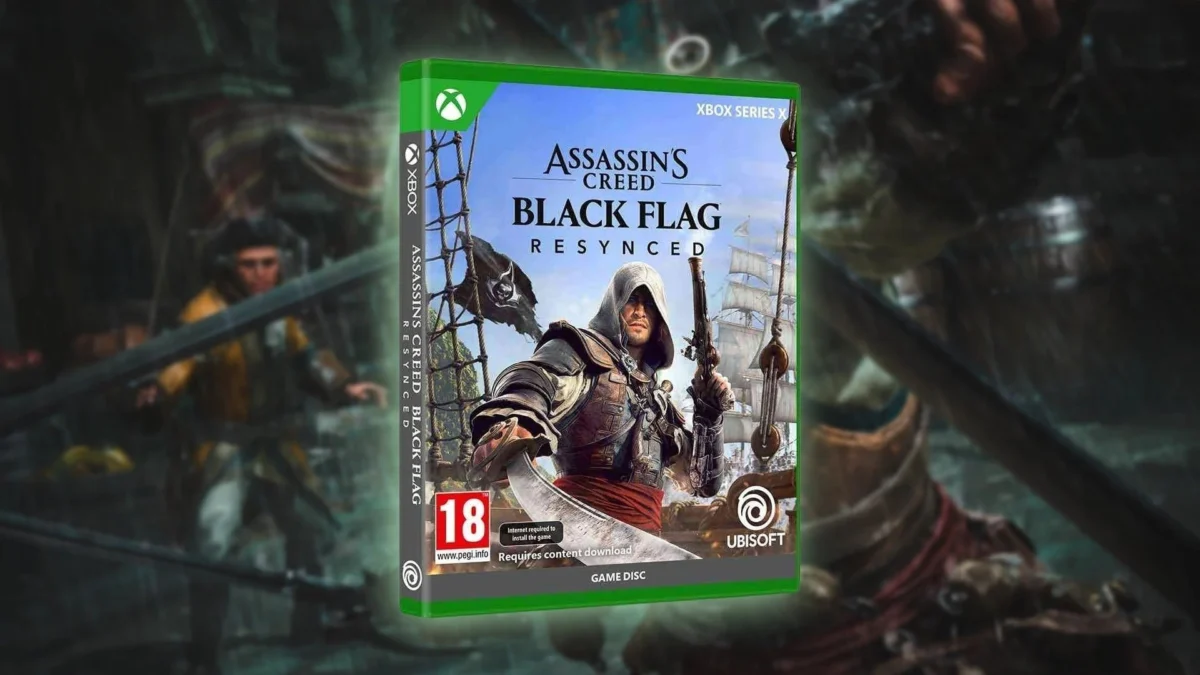
Recent developments have seen significant expansion in publisher support. Notably, major developers like SEGA and Ubisoft have recently joined the program, bringing a wealth of popular titles into the compatible pool. SEGA’s inclusion means beloved franchises like Yakuza, Persona, and various sports titles are now eligible for digital conversion, much to the delight of their fan bases. Similarly, Ubisoft’s participation has added numerous blockbusters from series such as Assassin’s Creed, Far Cry, and Watch Dogs, dramatically increasing the program’s appeal and utility. These additions underscore the growing confidence among major publishers in the viability and benefits of the Disc to Digital model.
However, not all major publishers have opted in. Two prominent absentees at present are Square Enix and Bandai Namco. Their non-participation means that a considerable number of popular titles from franchises like Final Fantasy, Kingdom Hearts, Dragon Quest, Tales of, and Dark Souls are currently ineligible for conversion. The reasons for a publisher’s decision to opt out can be complex, ranging from intricate existing licensing agreements, differing digital distribution strategies, potential concerns about cannibalizing new digital sales, or even regional legal frameworks that complicate digital rights management. It is plausible that negotiations are ongoing, and their titles may be added in the future, but for now, their absence represents a notable gap in the program’s coverage.
Beyond publisher-level decisions, specific game exclusions also exist. Many physical discs from the early Xbox One era (roughly 2013-mid 2014) are often found to be incompatible. This could be due to older digital rights management (DRM) implementations, specific manufacturing batches of discs, or simply the logistical complexities of integrating very early titles into a newer system. Additionally, games with complex licensing issues, such as those involving expired music licenses or intellectual property rights that have since changed hands, like certain entries in the Forza Horizon series (e.g., Forza Horizon 3), are also typically excluded from conversion. These titles often face challenges even in standard digital storefront availability, making their inclusion in a disc-to-digital program particularly difficult.
Finally, a key clarification from Microsoft, confirmed at the program’s announcement, is the explicit exclusion of Xbox 360 games. This decision is likely due to the entirely different architectural and digital rights framework of the Xbox 360 era, making direct conversion significantly more complex than for Xbox One and Series X titles. While disappointing for some long-time fans with extensive 360 collections, the focus remains firmly on the most recent console generations.
Broader Impact and Future Implications
The Xbox Disc to Digital program carries significant implications for various stakeholders within the gaming industry.
For Consumers: The immediate benefit is unparalleled convenience and flexibility. Players can free up physical shelf space, reduce reliance on delicate discs, and enjoy their games across multiple Xbox consoles without physical media. This also offers a degree of future-proofing; as console generations progress and physical disc drives potentially become less common (following the trend set by the Series S), digital licenses ensure continued access to purchased titles. The program empowers consumers to consolidate their libraries into a single, easily accessible digital format, aligning with modern consumption habits.
For Publishers: While offering a new revenue stream for dormant physical games and fostering consumer goodwill, the program also presents complexities. Publishers must weigh the benefits of increased digital engagement against potential impacts on new physical sales or the intricacies of managing a dual-format entitlement system. The willingness of major publishers like SEGA and Ubisoft to participate suggests that the benefits, including enhanced customer satisfaction and potential for long-term digital engagement, outweigh these challenges. It could also provide valuable data on consumer preferences for digital ownership.
For Retailers: The continued push towards digital, reinforced by programs like Disc to Digital, signals a further erosion of the physical media market. While the program targets existing physical owners rather than new sales, it contributes to the broader narrative of declining demand for physical game discs, which will continue to impact brick-and-mortar game stores and traditional distribution channels.
For Game Preservation: In an era where digital storefronts can sunset and physical media can degrade, the Disc to Digital program offers a novel layer of game preservation. By converting physical discs into account-bound digital licenses, it helps ensure that players retain access to their purchased games for the foreseeable future, independent of the physical disc’s condition or the console’s physical media drive. This is particularly crucial for titles that may become delisted from digital storefronts due to licensing issues but still exist as physical copies.
Looking ahead, the program is likely to evolve. We can anticipate ongoing negotiations with more publishers, potentially leading to an even broader array of compatible titles. As Microsoft continues to refine its digital ecosystem, the Disc to Digital program will likely integrate further with services like Xbox Game Pass, perhaps offering unique benefits or pathways for subscribers. The community’s role will remain paramount, as fan-driven lists will continue to be the most dynamic and comprehensive source of compatibility information.
In conclusion, the widespread launch of the Xbox Disc to Digital program represents a pivotal moment in the ongoing evolution of game ownership. By providing a robust and accessible pathway from physical to digital, Microsoft is not only enhancing the user experience for its vast player base but also actively shaping the future landscape of gaming libraries. It underscores a commitment to flexibility, convenience, and game preservation, solidifying a hybrid future where physical collections can seamlessly transition into the digital age. While challenges remain in achieving universal compatibility, the program’s current scope and community engagement are already transforming how millions of players interact with their cherished game collections.