


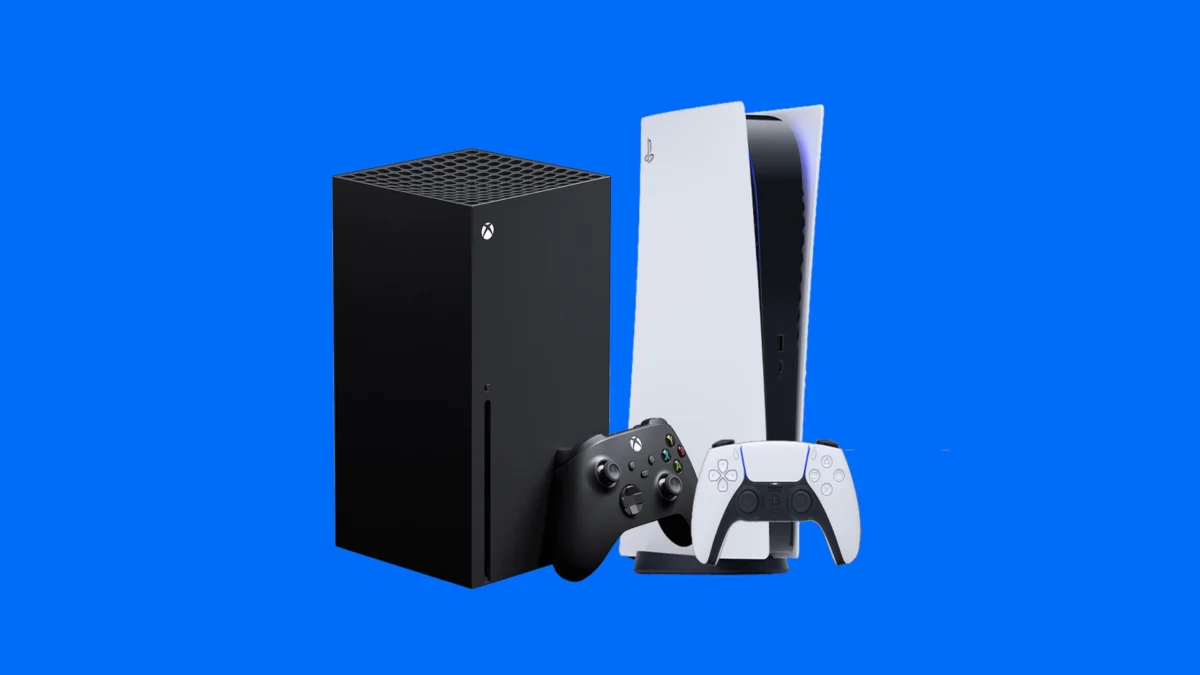
The long-held aspiration of gamers to seamlessly bridge the divide between rival console ecosystems has taken a significant step towards reality. Modder Devran Cosmo Uenal recently captivated the gaming community by posting a video on YouTube demonstrating the successful operation of a PlayStation 5 emulator on an Xbox Series X. This remarkable technical feat, once considered a mere "gamer’s pipe dream," challenges conventional notions of console exclusivity and opens new avenues for discussion surrounding interoperability, software modification, and intellectual property within the video game industry.
The Genesis of a Crossover: Unveiling the Emulation
Uenal’s demonstration showcased an experimental Xbox port of KytyPS5, an open-source PlayStation 5 emulator primarily developed for PC platforms. The original KytyPS5 itself is a heavily modified iteration of another emulator, highlighting the iterative and collaborative nature of the emulation development community. The core challenge for Uenal lay in adapting this PC-centric software to run effectively on Microsoft’s flagship console, the Xbox Series X. His concise declaration, "Xbox backward compatibility is getting out of hand… now we’re adding PlayStation 5 to the list," perfectly encapsulates the audacious nature of his achievement and resonated widely across social media and gaming forums. While Uenal did not immediately provide further comment on his methodology, the implications of his work are already being widely discussed.
Technical Underpinnings and the Modder’s Methodology
Emulation, at its heart, involves one computer system mimicking the functions of another. In the context of video games, this means software on a host console or PC replicating the hardware and operating environment of a target console, allowing its games to be played. Modern console emulation, especially for current-generation systems like the PlayStation 5, presents formidable technical hurdles. Both the PlayStation 5 and Xbox Series X share an x86-64 CPU architecture, similar to desktop PCs, which theoretically simplifies some aspects of cross-platform software development. However, each console features highly customized graphics processing units (GPUs), proprietary operating systems, unique memory management, and distinct application programming interfaces (APIs) that games are specifically designed to leverage.
To achieve this cross-console functionality, Uenal would have had to utilize the Xbox Series X’s "developer mode." This feature, typically intended for game developers, allows users to install custom applications and operating systems on their console, bypassing the standard retail operating environment. It provides a more open sandbox for experimentation than is usually available on closed console platforms. Porting KytyPS5, a complex piece of software designed for the diverse and flexible environment of a PC, to the more constrained, albeit powerful, developer mode of an Xbox Series X would have involved significant reverse engineering, optimization, and debugging. This process likely involved adapting the emulator’s rendering backend to interface with the Xbox’s graphics API (DirectX, specifically), translating system calls, and managing memory in a way that the Xbox’s proprietary system would understand.
Performance and Practical Limitations: An Early Stage Endeavor
Uenal’s video evidence provided crucial insights into the current state of this experimental emulation. The demonstration notably featured PlayStation 5 versions of several less graphically intensive titles, including Gex Trilogy, Hellboy Web of Wyrd, Marvel Cosmic Invasion, and Quake 2. The choice of these games is strategic; simpler titles are typically the first to achieve any level of playable emulation on new platforms, as they demand fewer resources and present fewer complex rendering or processing challenges compared to AAA blockbusters.

During the demonstration of Quake 2, a title originally released in 1997 and remastered for modern platforms, the emulator showed frames per second (FPS) ranging between 20 and 40 for the majority of the video, interspersed with noticeable stutters. This performance, while impressive for an early-stage emulator running on an unintended platform, falls short of the smooth, stable experience expected from native console performance or even cloud streaming services. For context, booting Quake 2 via Xbox Game Pass’s cloud streaming offers a far more consistent and lag-free experience, as noted by observers. Uenal himself acknowledged these limitations, stating that it’s "early days, and compatibility is limited," tempering expectations for immediate, widespread usability.
The technical hurdles for achieving full-speed, high-fidelity emulation of graphically demanding PlayStation 5 exclusives such as Marvel’s Wolverine or Ghost of Yotei on an Xbox Series X remain substantial. These games push the limits of the PS5’s custom hardware, including its fast SSD for asset streaming and unique DualSense controller features, which are notoriously difficult to emulate accurately and efficiently. However, another video from Uenal showed the PlayStation 5 user interface running on the Xbox, complete with the option to play the PlayStation version of Grand Theft Auto 5. Reports from tech and gaming website BGR previously indicated that Grand Theft Auto 5 is "surprisingly playable" on the PC version of KytyPS5, suggesting that more complex titles could potentially become playable on the Xbox port as the emulator matures, perhaps even before the highly anticipated release of Grand Theft Auto 6.
A Historical Perspective: Console Wars and Emulation’s Enduring Legacy
The rivalry between console manufacturers, particularly Sony’s PlayStation and Microsoft’s Xbox, has been a defining characteristic of the gaming industry for decades. Each company fiercely guards its proprietary ecosystem, exclusive titles, and hardware design. This historical context makes Uenal’s achievement particularly resonant, as it symbolically blurs the lines between these long-standing competitors.
Emulation itself has a rich history, dating back to the early days of personal computing when enthusiasts sought to preserve and play games from older arcade machines and home consoles like the NES and SNES. Over the years, emulation has progressed to encompass more complex systems, including the PlayStation 1, PlayStation 2, and eventually Nintendo’s Wii U and Switch. The development of emulators is often driven by a passion for game preservation, a desire for enhanced features (like higher resolutions or custom mods), and a commitment to open-source development. While console manufacturers typically do not support or endorse emulation of their current-generation systems, the modding community continues to push the boundaries of what is technically possible. Microsoft, however, has traditionally been more open to allowing homebrew and developer applications through its developer mode, a philosophy that has inadvertently facilitated such cross-platform experiments. Sony, conversely, maintains a more tightly controlled ecosystem.
The Legal Quagmire: Navigating the Gray Areas of Emulation
While technically impressive, the practice of console emulation operates within a complex and often ambiguous legal framework. As highlighted by Indiana law firm McNeely Law, the emulators themselves are generally not illegal. Emulation software is often considered a tool, similar to a media player, that can have both legitimate and illegitimate uses. The legality typically hinges on the source and usage of the game files, commonly referred to as ROMs or ISOs.
The legal consensus is that while it may be permissible under certain, highly restricted circumstances for a consumer to create a backup copy of a game they legitimately own for use with an emulator, the sharing or downloading of copyrighted video game files from unauthorized sources for use via an emulator is generally illegal. This constitutes copyright infringement, as it involves the unauthorized reproduction and distribution of intellectual property. Developers and publishers invest immense resources in creating games, and copyright law is designed to protect these investments. The digital rights management (DRM) technologies embedded in consoles and games are specifically designed to prevent unauthorized copying and playback, which emulation circumvents.
The risks for users engaging in the unauthorized downloading and playing of emulated games include potential legal action from copyright holders, platform bans from console manufacturers (which could render their legitimate console unusable for online services), and exposure to malware or viruses from untrusted sources. Therefore, despite the allure of playing exclusive titles on a different console, legal experts generally advise against using emulators for copyrighted content where the game files have not been legitimately acquired and permission granted. The cautionary note from legal counsel reinforces that individuals should not risk legal trouble, even for the sake of playing older titles like Quake 2.
Industry Reactions and Broader Implications
As of this report, representatives for Xbox and PlayStation have not issued official statements regarding Uenal’s emulation achievement. This silence is typical in such situations, as direct acknowledgment could inadvertently legitimize the practice or draw more attention to potential vulnerabilities in their systems. However, it is highly probable that both companies are closely monitoring these developments.
For Microsoft, while its developer mode facilitates such experimentation, the ability to run a rival’s current-gen games could present a complex public relations challenge and potentially lead to concerns from game developers who rely on platform exclusivity agreements. For Sony, whose PlayStation 5 boasts a robust library of exclusive titles, the prospect of its games being played on a competitor’s hardware could be viewed as a direct threat to its intellectual property and market strategy.
The broader implications of this breakthrough are multifaceted:
- Technical Feasibility: It confirms the raw processing power of current-gen consoles and the ingenuity of the modding community in pushing hardware boundaries beyond their intended use.
- Platform Interoperability Debate: It reignites discussions about greater interoperability between gaming platforms. While unlikely to be officially sanctioned by manufacturers in the near future, it highlights a persistent user desire for more open ecosystems.
- Intellectual Property Concerns: The development underscores the ongoing tension between copyright holders’ rights and the open-source, preservationist ethos of the emulation community.
- Security Implications: Unofficial software running on a console can potentially introduce security vulnerabilities, although developer mode offers a more controlled environment than exploiting retail firmware.
- Game Preservation: While legally contentious, emulation remains a critical tool for game preservation, ensuring that titles from past generations remain playable long after their original hardware becomes obsolete. This PS5 emulation, however, is a very early step for a current-gen system.
The Future Landscape of Cross-Console Gaming
Devran Cosmo Uenal’s success in running a PlayStation 5 emulator on an Xbox Series X is a remarkable technical milestone. It transforms a long-standing "gamer’s pipe dream" into a tangible, albeit nascent, reality. While the current performance is limited and significant legal and practical barriers remain, this demonstration underscores the relentless innovation within the modding community and the enduring desire for greater cross-platform functionality.
The path to a future where high-fidelity, legally sanctioned cross-console emulation is commonplace is fraught with challenges, including optimizing performance for demanding titles, accurately replicating proprietary hardware features like the DualSense controller, and navigating complex intellectual property laws. However, this breakthrough serves as a powerful testament to the potential of dedicated individuals to explore the limits of gaming technology, sparking critical conversations about the future of console ecosystems, digital rights, and the ever-evolving definition of "backward compatibility" in the digital age. It remains to be seen how console manufacturers will respond to such advancements, but the conversation around true console interoperability has undeniably been amplified.