


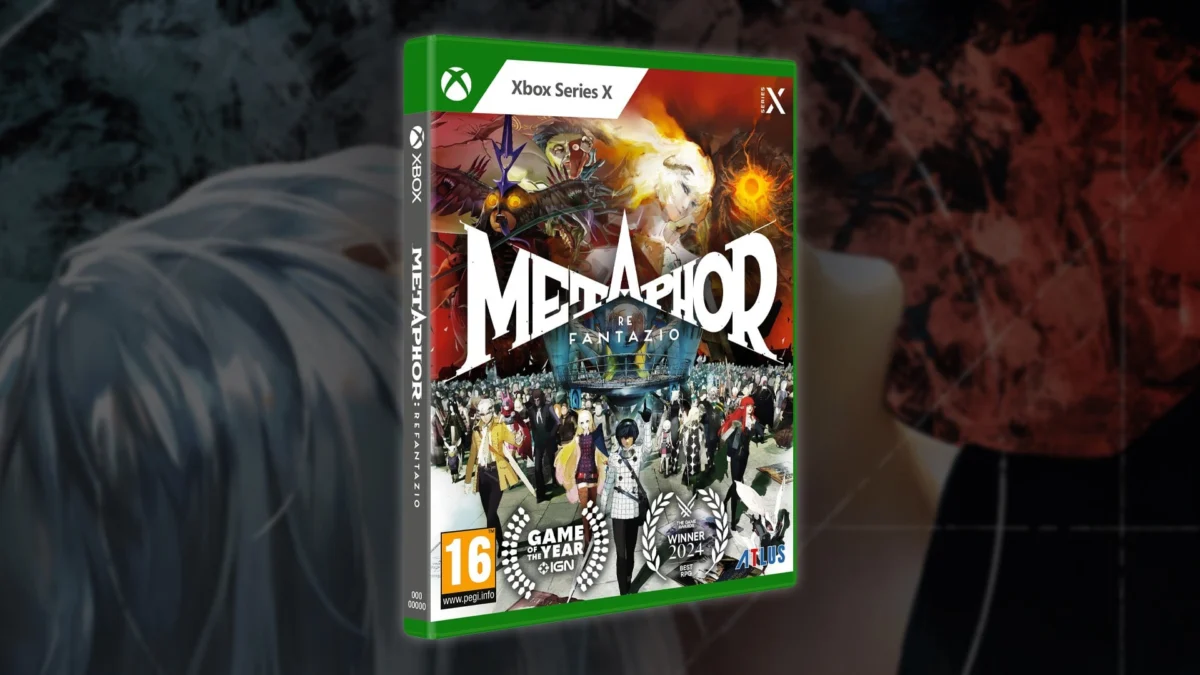
In a significant development for Xbox gamers and the broader video game industry, SEGA has officially commenced the rollout of its game catalog onto the Xbox Disc to Digital conversion program. This strategic move, initially observed within the Xbox Insider testing phase, marks a notable expansion of the service and signals a continuing industry-wide shift towards digital game ownership and enhanced consumer flexibility. Gamers waking up to the news found that select SEGA titles, previously tied to physical disc ownership, could now be converted into digital licenses, offering a new avenue for accessing their purchased content.
The integration of SEGA, a publisher with a vast and beloved library, into the Disc to Digital program is particularly impactful. For some time, industry observers had been closely watching major publishers such as Square Enix, Bandai Namco, and SEGA, wondering when they might join the initiative. Ubisoft’s sudden entry earlier this month had already set a precedent, and SEGA’s follow-up arrival now reinforces a clear trend. While currently limited to the Xbox Insider ecosystem, where a dedicated community tests new features before their public release, the initial success reports are generating considerable excitement among the Xbox player base.
The Xbox Disc to Digital Initiative: A Bridge to the Digital Future
The Xbox Disc to Digital program represents a critical component of Microsoft’s strategy to bridge the gap between physical and digital game ownership, a divide that has grown increasingly prominent in the modern gaming landscape. Launched with the explicit aim of offering greater flexibility and future-proofing game libraries, the program allows players to convert eligible physical game discs into digital entitlements. This process typically involves inserting a physical disc into an Xbox console with a disc drive, which then verifies ownership. Upon successful verification, players are presented with the option to purchase a digital version of the game at a reduced price, effectively converting their physical asset into a permanent digital license tied to their Xbox account.
The rationale behind such an initiative is multifaceted. As digital game sales continue to dominate the market, driven by convenience, instant access, and the increasing prevalence of disc-less consoles, many players find themselves with extensive physical collections that they wish to migrate to a digital format. This could be due to a desire for a cleaner setup, the convenience of not needing to swap discs, or preparing for potential future hardware iterations that may forgo disc drives entirely. The Disc to Digital program offers a pragmatic solution, acknowledging players’ existing investments in physical media while enabling them to transition seamlessly into a digital ecosystem. It also aligns with Xbox’s broader commitment to player choice and backward compatibility, ensuring that game purchases remain valuable across generations of hardware.
The program’s development has been iterative, starting with a limited selection of titles and publishers. Microsoft has progressively expanded its scope, working with various third-party developers and publishers to grow the catalog of eligible games. This slow, deliberate expansion is crucial for ensuring technical stability, addressing potential licensing complexities, and managing the rollout effectively across different regions and game libraries. The entry of major publishers like Ubisoft and now SEGA signifies a maturing of the program and its increasing adoption within the industry.
SEGA’s Strategic Move: Embracing Modern Gaming Ecosystems
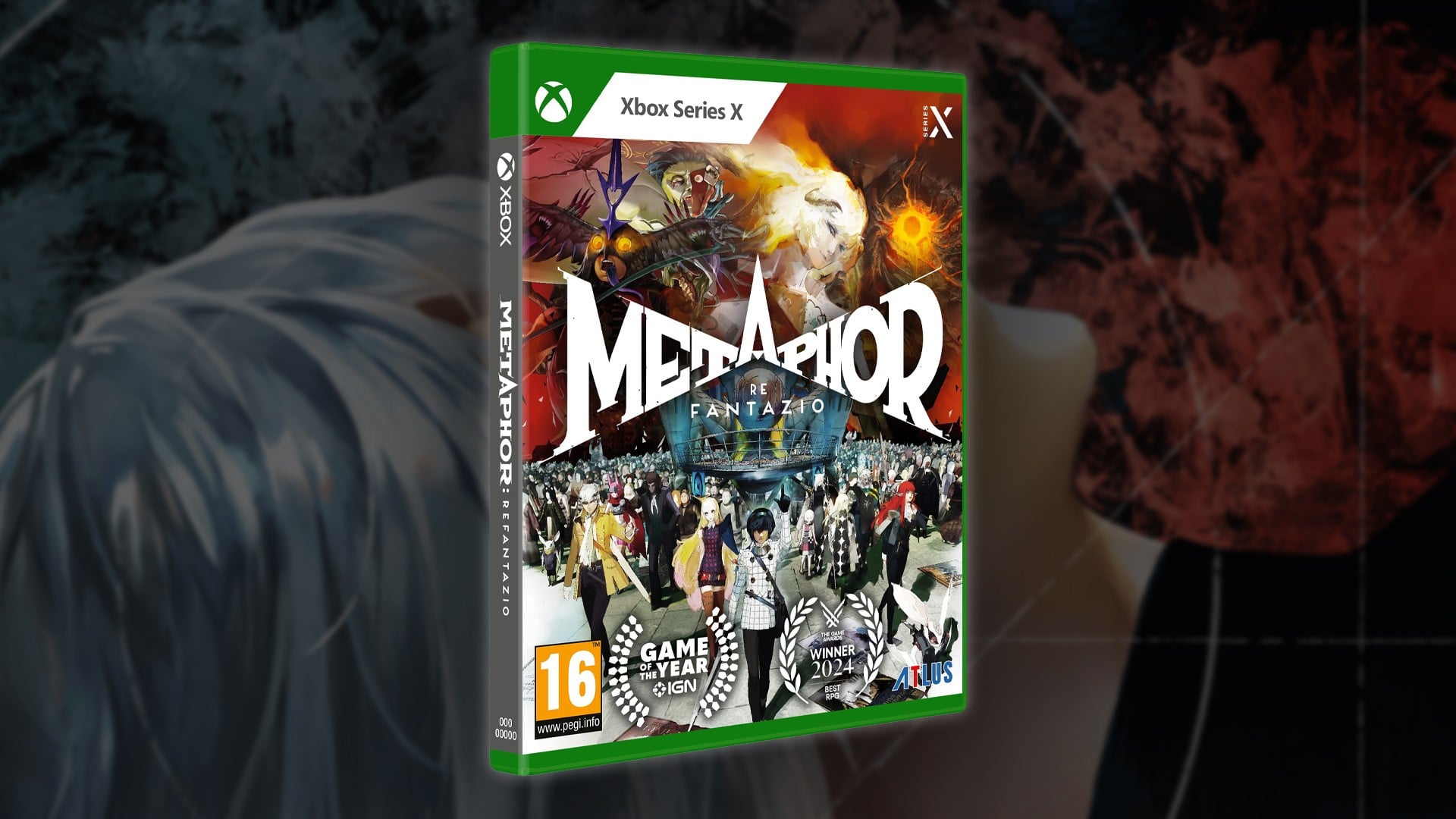
SEGA’s decision to integrate its titles into the Xbox Disc to Digital program is a significant strategic move that underscores the company’s commitment to adapting to evolving market dynamics and enhancing player experience. SEGA, a legendary name in video game history, has long maintained a strong presence across various platforms, including Xbox. Their current publishing strategy emphasizes multi-platform releases for many of their key franchises, including the critically acclaimed Persona series, the popular Like A Dragon (formerly Yakuza) saga, and more recent hits like Unicorn Overlord.
For SEGA, participating in the Disc to Digital program offers several compelling advantages. Firstly, it provides an additional avenue for revenue generation, allowing them to monetize existing physical copies of their games by offering digital conversions. This is particularly relevant for their extensive back catalog, which might see renewed interest from players looking to consolidate their libraries. Secondly, it enhances consumer loyalty and satisfaction by offering greater flexibility to their player base. In an era where player choice and convenience are paramount, enabling physical disc owners to transition to digital aligns with modern consumer expectations. Thirdly, it positions SEGA as a forward-thinking publisher, embracing new technologies and services that cater to the evolving preferences of gamers. As the industry moves further into digital distribution and subscription models, such initiatives help SEGA maintain relevance and competitiveness.
Moreover, this collaboration deepens SEGA’s relationship with the Xbox ecosystem. By integrating more deeply with Xbox’s digital services, SEGA can potentially benefit from increased visibility, cross-promotion opportunities, and insights into player behavior within the Xbox environment. This data can be invaluable for future game development, marketing strategies, and understanding the purchasing habits of their audience.
A Growing Trend: Publishers Join the Digital Conversion Movement
The timeline of publisher adoption for the Xbox Disc to Digital program reveals a clear and accelerating trend towards embracing digital conversion services. When the program was first conceptualized and rolled out, initial participation was somewhat cautious, with a limited number of titles and publishers testing the waters. This is typical for new initiatives that involve complex licensing, technical integration, and potential impacts on established sales channels.
However, the landscape began to shift noticeably as the program matured and as the broader industry continued its inexorable march towards digital dominance. Earlier this month, Ubisoft made headlines with the sudden and extensive integration of a large portion of its catalog into the Disc to Digital program. Titles spanning popular franchises like Assassin’s Creed, Far Cry, and Watch Dogs became eligible for digital conversion, signaling a significant vote of confidence in the service from a major Western publisher. This move was widely interpreted as a watershed moment, potentially paving the way for other large publishers.
SEGA’s subsequent entry, mirroring Ubisoft’s somewhat sudden appearance, confirms this momentum. It suggests that publishers are increasingly recognizing the value proposition of the Disc to Digital program, not just for consumers but also for their own business models. The gradual but steady influx of prominent publishers indicates a growing industry consensus that providing options for physical-to-digital migration is a necessary and beneficial service in the contemporary gaming ecosystem. This trend is likely to continue, putting pressure on remaining holdouts to consider their participation to avoid being perceived as lagging in consumer-friendly offerings.
Key Titles and Early Observations from Insider Testing

The initial hours and days following SEGA’s integration have been abuzz with activity among Xbox Insiders. Enthusiastic testers have been diligently working through their physical game libraries to identify which SEGA titles are currently compatible with the Disc to Digital program. The early reports are largely positive, highlighting the inclusion of several high-profile and fan-favorite series.
Among the titles consistently reported as successfully converting are entries from the critically acclaimed Persona series, specifically Persona 5 Royal, which brought the beloved JRPG franchise to a wider audience on Xbox. The gritty, narrative-driven world of the Like A Dragon series (which includes the Yakuza games) is also well-represented, with titles such as Like A Dragon: Ishin! and Yakuza: Like A Dragon showing successful conversion. Furthermore, the recently released strategy RPG Unicorn Overlord, developed by Vanillaware and published by Atlus (a SEGA subsidiary), has also been confirmed to be compatible, indicating that newer titles are being prioritized alongside established classics. This selection of games reflects SEGA’s diverse portfolio and its recent focus on bringing its Japanese-developed titles to Xbox.
However, it is equally important to note that the rollout is not exhaustive, and not every SEGA-published title appears to be included in the program yet. For instance, the highly regarded survival horror game Alien: Isolation, published by SEGA, has been cited by multiple testers as currently incompatible. This is not uncommon for initial rollouts and can be attributed to various factors, including licensing agreements, technical complexities for older titles, or a phased approach by the publisher. It is crucial for users to understand that the absence of a title during this initial phase does not necessarily mean it will never be included; rather, it suggests that the program is still in an iterative development stage, with further expansions likely to follow. The process for Insiders typically involves reporting successes and failures, which then helps Microsoft and the participating publishers refine the program and expand its compatibility list.
Broader Implications for Consumers and the Industry
The expansion of the Xbox Disc to Digital program with SEGA’s catalog carries significant implications for both consumers and the wider video game industry, touching upon aspects of ownership, game preservation, and market dynamics.
Enhancing Consumer Flexibility and Library Management
For consumers, the most immediate benefit is enhanced flexibility. Players who have invested in physical copies of SEGA games now have the option to migrate those purchases to a digital format, eliminating the need for disc swapping and allowing for a more streamlined digital library. This is particularly appealing for those who own multiple Xbox consoles, including disc-less versions like the Xbox Series S, or those who simply prefer the convenience of digital access. It also offers a degree of future-proofing for their game collections, as physical media can degrade over time or become incompatible with future hardware iterations. The ability to convert a disc to digital means that a player’s ownership is more securely tied to their account, accessible across compatible devices.
However, it is vital to remember the caveats. The program still requires the original physical disc for verification, meaning players cannot convert games they no longer possess. Furthermore, the digital conversion often involves a small purchase fee, reflecting the cost of acquiring a new digital license. Not all games will be included, and regional restrictions might apply, meaning that players must verify eligibility for each title.
Impact on Game Preservation and Ownership Models
SEGA’s participation also contributes to the ongoing debate about game preservation and the nature of ownership in the digital age. As games increasingly become digital-only, concerns about long-term access and the ability to "own" a game outright have grown. Programs like Disc to Digital, while still involving a digital license, offer a hybrid solution that respects past physical purchases. It suggests a potential pathway for ensuring that content purchased in one format can transition to another, mitigating some of the anxieties surrounding digital-only futures where content can be delisted or become inaccessible. This move reinforces the idea that game companies are recognizing the importance of player investment, regardless of the initial purchase format.
Shaping the Digital Marketplace
From an industry perspective, SEGA’s entry into the program sends a strong signal to other publishers. It demonstrates that a major, globally recognized publisher sees tangible value in such an initiative, potentially pressuring others to follow suit. This could accelerate the overall shift towards digital distribution and the development of similar consumer-friendly services across the gaming landscape. For Xbox, it strengthens its ecosystem by offering a unique and valuable service that differentiates it from competitors. It can drive engagement with the Xbox storefront, as conversions still involve a digital purchase, and encourage more players to fully embrace the Xbox digital environment. The data gathered from such conversions can also provide valuable insights into consumer preferences for physical versus digital ownership, informing future strategies.
The Road Ahead: What’s Next for Disc to Digital?
With SEGA now on board, the natural question turns to the remaining major publishers, specifically Square Enix and Bandai Namco, who were previously identified as potential candidates for the Disc to Digital program. Industry observers and gamers alike will be keenly watching for any indications of their participation, as their extensive catalogs would further solidify the program’s utility and appeal. The pattern of major publishers joining in quick succession suggests that internal discussions and technical preparations may already be underway.
Beyond new publishers, the expansion of SEGA’s own catalog within the program will also be a point of interest. As the initial Insider testing phase concludes, it is highly probable that more of SEGA’s older and niche titles will be added, gradually building out a comprehensive offering. This iterative expansion is key to maximizing the program’s value for consumers with diverse libraries.
The long-term vision for Disc to Digital likely involves it serving as a critical bridge as the gaming industry moves further towards an all-digital future. While physical media may never fully disappear, its prominence continues to wane. Services that allow for the seamless transition of existing physical libraries into digital ones are crucial for maintaining consumer trust and ensuring that past investments remain relevant. SEGA’s participation is not just an isolated event; it is a significant step in the ongoing evolution of how games are owned, accessed, and preserved in the modern era of interactive entertainment.