


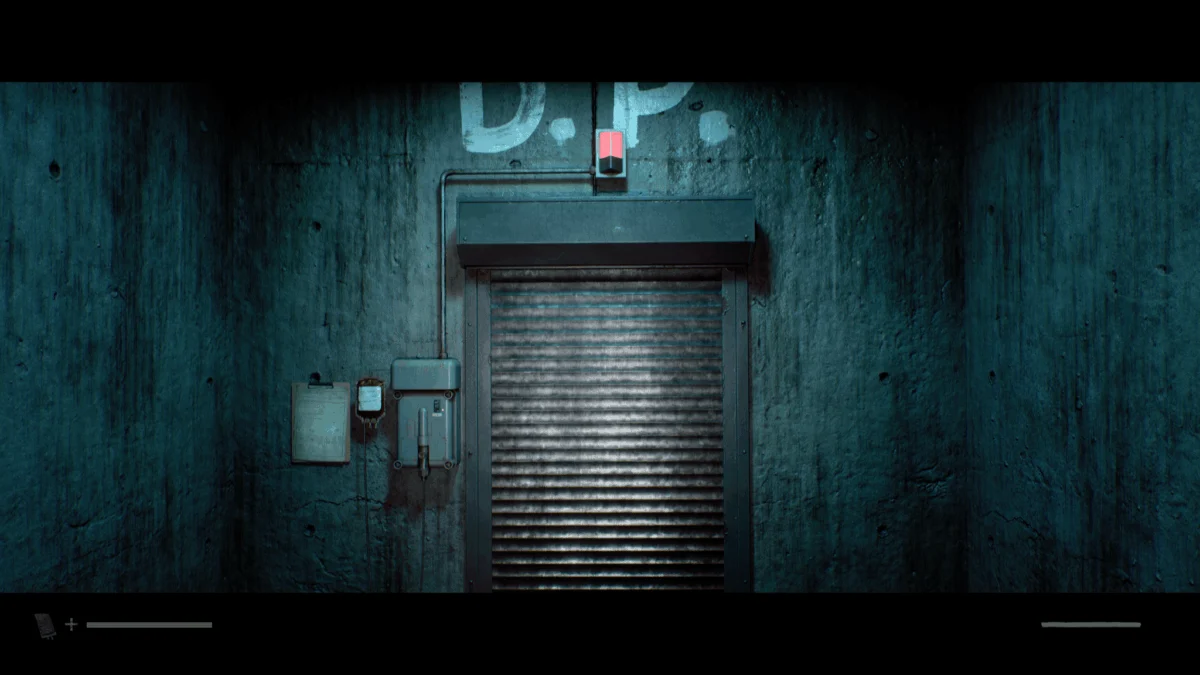
The long-awaited release of SILENT HILL: Townfall marks a pivotal moment for the survival horror genre, representing a collaboration between Konami, Annapurna Interactive, and the Scottish developer No Code. Known for their experimental approach to narrative and interface-driven horror in titles such as Stories Untold and Observation, No Code has brought a distinctively modern lens to the Silent Hill mythos. Shifting the series’ traditional third-person perspective to an immersive first-person view, Townfall seeks to maintain the franchise’s core pillars—pain, trauma, and misery—while introducing new mechanical layers. However, as players navigate the approximately 10-hour campaign, the experience emerges as a stark dichotomy between atmospheric brilliance and mechanical exhaustion.

The Setting and Narrative Architecture of St. Amelia
The narrative of Townfall is centered on the island city of St. Amelia, a departure from the titular Maine town but one that retains the series’ atmospheric hallmarks. The game begins with a classic survival horror trope: the protagonist, Simon Ordell, awakens on a desolate shore clad in hospital attire, the remnants of an IV drip still clinging to his arm. This immediate visual storytelling establishes a history of medical confinement and psychological instability, themes that have defined the franchise since its inception in 1999.
St. Amelia itself is a character, shrouded in a dense, oppressive fog that limits visibility and heightens the sense of isolation. The city is not merely a backdrop but a shifting labyrinth that oscillates between a decaying reality and the nightmarish "Otherworld." This transition, a staple of the series, is handled with technical precision in Townfall, often occurring seamlessly to disorient the player. The plot is bifurcated, following Simon’s journey to find a missing friend and the parallel experiences of Zoe, a nurse working within the town’s medical facility. Zoe’s narrative segments are characterized by a pervasive sense of social alienation; she is depicted as a pariah among her colleagues, burdened by a deep-seated guilt that manifests in the monsters she encounters.

Chronology of Development and Franchise Revival
To understand the significance of SILENT HILL: Townfall, one must look at the broader timeline of the franchise’s resurgence. Following the 2012 release of Silent Hill: Downpour and the high-profile cancellation of Hideo Kojima’s Silent Hills (P.T.) in 2015, the series entered a decade-long period of dormancy. In October 2022, Konami announced a massive "Silent Hill Transmission" event, unveiling multiple projects designed to modernize the brand. These included the Silent Hill 2 remake by Bloober Team, the period-piece horror Silent Hill f, and the experimental, UI-focused Townfall.
Townfall was positioned as the "indie-style" entry in this revival, leveraging No Code’s expertise in creating tension through technology. During the initial teaser trailers, fans decoded hidden messages within audio frequencies, a precursor to the game’s actual mechanics involving CRTVs and signal tuning. The game’s eventual launch in late 2026 followed years of anticipation, with Konami emphasizing a commitment to "diverse horror experiences" that moved beyond the traditional survival horror template.

Technical Mechanics: The CRTV and Pager Systems
The most innovative aspect of Townfall lies in its integration of diegetic technology. Simon Ordell utilizes a portable CRTV unit that serves as both a narrative device and a survival tool. This device can tune into various frequencies, allowing Simon to view "time-slip" footage of past events. These clips provide the necessary context for Zoe’s story and offer clues for environmental puzzles. Furthermore, the CRTV functions as a radar; by matching frequencies to the nearby monsters, players can track enemy movements through walls and fog, a necessity given the game’s first-person constraints.
Zoe’s segments utilize a pager system. While less sophisticated than Simon’s CRTV, the pager provides cryptic text messages that flesh out the lore and offer rudimentary proximity warnings. These mechanics reflect No Code’s signature style—interacting with retro-futuristic hardware to uncover horrific truths. When these systems work in tandem with the game’s sound design, which features muffled, industrial tones reminiscent of Akira Yamaoka’s early work, the result is a masterclass in atmospheric tension.

Gameplay Challenges and the Friction of Stealth
Despite the strength of its narrative and aesthetic, SILENT HILL: Townfall introduces significant gameplay friction that has become a point of contention among critics and players alike. The shift to a first-person perspective necessitates a reliance on stealth, as combat is intentionally designed to be clunky and high-risk. While movement is slow and deliberate, the enemies often possess superior speed and unpredictable pathing.
The game features a rudimentary combat system:

- Melee Engagement: A basic "swing and block" mechanic where weapons have extremely low durability, often breaking after three or four hits.
- Ranged Combat: Ammunition is a rare resource, requiring players to land precise headshots to be effective.
- Environmental Distractions: Players can throw bricks or bottles to lure enemies away from objectives.
The primary issue cited in technical reviews is the "The Weight," a specific enemy type characterized by erratic movement patterns. In several instances, players report spending upwards of an hour on segments that should take minutes, simply waiting for an enemy to move out of a critical path. This reliance on "wait-and-see" stealth mechanics often drains the tension, replacing fear with boredom. One notable puzzle involves retrieving specific medical dosages from a room guarded by seven enemies; the mechanical limitations of the stealth system turn a two-minute task into a forty-five-minute ordeal of trial and error.
Data Analysis: Performance and Playtime
Data collected from initial PC and console builds indicates that while the game is visually stunning—utilizing advanced lighting effects to render its volumetric fog—it suffers from pacing issues.

- Average Completion Time: 9 to 11 hours for a standard playthrough.
- Narrative Density: Approximately 40% of the runtime is dedicated to direct story progression and cutscenes, while 60% is occupied by stealth and traversal.
- Difficulty Scaling: On default settings, the "stealth-first" approach is mandatory, as Simon’s health pool is insufficient to survive more than two direct hits from standard "Plague" enemies.
The frustration expressed by the player base often stems from the disconnect between the game’s high-quality production values and its "most basic and boring variety" of stealth AI. While the story features multiple satisfying endings that reward the player’s perseverance, the journey to those endings is frequently interrupted by repetitive encounters.
Official Statements and Industry Reception
Konami has remained supportive of No Code’s vision, with producers stating in post-launch interviews that Townfall was intended to be a "friction-heavy" experience that mirrors the psychological distress of its characters. A spokesperson for Annapurna Interactive noted, "Silent Hill has always been about the struggle against the inexplicable. In Townfall, we wanted the gameplay to feel as heavy and difficult as the trauma Simon and Zoe are carrying."

Critical reception has been polarized. On one hand, the game is praised for its "damned pretty" visuals and its ability to capture the "creeping loneliness" that defined the original Team Silent titles. On the other hand, the "slow and clunky" controls and the "unpredictable pathing" of enemies like The Weight have led some reviewers to describe the experience as more of a "trudge" than a game. The consensus suggests that while Townfall succeeds as a piece of interactive horror fiction, it struggles to maintain its identity as an enjoyable video game.
Broader Impact on the Silent Hill Franchise
The legacy of SILENT HILL: Townfall will likely be its willingness to experiment. By moving the series into a first-person space and de-emphasizing the "action-horror" elements found in later entries like Homecoming, No Code has returned the franchise to its psychological roots. The game proves that the Silent Hill brand can survive outside of its namesake town, provided the themes of guilt and the "Otherworld" are present.

However, the mixed reception regarding its gameplay serves as a cautionary tale for future developers. As Konami continues to outsource the IP to various international studios, the balance between "thematic frustration" and "player enjoyment" remains a delicate one. Townfall stands as a testament to the fact that atmosphere and story, no matter how compelling, require a cohesive and engaging mechanical foundation to truly resonate with a modern audience. For the series to flourish, it must find a way to make the "pain and misery" of its characters felt by the player through narrative weight, rather than through frustrating enemy AI and repetitive stealth cycles.