



The shadowy digital underworld of "Welcome to the Game 3" (WTTG3) presents a high-stakes challenge for players aiming to become masters of the Dark Net. Success hinges on a complex interplay of resource management, strategic networking, and the relentless pursuit of elusive "Key Hashes." Reflect Studios, the developer behind this immersive simulation, has introduced a suite of intricate mechanics designed to test players’ cunning and adaptability. This comprehensive guide delves into the core gameplay loops of WTTG3, from the fundamental acquisition of DOS Coins to the perilous task of eliminating competition, offering a detailed roadmap for aspiring Dark Net operatives.
The Economy of the Shadows: Mastering DOS Coin Acquisition
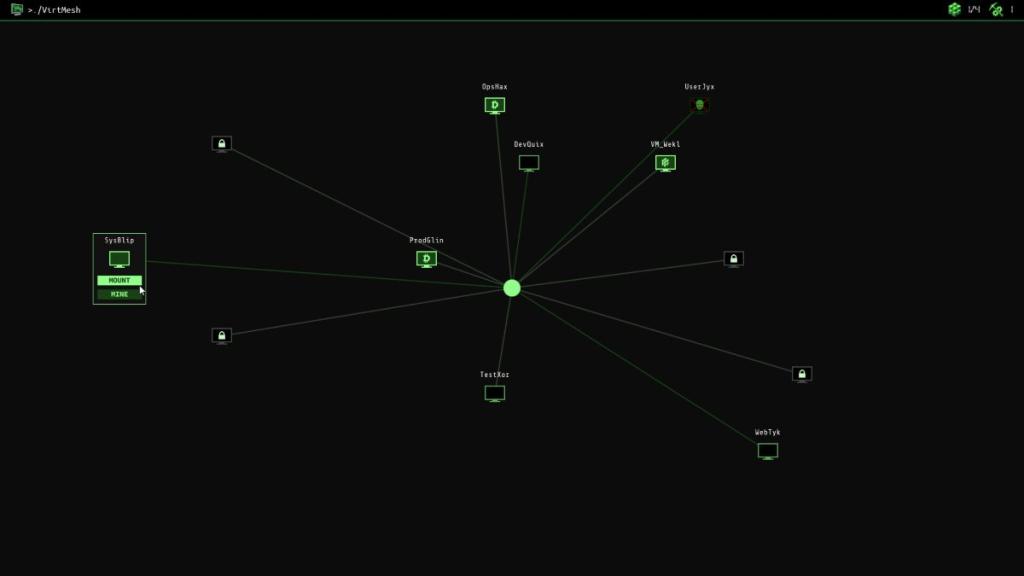
DOS Coins are the lifeblood of "Welcome to the Game 3," serving as the primary in-game currency. Their acquisition and careful management are paramount to survival and progress. The most direct and consistent method of accumulating DOS Coins is through the VirtMesh application, a crucial tool that players install early in their journey. VirtMesh allows players to interact with a network of virtual computers, offering two primary functions: "mounting" and "mining." Mounting involves hacking into a computer to gain access, while mining directly extracts DOS Coins.
However, the digital landscape is not static, and neither is VirtMesh’s utility. The game mechanics simulate the ephemeral nature of Dark Net activities; players cannot remain tethered to a single compromised computer indefinitely. To avoid detection and lockout, a constant rotation between different machines for both mounting and mining is essential. This dynamic mirrors real-world cybersecurity practices, where prolonged access to a system often triggers alerts and countermeasures.

The process of hacking into these computers involves a minigame called INJ3KT-R. This grid-based challenge requires players to navigate a path from a starting point (A) to an endpoint (B) using arrow keys. The crucial rule is that the path must exclusively alternate between light and dark tiles. Failure to adhere to this pattern results in the immediate closure of access to that particular computer, forcing players to seek new targets. Within the initial VirtMesh network, players are advised to prioritize mining from specific nodes that offer the highest yields: NetVorn (1.45 DOS), UserJyx (1.80 DOS), and WebTyk (1.84 DOS). These early targets provide a foundational income stream that can be reinvested into more advanced tools and strategies. Beyond direct mining, DOS Coins can also be earned by successfully completing various in-game requests and objectives, adding another layer to the game’s economic simulation.
Fortifying Your Digital Assets: Protecting DOS Coins from Threats
The precarious nature of the Dark Net means that accumulated DOS Coins are a constant target. Two primary antagonists pose a significant threat: Lucas, a recurring character who attempts to pilfer funds, and rival players or NPCs who employ hackers to steal your digital wealth. Lucas typically makes his move when players are at their motel base. The most effective defense against his incursions is to preemptively shut down the computer system when his arrival is signaled. This can be achieved by interacting with the power button located in the bottom-left corner of the screen. To gain sufficient warning time, players are encouraged to utilize motion sensors, which provide early alerts to Lucas’s approach, allowing for a timely shutdown.
Rival players and NPCs, driven by the competitive objective of acquiring Key Hashes, will deploy hackers to disrupt your operations and siphon your DOS Coins. These attacks can be mitigated through various means. The NOP Sled is an in-game item that can completely bypass the hacking minigame, rendering attempted intrusions futile. For a more proactive approach, players can leverage the A.C.R.S. (a simulated Dark Net communication platform) to hire their own hackers and retaliate by targeting specific competitors. This introduces a mercenary element to the game, where financial resources can be converted into offensive cyber capabilities.
The consequences of failed hacking attempts are also a critical consideration. If a player attempts to hack into a computer that has a Backdoor installed, the attack can backfire, resulting in a deduction of DOS Coins from their own account. Conversely, a successful hack against an NPC without a Backdoor can result in the player seizing a portion of the target’s DOS supply. This can significantly impede an opponent’s progress, particularly if they are saving for expensive items or the services of assassins.
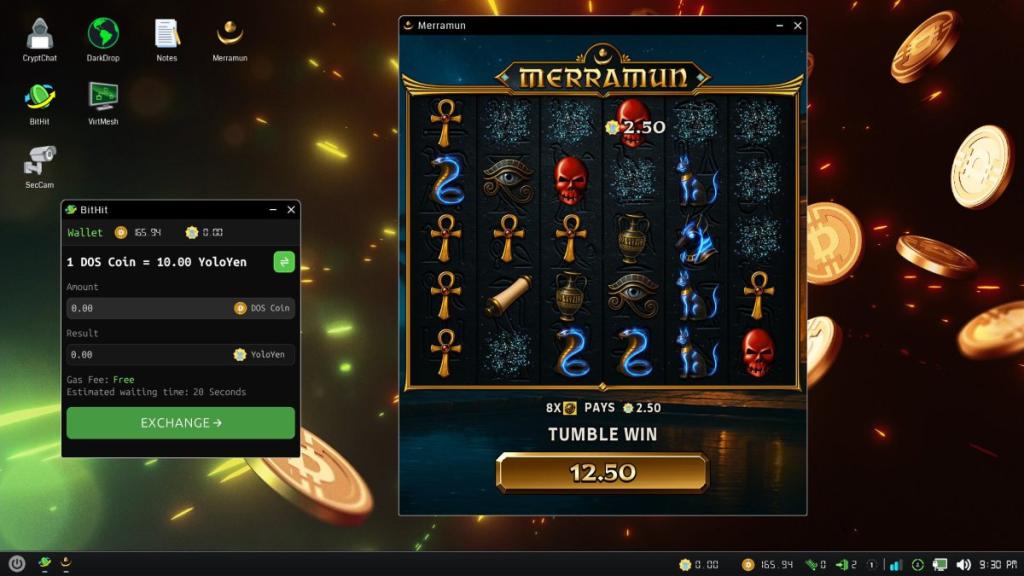
In extreme financial situations, players can strategically convert their DOS Coins into YoloYen via the BitHit exchange. This allows them to engage in high-stakes gambling within the Merramun application. Successful wagers can then be reconverted back into DOS Coins on BitHit, offering a high-risk, high-reward avenue for profit generation and capital accumulation. This feature underscores the game’s emphasis on calculated risk-taking and financial maneuvering within its simulated economy.
Building Influence: The Art of Reputation (Rep) Management
Reputation, or "Rep," is another critical metric in "Welcome to the Game 3," influencing access to services, the types of requests available, and overall standing within the Dark Net ecosystem. Two essential applications, ShadowFetch and A.C.R.S., are instrumental in building and maintaining Rep. ShadowFetch’s primary function is to convert URLs into MP4 video files. These videos can then be utilized in communications on A.C.R.S. to engage with other users. The conversion process incurs a DOS Coin cost, necessitating careful consideration to ensure that only valuable or sought-after files are processed.
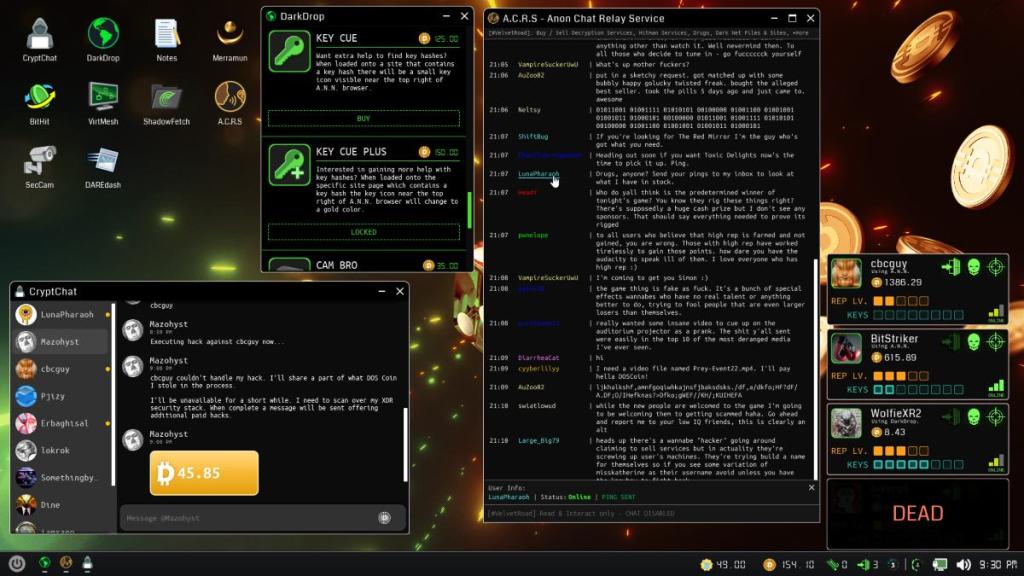
The most effective strategy for increasing Rep involves completing NPC requests found on A.C.R.S. This platform serves as a bustling hub for a diverse array of users, including competitors, hackers, dealers, and general Dark Web denizens. Engaging with A.C.R.S. can be likened to undertaking side quests in an RPG. The chat room undergoes a reset every thirty minutes, making it imperative for players to "PING" any user whose request seems promising. This action ensures that the user’s request remains active and visible in their private messaging interface. Furthermore, successfully evading hacker intrusions also contributes to a player’s Rep experience points (XP).
While A.C.R.S. is useful for various interactions, including dealing with characters like "Cletus," the most lucrative opportunities lie in fulfilling video file requests. This often involves a multi-step process: locating Fetch URLs on the Dark Net, converting them into MP4s using ShadowFetch, and then selling these finished products for both DOS Coins and Rep.
NPCs may solicit specific website URLs or video content. The Dark Wiki serves as a primary resource for locating this information. Even if direct access to a site is blocked by network restrictions, the URL can still be copied and pasted into the A.N.N. browser, a tool for navigating the Dark Net. The A.C.R.S. chat room is the marketplace for these requests. Players can identify potential clients by their username, looking for individuals who match their current Rep level or are actively seeking URLs, videos, or offering jobs. These users can be contacted via private message through CryptChat by selecting their username and initiating a ping.
The Quest for Truth: Locating Essential Key Hashes
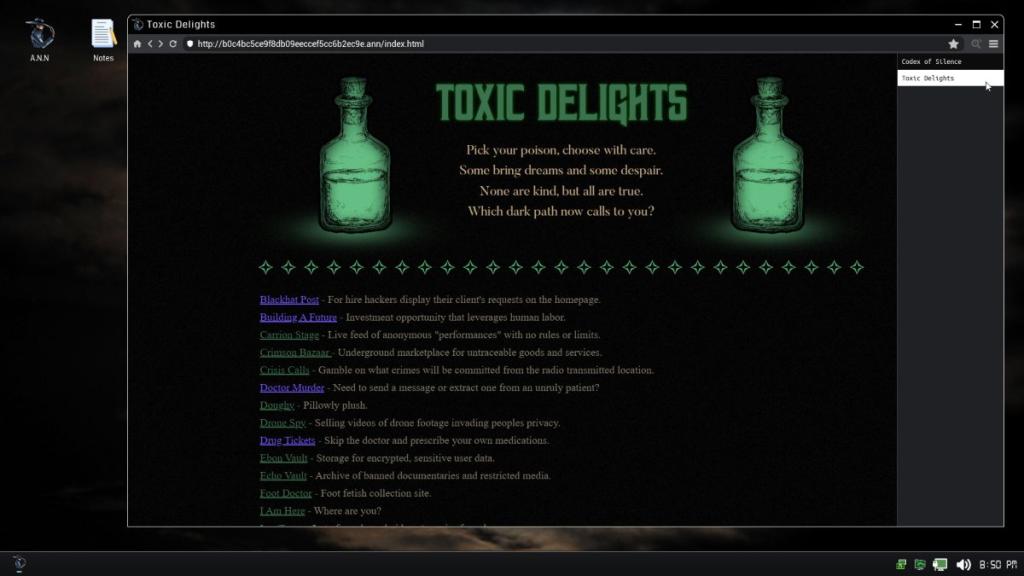
The ultimate objective in "Welcome to the Game 3" revolves around finding eight unique Key Hashes. This pursuit requires players to actively explore and discover additional Dark Wikis scattered throughout the game world. These wikis serve as gateways to further websites, many of which may contain the coveted Key Hashes. Wiki pages are typically identified by their ".ann" URLs, which can be directly input into the A.N.N. browser to reveal a new list of accessible websites.
The competitive nature of WTTG3 is acutely felt during this phase. Players are not undertaking this quest in isolation; four other individuals are vying for the same objectives. This transforms the search for Key Hashes into a race against both the clock and other ambitious Dark Net users. The spawn locations of these Keys are randomized with each new game session, adding an element of unpredictability. Furthermore, websites can be categorized as always open, time-sensitive, or entirely inaccessible, emphasizing the need for players to be strategic in their exploration.
Key Hashes can manifest in several ways. They may appear openly on a webpage, often indicated by a number from one to eight, followed by a string of random alphanumeric characters. In instances where a Key is hidden behind page elements, players must employ a more meticulous approach. Hovering over letters and images can sometimes reveal interactive cursors. Additionally, the Source Code Viewer, accessible via a magnifying glass icon in the top-right corner of the A.N.N. browser, provides a deeper look. Within the source code, Key Hashes are displayed in their complete form, offering a more reliable method of discovery.
A significant departure from previous installments in the series is the requirement for decryption. Once a Key Hash is found, it must be submitted to an agent within A.C.R.S. for decryption, a process that incurs a fee. This adds an economic consideration to the final stages of the game, requiring players to have sufficient DOS Coins to complete their objective.
Countermeasures and Offense: Blocking and Deploying Hacks
As the in-game clock advances, specifically from 9:30 PM onwards, players can anticipate a surge in hacker activity. These intrusions are designed to disrupt operations, steal resources, and create vulnerabilities. The intensity and sophistication of these attacks are expected to escalate as the game progresses, reflecting the increasing investment and desperation of opponents.
Players must be prepared to defend against these digital assaults. While the specific mechanics of each hack are not detailed in the provided context, the implication is that players will need to engage in defensive minigames or utilize specific tools to repel incoming threats. The escalating nature of these hacks suggests that proactive defense and robust security measures will be crucial for survival in the later stages of the game.
Eliminating the Opposition: Orchestrating Killer Strikes
In certain scenarios, a more direct and aggressive approach is warranted to neutralize the competition. "Welcome to the Game 3" provides players with the means to hire assassins to target rival players. This process typically begins on A.C.R.S., where players can contact individuals capable of "doxxing" their opponents—uncovering their personal information. Once this sensitive data is obtained, another contact can be engaged to deploy a hit, utilizing the doxxed information to locate and eliminate the competitor.
This strategy represents the most expensive option available within the game’s economy. However, its efficacy, particularly as players approach the game’s challenging conclusion, can make it a worthwhile investment. The ability to directly remove competitors from the race for Key Hashes adds a layer of lethal consequence to the strategic gameplay, reflecting the brutal nature of the simulated Dark Net environment.
The introduction of these interconnected systems—resource management, reputation building, objective pursuit, and direct player-versus-player conflict—creates a deeply engaging and challenging experience. Mastering "Welcome to the Game 3" requires a keen understanding of each mechanic and the strategic deployment of resources to outwit both the game’s simulated threats and its human opponents.