


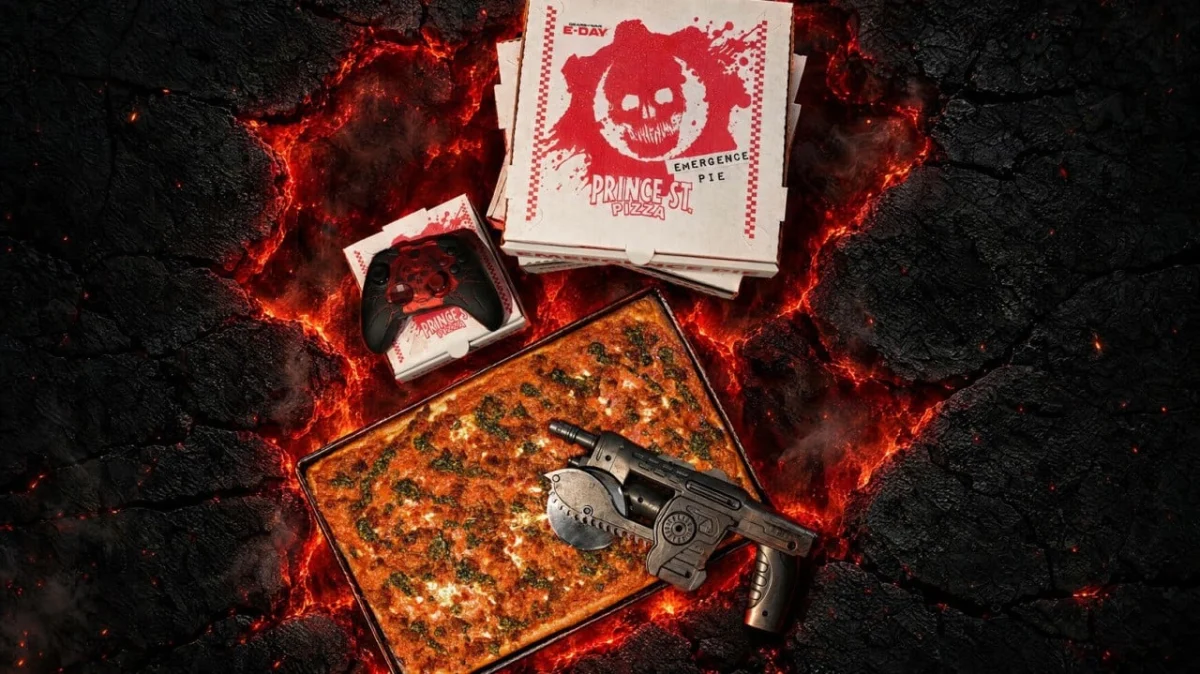
The promotional landscape for major video game titles continues to evolve, pushing boundaries beyond traditional advertising into experiential and lifestyle collaborations. In a significant move, Xbox, in partnership with Prince St. Pizza, recently launched a limited-edition "Emergence Pie" to celebrate the upcoming release of Gears of War: E-Day. This unique culinary offering, available in select U.S. markets and Toronto, was designed to immerse fans further into the Gears of War universe, offering not only a themed pizza but also exclusive in-game content and highly sought-after physical merchandise. The collaboration, which commenced with an initial announcement followed by the pizza’s availability from November 1st, 2026, quickly demonstrated its effectiveness in generating buzz and driving consumer interest, particularly evidenced by the near-instantaneous sell-out of an accompanying Gears-themed pizza cutter.
Rapid Sell-Out Underscores High Demand for Exclusive Merchandise
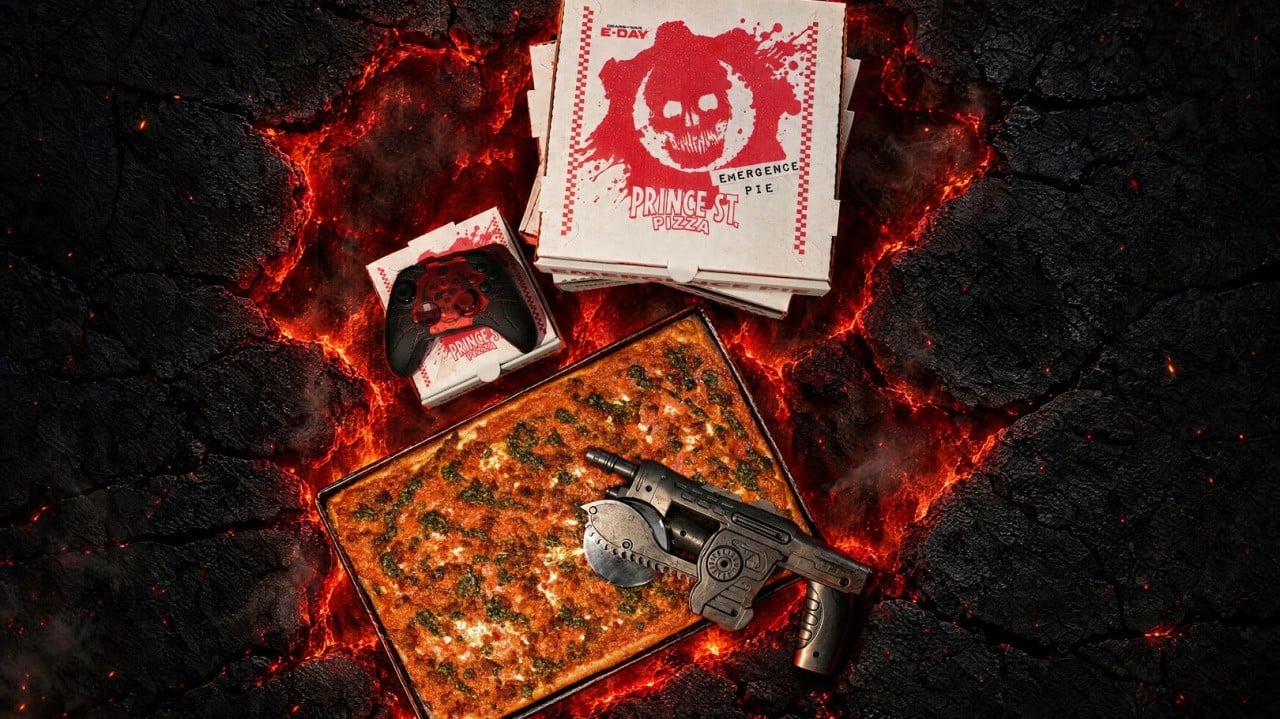
The most immediate and striking aspect of this promotional campaign has been the extraordinary demand for the Gears of War-shaped pizza cutter. Initially made available for purchase at $60 USD via the Prince St. Pizza website, the collectible item sold out with remarkable speed. As of Monday, September 28th, 2026, at 9:05 PM UTC, reports confirmed that the entire stock of the specialized pizza cutter had been depleted. This swift acquisition by consumers highlights the potent combination of brand loyalty, the appeal of limited-edition collectibles, and the strategic deployment of scarcity marketing. Industry analysts suggest that such rapid sell-outs are indicative of a robust collector’s market within the gaming community, where unique, branded merchandise often transcends its functional purpose to become a coveted display item or an investment. While there remains a possibility of future restocks, the initial availability underscored a significant fan appetite for tangible connections to beloved franchises. The swift disappearance of the pizza cutter from virtual shelves not only validates the effectiveness of the marketing strategy but also provides valuable data on consumer engagement levels for future collaborative ventures.
The "Emergence Pie": A Culinary and Digital Reward
The core of this unique partnership is the "Emergence Pie," a limited-edition pizza crafted by the renowned Prince St. Pizza. Known for its thick, square, Sicilian-style slices and crispy pepperoni, Prince St. Pizza brings a level of culinary credibility to the collaboration. The choice of a pizzeria with a strong cult following and a reputation for quality suggests a deliberate effort by Xbox to align Gears of War: E-Day with a premium, fan-favorite product, rather than a generic fast-food offering. This strategic alignment aims to elevate the brand experience beyond a simple cross-promotion.
From November 1st, 2026, onward, customers purchasing the "Emergence Pie" are not only treated to a specially themed meal but also receive a unique code. This code unlocks an exclusive Gears of War: E-Day in-game pizza emblem, a digital cosmetic item designed for use within the upcoming game. This dual offering—tangible food combined with digital exclusivity—taps into contemporary consumer desires for both real-world experiences and virtual personalization. The pizza itself is presented in a distinctively designed box bearing the phrase "Made in Kalona," a subtle nod to the fictional planet Sera, the primary setting for the Gears of War saga. This attention to detail reinforces the thematic integration, transforming a simple pizza box into a piece of collectible memorabilia. The geographical availability of the "Emergence Pie" is currently restricted to the United States and Toronto, Canada, a common practice for food-based promotional campaigns due to logistical complexities and regional market considerations.
Xbox’s Expanding Brand Partnership Strategy: A Holistic Approach
The collaboration with Prince St. Pizza is not an isolated incident but rather a continuation of a broader, increasingly aggressive marketing strategy employed by Xbox. In recent times, Microsoft’s gaming division has noticeably intensified its efforts to extend the Xbox brand into various consumer lifestyle sectors through strategic partnerships. This approach seeks to broaden brand visibility, attract new demographics beyond core gamers, and deepen engagement with existing fans by integrating Xbox into everyday consumer experiences.
Earlier in 2026, Xbox embarked on a high-profile collaboration with IKEA, the global furniture giant. This partnership resulted in the unveiling of IKEA’s first-ever Xbox collection, featuring specially designed chairs, stools, cushions, and other home furnishings tailored to complement a gaming setup. The IKEA collaboration aimed to address the practical needs of gamers while seamlessly integrating the Xbox aesthetic into home environments, effectively transforming gaming into a lifestyle choice reflected in home décor. Prior to this, Xbox also engaged in a significant promotional campaign with McDonald’s, a collaboration that offered in-game rewards and branded merchandise through the fast-food chain’s extensive global network. The McDonald’s partnership, leveraging the universal appeal and reach of the restaurant chain, focused on mass-market penetration and introducing the Xbox brand to a wider, more casual audience.
These diverse collaborations—spanning fast food, home furnishings, and gourmet pizza—underscore a strategic shift towards experiential marketing and brand ubiquity. By forging alliances with established consumer brands, Xbox aims to create memorable touchpoints that resonate with different facets of consumer life. This multi-pronged approach helps to maintain brand relevance, generate sustained media attention, and foster a sense of community among its diverse player base. The Prince St. Pizza initiative, while more niche than the McDonald’s or IKEA partnerships, serves to reinforce the perception of Xbox as a lifestyle brand capable of engaging with fans on multiple levels, from high-concept furniture to a celebratory meal.
Gears of War: E-Day – A Prequel’s Anticipation and Franchise Significance
The "Emergence Pie" and its associated merchandise are specifically designed to build anticipation for Gears of War: E-Day, a highly anticipated prequel in the iconic Gears of War series. Announced during the Xbox Games Showcase, E-Day takes players back to the pivotal Emergence Day, the cataclysmic event that marked the beginning of the war between humanity and the Locust Horde. This narrative decision to explore the origins of the conflict holds immense significance for long-time fans of the franchise, offering an opportunity to delve into foundational lore and witness the initial devastation that shaped the series’ universe.
The Gears of War franchise, developed by The Coalition and previously by Epic Games, has been a cornerstone of the Xbox platform since its inception. Known for its groundbreaking cover-based third-person shooter mechanics, gritty aesthetic, and compelling narrative centered on brotherhood and survival, Gears of War has cultivated a dedicated global fanbase. The decision to release a prequel rather than a direct continuation of the main storyline suggests a strategic effort to refresh the franchise, attract new players by providing an entry point to the lore, and revisit beloved characters in their earlier, formative years. Marketing efforts like the Prince St. Pizza collaboration are crucial for maintaining the high level of fan engagement and ensuring that Gears of War: E-Day receives the attention commensurate with its status as a flagship Xbox title. By tying the game’s launch to unique, real-world experiences, Xbox aims to amplify the sense of occasion and build a palpable excitement leading up to its release.
The Collectible Phenomenon: Beyond Functionality
The rapid sell-out of the Gears of War-shaped pizza cutter underscores a broader trend in the gaming industry: the burgeoning market for limited-edition collectibles. These items, often produced in collaboration with popular brands, transcend mere functionality to become prized possessions for fans. The $60 USD price tag for a pizza cutter, a tool typically costing a fraction of that amount, reflects its value as a piece of exclusive merchandise rather than a utilitarian kitchen implement.
The appeal of such collectibles lies in several factors. Firstly, exclusivity creates a sense of urgency and prestige. Knowing that an item is part of a limited run makes it more desirable. Secondly, these items serve as physical manifestations of a fan’s dedication and identity within a particular fandom. Owning a Gears of War-themed pizza cutter is a way for enthusiasts to showcase their passion for the franchise. Thirdly, there’s an element of investment. While not explicitly marketed as such, limited-edition gaming merchandise often appreciates in value on secondary markets, further fueling demand among collectors and resellers. The immediate unavailability of the pizza cutter suggests that many buyers likely fall into the collector category, eager to secure a unique piece of Gears of War memorabilia. This phenomenon is not unique to Gears of War; similar patterns are observed across various gaming franchises, demonstrating a robust and growing segment of the consumer market dedicated to gaming-related collectibles.
Geographic Exclusivity and Global Fan Reactions

The decision to limit the "Emergence Pie" and its associated offers to the U.S. and Toronto has naturally elicited a range of reactions from the global gaming community. While understandable from a logistical and marketing perspective—food-based collaborations inherently face challenges related to supply chains, regulatory differences, and cultural tastes across diverse regions—it inevitably leads to expressions of disappointment from fans outside these territories. The sentiment, as succinctly captured by one observer in the UK, reflects a common frustration among international fans who often feel excluded from exclusive promotional events.
Such geographical limitations are a persistent challenge for global brands. While the focus on key markets like the U.S. and major Canadian cities allows for concentrated marketing efforts and simpler logistics, it can also lead to a perception of favoritism. Marketing strategists continually weigh the benefits of targeted, high-impact regional campaigns against the potential for alienating segments of a global fanbase. For future campaigns, brands like Xbox might explore alternative, globally accessible digital rewards or merchandise that can be shipped internationally to mitigate such sentiments. However, for perishable goods like pizza, regional exclusivity remains a practical necessity, often prompting calls for similar, localized initiatives in other major markets.
The Role of In-Game Rewards in Modern Marketing
The inclusion of a "unique code to unlock a Gears of War: E-Day in-game pizza emblem" is a prime example of how digital rewards are increasingly being leveraged as a powerful marketing tool. In the contemporary gaming landscape, where microtransactions, battle passes, and cosmetic items are integral to many game economies, offering exclusive in-game content acts as a strong incentive for real-world purchases.
This strategy works on multiple levels. For the consumer, it provides added value to their purchase, transforming a meal into an opportunity to personalize their in-game experience. For the game publisher, it drives sales of the partnered product, generates buzz, and reinforces player engagement even before the game’s official launch. The "pizza emblem" serves as a digital badge of honor, signaling to other players that the owner participated in a specific promotional event. This creates a sense of exclusivity and community among those who obtained the reward. Furthermore, it subtly encourages players to engage with the game’s customization features, potentially leading to further investment in other cosmetic items down the line. The integration of digital rewards into physical product promotions has become a standard practice, demonstrating the symbiotic relationship between real-world consumer behavior and virtual identity in the gaming world.
Broader Implications for Gaming and Lifestyle Brands
The Gears of War: E-Day "Emergence Pie" collaboration, particularly its rapid merchandise sell-out, offers several insights into the evolving dynamics between gaming and lifestyle brands. Firstly, it underscores the growing cultural footprint of video games, which are no longer confined to niche entertainment but have become a mainstream cultural force capable of influencing consumer spending across diverse sectors. Secondly, it highlights the effectiveness of experiential marketing. Simply advertising a game is often no longer enough; creating immersive, real-world experiences that connect with fans on a deeper level is proving to be highly impactful.
This trend is likely to continue, with more gaming franchises exploring innovative partnerships with food, fashion, and other lifestyle brands. The success of campaigns like the "Emergence Pie" provides a template for future collaborations, emphasizing the importance of limited editions, unique merchandise, and integrated digital rewards. For brands, this means a wider array of marketing channels and opportunities to engage new audiences. For consumers, it translates into more diverse and creative ways to interact with their favorite franchises, blurring the lines between virtual worlds and real-life experiences. The economic implications are also significant, as these partnerships open up new revenue streams and brand valuation opportunities beyond traditional game sales. The Gears of War: E-Day pizza collaboration stands as a testament to the power of creative marketing in a highly competitive entertainment industry, demonstrating how a simple culinary offering can become a significant cultural event.