


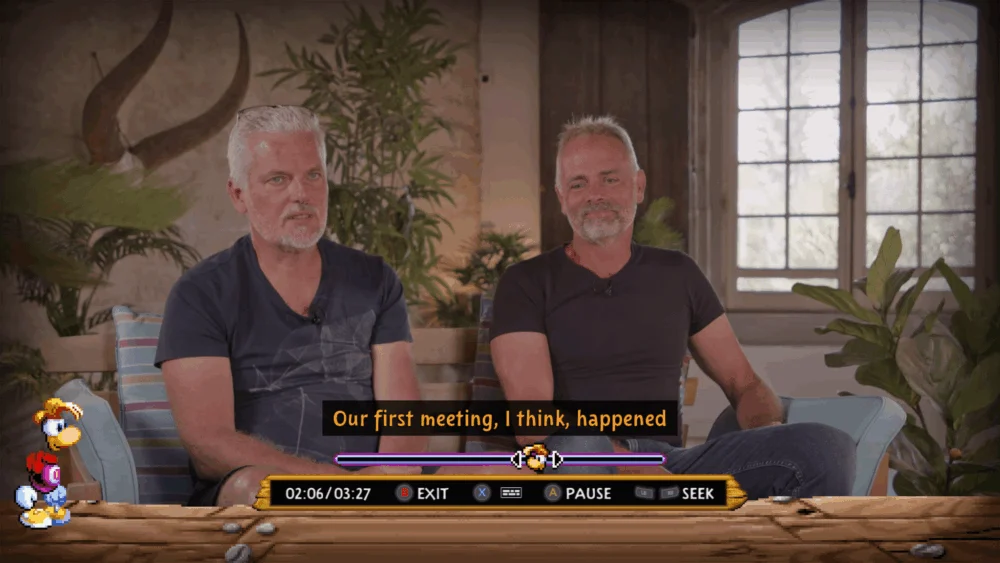
The release of Rayman: 30th Anniversary Edition marks a significant, if slightly delayed, milestone for one of the video game industry’s most enduring and visually distinct icons. Developed in collaboration with Digital Eclipse, known for their "Gold Master Series" of interactive documentaries, this collection serves as a comprehensive digital archive of the 1995 platformer that launched Ubisoft into the global spotlight. Available on modern platforms including the Xbox Series X, the edition arrives at a pivotal moment for Ubisoft, a company currently navigating a period of intense internal restructuring and project cancellations. While the title technically misses the precise 30th-anniversary mark—the original game debuted in late 1995—the package offers an exhaustive look at the character’s origins, technical evolution, and the creative culture of mid-90s European game development.
The Genesis of a Mascot: Historical Context and Impact
To understand the significance of Rayman: 30th Anniversary Edition, one must look back at the landscape of the mid-1990s. In 1995, the video game industry was in a state of flux, transitioning from the 16-bit era of the Super Nintendo and Sega Genesis to the 32-bit power of the Sony PlayStation and Sega Saturn. While many developers were rushing toward rudimentary 3D graphics, a small team at Ubisoft, led by creative visionary Michel Ancel, doubled down on high-fidelity 2D animation.

Rayman stood out not only for its protagonist’s lack of limbs—a creative choice born from technical limitations regarding sprite animation—but for its surreal, whimsical art style and punishing difficulty. It was a flagship title for the Atari Jaguar before finding massive commercial success on the PlayStation. The character eventually became Ubisoft’s de facto mascot, spawning multiple sequels, including the critically acclaimed 3D platformer Rayman 2: The Great Escape and the more recent UbiArt Framework titles, Rayman Origins and Rayman Legends.
A Chronological Archive: Included Versions and Ports
The 30th Anniversary Edition distinguishes itself by refusing to present a single "definitive" version of the game. Instead, it adopts a preservationist approach, offering players the ability to experience the title across the various hardware configurations that defined its early years.
The 32-Bit Foundations
The collection includes the original Atari Jaguar version, which many purists consider the "rawest" form of Ancel’s vision, alongside the PlayStation and Sega Saturn versions. The PlayStation iteration, in particular, is remembered for its CD-quality audio and vibrant color palette, though it was notorious for lengthy loading screens—an issue the modern Xbox Series X hardware effectively eliminates.

The Handheld Legacy
Remarkably, the package also incorporates the technically compromised but historically fascinating portable ports. The Game Boy Color and Game Boy Advance versions are included, showcasing how Ubisoft’s developers managed to squeeze the complex animations and level designs of the home consoles into significantly less powerful hardware. These versions serve as a testament to the era’s "port-heavy" market and the ingenuity required to maintain brand consistency across disparate platforms.
The MS-DOS and PC Expansion
The inclusion of the MS-DOS version is perhaps the most significant for long-term fans. This version includes "Rayman Designer," a toolset that allowed for the creation of new levels. The 30th Anniversary Edition integrates over 100 semi-official levels produced for the PC version over the decades. Many of these levels are known for their extreme difficulty, surpassing even the challenging nature of the base game’s "Picture City" or "The Caves of Skops."
The SNES Prototype: A Playable Piece of History
One of the most touted features of this collection is the inclusion of a lost Super Nintendo prototype. Long rumored and eventually discovered in a playable state years ago, this version of Rayman predates the 32-bit shift. While the prototype is extremely brief and can be traversed in under a minute, its inclusion is a major win for video game historians. It reveals a different art style and a more traditional 16-bit platforming feel, providing a "what if" scenario for the franchise’s trajectory had it remained on 16-bit hardware.

Technical Enhancements and Emulation Standards
Digital Eclipse has applied its standard suite of high-end emulation features to ensure the games remain playable for a modern audience. Tested on the Xbox Series X, the collection benefits from the console’s Quick Resume feature, allowing players to jump between the documentary content and the various game versions almost instantaneously.
Modern Quality-of-Life Features
- Save States and Rewind: Given the original game’s reputation for brutal difficulty and limited continues, the inclusion of save states is a necessary concession for modern players. The rewind feature is particularly robust, allowing for a 60-second rollback, which is significantly more generous than the 10 or 15 seconds found in many other retro collections.
- Visual Filters: The collection includes various CRT filters designed to mimic the phosphor glow and scanlines of 1990s televisions. These filters are essential for preserving the intended look of the pixel art, which can often appear overly sharp or "blocky" on 4K displays.
- Toggleable Cheats: For those who wish to experience the art and music without the frustration of the game’s steep difficulty curve, the edition includes toggles for infinite lives, maximum health, and the immediate unlocking of all abilities (such as the telescopic fist and the helicopter hair).
The Soundtrack Controversy: Preservation vs. Licensing
The most divisive aspect of the Rayman: 30th Anniversary Edition is the replacement of the original soundtrack. The 1995 game featured an iconic score by the late Rémi Gazel, whose work was instrumental in creating the game’s ethereal atmosphere. Due to reported licensing complexities following Gazel’s passing in 2019, Ubisoft elected to commission brand-new compositions for this release.
The task of reimagining the score fell to Christophe Héral, the composer behind the modern Rayman masterpieces, Origins and Legends. While Héral’s work is of exceptionally high quality and fits the whimsical nature of the world, the absence of the original themes is a blow to the collection’s goal of total preservation. This shift highlights the ongoing struggle in the industry regarding music licensing in legacy titles, where digital rights management often complicates the re-release of classic works.

Behind the Scenes: The 30th Anniversary Documentary
A centerpiece of the package is a 50-minute documentary that explores the creation of the character and the growth of Ubisoft. The film features rare interviews with Michel Ancel, who has largely been absent from the public eye following his departure from the industry in 2020. Ubisoft CEO Yves Guillemot also appears, discussing the company’s early days in France and the gamble they took on a 2D platformer during the dawn of the 3D era.
The documentary is supplemented by a massive gallery of original design documents, sketches, and promotional materials. For students of game design, these documents provide a fascinating look at the iterative process of character creation, showing early designs for Rayman that featured more traditional anatomy before the team settled on his iconic "limbless" look.
Corporate Context: Ubisoft’s Current Landscape
The release of this anniversary edition comes at a time of significant transition for Ubisoft. In early 2026, the publisher detailed a massive restructuring effort following several years of underperforming titles and internal turmoil. This restructuring led to the cancellation of several unannounced projects and a renewed focus on core intellectual properties.

Industry analysts suggest that the Rayman: 30th Anniversary Edition is part of a broader strategy to leverage legacy content while the company stabilizes its pipeline for new AAA releases. The success of this collection may influence how Ubisoft handles other dormant franchises from the same era.
Impact and Implications for the Franchise
At a retail price of $19.99, the Rayman: 30th Anniversary Edition is positioned as a high-value entry point for both nostalgic fans and younger players who only know the character through his cameos in Mario + Rabbids Sparks of Hope.
While the replacement of the original soundtrack prevents the collection from being a "perfect" historical record, the inclusion of the SNES prototype and the sheer volume of playable versions make it a landmark release for game preservation. It raises the bar for how publishers should treat their back catalogs, moving beyond simple ROM dumps to provide context, history, and variety.

As Ubisoft looks toward the future, this collection serves as a reminder of the creative risks that built the company’s foundation. Whether this leads to a proper "Rayman 4" remains to be seen, but for now, the 30th Anniversary Edition stands as a definitive tribute to a character who helped define an era of gaming. By documenting the technical hurdles, the artistic triumphs, and even the "lost" versions of the game, Digital Eclipse and Ubisoft have created a digital museum that honors the legacy of the limbless hero.