


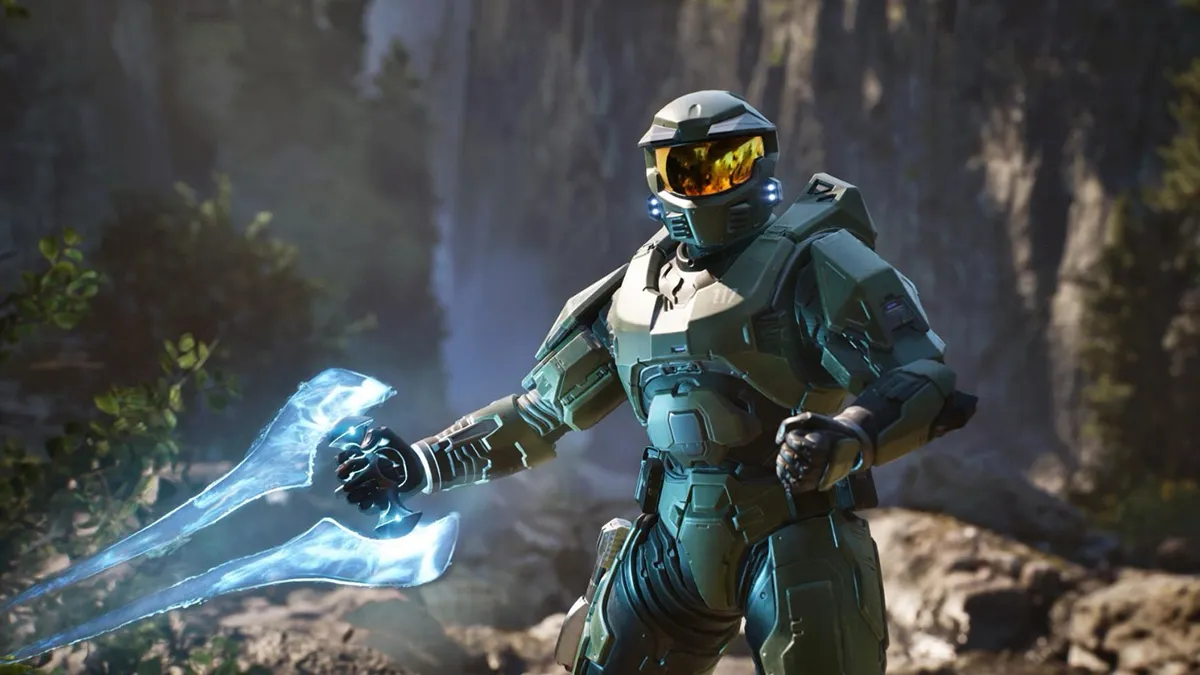
The future of the iconic Halo franchise has been thrown into significant flux following a sweeping restructuring at 343 Industries, the studio responsible for the series’ ongoing development. Leaks emerging from within the gaming community, primarily attributed to the source "Leaks Infinite," indicate that multiple ambitious projects, including remakes of Halo 2 and Halo 3, and the next major installment tentatively referred to as Halo 7, have been unceremoniously shelved. This drastic pivot comes in the wake of substantial layoffs that have reportedly left Halo Studios with a drastically reduced team of approximately two dozen developers. Furthermore, reports suggest that Activision is set to assume a pivotal role in guiding the Halo brand forward, with a complete reboot of the franchise’s established lore and narrative universe appearing to be a primary objective.
The Unfolding Crisis at Halo Studios
The recent upheaval at Halo Studios represents a dramatic turning point for a franchise that has been a cornerstone of the Xbox ecosystem since its inception. The leaks, which have gained considerable traction across gaming news outlets and social media platforms, paint a grim picture of internal project cancellations and a fundamental shift in the franchise’s direction. According to "Leaks Infinite," prior to the significant layoffs that have decimated the studio’s workforce, three distinct Halo projects were actively in development. These included highly anticipated remakes of two of the series’ most beloved entries, Halo 2 and Halo 3, which would have offered modern interpretations of classic gameplay and narratives for a new generation of players and a nostalgic return for long-time fans.
Alongside these remake efforts, the next major title in the mainline Halo series, internally designated as Halo 7, was also reportedly in the works. This forthcoming installment was allegedly slated to feature "huge modes," though the specifics of these additions remain undisclosed. However, all these initiatives have now been definitively halted. The source further suggests that the remaining, significantly smaller team at Halo Studios is operating under immense pressure to expedite the release of any projects that were nearing completion. This includes a new Halo novel and a game titled Halo: Parasite’s Wake.
The implications of these developments extend beyond the immediate project cancellations. The Halo Championship Series (HCS), the franchise’s premier competitive esports league, has also reportedly been "shelved," with a substantial portion of its associated staff being laid off. While Halo Fest, a fan-centric event, is said to remain, its future plans are currently unclear. This series of events signals a profound and potentially irreversible change in how the Halo universe will be perceived and experienced by its dedicated fanbase.
A History of Transition and the Road to Restructuring
The current crisis at Halo Studios is not an isolated incident but rather the culmination of a period of evolution and, for many, perceived decline within the Halo franchise. Launched in 2001 as a flagship title for the original Xbox, Halo: Combat Evolved revolutionized the first-person shooter genre with its innovative gameplay mechanics, compelling narrative, and groundbreaking multiplayer. Developed by Bungie, the series quickly garnered critical acclaim and commercial success, establishing a passionate global following.
Bungie continued to helm the franchise through Halo 2 (2004) and Halo 3 (2007), solidifying its narrative arcs and expanding its universe. The original trilogy is widely regarded by many fans and critics as the golden age of Halo. Following the release of Halo 3, Bungie’s contract with Microsoft concluded, leading to a significant transition. In 2007, Microsoft established 343 Industries to take over the reins of the Halo franchise, tasked with continuing its legacy and exploring new avenues.
Under 343 Industries, the Halo saga continued with titles such as Halo 3: ODST (2009), Halo: Reach (2010), Halo 4 (2012), Halo 5: Guardians (2015), and Halo Infinite (2021). While these titles introduced new characters, storylines, and gameplay elements, they also faced mixed reception from parts of the fanbase. Critiques often centered on perceived departures from the core tenets of the original Bungie titles, narrative inconsistencies, and evolving multiplayer dynamics. The series has, for many, been on a perceived downward trajectory for over a decade, a sentiment that has been amplified by the recent revelations.
The decision to potentially reboot the entire franchise under Activision’s purview, as suggested by the leaks and previous reports, implies a desire to fundamentally realign the Halo universe with its foundational elements, possibly by disregarding or heavily retconning the narrative developments that have occurred since Bungie’s departure. This approach, while drastic, could be seen as an attempt to recapture the magic of the early games and appeal to a broader audience, or a strategic move to streamline the universe for future storytelling.
Activision’s Looming Influence and the Implications of a Reboot
The news that Activision will be taking over the stewardship of Halo from 343 Industries marks a monumental shift. While specific details regarding Activision’s operational strategy and the formation of a new studio dedicated to the franchise remain scarce, the indication is that they will have the ultimate authority in deciding the direction of future Halo titles. This partnership raises significant questions about the creative vision and execution of upcoming games.
Activision, a titan in the video game industry, is known for its extensive portfolio of blockbuster franchises, including Call of Duty. Their involvement suggests a potential for significant investment and a focus on large-scale, commercially successful releases. However, it also brings to the forefront concerns about how the unique identity and established lore of Halo will be preserved or reimagined under a different corporate umbrella.
The concept of a "complete reboot" implies a willingness to discard existing narrative threads and character arcs. This could mean a fresh start with Master Chief, or even the introduction of entirely new protagonists and storylines that bear little resemblance to the established canon. Such a move, while potentially invigorating for the franchise, risks alienating a segment of the loyal fanbase who have invested years in the current narrative. The success of such a reboot would hinge on its ability to capture the essence of what made Halo so compelling in the first place while offering a compelling and fresh experience.
Supporting Data and Contextual Analysis
While direct official statements from Microsoft or Activision regarding the specifics of the Halo restructuring have not yet been released, the consistency and detail of the leaks from "Leaks Infinite" lend significant weight to these claims. The source has a proven track record of accurately predicting developments within the Halo ecosystem. The timing of these leaks, following reports of significant layoffs at 343 Industries, further corroborates the narrative of a studio undergoing a profound internal crisis.
The reported reduction of Halo Studios to "about two dozen developers" is a stark indicator of the scale of the restructuring. For a franchise as expansive and complex as Halo, such a small team size would severely limit the scope of any ongoing development efforts. This aligns with the notion that internal projects have been shelved due to a lack of resources and a shift in strategic priorities.
The mention of Halo 2 and Halo 3 remakes is particularly noteworthy. These titles are often cited by fans as the pinnacle of the series’ gameplay and narrative. Their cancellation suggests a strategic decision to pivot away from honoring the past in a direct, remake-focused manner, towards a more radical reimagining of the franchise’s core identity. This could be an attempt to break free from the narrative constraints that may have developed over years of storytelling, or a response to the perceived lack of commercial success of recent installments.
The implication that Activision will be "taking over" is significant. This suggests a change in management and creative direction, moving away from the internal development model that has defined Halo for years. Activision’s involvement could bring a new level of polish and marketability, but it also raises questions about the potential for a more standardized, perhaps less artistically adventurous, approach to game development, a concern often voiced by players when major publishers take control of beloved IPs.
The cancellation of the Halo Championship Series is another critical development. Esports has become an increasingly important facet of many major gaming franchises. The shelving of the HCS suggests a potential shift in how Microsoft and Activision view the competitive landscape of Halo, or a strategic decision to reallocate resources towards core game development and marketing. This could have a detrimental impact on the professional Halo scene and its dedicated player base.
Broader Impact and Future Outlook
The current situation surrounding Halo is a stark reminder of the volatile nature of the video game industry. Franchises that once commanded immense cultural and commercial influence can find themselves at a crossroads, necessitating drastic measures to ensure their continued relevance. The decision to potentially reboot Halo under Activision’s guidance is a high-stakes gamble.
For long-time fans, the prospect of a reboot may be met with a mixture of apprehension and cautious optimism. While the current narrative may have become convoluted for some, the established lore represents years of dedication and investment. A complete erasure of this history could be seen as disrespectful to the existing fanbase. However, if the reboot is executed with a deep understanding of what made Halo resonate in the first place, it could indeed revitalize the franchise and attract new players.
The future of Halo now rests in the hands of Activision and a new development team. The success of this transition will depend on their ability to balance commercial viability with artistic integrity, and to deliver a Halo experience that honors the franchise’s legacy while forging a new and compelling path forward. The coming months and years will be crucial in determining whether this radical restructuring will ultimately save or redefine the iconic Master Chief saga. The gaming world will be watching closely as this new chapter in the Halo universe unfolds, with the hope that it can recapture the glory of its past while embracing a promising future.